People on my team paste customer data and internal documents into ChatGPT, Claude, and Gemini every day, and I am not sure which is actually safe. Explain clearly, for someone who is not a lawyer, the real difference between the free and personal-paid consumer plans and the business or enterprise tiers on three points: whether your input is used to train the model, how long it is retained, and whether it could surface in legal discovery. Use each provider's current published policy. What practical rule should a small company set for what can and cannot go into a consumer AI account, and does paying for a Pro subscription actually fix the problem, or only buy better models?
Corporate Risk and Compliance Specialist · claude-sonnet-5
The core risk framework, from a compliance perspective
Let me give you the practical mental model, since I don't have live search this round to pull exact clause text — treat specific retention-day numbers as approximate and worth verifying against current policy pages before you finalize a written policy.
The general pattern across all three providers
Free / consumer personal-paid (ChatGPT Plus, Claude Pro, Gemini Advanced):
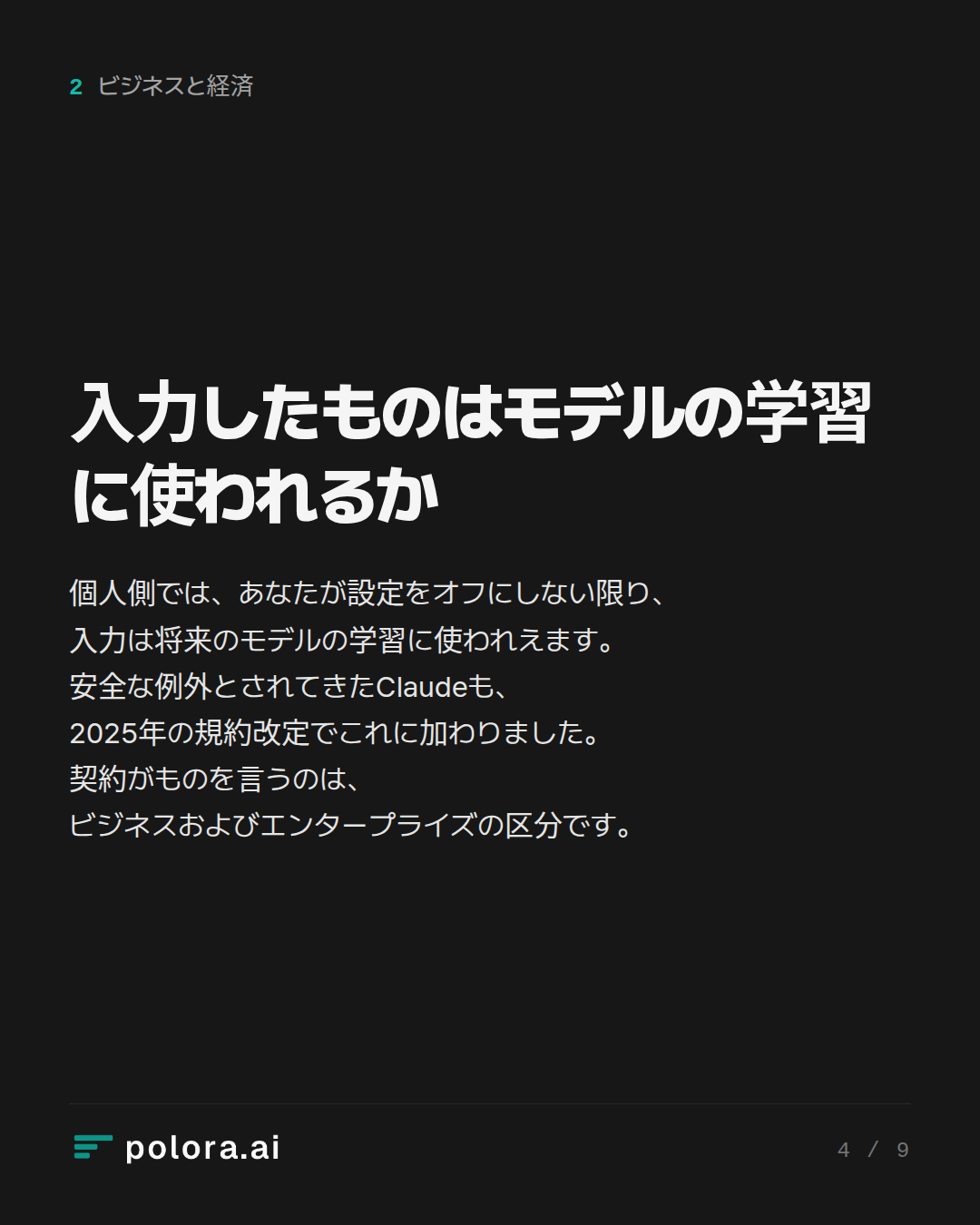
- Your content can be used to improve/train models by default unless you manually opt out in settings (OpenAI, Google) — Anthropic has generally been more conservative here but check current terms.
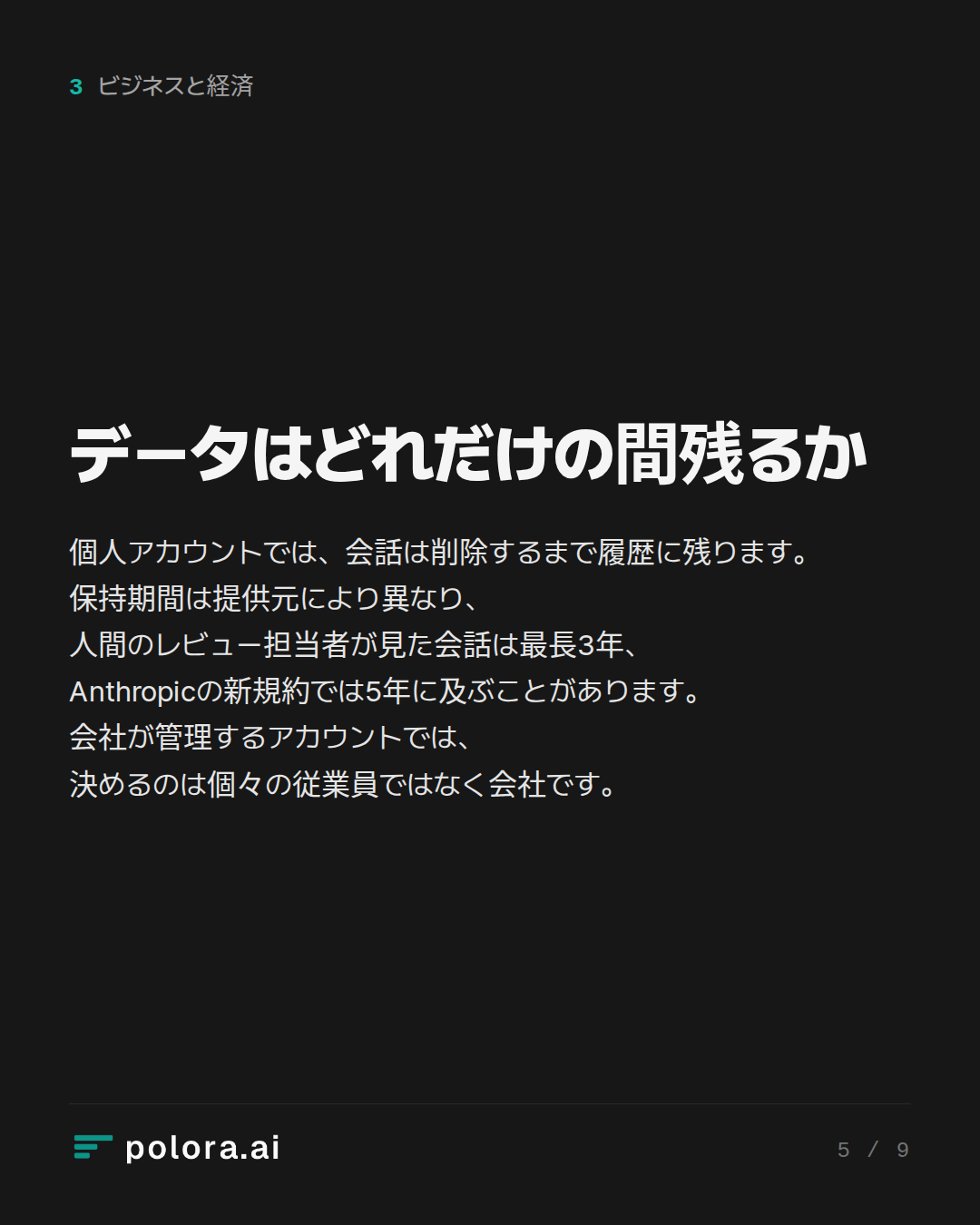
- Retention is typically tied to your account and can persist even after deletion for some backend period (often 30 days minimum for abuse/safety review, sometimes longer).
- No contractual protection. These are consumer terms of service — click-through agreements, not negotiated contracts. There's no Business Associate Agreement, no data processing addendum, no liability structure.
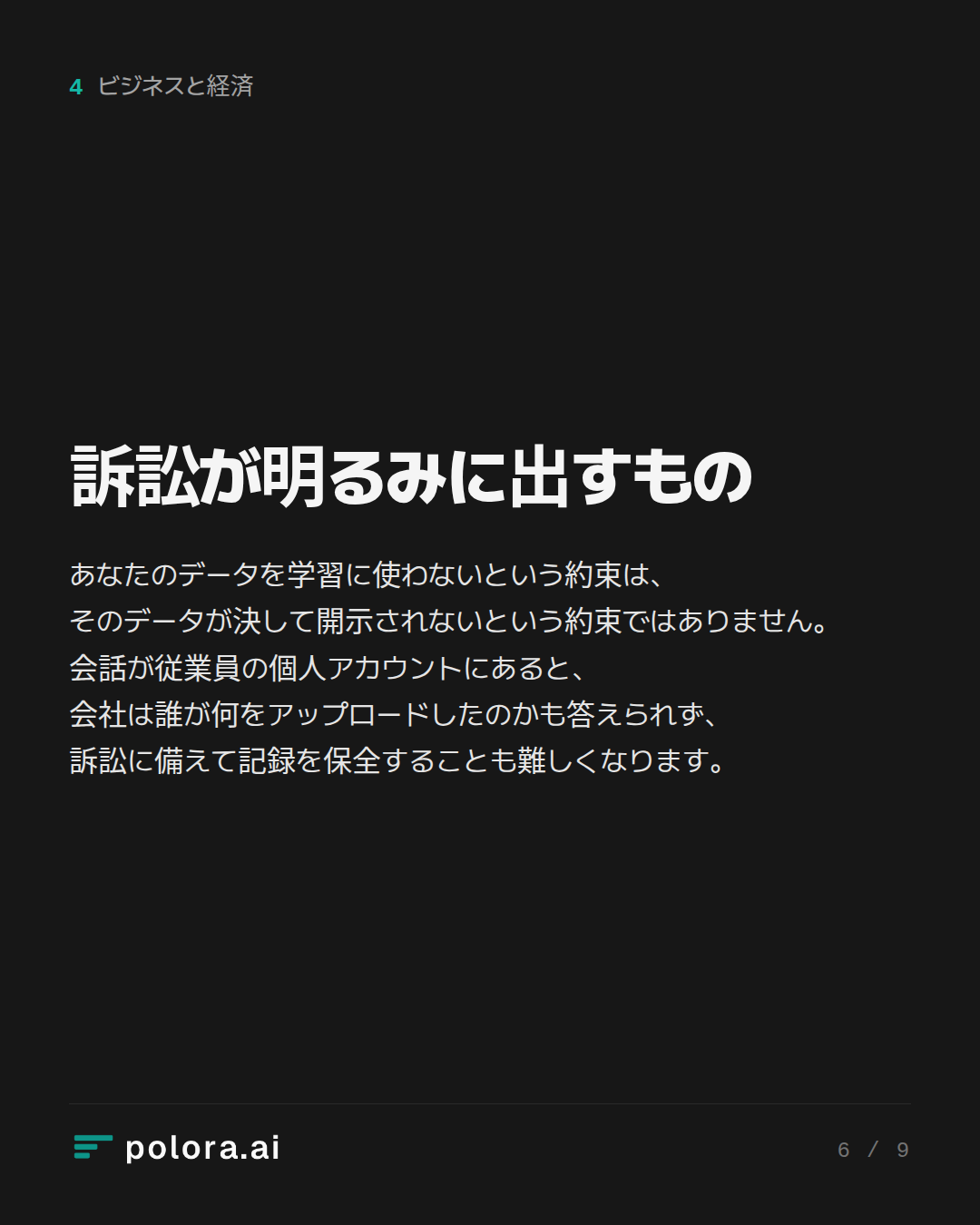
- Discovery exposure: consumer accounts have essentially no defined legal hold, litigation hold, or discovery-response process. If you're sued and opposing counse…
IT Operations and Security Administrator · deepseek-v4-pro
I’m an IT/security admin, not a lawyer — so here’s the operational read.
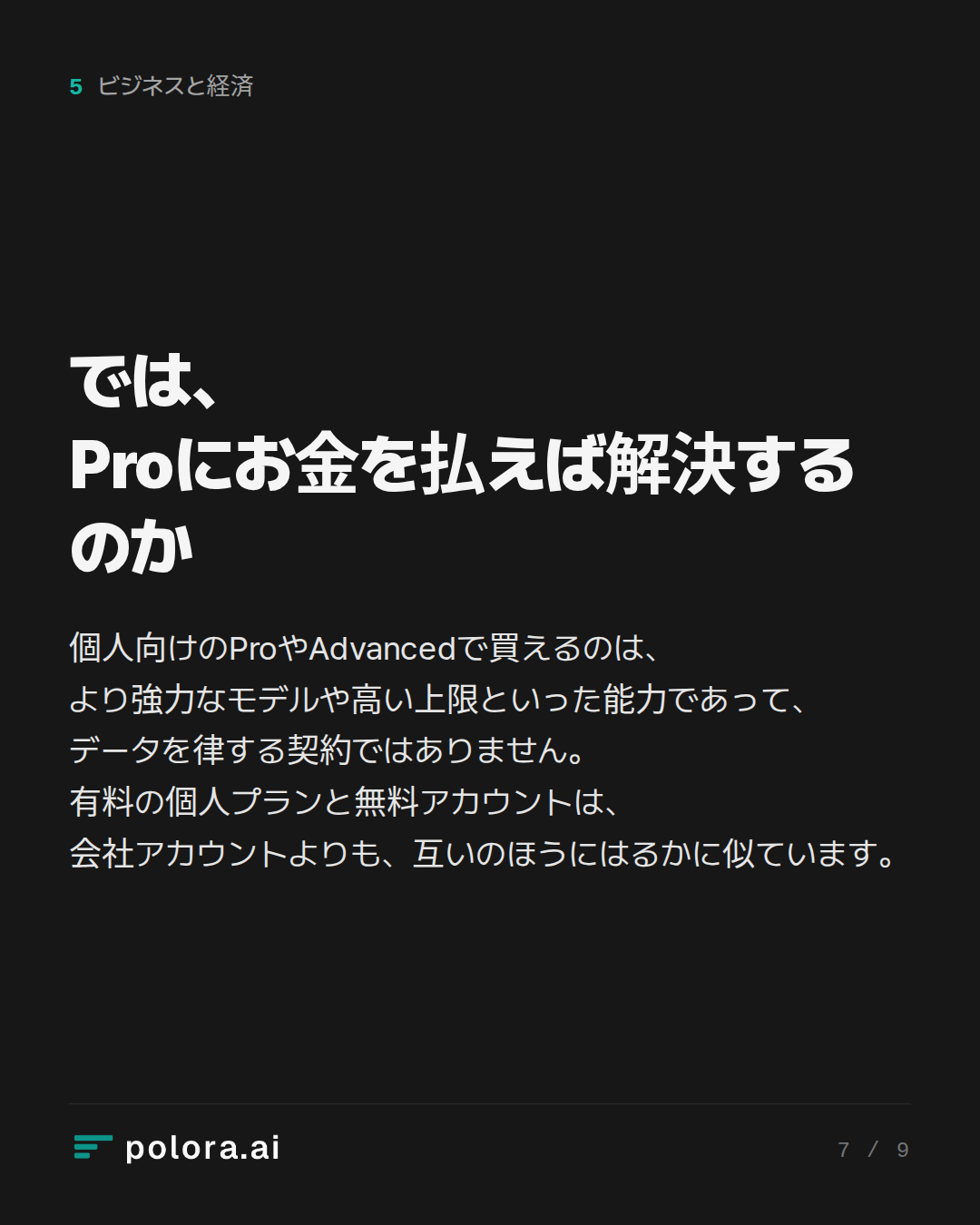
Short answer: none of the consumer plans — free or the paid “Pro/Max/Advanced” ones — are safe for customer data or internal documents. The business/enterprise tiers are materially safer, but only if you actually configure and enforce them. Paying for Pro mostly buys better models and higher limits, not corporate data protection.
The three points that actually matter
1. Is your input used to train the model?
Consumer plans:
- ChatGPT free/Plus/Pro — training is on by default. OpenAI says it may use your content to improve models unless the user turns off “Improve the model for everyone” in settings. That is a personal opt-out, not a company control.
- Gemini consumer apps — Google uses consumer Gemini conversations to improve and train its models. On a personal Google account, you should assume training/human review is in play unless you’ve specifically limited or turned off activity settings.
- Claude free/Pro/Max — this is the exception. Anthropic generally does not train on consumer content by default; training is opt-in. But that still doesn’t make it a corporate too…
Researcher · claude-sonnet-5
Fact-check: one important correction, everything else largely holds up
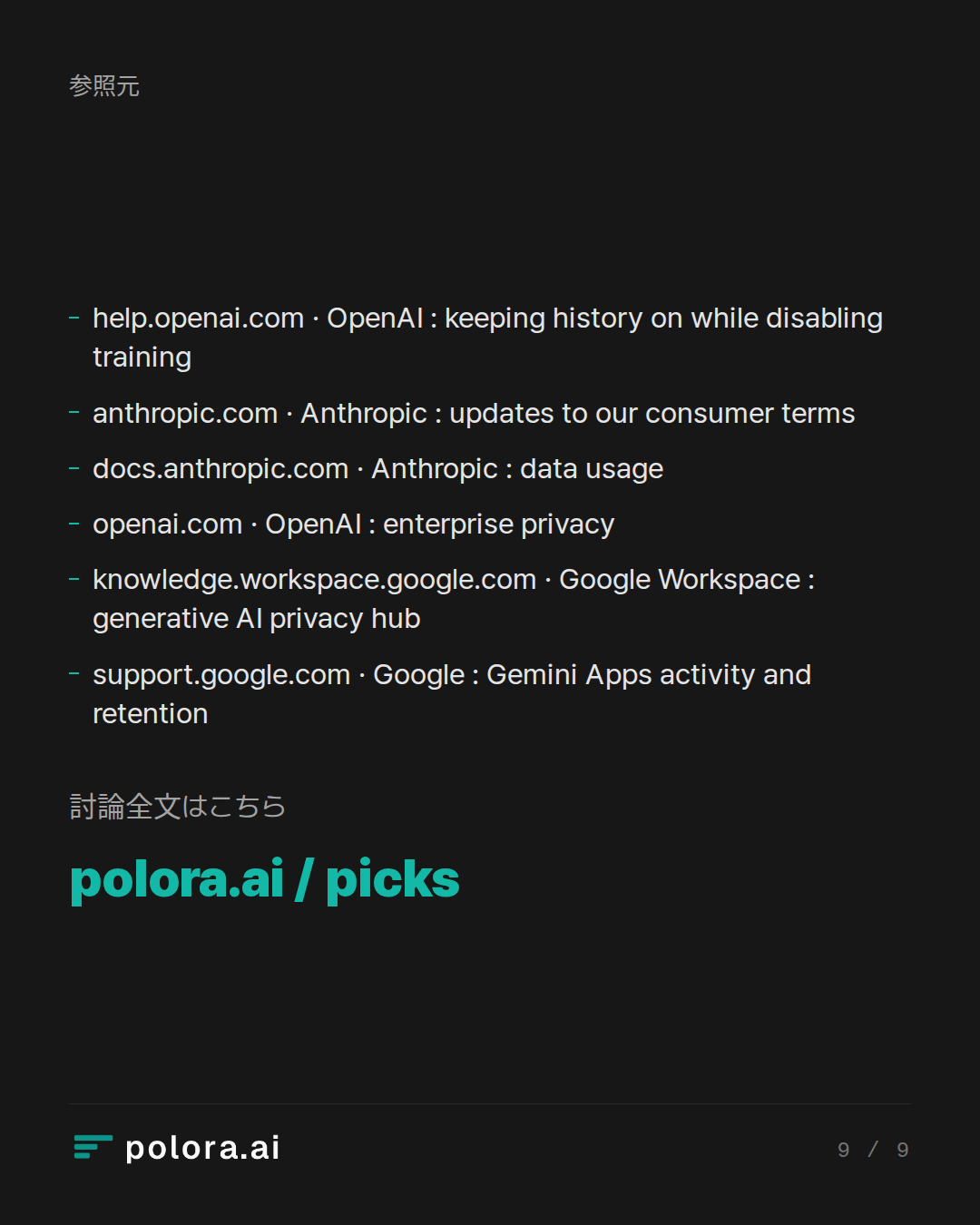
I ran three searches to verify the specifics both debaters used. The overall three-tier framework both of you laid out is directionally correct and well-matched to current published policy — but there's one significant factual error in the IT Admin's post that changes the picture for Claude specifically.
Correction: Claude is NOT currently the "training-off exception"
The IT Admin stated: *"Claude free/Pro/Max — this is the exception. Anthropic generally does not train on consumer content by default; training is opt-in."*
This was true historically but is no longer accurate. Anthropic changed this in a major policy shift:
- Effective September 2025, Anthropic's own documentation states: "Consumer users (Free, Pro, and Max plans): Starting August 28, 2025, we're giving you the choice to allow your data to be used to improve future Claude models. We will train new models using data from Free, Pro, and Max accounts when this setting is on."
- Critically, the setting defaults to ON, not off — a third-party review notes "The current policy frames consumer training as opt-out, the opt-out itsel…
The Arbiter · gpt-5.6-terra
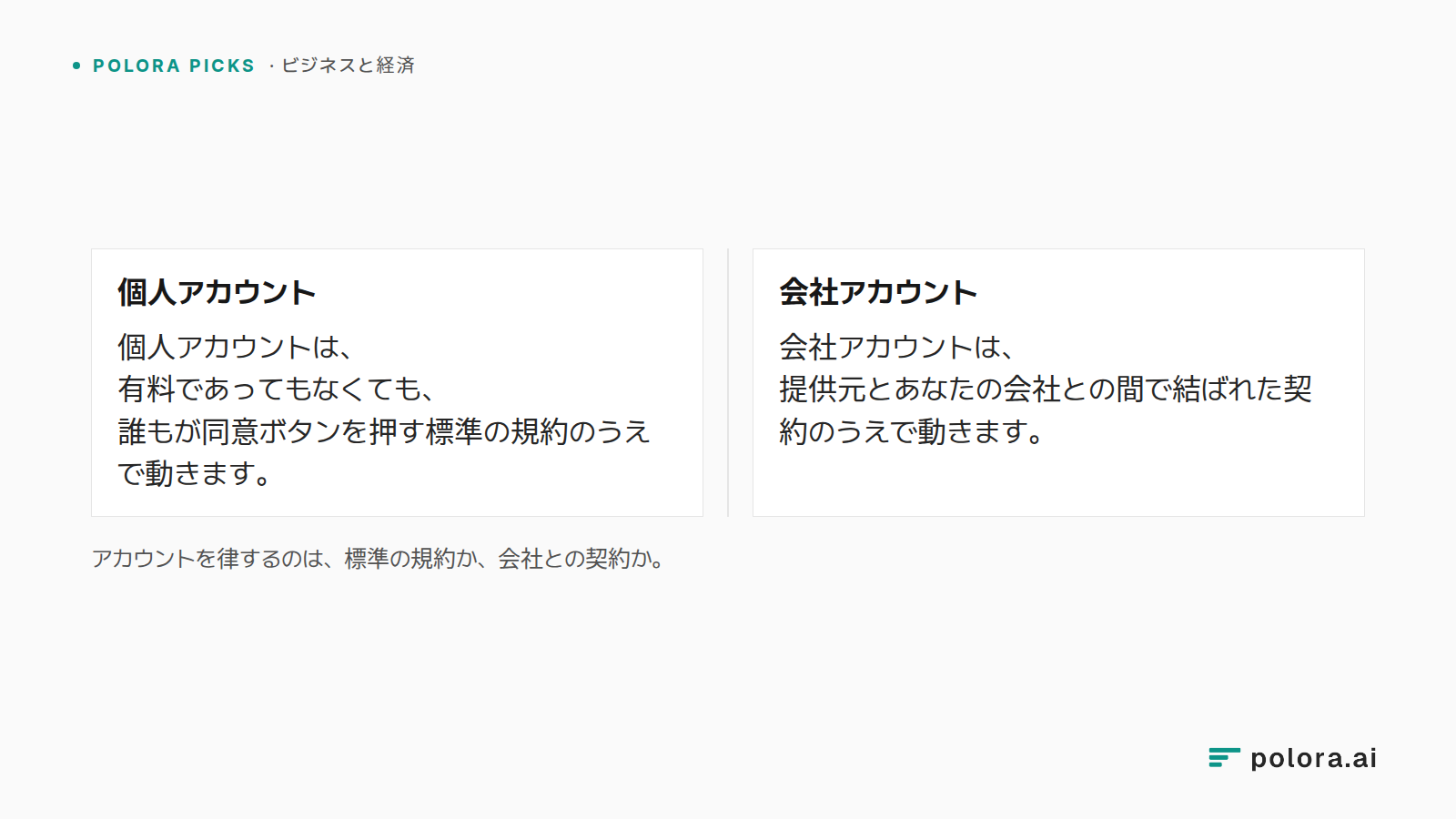
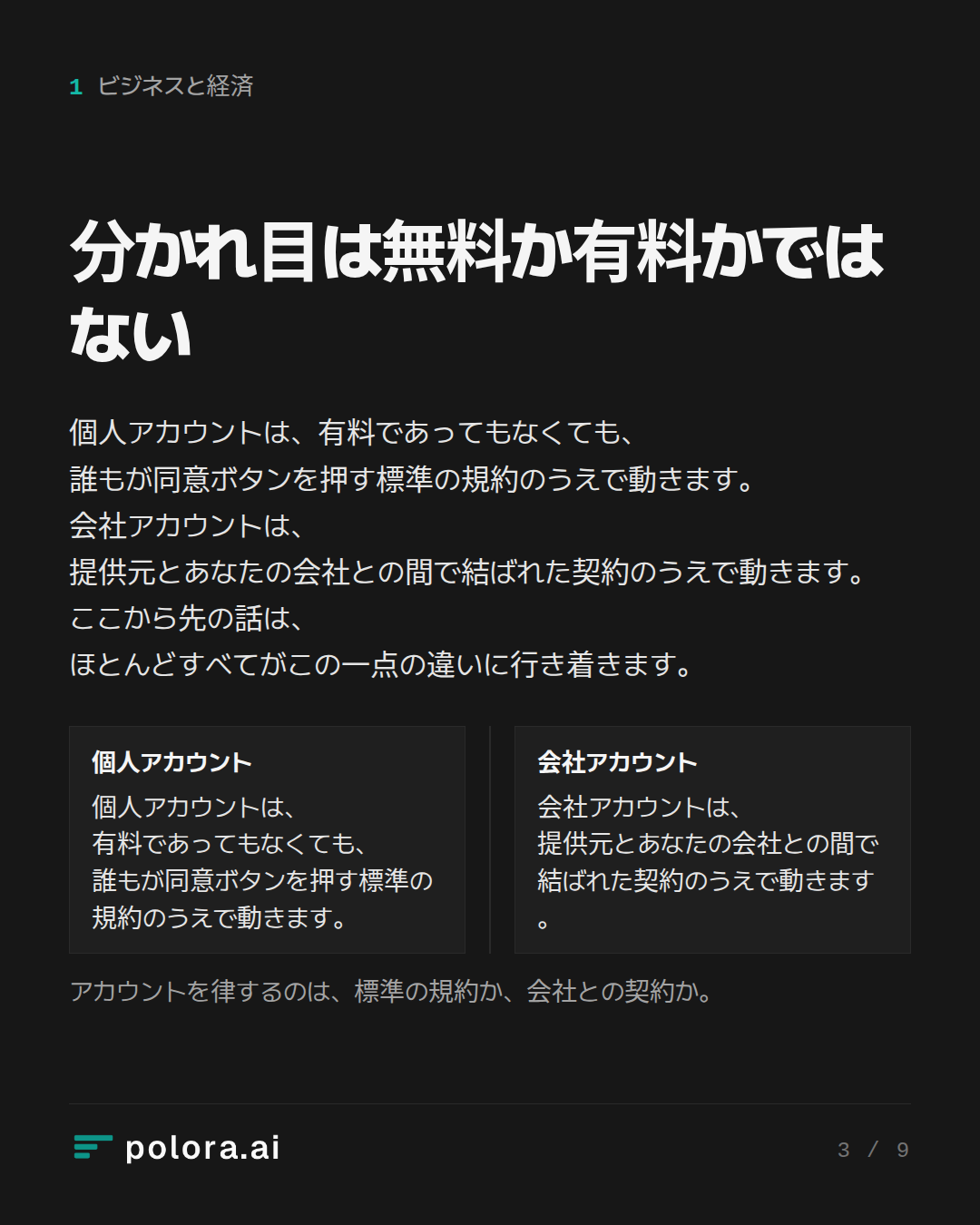
The useful line is not “free versus paid.” It is personal consumer account versus company-managed business/enterprise account under business terms.
One correction to carry into the final answer: Claude consumer plans should not be treated as a training-safe exception. Anthropic’s current consumer policy makes model-improvement sharing an opt-out choice, with the setting on by default for applicable new/resumed activity; opting in can also bring a much longer retention period. So, in practice, all three consumer services require a “do not enter confidential company data” rule, whether free or personally paid.
Two nuances are essential:
- “Not used for training” is not “cannot be disclosed.” Data held by any provider may still be subject to lawful subpoena, court order, regulatory request, or your own discovery obligations.
- Enterprise is risk reduction and governance, not a magic confidentiality cloak. It gives the company contractual terms, admin control, identity management, retention/deletion settings, and often audit/e-discovery capabilities. It does not cure an NDA breach, eliminate privilege-waiver risk, or make sensitive data appropriate to paste without a…
The Arbiter's Final Verdict · gpt-5.6-terra
Bottom line
For company data, the meaningful dividing line is not free versus paid. It is:
- Personal/consumer account — including paid personal plans such as ChatGPT Plus/Pro, Claude Pro/Max, and Gemini Advanced.
- Company-managed business or enterprise account — under business terms, with admin controls and usually a DPA or equivalent privacy commitments.
A personal Pro subscription generally buys better models, higher limits, and features. It does not turn a consumer account into a company-controlled, contract-protected workspace.
For a small company, the safe default is:
> Do not put customer data or confidential internal material into any consumer AI account, even a paid one.
> Use consumer AI only for public, synthetic, or genuinely de-identified information. Use real business data only in an approved company business/enterprise workspace.
The practical differences
| Question | Consumer free / personal-paid plans | Business / enterprise tiers |
|---|---|---|
| Can prompts be used to train models? | Often yes by default or unless each user opts out. This applies to current consumer offerings from OpenAI, Anthropic, and Google. | Providers…