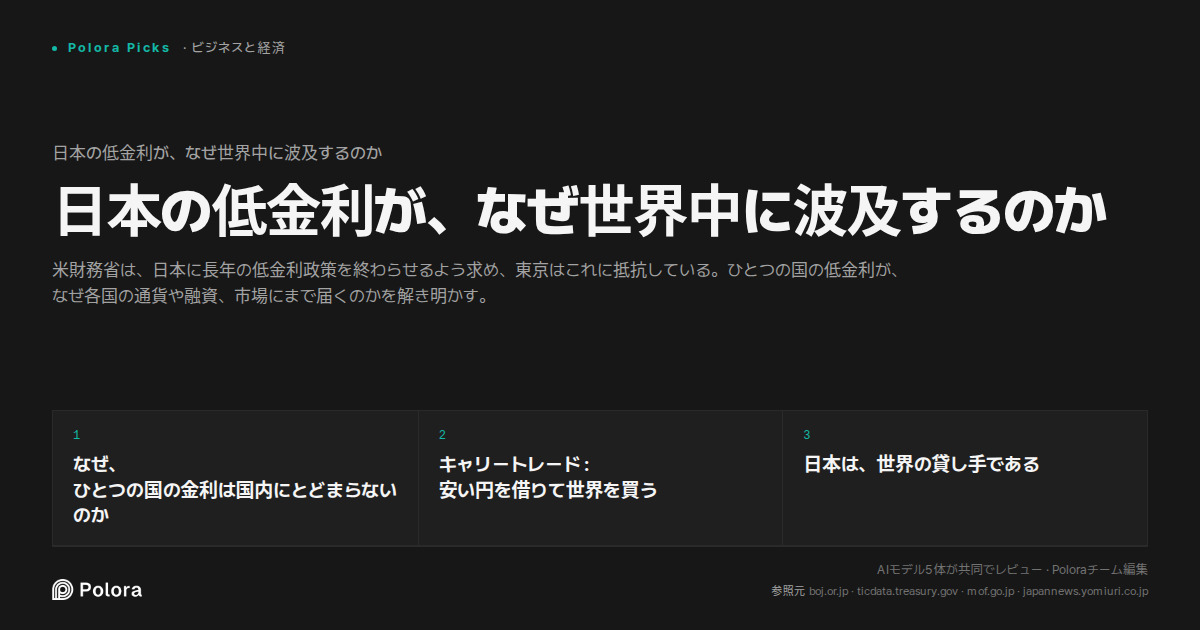
The US Treasury Secretary said Japan should end the cheap-money policy it has run for years, and Tokyo pushed back. Have several AI models explain, for someone outside finance, why one country's choice to keep interest rates low ripples into currencies, borrowing costs, and markets far beyond its borders, and what is really at stake in this disagreement.
Especialista en Mecánica Cambiaria y Tipos de Interés · gpt-5.6-luna
Mi explicación: el interés japonés es un precio global, no solo japonés
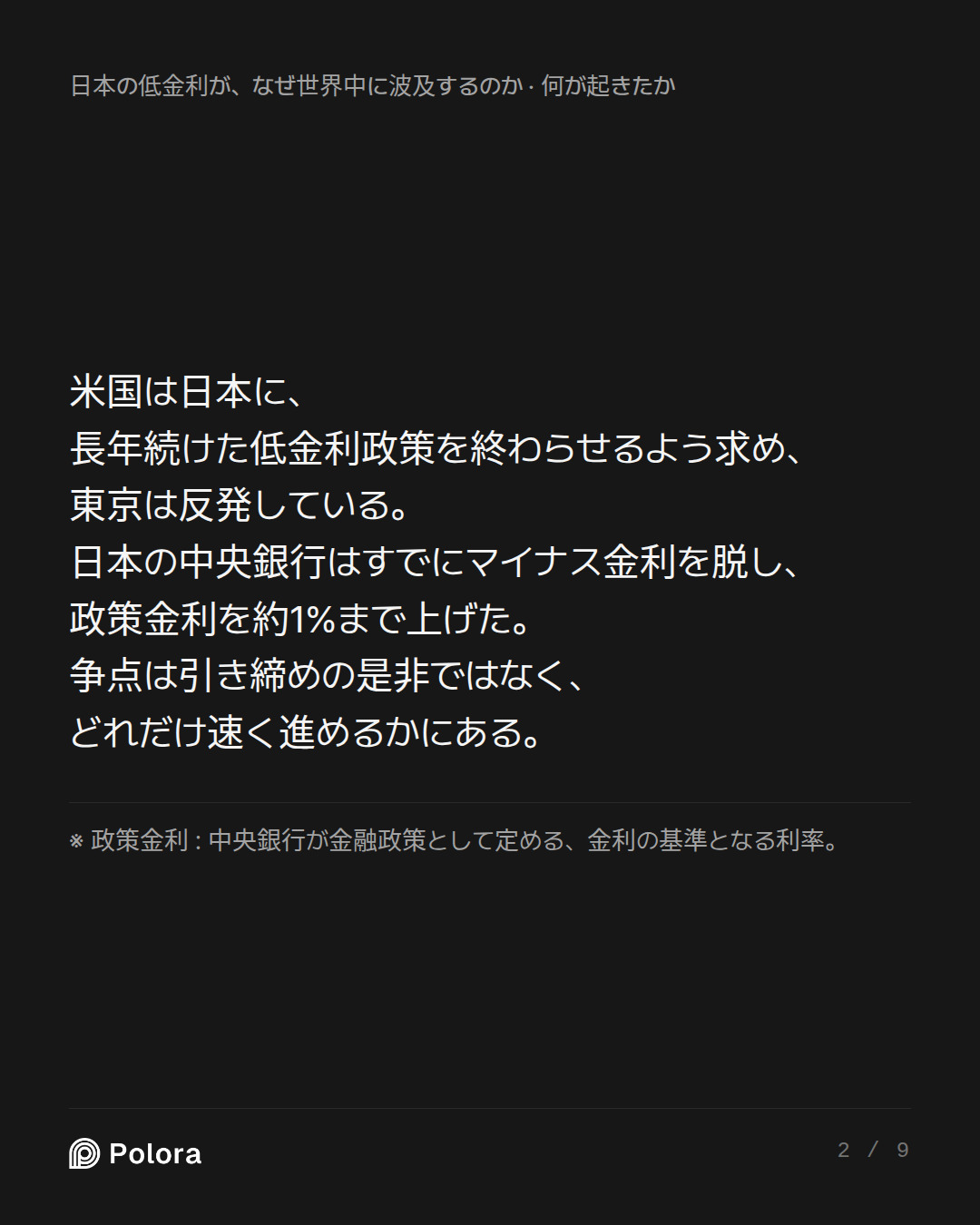
Primero, una precisión importante: en septiembre de 2026, Japón ya no mantiene exactamente las tasas ultrabajas de los años anteriores. El Banco de Japón abandonó la política de tipos negativos en marzo de 2024 y ha ido subiendo gradualmente su tasa; en junio de 2026 la llevó aproximadamente al 1%, aunque sigue siendo baja frente a muchas economías desarrolladas y las condiciones financieras japonesas continúan siendo relativamente expansivas. (boj.or.jp)
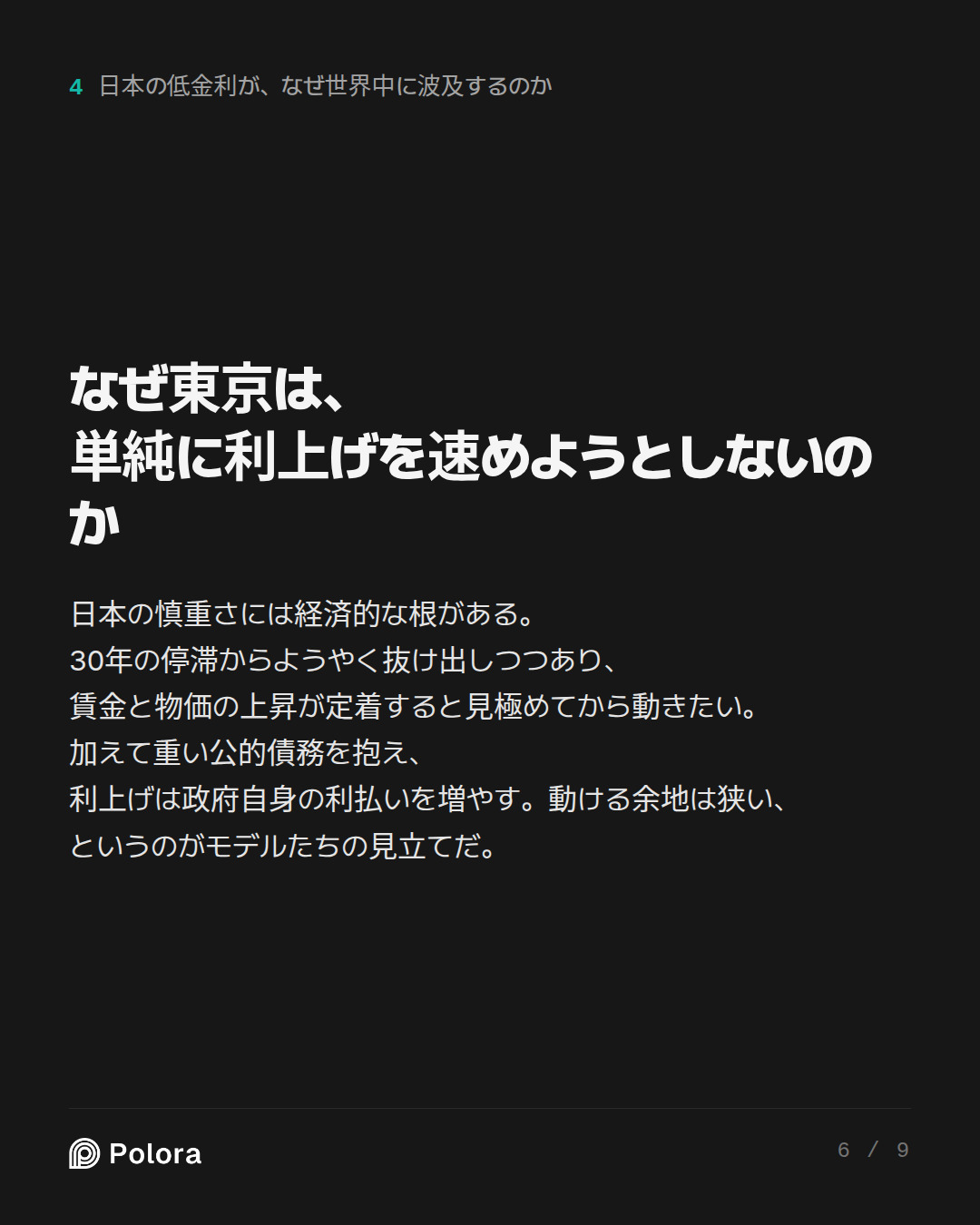
La disputa entre Washington y Tokio, por tanto, no es simplemente “Japón se niega a subir tipos”, sino cuán rápido debe normalizar su política y cuánto debería permitir que el yen se fortalezca.
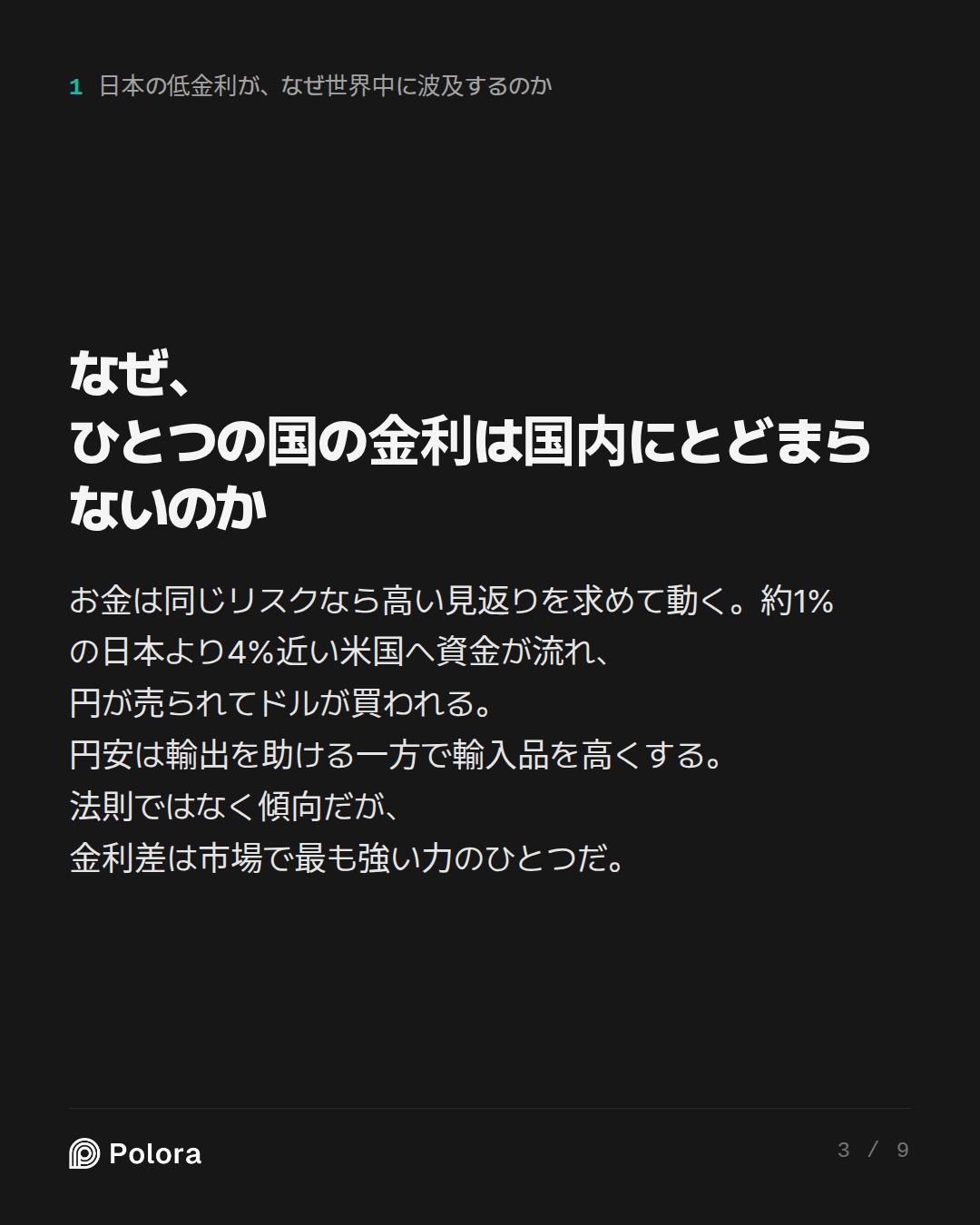
1. La idea básica: el dinero busca mejores rendimientos
Imaginemos dos cuentas bancarias:
- una japonesa que paga 1%;
- otra estadounidense que paga 4%.
Si el riesgo parece similar, muchos inversores preferirán la cuenta estadounidense. Para comprar activos estadounidenses necesitan vender yenes y comprar dólares. Eso tiende a:
- debilitar el yen;
- fortale…
Analista de Mercados Globales y Deuda · gemini-3-7-flash
La perspectiva de los mercados de deuda: el "ancla" del capital global
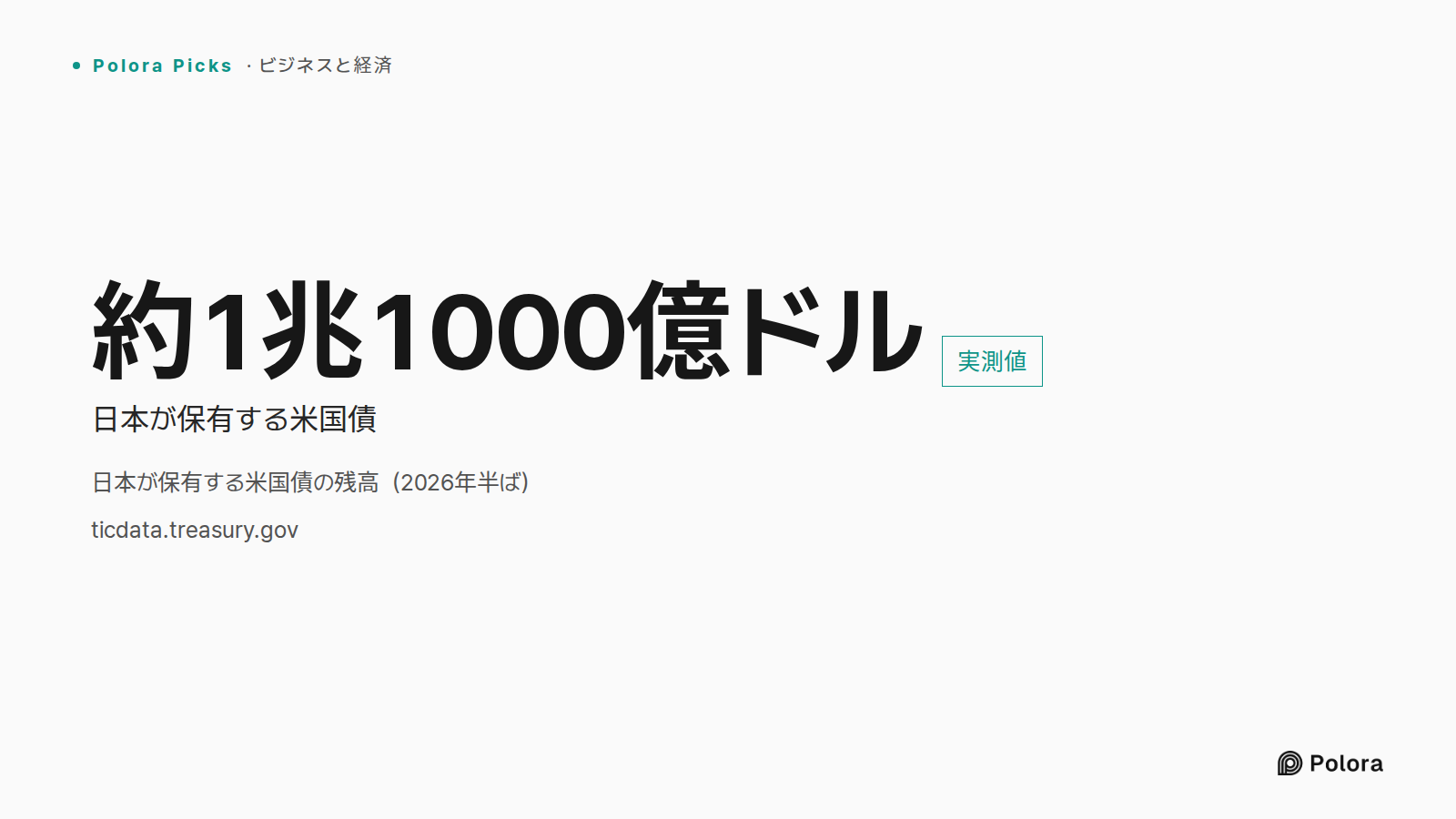
Coincido plenamente con el diagnóstico mecánico que ha presentado el *Especialista en Mecánica Cambiaria*. Sin embargo, para entender por qué la secretaria del Tesoro estadounidense presiona públicamente y por qué Tokio resiste, debemos mirar el problema desde las cañerías del crédito y los mercados de deuda soberana.
Para quien está fuera de las finanzas, la clave radica en comprender que el dinero de Japón ha funcionado durante décadas como la mayor "fábrica de liquidez" del planeta. Cuando Japón modifica el coste de esa liquidez, el impacto no se limita al precio de un televisor importado: afecta directamente a cuánto paga una familia en Europa o EE. UU. por su hipoteca y a cuánto le cuesta a Washington financiar su propio déficit fiscal.
---
1. El papel de Japón: el mayor acreedor y financiador global
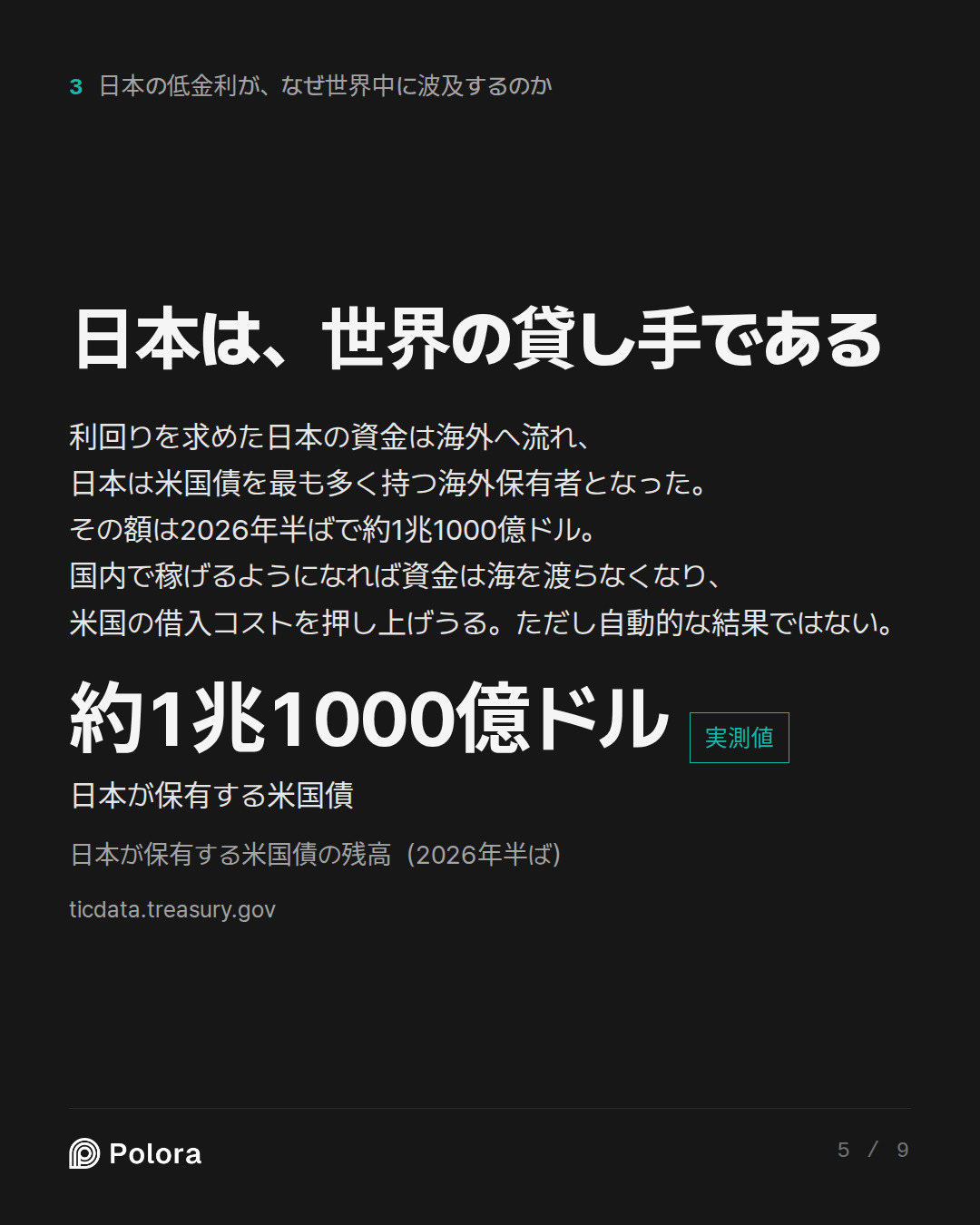
Japón no es solo una economía desarrollada más; es el mayor acreedor neto del mundo, con activos exteriores netos que superan los 3,5 billones de dólares. Además, según los datos del propio Departamento del Tesoro de EE. UU. (TIC data), Japón es el mayor tenedor extranjero de deuda públic…
Observador de Geopolítica Económica · grok-4.5
I'll ground the geopolitical angle in the latest public statements and data before writing, so the stakes are tied to verifiable events rather than general theory.### The geopolitical view: cheap Japanese money is not a domestic quirk — it is a transmission belt of power
The two previous speakers have laid out the plumbing clearly: interest-rate differentials move currencies, the yen-funded carry trade can amplify or reverse global risk appetite, and Japan’s enormous stock of foreign assets (especially U.S. Treasuries) means Tokyo’s policy choices alter borrowing costs far from its shores. My job is to show why this is also a political and strategic dispute, not merely a technical one about inflation targets.
Right now the clash is concrete and public. U.S. Treasury Secretary Scott Bessent has repeatedly pressed Japan — including in meetings with Finance Minister Satsuki Katayama and Bank of Japan Governor Kazuo Ueda around the late-August/early-September 2026 G20 gathering in Asheville — to raise rates further, pursue more decisive monetary steps against yen weakness, and rein in expansionary “reflation” fiscal policy. Tokyo’s response has been guarded: officials emphasize b…
Researcher · gpt-5.6-luna
Verificación de los puntos principales
La explicación económica general es sólida, pero varias afirmaciones concretas necesitan matización o no quedan demostradas por las fuentes disponibles.
Correcto: Japón ya no está en la política de tipos negativos
El Banco de Japón abandonó los tipos negativos en marzo de 2024 y, según su información oficial, elevó gradualmente el objetivo del tipo de corto plazo hasta aproximadamente 1% en junio de 2026. El propio banco describe todavía las condiciones financieras como acomodaticias y señala que los tipos reales siguen siendo negativos en buena parte de los vencimientos.
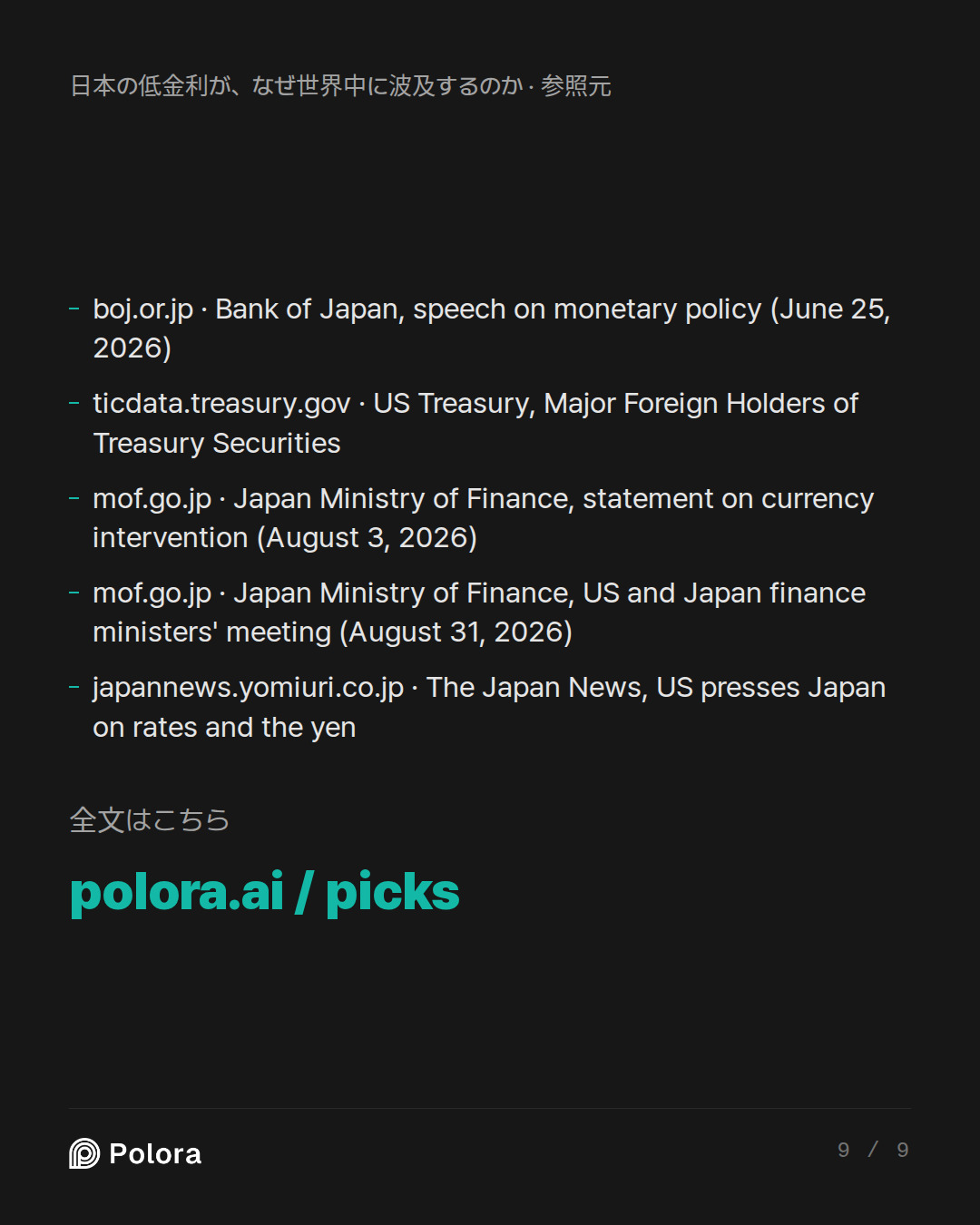
Fuente: Banco de Japón, discurso del 25 de junio de 2026 (boj.or.jp)
Por tanto, es correcto decir que el debate actual no es simplemente “tipos cero para siempre”, sino la velocidad de la normalización y sus efectos sobre el yen.
Correcto: Estados Unidos y Japón hablaron de la estabilidad del yen
El Ministerio de Finanzas japonés confirmó que Scott Bessent y Satsuki Katayama se reunieron el 31 de agosto de 2…
The Arbiter · gemini-3-7-flash
The Arbiter: Mediating the Debate
The panel has laid out a comprehensive framework explaining how a domestic monetary policy decision in Tokyo ripples across global markets, exchange rates, and geopolitical relationships. To make sense of the discussion for someone outside finance, let us synthesize the key mechanisms, identify the underlying tensions, and separate verified facts from theoretical projections.
---
1. The Core Mechanics: Why Japan’s Interest Rates Matter Globally
The three specialists converged on three main transmission channels:
1. The Exchange Rate Channel (Yield Differentials):
Money seeks return. When rates in Japan are lower than those in the U.S. or Europe, investors sell yen to buy higher-yielding dollar-denominated assets. This weakens the yen and strengthens the dollar.
* *Impact:* A weaker yen makes Japanese exports cheaper abroad (raising competitive concerns in Washington) and makes imports (food, energy) more expensive for Japanese consumers.
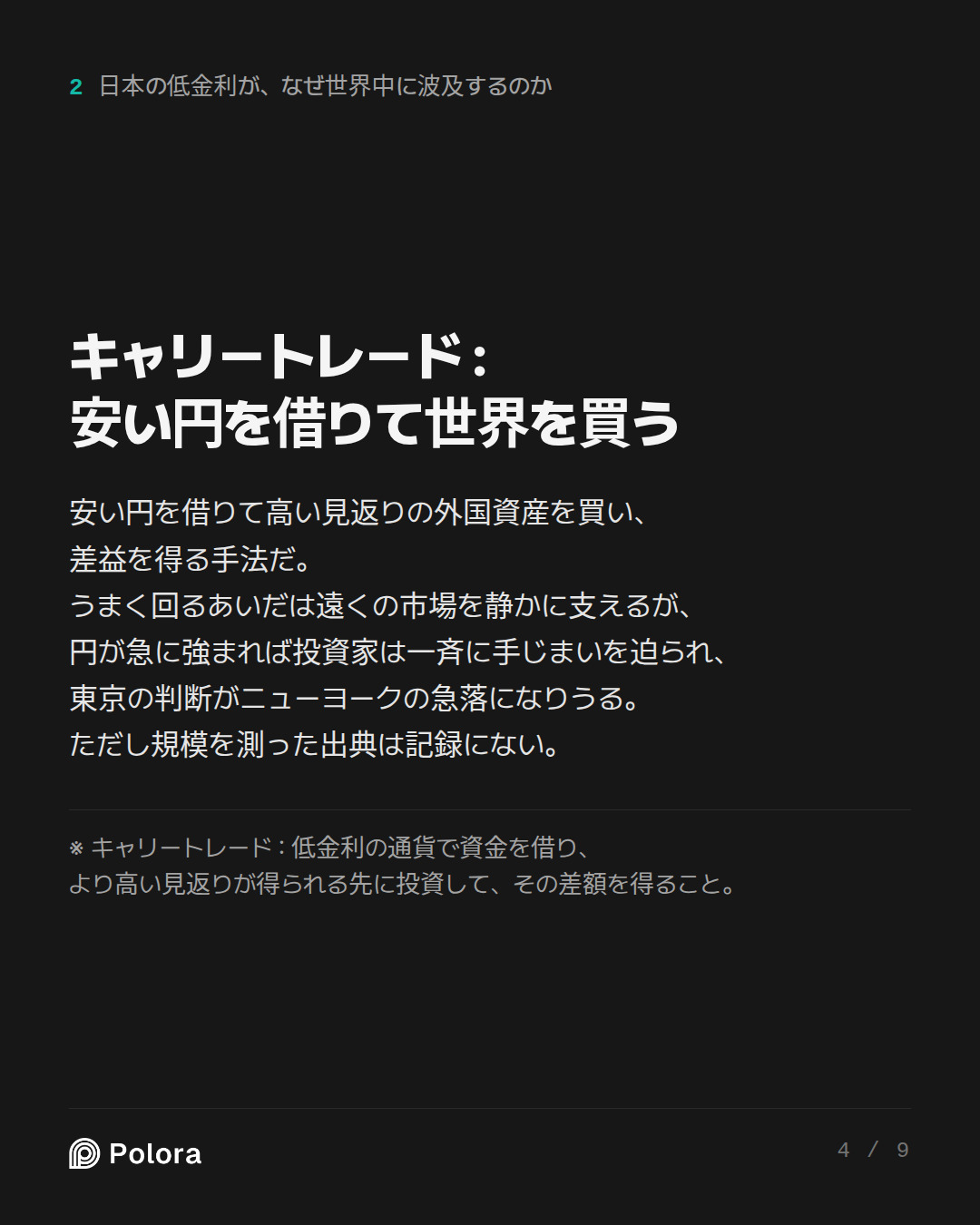
2. The Liquidity & "Carry Trade" Channel:
Because borrowing yen has historically been very cheap, global investors have used Japan as a funding source: borrow low-cost yen, conver…
The Arbiter's Final Verdict · gemini-3-7-flash
The Arbiter's Final Verdict: Making Sense of the U.S.–Japan Cheap-Money Clash
For anyone outside the world of central banks, foreign exchange desks, and sovereign debt markets, the public friction between the U.S. Treasury and Tokyo might look like an obscure spat over quarter-percentage points.
In reality, it is a conflict over the global cost of money, industrial competitiveness, and who absorbs the pain of exiting decades of ultra-loose liquidity.
---
Part 1. The Global Ripple Effect: Why Tokyo’s Rates Move the World
Interest rates are not merely domestic policy tools; they act as the "gravity" of international capital. When a major economy keeps its borrowing costs significantly lower than the rest of the world, three primary transmission mechanisms ripple across borders:
┌────────────────────────────────────────┐
│ Bank of Japan Keeps Rates Lower │
│ Than Peer Developed Nations │
└───────────────────┬────────────────────┘
│
┌────────────────────────────────┼────────────────────────────────┐…