Where does the bottle deposit go when nobody returns the bottle?
Alpha · deepseek-v4-pro
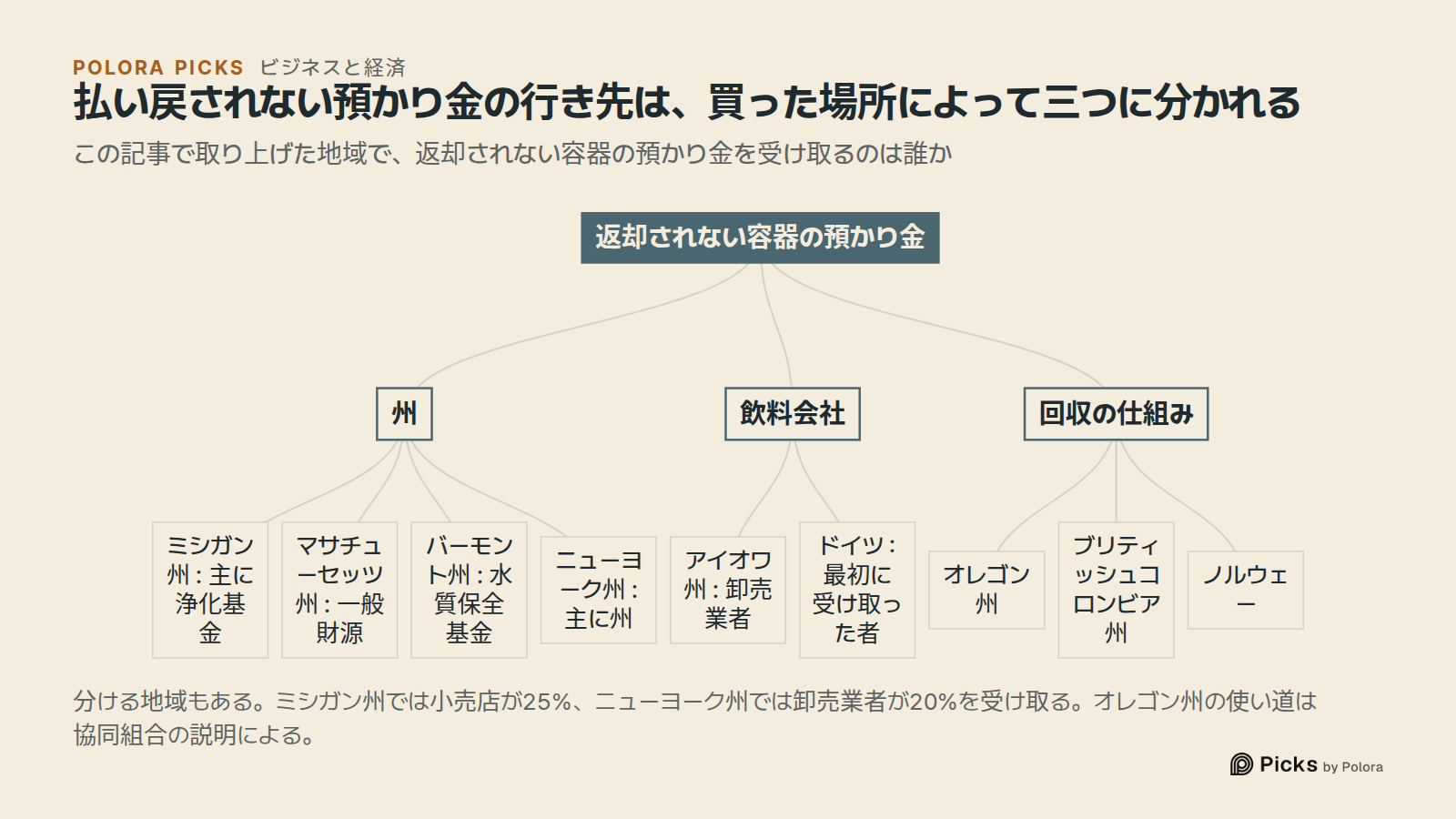
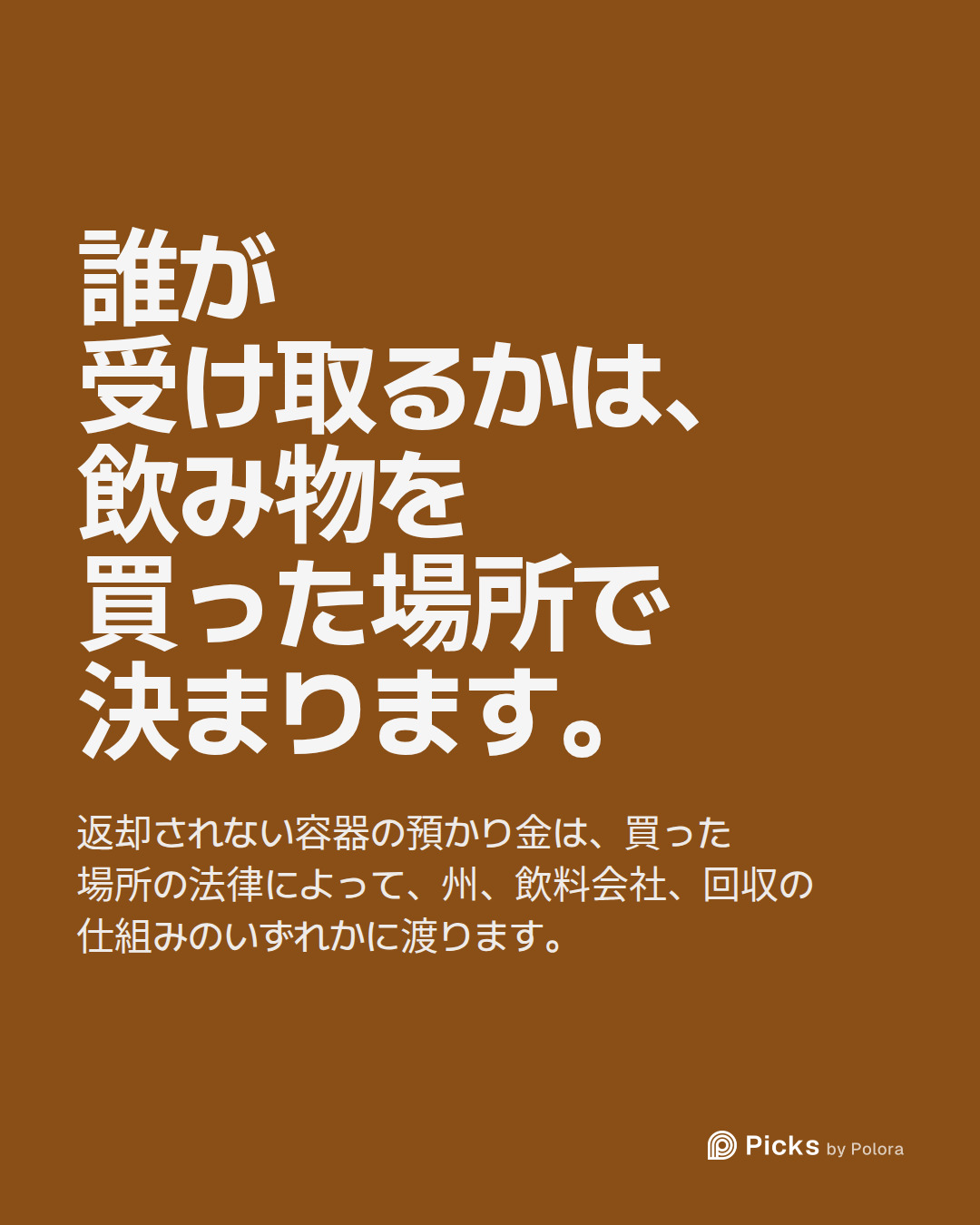
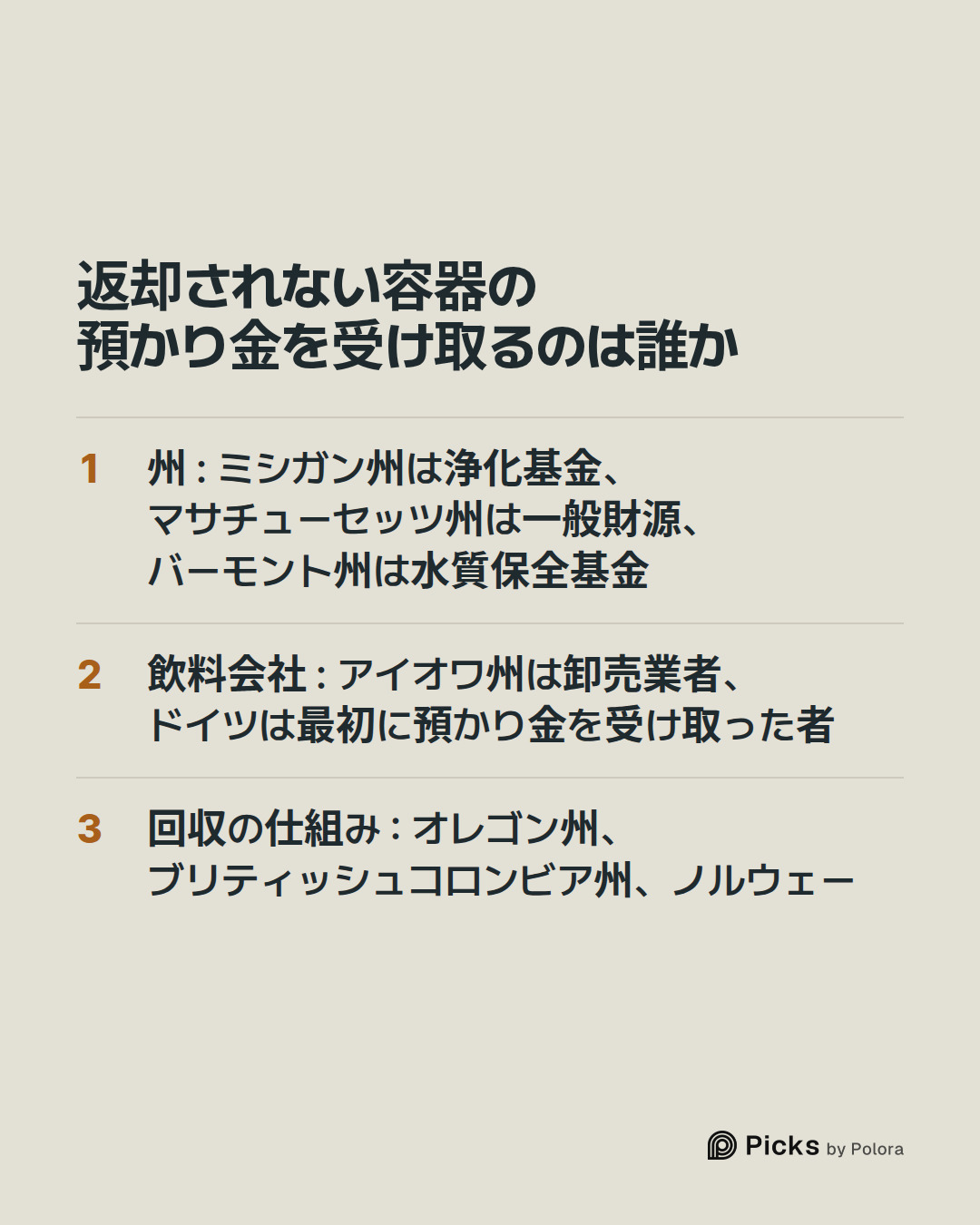
The short answer: it doesn't vanish — it gets routed to whoever the law of the place where you bought the drink says it goes. Across the major deposit systems, those destinations fall into three broad groups.
1. To the state.
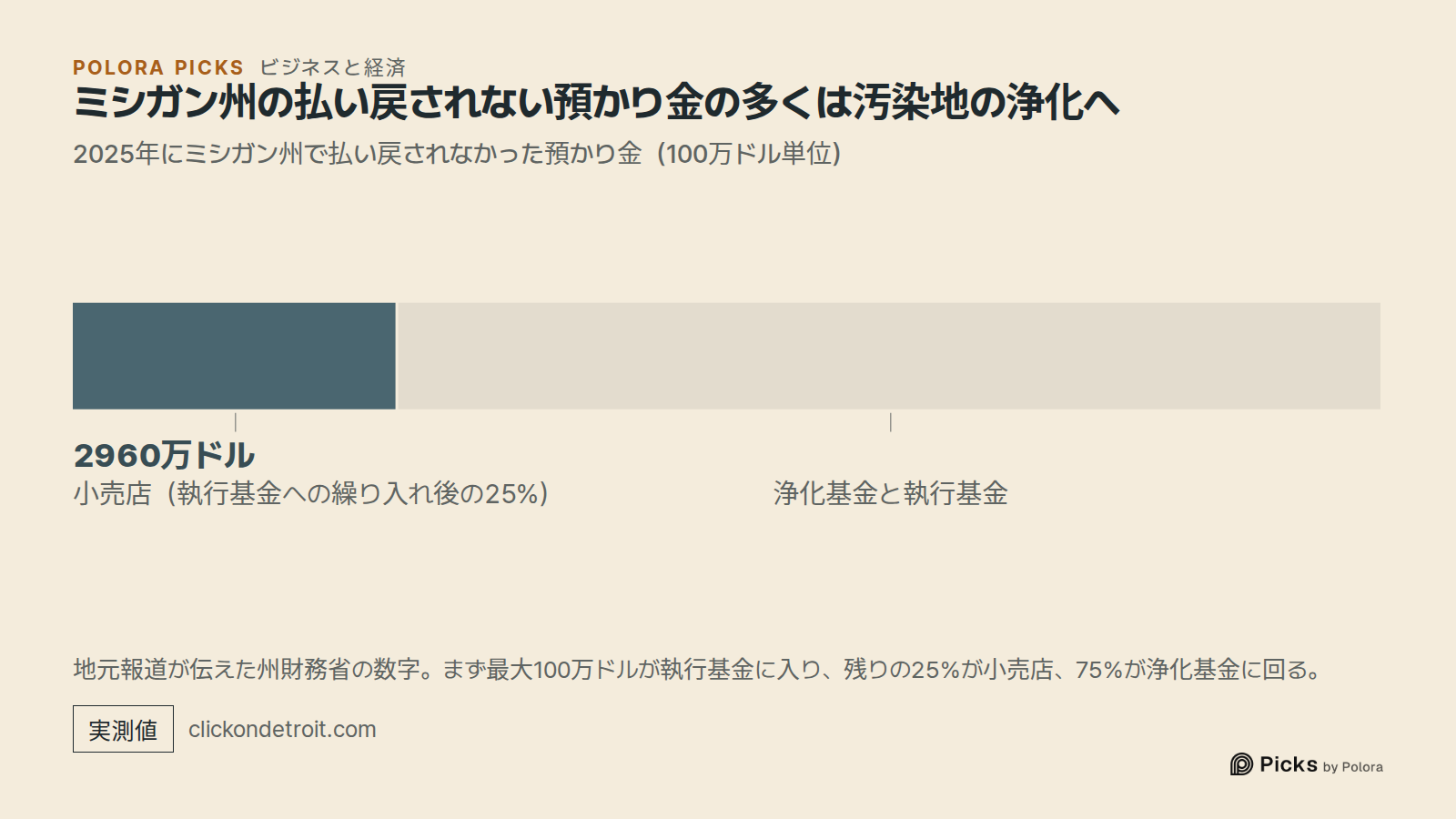
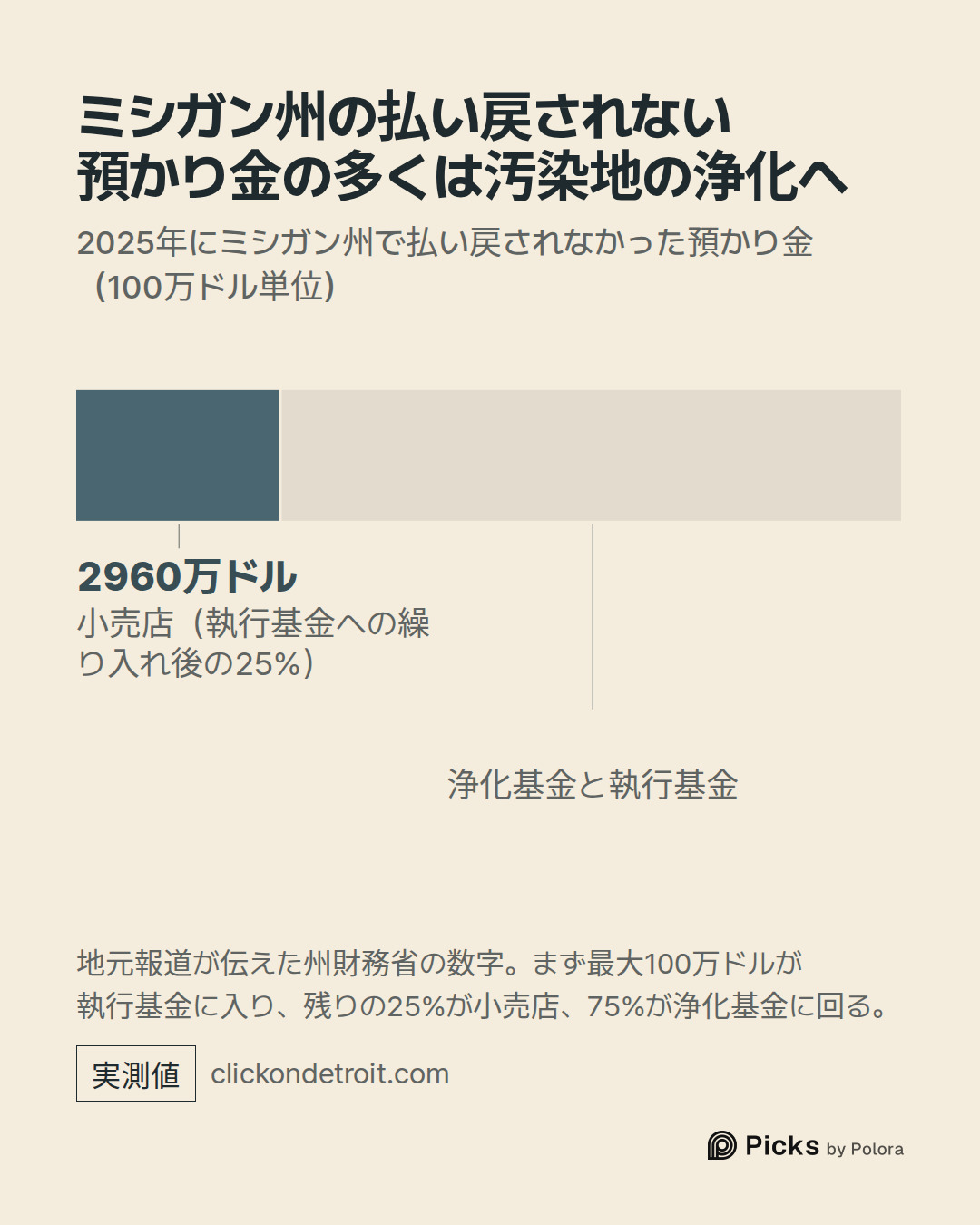
- Michigan sends the first $1 million of unclaimed deposits to State Police enforcement of the bottle law. Of the rest, about 25% goes to retailers — $29.6 million in 2025 — and the remainder goes to the state's Cleanup and Redevelopment Trust Fund for environmental cleanup. In 2025, the unclaimed amount was about $119.2 million.
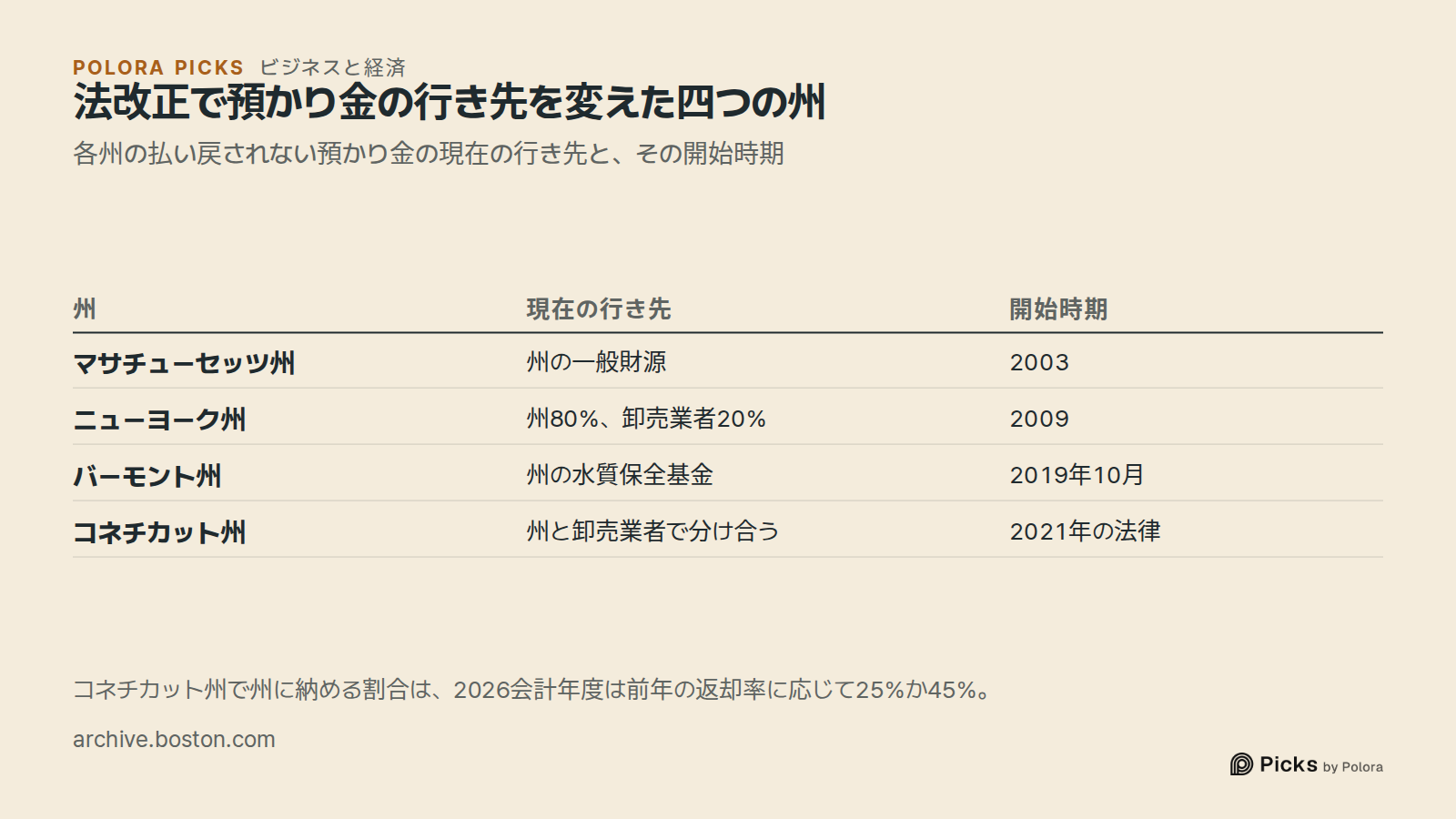
- Massachusetts has sent unclaimed deposits to the state since 1989; since 2003 they go into the general fund.
- New York changed the rule in 2009: distributors keep 20%, the state gets 80%. Of the state's share, the first $23 million goes to the Environmental Protection Fund and most of the rest to the general fund.
- Vermont has sent unclaimed deposits to the state's Clean Water Fund since October 2019.
2. To the beverage companies or distributors.
- Iowa, under its 2022 rewrite effective 2023, lets distributors keep unclaimed deposits, with no requirement to track the amount.
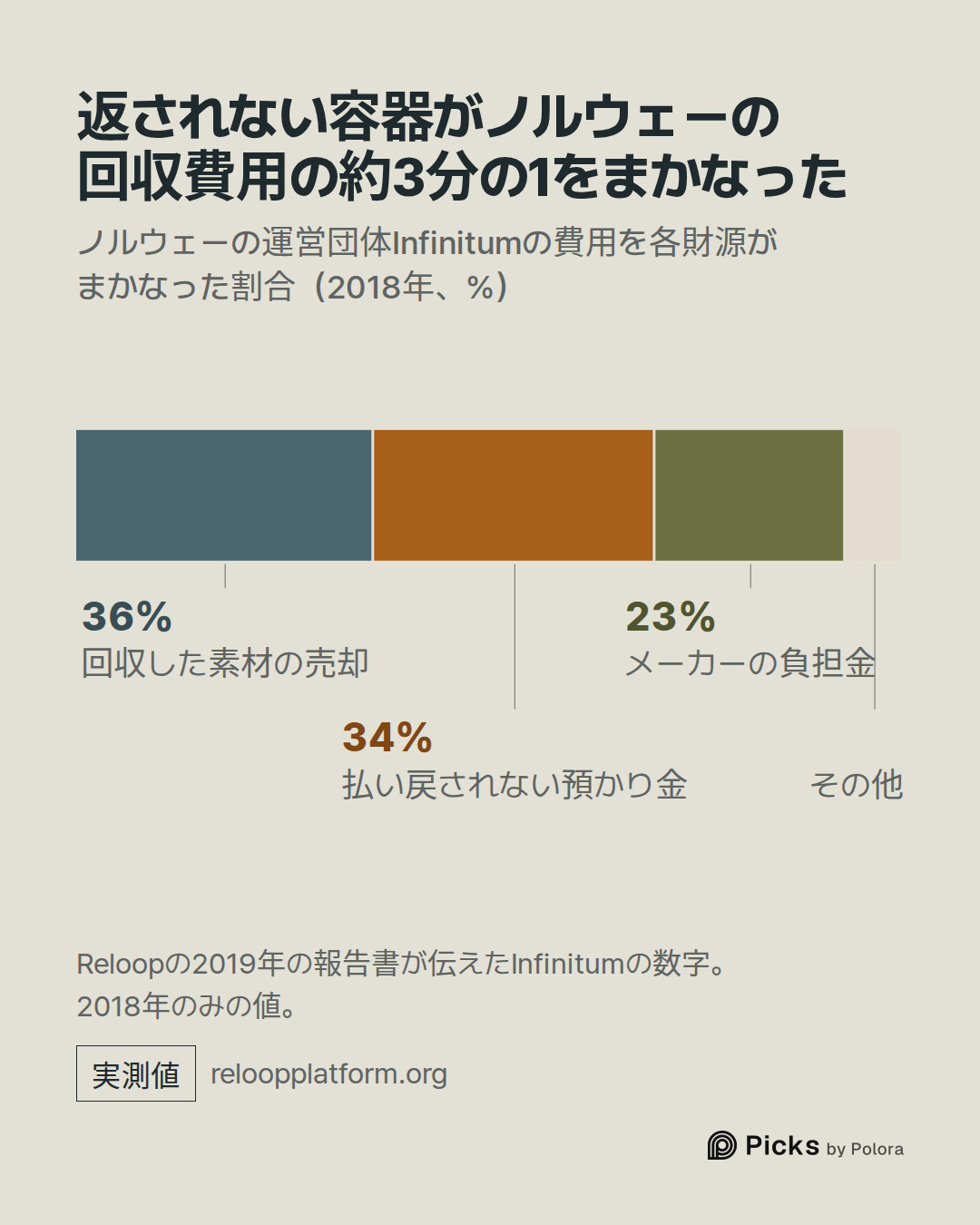
- Germany works the…
Beta · gpt-6-sol
Alpha’s central answer is right: an unreturned deposit does not have one universal destination. But I would not publish all of the manuscript’s examples without qualifications.
- Michigan: The statutory route is a bottle-deposit fund, then an enforcement allocation, with the remainder split 75% to the Cleanup and Redevelopment Trust Fund and 25% to dealers. The “first $1 million to enforcement” rule has an important exception: transfers are suspended when the enforcement fund’s balance exceeds $3 million, until it falls below $2 million. I could not independently confirm the manuscript’s 2025 dollar totals from Treasury data this turn. Source: Michigan Senate Fiscal Agency analysis. (legislature.mi.gov)
- Iowa: The 2026 code expressly makes refund value *remaining with a distributor after required payments* the distributor’s property. It separately requires a three-cent handling payment for each container accepted from a participating dealer or re…
Gamma · gemini-3.1-pro
I agree with Beta that the manuscript’s core premise stands—unreturned deposits do not vanish, but are routed differently depending on the jurisdiction—and that the specific tracking of an individual bottle's ten cents is an accounting abstraction, not a physical reality.
To supplement what Alpha and Beta have established, I ran live searches to verify several of the editor's specific requests regarding recent data and historical timelines:
1. Michigan’s 2025 Figures
I can confirm the manuscript’s numbers for Michigan. Recent reporting from late 2026, citing the Michigan Department of Treasury, confirms that the state's return rate dropped to 69.4% in 2025. This left exactly $119.2 million in unclaimed deposits.
*Source: Noticias Ambientales reporting on Michigan Treasury data (October 2026).*
2. Massachusetts General Fund
The manuscript's timeline for Massachusetts is accurate. The state's first escheat law for container deposits was passed in 1989. While funds initially went to a Clean Environment Fund, state audits and legislative reports confirm that since 2003, these unclaimed deposits have been transferred to the state's General Fund.
*Source: Massachusetts Offi…
Researcher · gpt-6-luna
Research check
The broad premise holds: an unredeemed deposit is routed according to the law and accounting rules of the place where the container was sold. But several specific claims need qualification, and some of the most vivid examples are not established by the sources retrieved.
- Michigan: Michigan’s statute is the relevant primary source, but I could not verify the manuscript’s 2025 totals or its specific allocation of unclaimed deposits from the statutory text retrieved. So the figures—$119.2 million unclaimed and $29.6 million to retailers—remain unconfirmed here. Don’t present them as independently verified on this check. Michigan Compiled Laws, chapter 445
- Iowa: The code says that refund value or handling fees remaining with a distributor after required payments are the distributor’s property. That supports the basic claim about where a remaining balance goes, but it does not by itself show that no official tracking exists. A separate Iowa administrative rule requires distributors to keep and report deposit and redemption records; whether that yields an official statewide unclai…
The Arbiter · gpt-6-sol
Round mediation — what remains to test before the verdict
The voices agree on the basic distinction: the rules differ by jurisdiction, and an *aggregate balance* of unredeemed deposits can be allocated without anyone tracing a particular bottle’s ten cents to a particular expense. They also agree that a deposit and a return-site handling payment are different things.
The clearest supported example is Michigan’s allocation rule. I checked the current statute: it directs the first $1 million to a bottle-law enforcement fund, then splits the remainder 75% to the Cleanup and Redevelopment Trust Fund and 25% to dealers according to containers handled. The enforcement transfer is suspended if that fund’s balance exceeds $3 million, until it falls below $2 million. That qualification is missing from the manuscript. The statutory source is MCL § 445.573c; it does not, by itself, establish the manuscript’s 2025 dollar figures. (legislature.mi.gov)
The most consequential unresolved claims are:
- Michigan’s 2025 totals: Gamma r…
The Arbiter's Final Verdict · gpt-6-sol
Verdict
An unreturned bottle deposit has no universal destination. The governing law and the return system’s accounting rules decide whether the unredeemed balance goes to a public fund, remains with a distributor, or helps finance the return system. That central premise of the manuscript stands. What does not follow is that anyone can trace one particular bottle’s ten cents to one particular cleanup job or truck.
For publication, I would separate the well-supported routes from the examples that still need checking:
| Manuscript claim | Finding |
|---|---|
| Michigan’s allocation | Supported, with a missing exception. MCL § 445.573c provides for an enforcement transfer, then a 75% cleanup-fund / 25% dealer split. The enforcement transfer is suspended when that fund exceeds $3 million, until it falls below $2 million. The statute does not establish the manuscript’s 2025 totals; those remain figures attributed to Treasury in news coverage, not independently verified here. The displayed rounded amounts, $389.7 million and $270.4 million, subtract to $119.3 million, so the reported $119.2 million s…