How accurate is the calorie count on a food label?
Alpha · claude-sonnet-5
Good — this gives me enough to speak as Alpha. Here is my contribution.
On the core regulatory claims: largely confirmed, with one correction worth flagging.
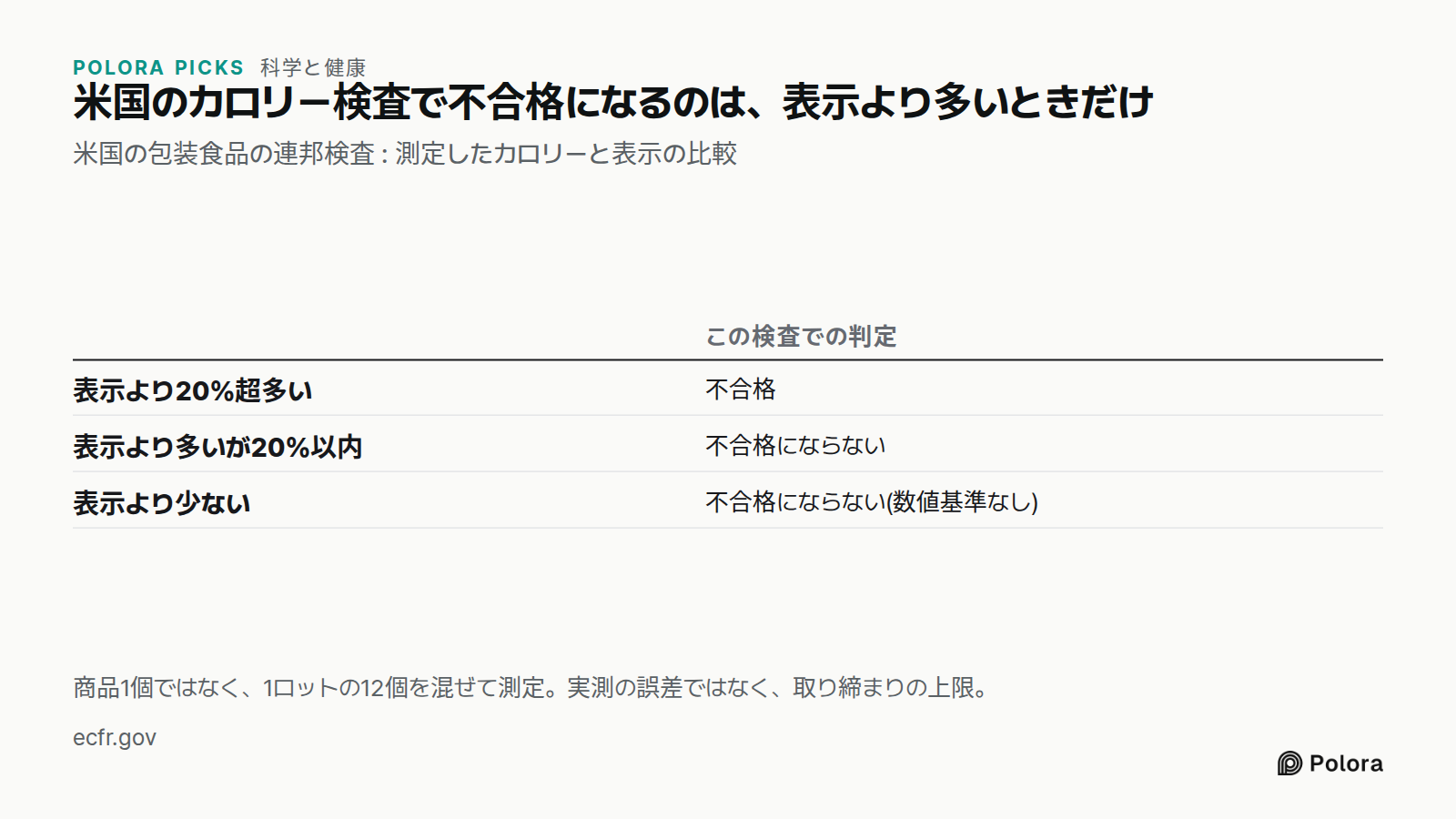
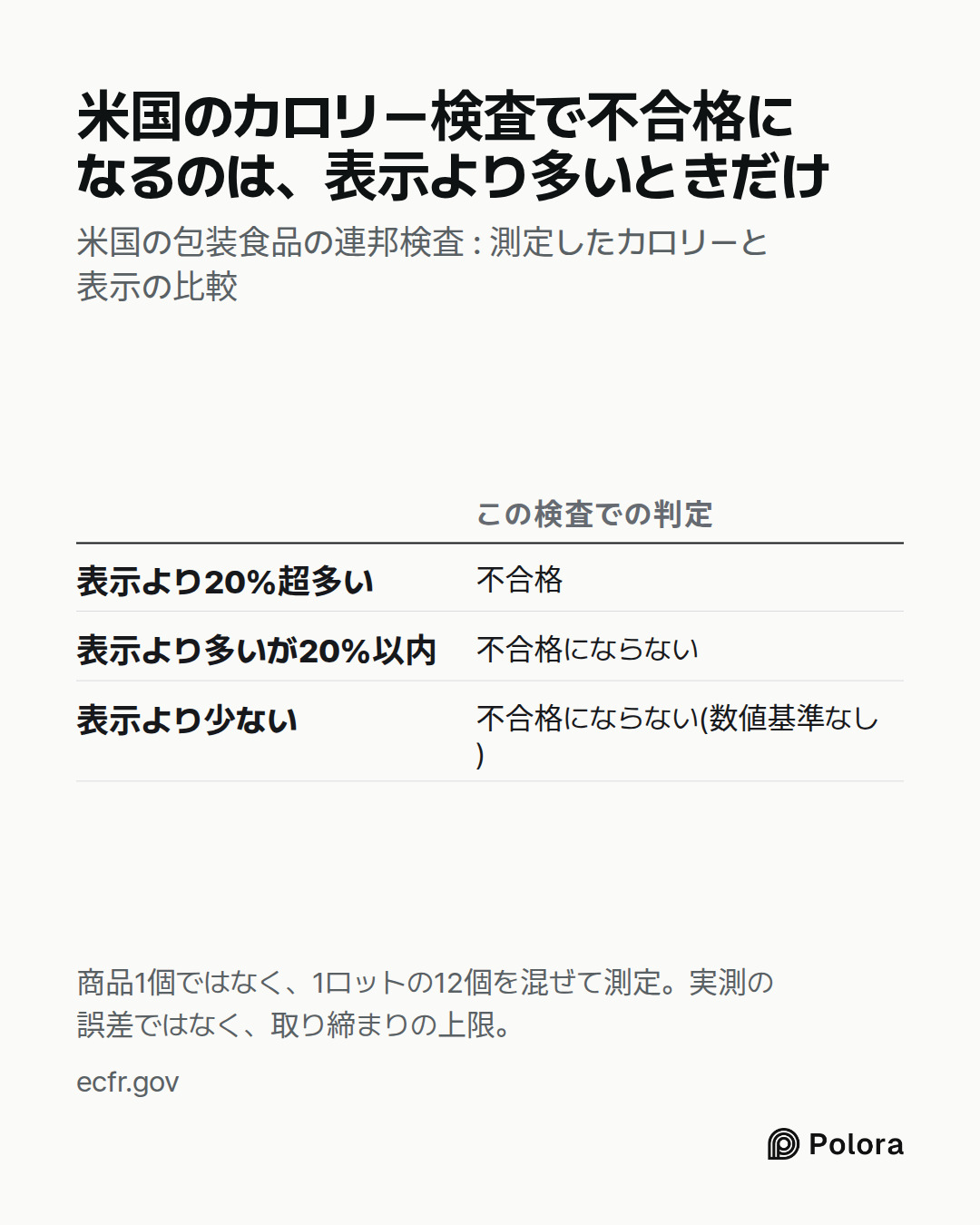
The manuscript's central legal claim checks out. 21 CFR 101.9(g)(5) states that a food with a label declaration of calories will be deemed misbranded if the nutrient content of the composite is greater than 20 percent in excess of the value declared on the label. A compliance-guide source corroborates this reading in plainer terms: under 21 C.F.R. § 101.9(g)(5), Class I nutrients — which include calories — may not exceed the declared label value by more than 20 percent. So the manuscript's "20 percent too little and still legal" framing is directionally right: the rule caps overstatement of calories, not understatement.
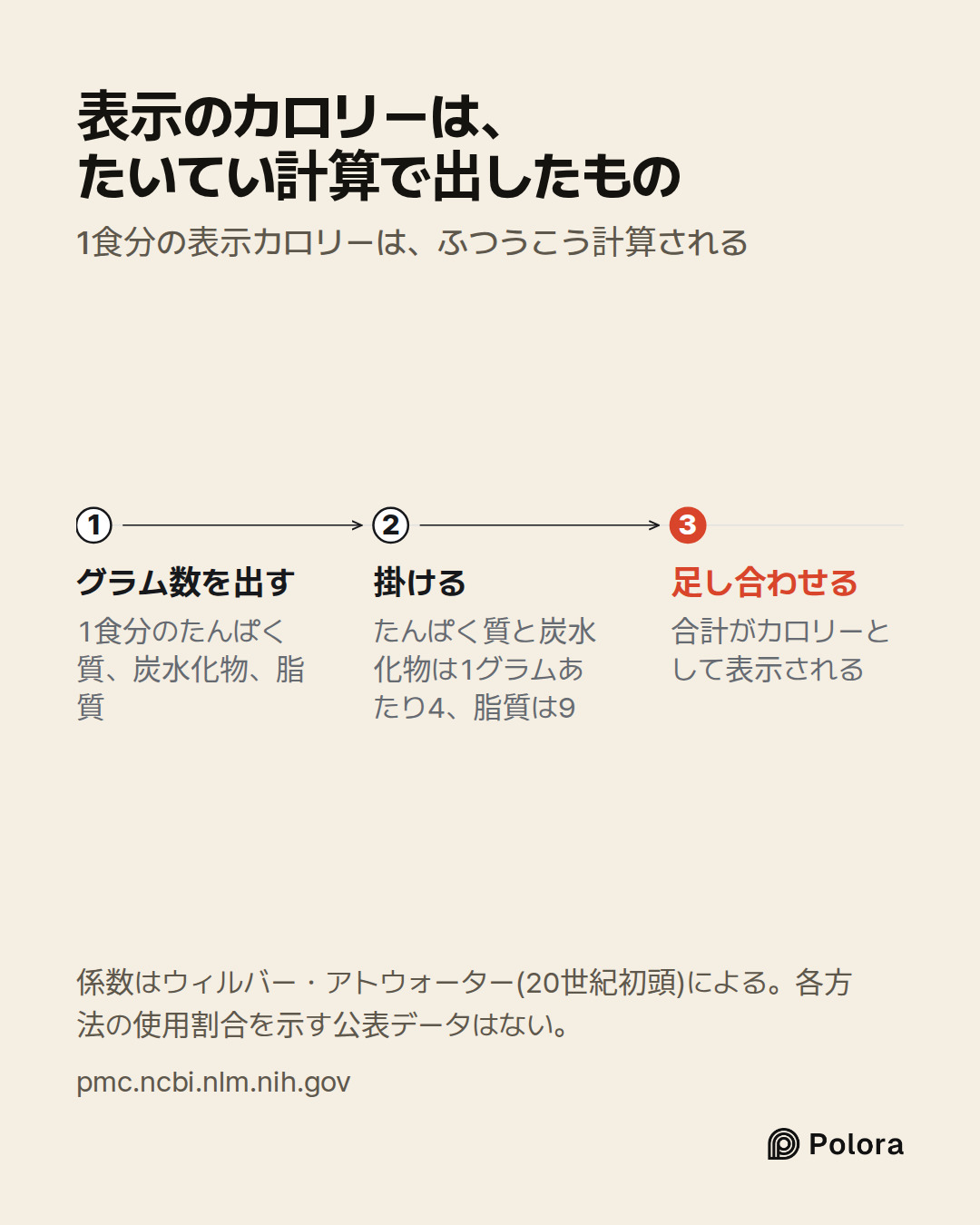
One nuance the manuscript doesn't quite capture: the five calculation methods listed in the regulation aren't a flat list of equals — the sources I found describe calculation by the Atwater general factors, by general factors minus a correction for fiber, by specific factors, by data for specific food factors, or by bomb calorimetry after adjustment for loss of nitrogen through urea, with the most common…
Beta · gpt-6-sol
My verdict: the premise stands, but the manuscript makes the U.S. rule sound more absolute than it is. A food-label calorie count is an estimate of energy, not a measurement of what a particular person obtains from a particular serving. The evidence does *not* establish that labels generally miss by 20%.
Here is what I could check against the underlying sources:
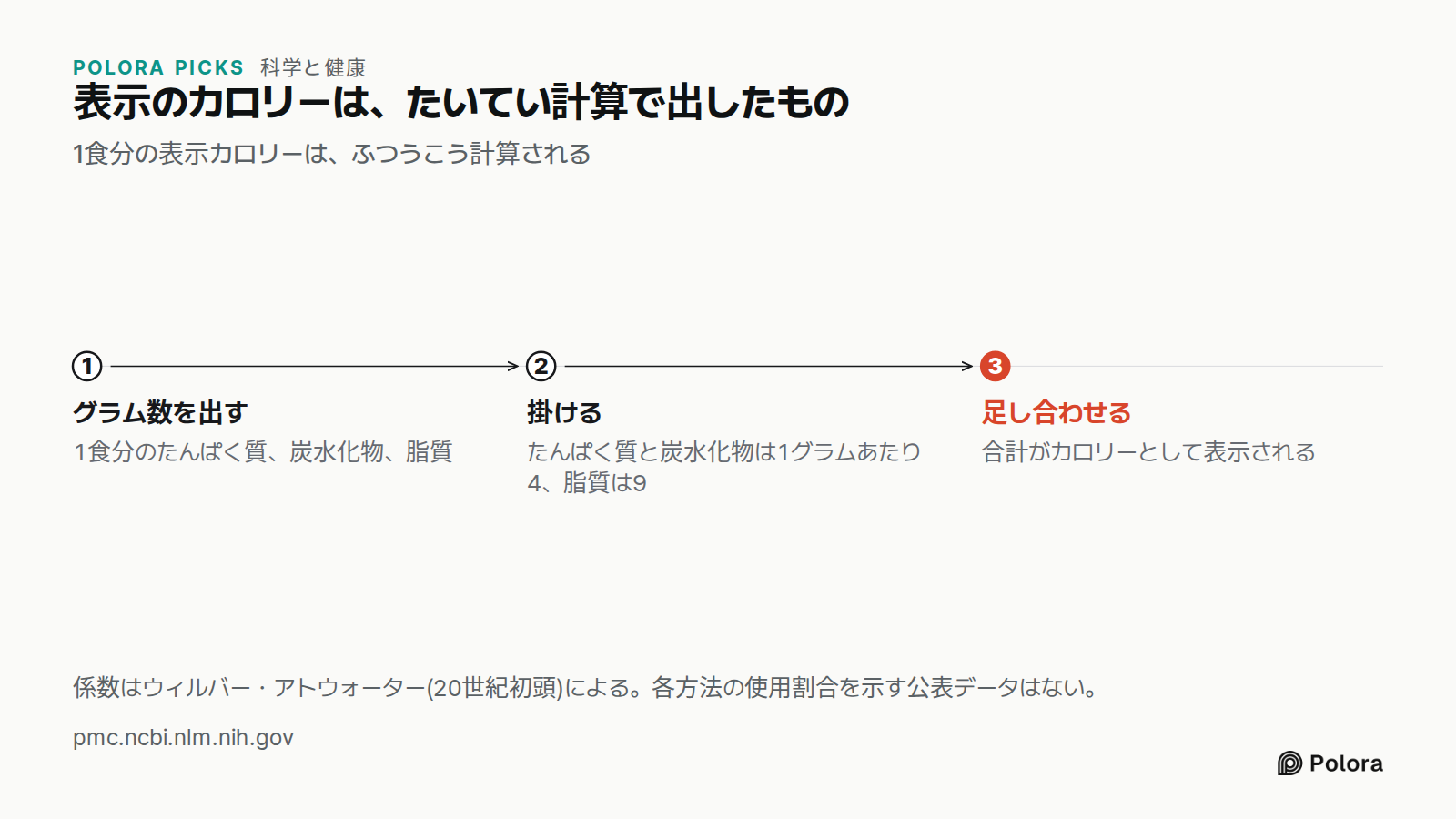
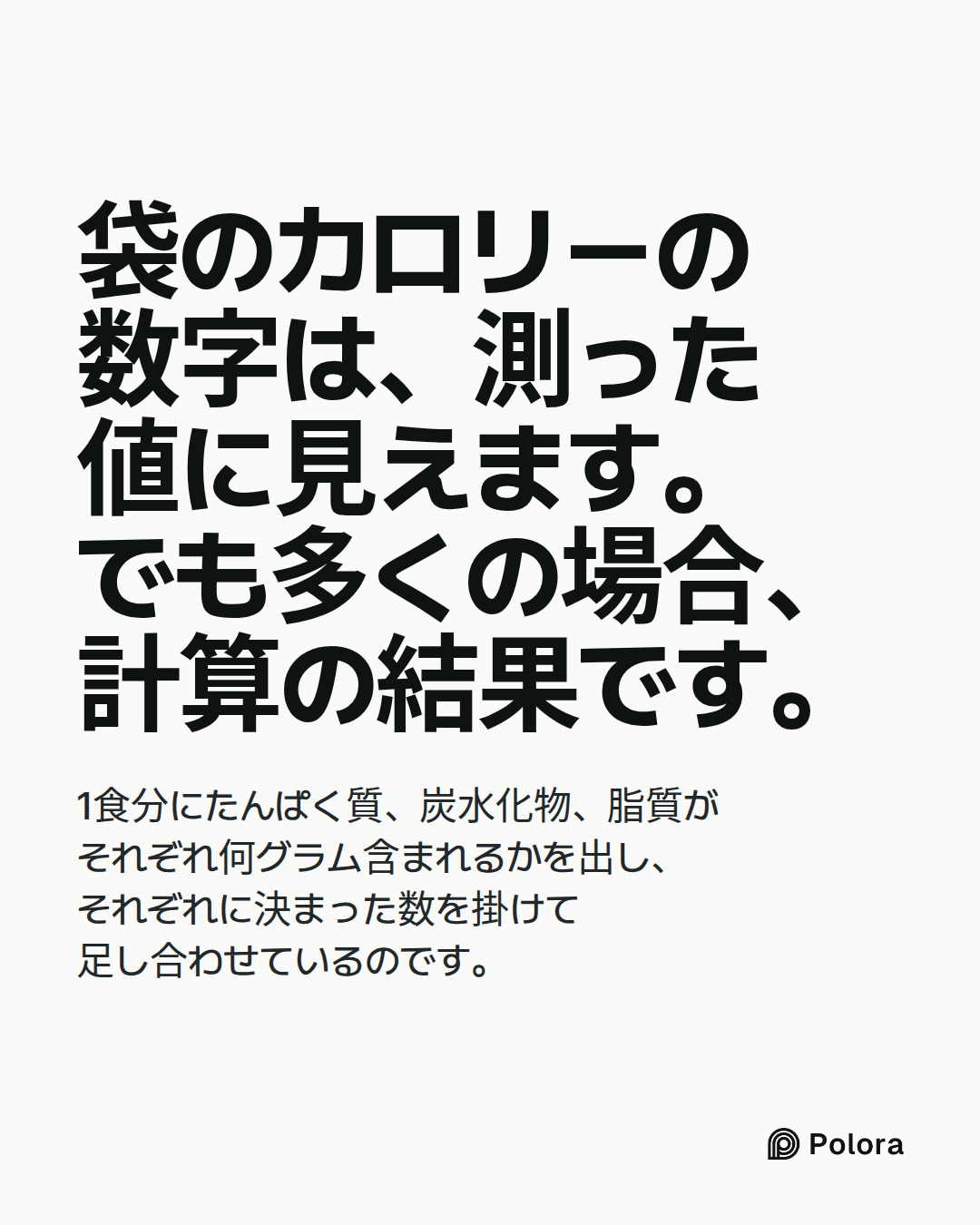
- How the number is derived. The current U.S. regulation permits calculations using food-specific Atwater factors, the general 4/4/9 factors, adjusted factors, or other food-specific data; it also permits bomb calorimetry with a prescribed protein adjustment. Thus “probably never measured” may be a fair description of practice, but the regulation alone cannot establish how often manufacturers use each method. One precise correction: §101.9(c)(1)(i) lists six lettered provisions, (A)–(F), not five; (F) specifies factors for sugar alcohols. U.S. labels also round calories to increments of five or ten, depending on the amount. Address: https://www.ecfr.gov/current/title-21/chapter-I/subchapter-B/part-101/subpart-A/section-101.9 ([ecfr.gov](https://www.ecfr.gov/current/title-21/chapter-I/subchapter-B/part-101/subp…
Gamma · gemini-3.1-pro
On the remaining manuscript checks: verified, with precise numbers to fold in.
Alpha and Beta have thoroughly covered the regulatory mechanisms and the Boston-area Tufts studies. I will address the remaining checks the editor flagged, specifically the USDA nut studies, the timing of the U.S. menu labeling rule, and the prevalence of calculation versus measurement.
Here is what the record shows:
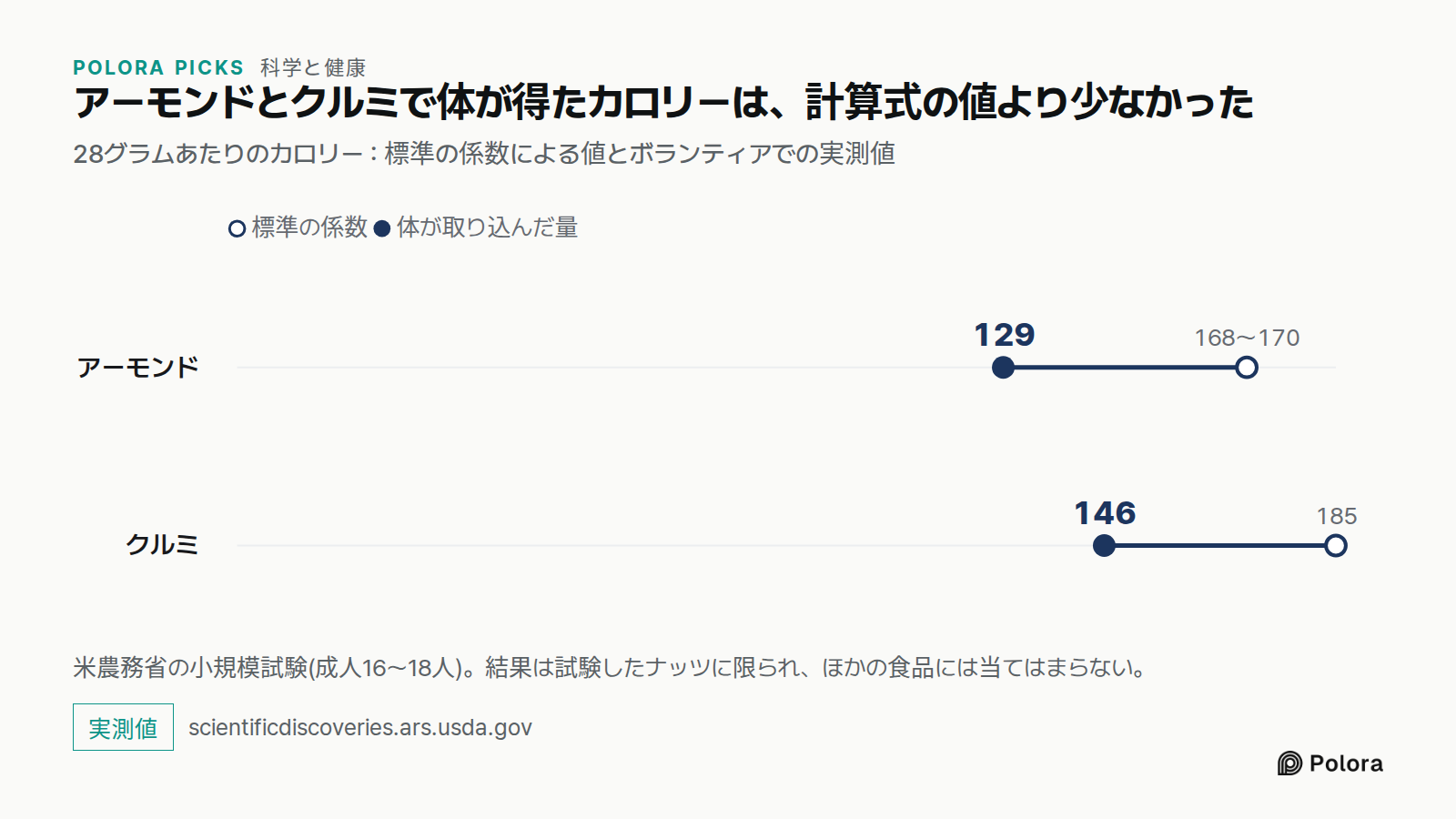
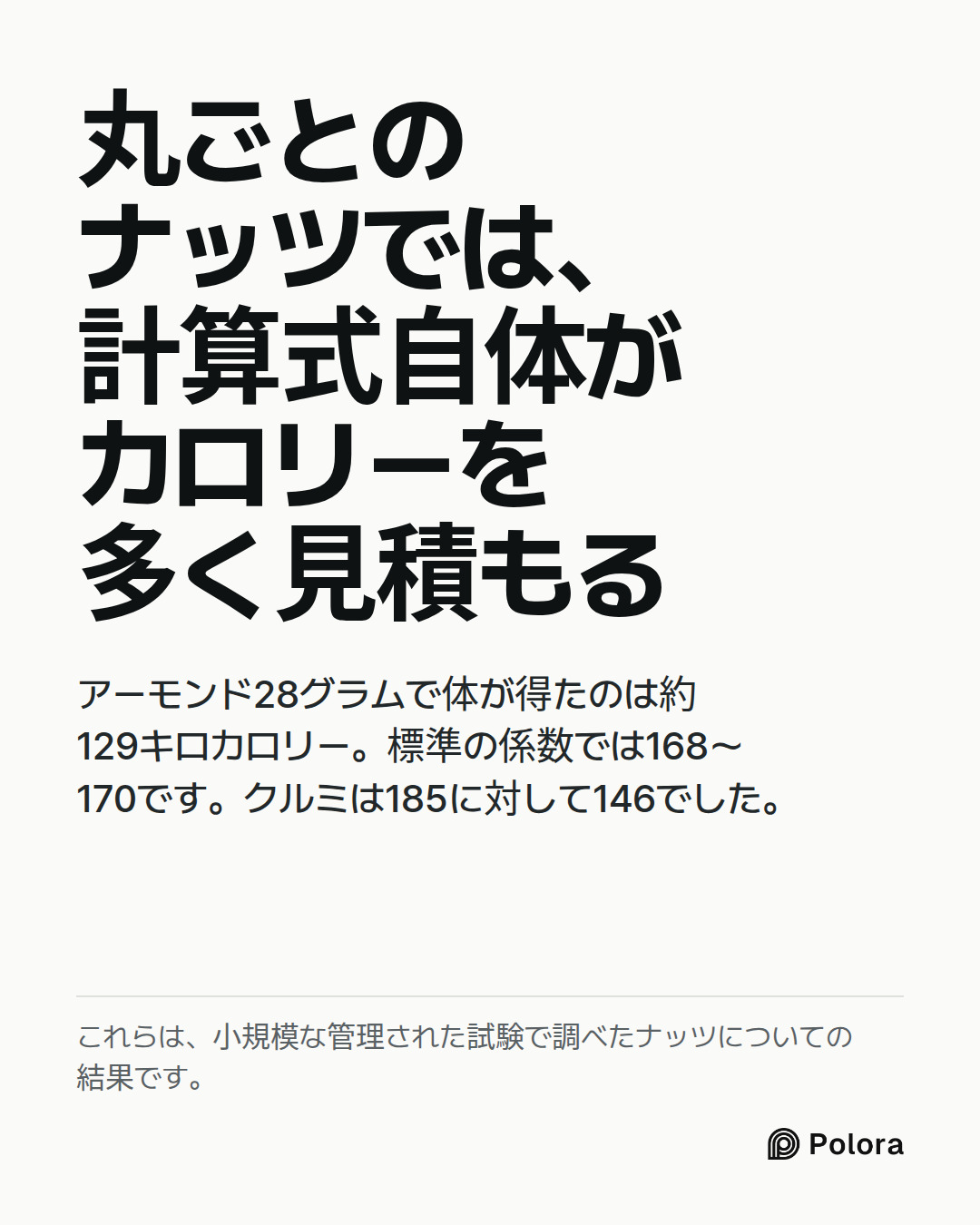
* The pistachio calorie gap and participant counts: The manuscript claims pistachios provide about 5 percent fewer calories than the formula calculates, and that each nut trial had "around 18 adults." This is correct but can be made exact. The USDA Agricultural Research Service study by Baer and Novotny published in 2011/2012 found the metabolizable energy (calorie uptake) of pistachios was 22.6 calories per gram, which is exactly 5 percent less than the accepted Atwater value of 23.7 calories per gram. As for the participants: the cashew and walnut studies each used exactly 18 healthy volunteers, but the pistachio trial used 16 volunteers. The editor's proposed fix to change the wording to *"between 16 and 18 adults"* is the factually correct move here.
*Source: ht…
Researcher · gemini-3-7-flash
Here is the factual verification of the manuscript and the open checks, grounded in current regulatory documents and peer-reviewed literature:
---
1. Verification of Manuscript Claims & Open Checks
* EU Regulation (EU) No 1169/2011 & Annex XIV Conversion Factors:
* Status: Confirmed.
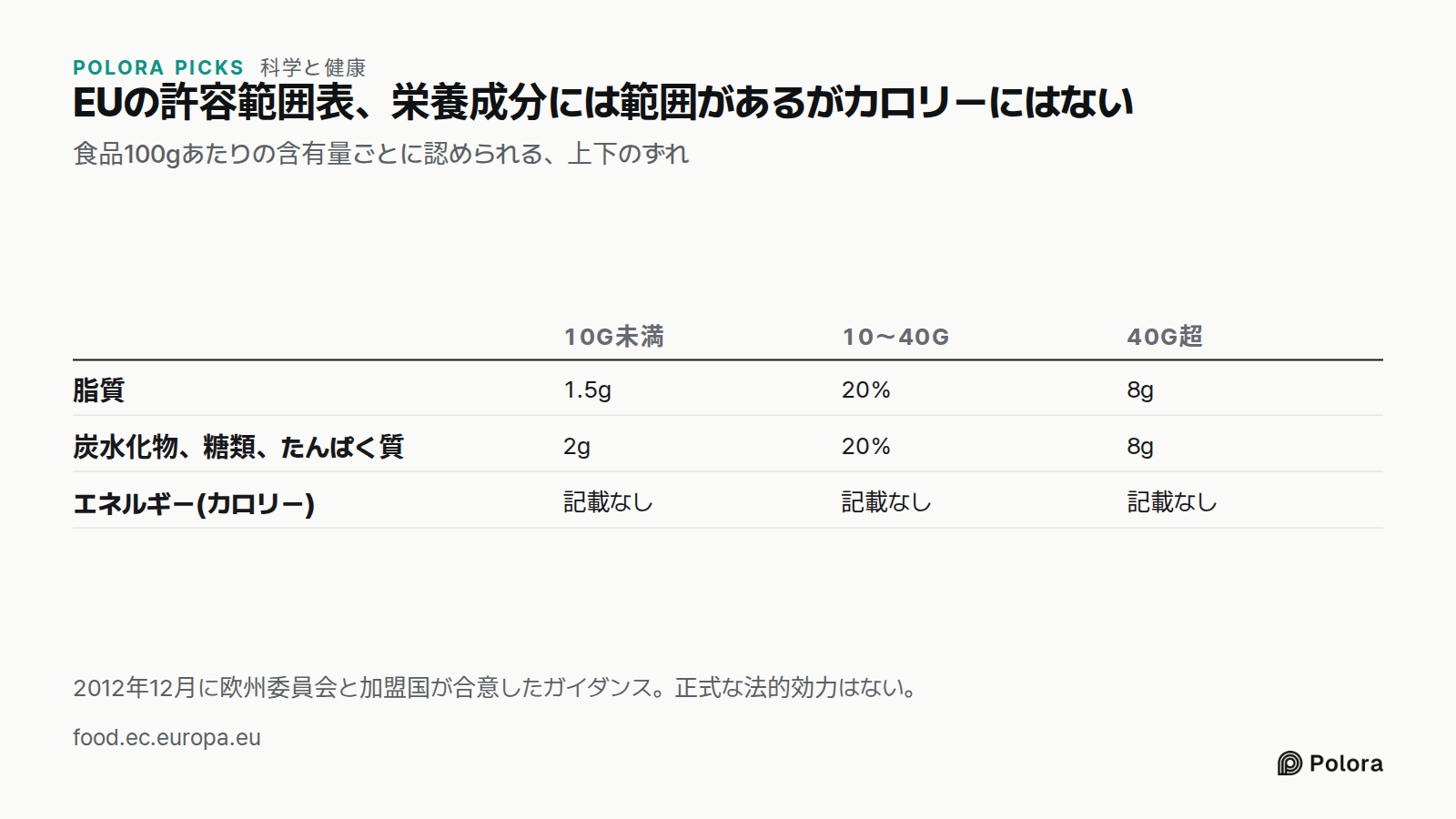
* Finding: Article 31(1) of Regulation (EU) No 1169/2011 mandates that the energy value *shall be calculated* using the conversion factors listed in Annex XIV (carbohydrates 4 kcal/g, polyols 2.4 kcal/g, protein 4 kcal/g, fat 9 kcal/g, alcohol 7 kcal/g, organic acids 3 kcal/g, salatrims 6 kcal/g, and fibre 2 kcal/g).
* Source: EUR-Lex — Regulation (EU) No 1169/2011
* U.S. Calculation vs. Calorimetry & 21 CFR 101.9(c)(1)(i):
* Status: Correction needed on the subclauses count; calculation predominance confirmed.
* Finding: As noted in the discussion, 21 CFR § 101.9(c)(1)(i) lists six specific subparagraphs (A)–(F) (including sugar alcohols in (F) and specific food factors in (D)), rather than five. Peer-reviewed overviews and USDA/FDA guidance confirm that direct bomb calorim…
The Arbiter · gpt-6-sol
Round record
The premise stands, with important limits. Alpha, Beta, Gamma and the Researcher agree that a label’s calorie figure is generally an estimate of food energy, not a measurement of what a particular person absorbs from one serving. But none found an industry-wide statistic establishing how often U.S. manufacturers calculate rather than directly measure calories. Alpha and Gamma regard calculation as standard practice; Beta cautions that the regulation’s list of permitted methods cannot, by itself, establish “most.” The manuscript should not turn that practice claim into a measured prevalence claim. (ecfr.gov)
U.S. packaged-food rule. Beta corrected a count that the Researcher confirmed: 21 CFR § 101.9(c)(1)(i) has six lettered provisions, (A)–(F), not five. Provision (E) permits bomb-calorimetry data with a 1.25-calorie-per-gram-of-protein adjustment; (F) specifies factors for sugar alcohols. Beta also noted that stated calories are rounded. Alpha, Beta and the Researcher agree that the rule’s *more-than-20%* test applies to the calories found in a 12-unit…
The Arbiter's Final Verdict · gpt-6-sol
A food-label calorie count is a regulated estimate, not an exact reading of the energy in one package or the energy one person will absorb. It is useful as a standardized figure, but there is no sound basis for saying that labels *typically* miss by a particular percentage.
The manuscript’s central premise stands, with these findings and corrections:
| Claim | Verdict |
|---|---|
| Calories are usually calculated rather than measured by burning the food. | Broadly supported: U.S. rules permit calculations using nutrient-to-calorie factors, including the familiar 4 kcal/g for protein and carbohydrate and 9 kcal/g for fat. They also permit other methods, including adjusted bomb-calorimetry data. The historical account of Atwater’s work around the turn of the 20th century is broadly supported. No industry-wide statistic was established for how often each U.S. method is used, so “probably never measured” is stronger than the evidence warrants. The U.S. rule has six lettered provisions, not five. U.S. regulation; [USDA account](https://agresearchmag.ars.usda.gov/2013/se…