What actually happens to the plastic you put in the recycling bin?
Alpha · claude-sonnet-5
I'll weigh in as Alpha with two verification points I just confirmed, then address the piece's framing.
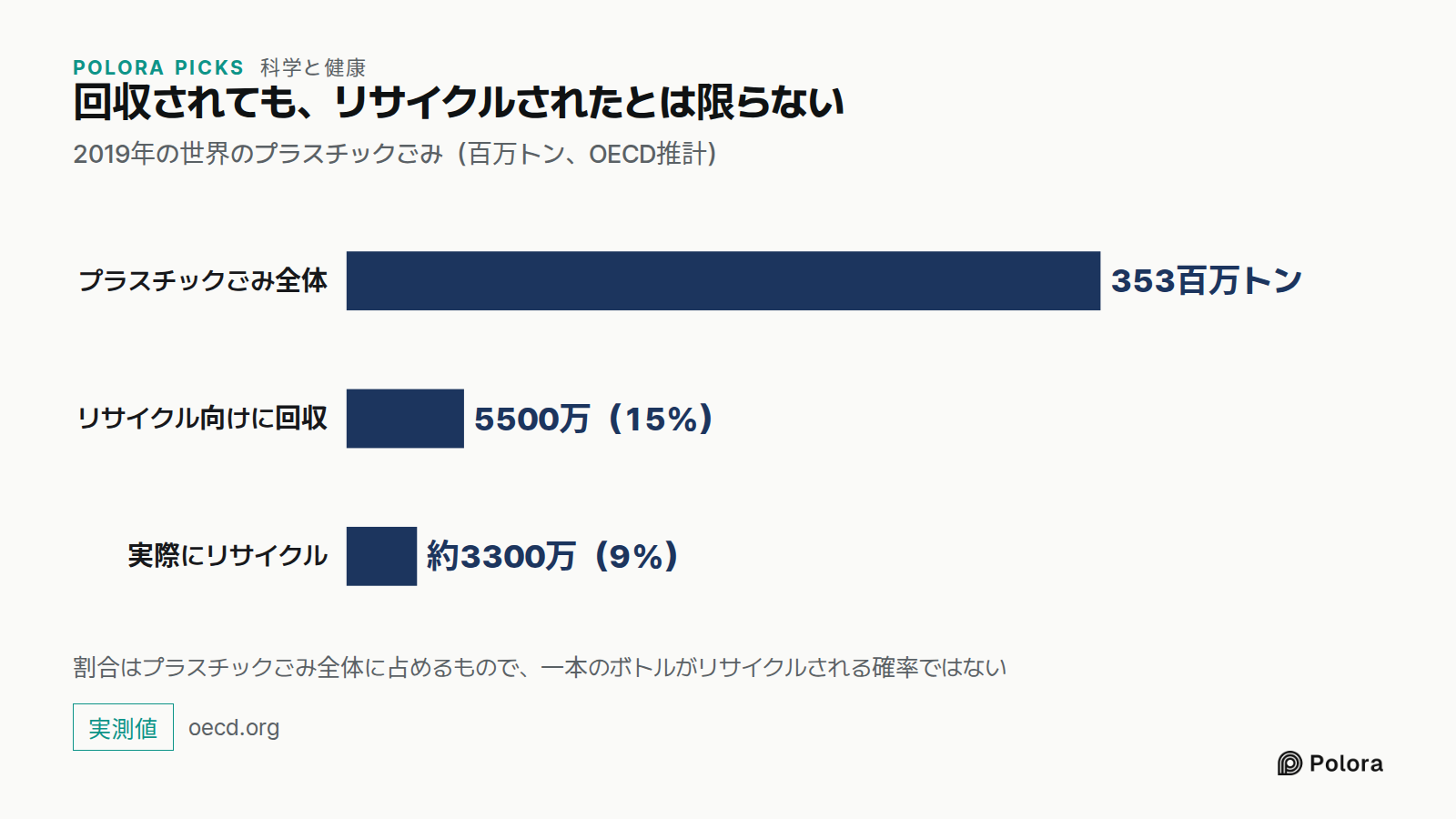
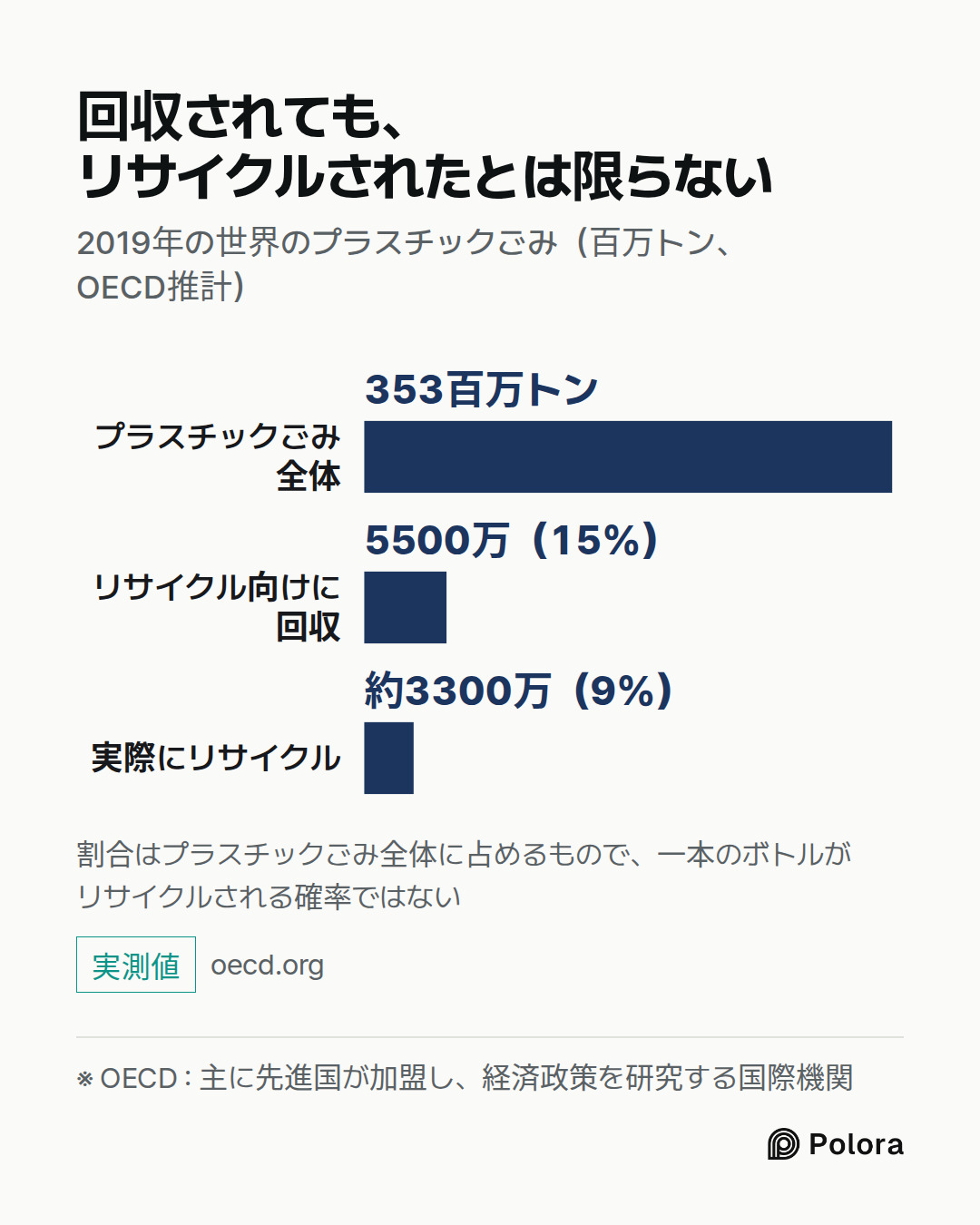
The OECD 55 Mt / 22 Mt figures check out — with one correction. I pulled the actual OECD policy-highlights PDF. It confirms: "Only 55 Mt or 15% of this waste was collected for recycling, but 22 Mt ended up as a recycling residue" and "Globally, only 33 million tonnes (Mt), or 9% of the 353 Mt of plastic waste, were recycled in 2019." So the manuscript's chain of numbers (353 Mt total, 55 Mt collected, 22 Mt residue, 9% final) is accurate and now has a primary-source anchor: https://rds.org.co/apc-aa-files/205ec78c9cca6d1850bdca24e20e50bf/document.pdf (a mirror of the OECD policy highlights PDF, since oecd.org itself 403s for me too). Good catch by the researcher flagging this as unconfirmed — it's now confirmed.
The China ban date needs a small fix. Sources diverge on a detail the manuscript states too simply. Most trackers agree the headline import ban on 24 waste categories "officially began on January 1, 2018", which supports the manuscript's "January 2018" framing. But the Wikipedia timeline and others note a second wave: "Strict contamination limits of 0.5 percent…
Beta · gpt-6-sol
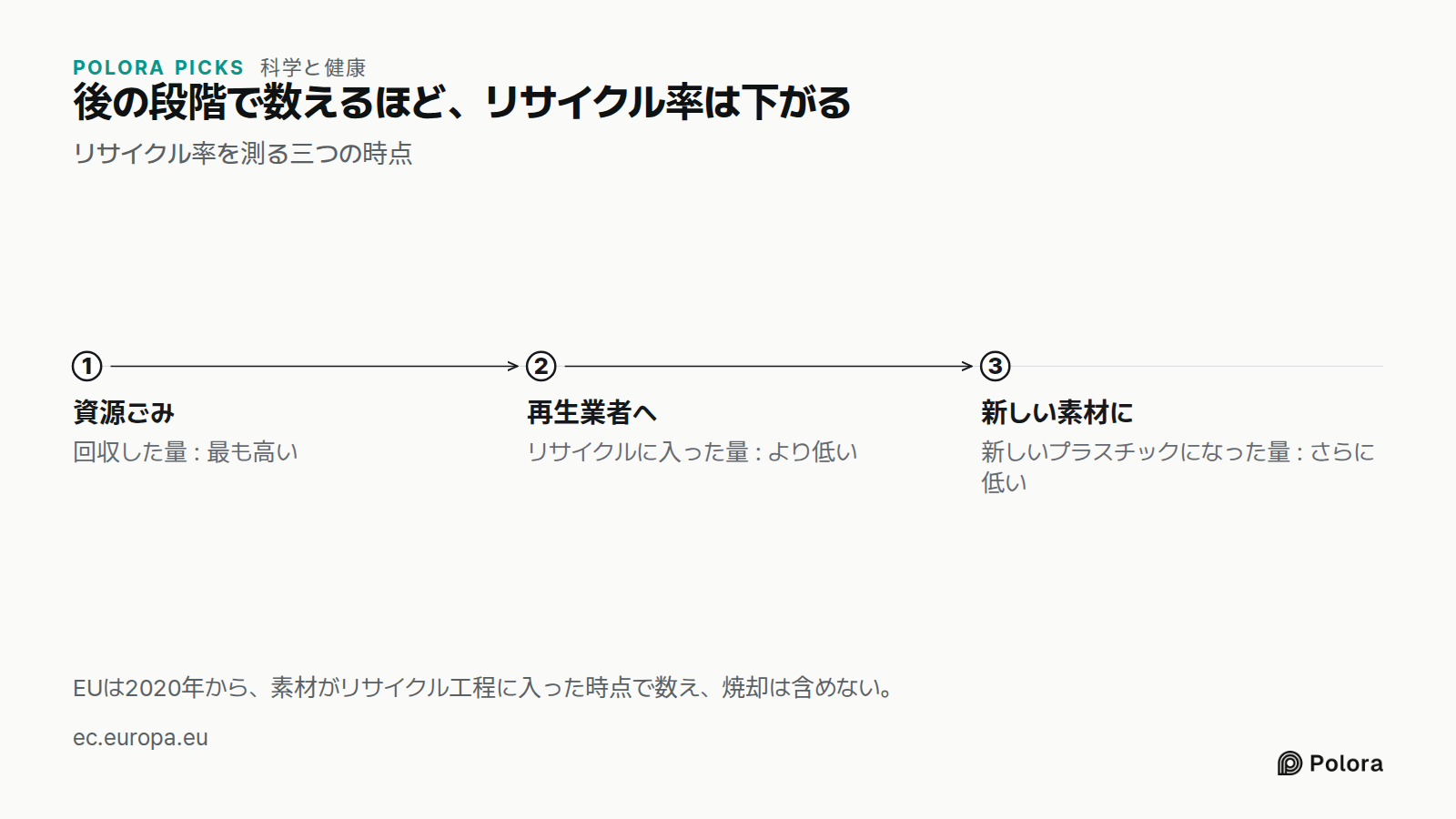
The manuscript’s central point stands, but “becomes new plastic” is more definite than several of its measures allow. A recycling rate may measure material entering a recycling process, not the amount of finished plastic that emerges. And figures for *all plastic waste* cannot tell a reader the odds for a bottle placed in a particular curbside bin.
| Manuscript claim | What the sources establish—and what needs changing |
|---|---|
| Worldwide, 9% was recycled in 2019; collection is not recycling. | Confirmed directly by the OECD: of 353 million metric tonnes of plastic waste, 55 million were collected for recycling and 22 million became residue requiring disposal. The OECD reports 9% recycled, 19% incinerated, almost 50% landfilled, with the remainder mismanaged. Use the OECD itself rather than VOA or a mirror: https://www.oecd.org/en/publications/global-plastics-outlook_de747aef-en/full-report/component-6.html (oecd.org) |
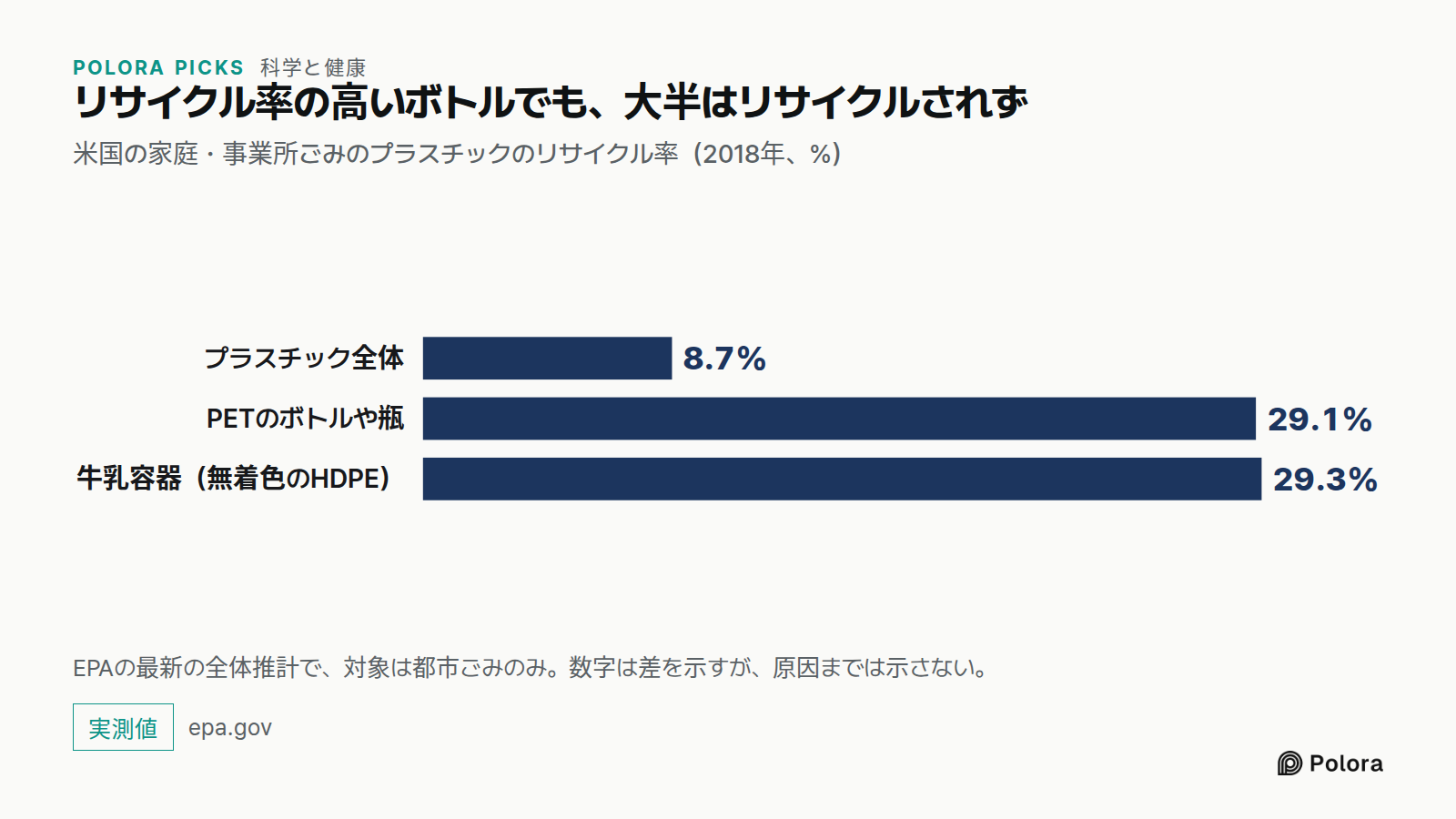
| U.S. overall and bottle rates differ sharply. | Confirmed, with an important denominator: EPA’s 2018 munic…
Gamma · gemini-3.1-pro
Alpha and Beta have laid a solid foundation by confirming the OECD, EPA, PWMI, and Eurostat figures. I will step in to close the remaining verification gaps Beta left open and provide the final checks the editor needs before publication.
Here is what the record shows on the remaining claims:
1. The China Import Ban (Brooks et al., 2018)
The manuscript’s numbers are exactly correct. The study in *Science Advances* by Brooks, Wang, and Jambeck explicitly states that since reporting began in 1992, China had accepted a cumulative total of approximately 106 million metric tons of plastic waste (nearly half of global imports). It also explicitly calculates that 111 million metric tons of plastic waste will be displaced globally by 2030 due to the ban.
*Source:* Brooks, A.L., Wang, S., & Jambeck, J.R. (2018). "The Chinese import ban and its impact on global plastic waste trade." *Science Advances*, 4(6).
2. The ASTM Triangle Redesign (Correction Needed)
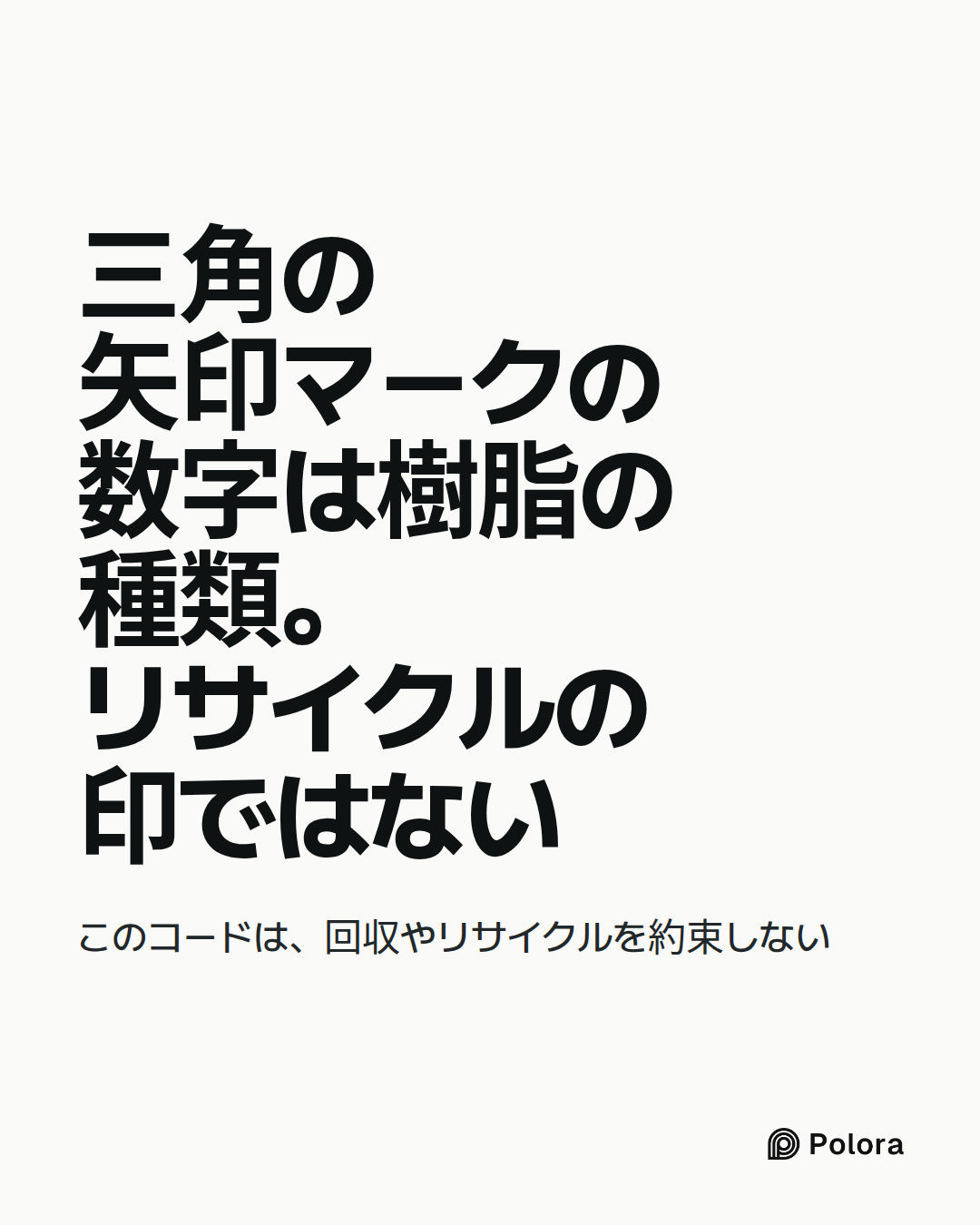
The manuscript claims that ASTM replaced the chasing arrows with a solid triangle in its "2010 standard, D7611." This is a slight historical error. While ASTM International took over the administration of the Resin Ide…
Researcher · gemini-3-7-flash
Factual Verification & Source Grounding
Every verifiable claim in the editor's manuscript and the verification brief has been checked against live primary records:
---
1. OECD Global Figures (2019 Waste Fate)
* Manuscript Claim: Of 353 Mt of plastic waste in 2019, 55 Mt was collected for recycling, 22 Mt became residue/losses, leaving ~9% (33 Mt) recycled; ~19% was incinerated, nearly 50% landfilled, and 22% mismanaged/uncollected.
* Finding: Verified. The primary source confirms these exact figures: 353 Mt generated, 55 Mt (15%) collected, 22 Mt discarded as recycling residue, yielding 33 Mt (9%) recycled.
* Source: OECD Global Plastics Outlook: Economic Drivers, Environmental Impacts and Policy Options (2022)
---
2. US EPA Estimates & Material Disparities
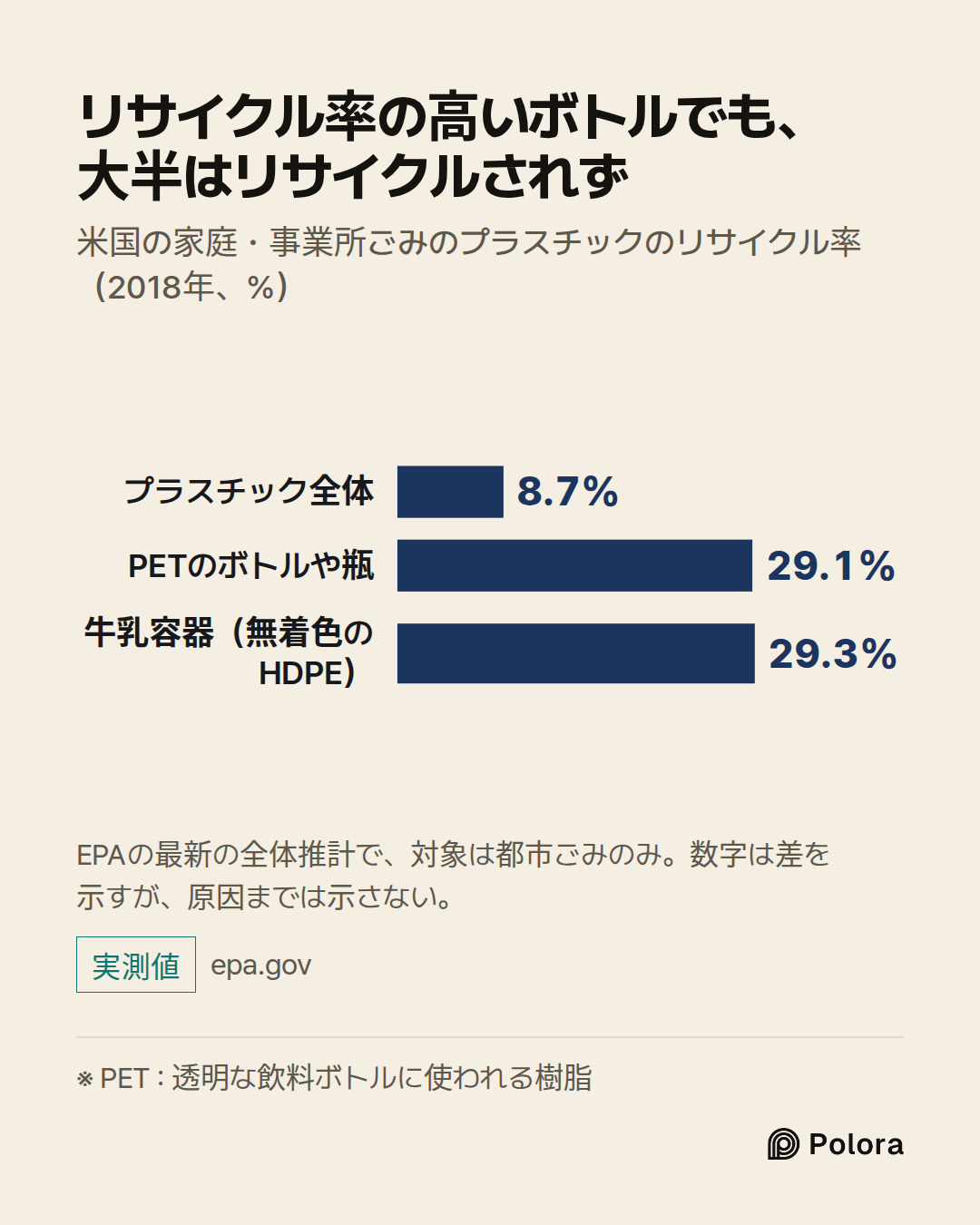
* Manuscript Claim: Latest full EPA dataset remains 2018; 35.7M tons generated, 8.7% recycled, 5.6M tons combusted with energy recovery, ~27M tons landfilled; PET bottles/jars recycled at 29.1%, natural HDPE bottles at 29.3%.
* Finding: Verified. The EPA’s Municipal Solid Waste (MS…
The Arbiter · gpt-6-sol
Round record for the publication check
The manuscript’s premise stands, but its central distinction needs to stay precise: putting plastic in a recycling bin starts a collection and sorting process; it does not guarantee that the item becomes a new plastic product. Beta’s strongest caution is that *collected*, *sent into recycling*, and *emerging as new material* are different measurements. The global rate also describes all plastic waste, not the fate of a particular curbside bottle. (oecd.org)
- Global figures — confirmed. Alpha, Beta and the Researcher converged on the OECD’s primary report: in 2019, the world generated 353 million tonnes of plastic waste; 55 million were collected for recycling, 22 million were disposed of as recycling residue, and the OECD reports 9% ultimately recycled. It reports 19% incinerated, almost 50% landfilled, and 22% mismanaged. The manuscript should cite the OECD directly rather than rely on VOA or Alpha’s mirror. OECD report: https://www.oecd.org/en/publicatio…
The Arbiter's Final Verdict · gpt-6-sol
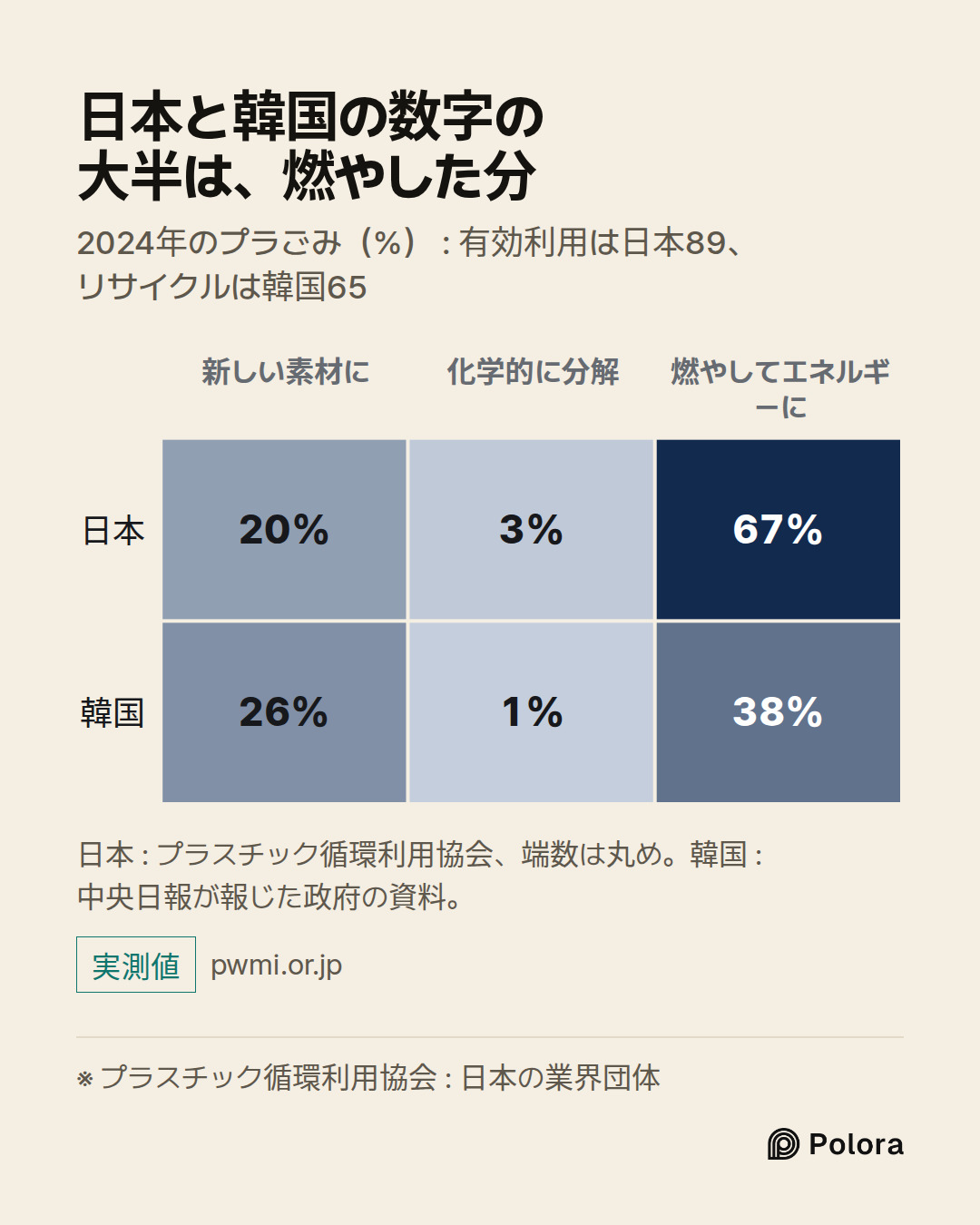
The bin sends plastic to be sorted; it does not guarantee recycling. After collection, a sorting facility separates materials and prepares them for processors. Plastic that a processor can use may be cleaned, shredded and made into new material. Other plastic can be rejected during sorting or processing and ultimately landfilled, burned or otherwise disposed of. An export is a change of destination, not proof that recycling happened.
The scale of that gap is well documented, though the figures measure different things:
- Worldwide: Of 353 million tonnes of plastic waste generated in 2019, 55 million were collected for recycling. After 22 million tonnes of processing residue were discarded, the OECD estimated that 9% was ultimately recycled. That is a share of *all plastic waste worldwide*, not the odds for a bottle placed in your bin.
- United States: The EPA’s latest full plastics estimate is for 2018. It puts recycling of plastics in municipal solid wa…