Do actors get paid every time you stream their show?
Alpha · deepseek-v4-pro
No — not in the sense most people mean. For a US union actor appearing in a show made specifically for a subscription streaming service, your individual play does not trigger a payment to the cast.
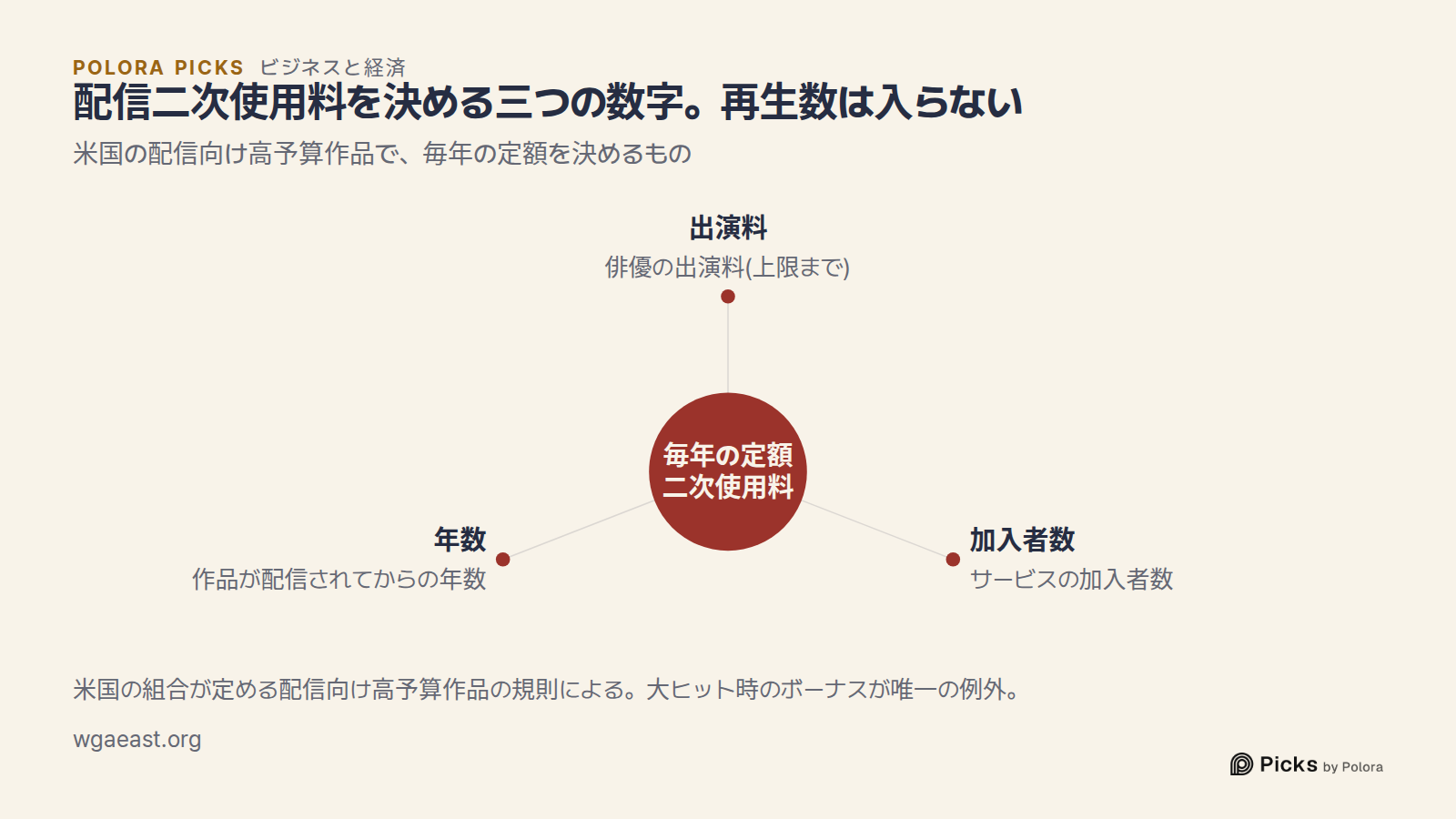
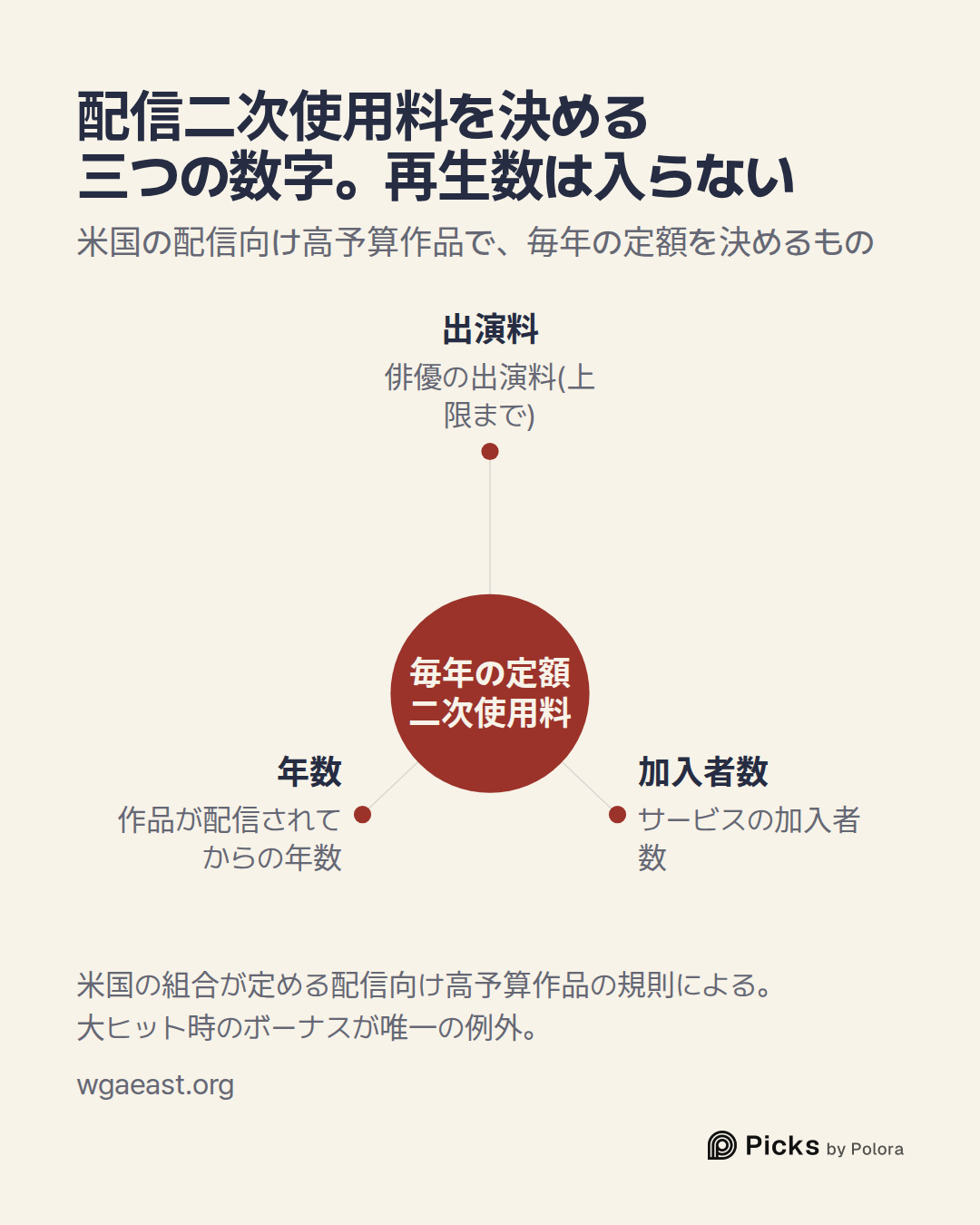
What actors get instead is a residual: a fixed annual sum for each year the show stays on the service. It is calculated from three things:
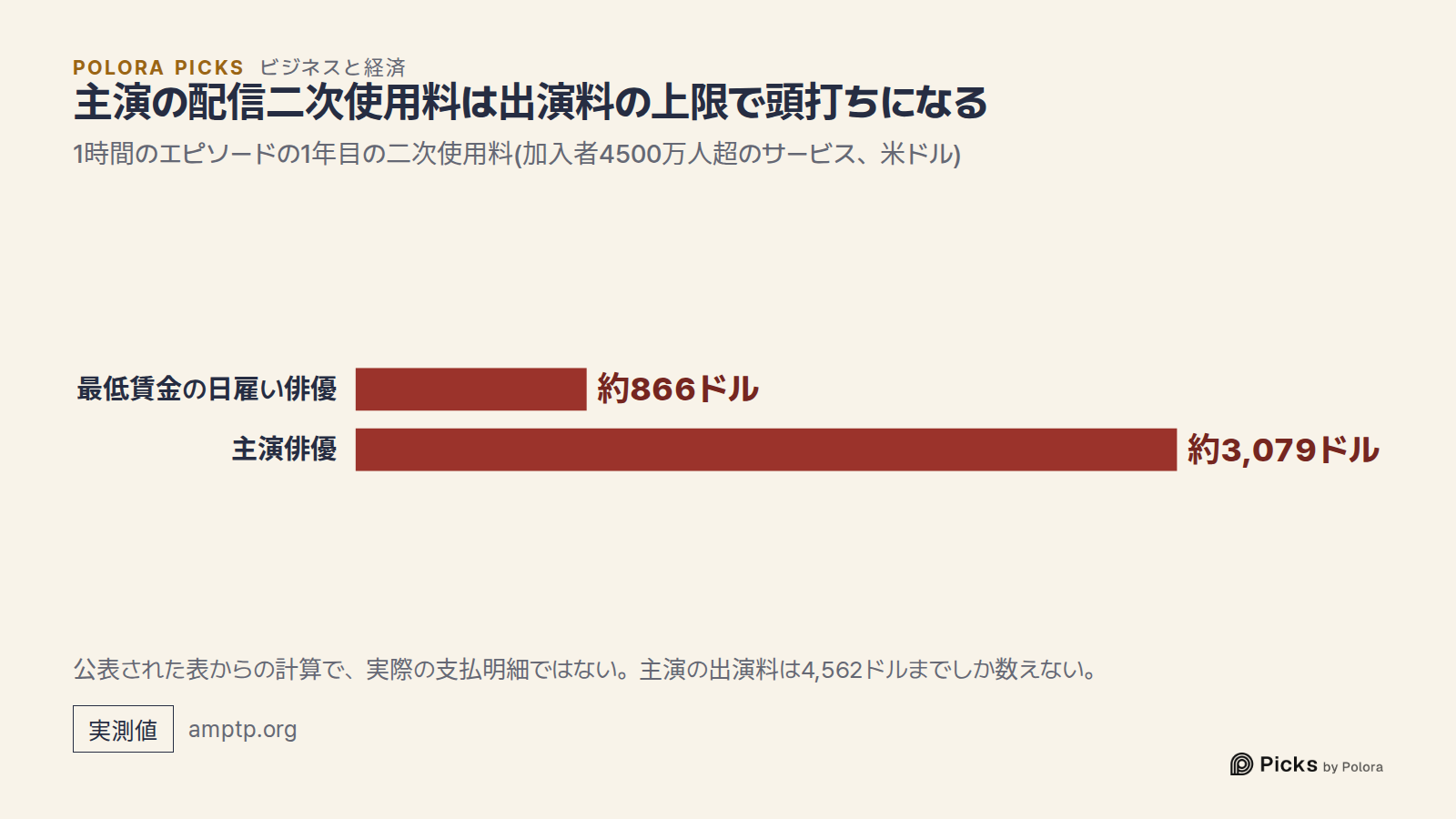
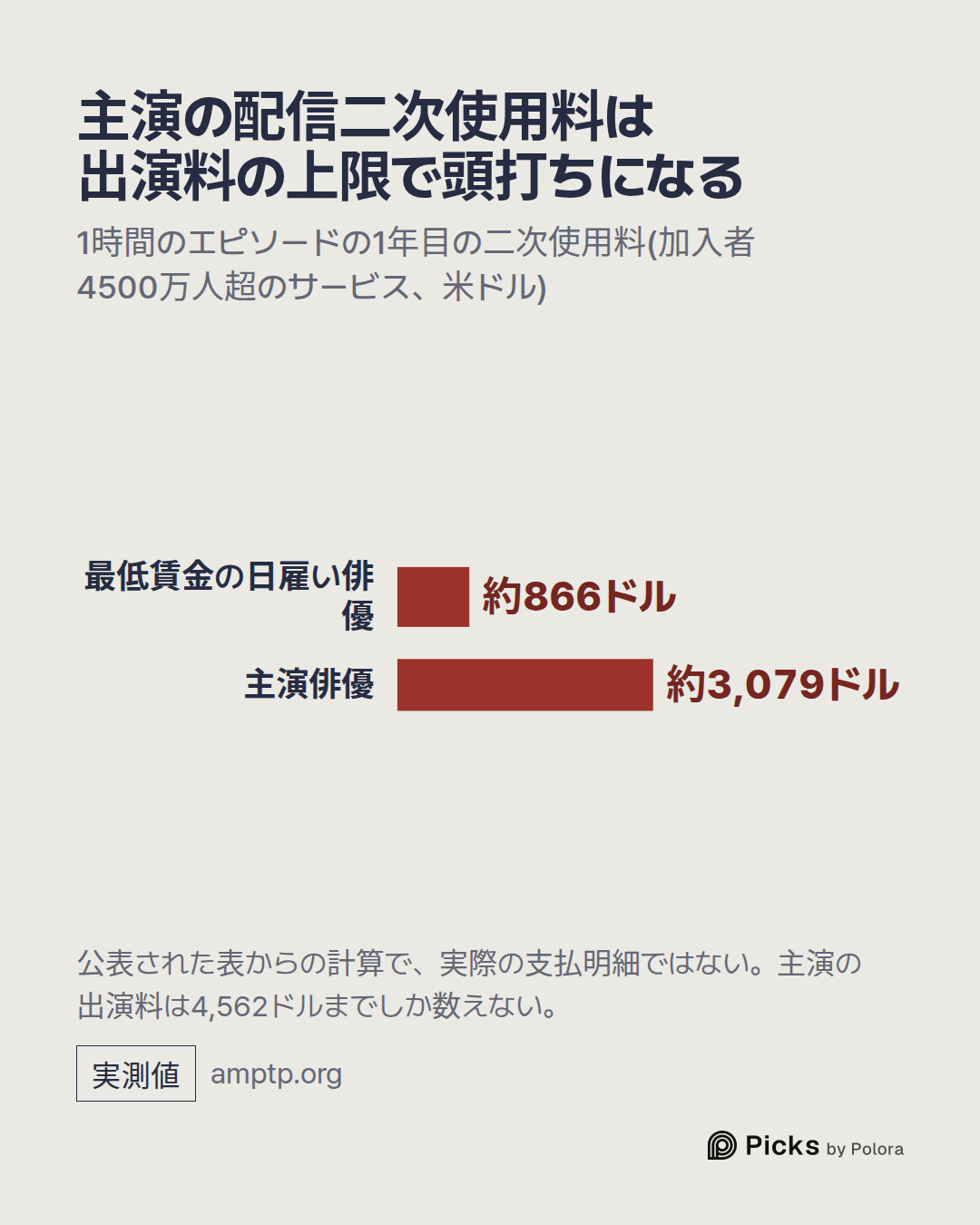
1. The actor’s pay for the episode, counted only up to a cap — for example, $4,562 for a one-hour episode under current union tables.
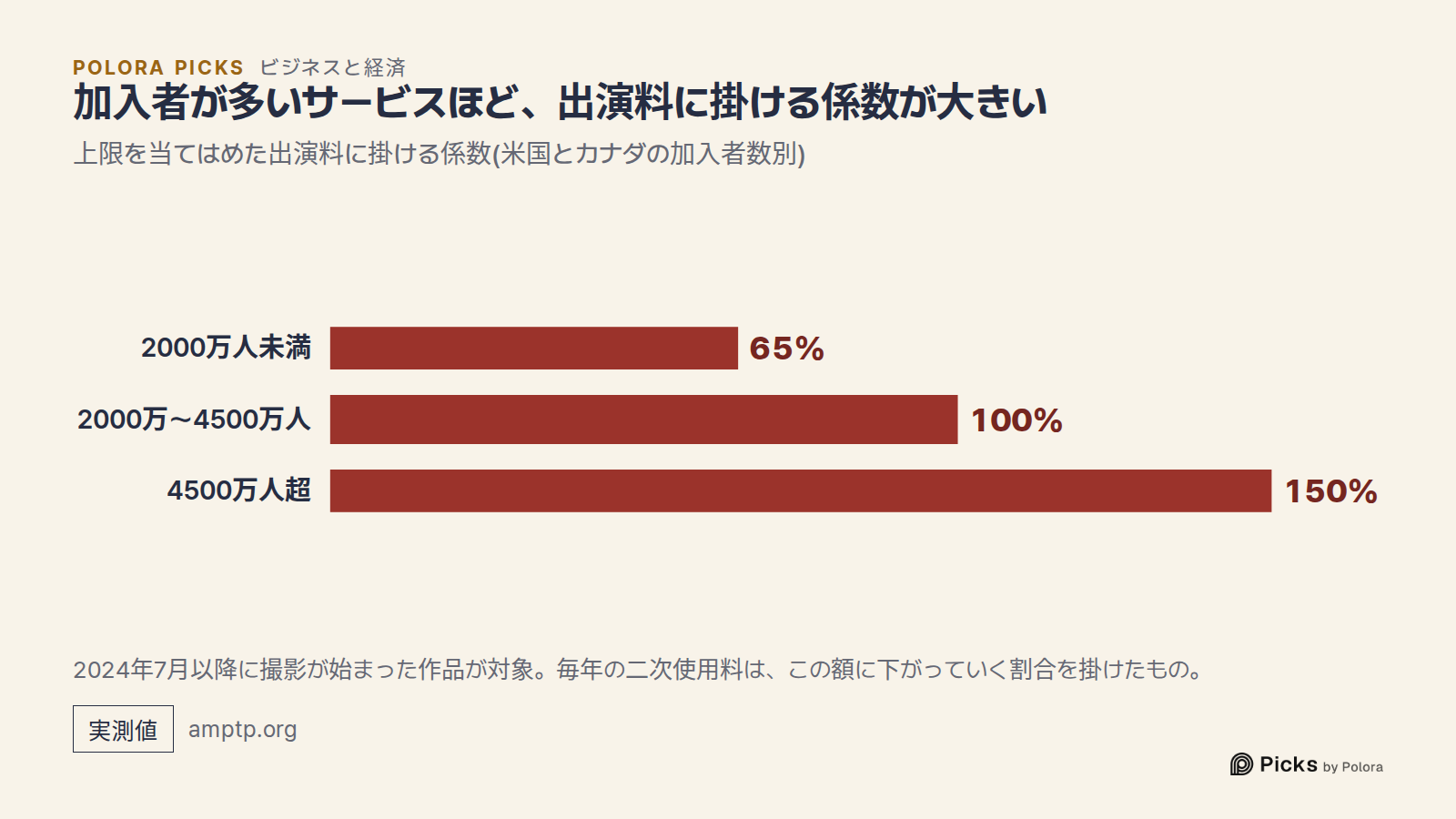
2. The streaming service’s subscriber count in the US and Canada, which sets a multiplier — currently 65%, 100%, or 150% depending on the service’s size.
3. How long the show has been available — the percentage starts around 45% of the capped pay in year one, then falls.
So a show streamed once and a show streamed ten million times can earn the same cast the same residual, unless it clears a separate bonus threshold.
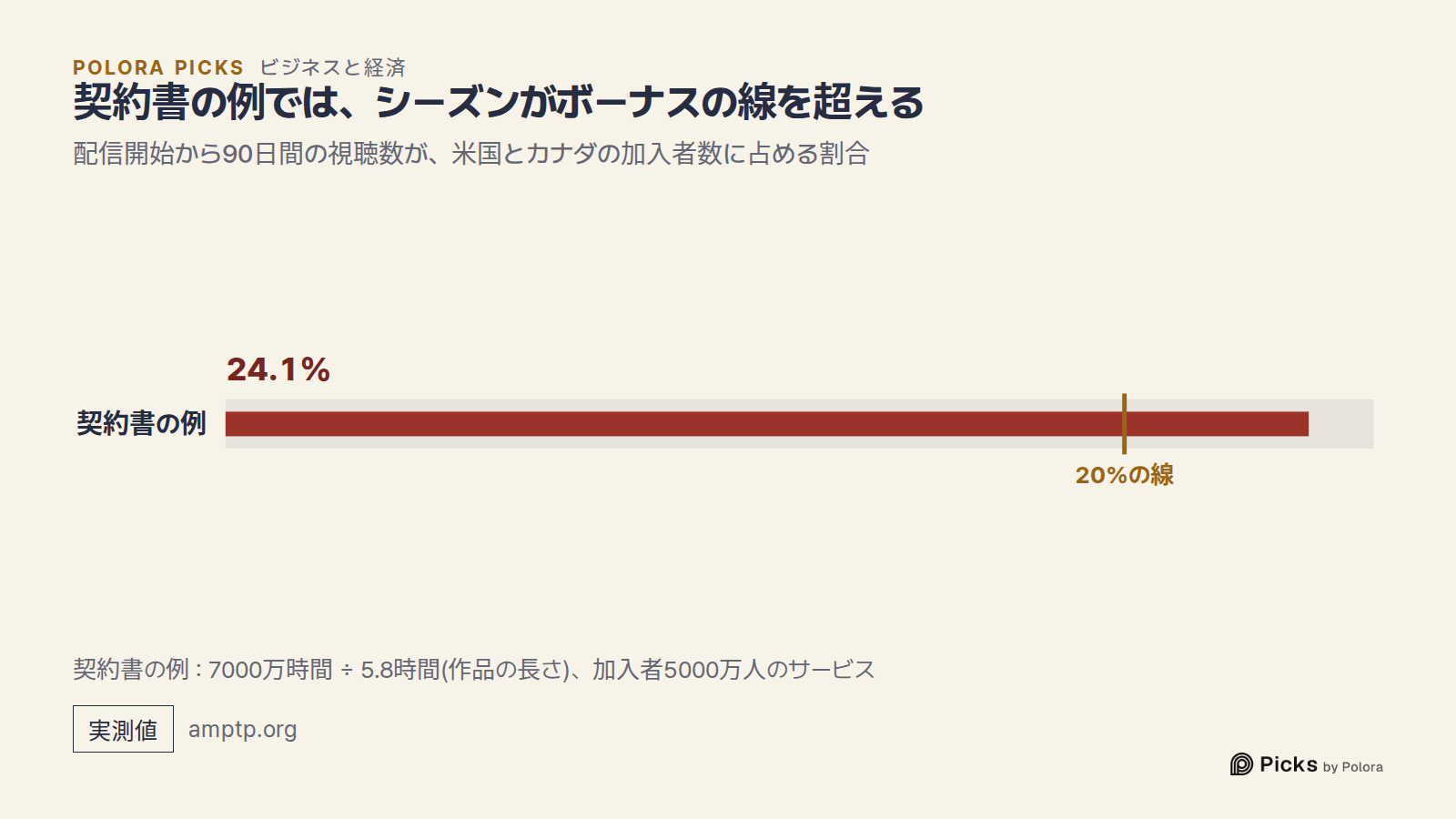
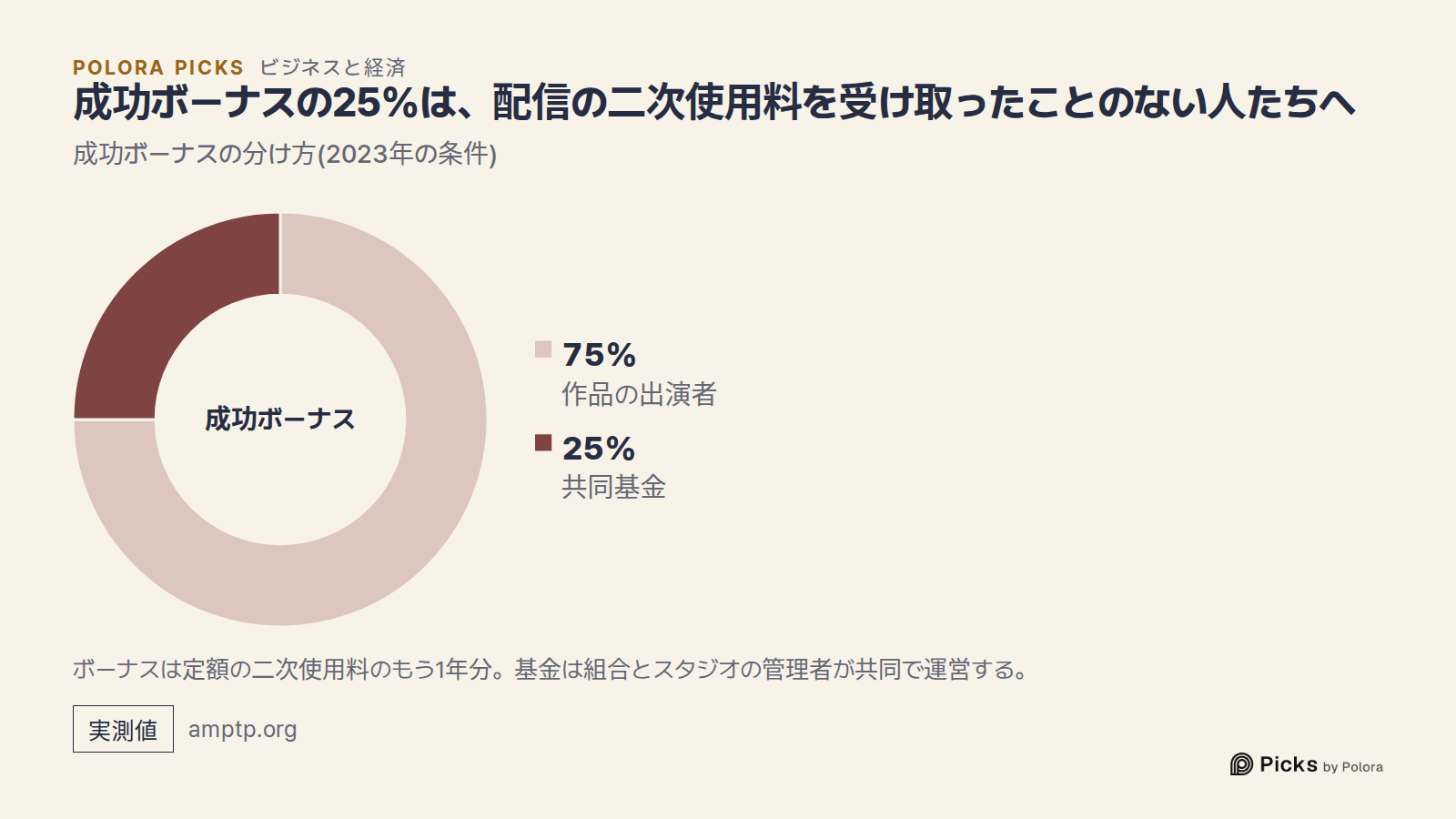
There is one place where viewing counts: the success bonus from the 2023 actors’ contract. If a title’s first 90 days of viewing reaches roughly 20% of the service’s domestic subscribers, the show qualifies for an extra payment. But that is a yes/no test based on aggregate hours, not…
Beta · gpt-6-sol
No—not each time you press play. For a US union-covered show made for subscription streaming, an actor’s ordinary residual is calculated under a contract formula, rather than paid once per individual stream. Viewing can matter if a season or film crosses a success-bonus threshold: roughly 20% of the service’s domestic subscribers in its first 90 days. That is a threshold for an additional payment, not a per-play rate. These rules do not describe every production or every country. (amptp.org)
For the manuscript, the central answer stands, but several qualifications matter:
- The formula and examples need a tighter scope. The stated pay cap, subscriber multipliers and worked dollar amounts are presented as though they describe every streaming show. They should be explicitly limited to the applicable *high-budget SVOD* provisions, performer category, episode length and effective dates. The 2026 agreement itself distinguishes titles first exhibited before July 1, 2027, from those first exhibited on or af…
Gamma · gemini-3.1-pro
I have reviewed the manuscript and checked several of its claims against live sources. Here is what I found regarding the details, the angle, and the core premise:
What was confirmed:
* The 45% / 40% / 35% residual schedule: The manuscript correctly states the percentage of capped pay for the first three years of exhibition for high-budget streaming. I confirmed this schedule (45% in year one after the initial 90 days, 40% in year two, 35% in year three) through industry payroll guides and SAG-AFTRA contract summaries. (wrapbook.com)
* The 2026 contract ratification: The voting figures and timeline are accurate. SAG-AFTRA announced on June 4, 2026, that members ratified the new TV/Theatrical Agreement with 91.42% voting in favor (and 8.58% opposed) on a 19.25% turnout. The contract runs through June 30, 2030. (sagaftra.org)
What could not be verified this turn:
* The October 2026 bonus payout figures: A live search for the specific October 2026 payout reporting did not return the Deadline or TheWrap articles mentioning the "$1.5 million to about 700 performers" figures.…
Researcher · gpt-6-luna
The official sources support the central answer: one person’s stream does not trigger a separate payment to an actor. Under the SAG-AFTRA rules for qualifying high-budget subscription-streaming productions, actors receive residuals under a contract formula; aggregate viewing can also qualify a title for a success bonus. (servicesagaftra.custhelp.com)
A few details in the discussion need care:
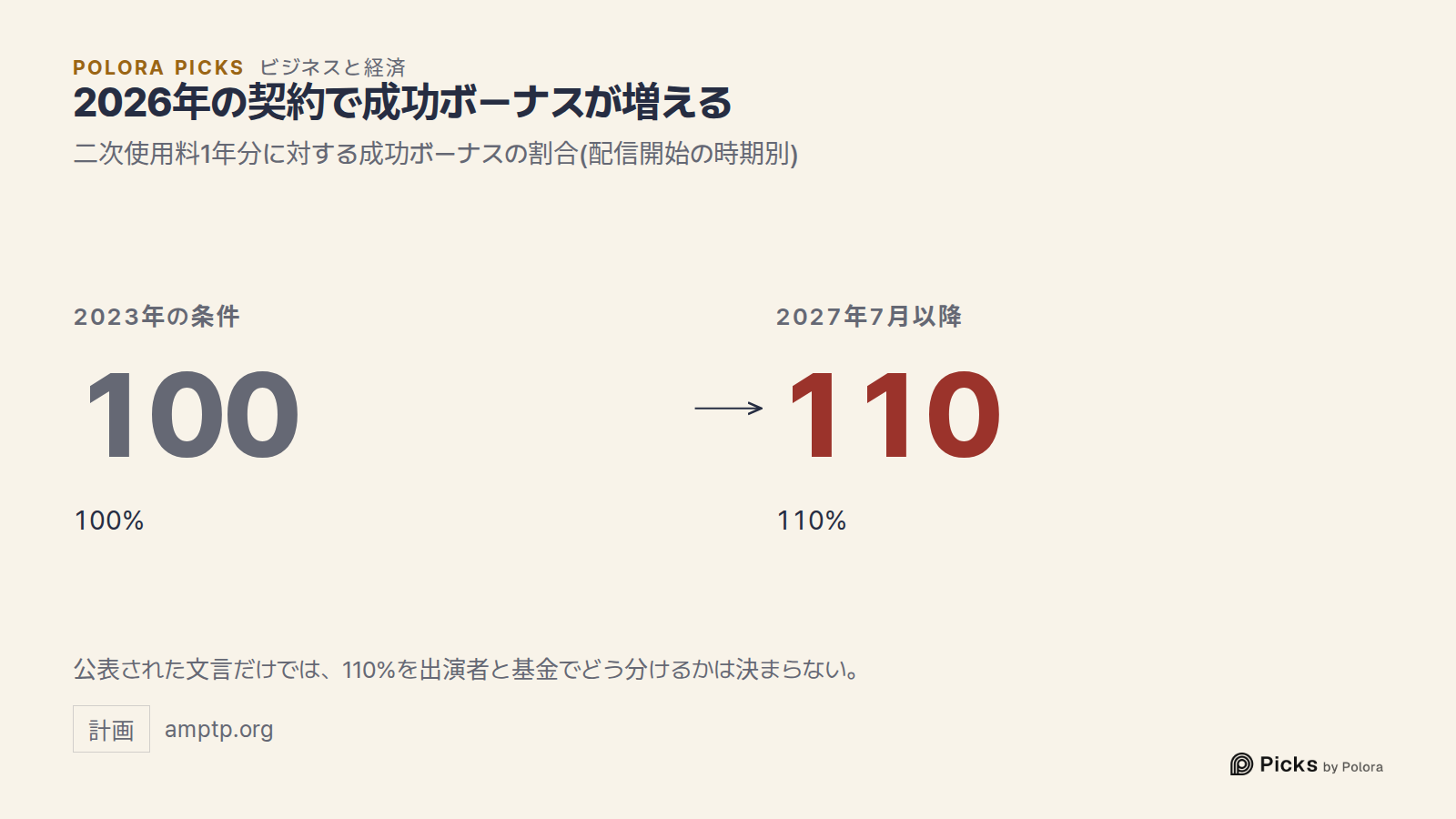
- The 2026 bonus wording is genuinely hard to reconcile. SAG-AFTRA’s own contract FAQ says the fund’s share increases from 25% to 35% of an annual SVOD residual. But the executed agreement describes a total bonus of 110%, allocates 75% to performers and 35% to the fund, and also says the producer’s total obligation cannot exceed 100% of the bonus plus specified contributions. The public text alone does not resolve that tension, so avoid asserting “nobody’s share shrinks” or presenting the 2026 split as straightforward arithmetic. (sagaftra.org)
- The $75,000 advance-payment limit is d…
The Arbiter · gpt-6-sol
The voices agree on the distinction that matters to your question: an individual stream is not a separate payment event under the US union rules they examined. They also agree that a title’s *aggregate* viewing can matter when it reaches a success-bonus threshold. SAG-AFTRA’s materials distinguish residuals for high-budget programs made for subscription streaming from the rules for television or theatrical work later shown there. (sagaftra.org)
The manuscript’s detailed claims need different levels of confidence:
- Confirmed against SAG-AFTRA: members approved the 2026 agreement by 91.42%, for a term from July 1, 2026, through June 30, 2030. The union’s summary also lists the $4,562 ceiling for a 36–65-minute program, rising to $4,676 in July 2027, and a foreign-subscriber factor rising from 90% to 95% for the largest tier. (sagaftra.org)
- Not fully resolved in the record: Beta and the Researcher identify conflicting-looking language in t…
The Arbiter's Final Verdict · gpt-6-sol
No—not each time you press play. For an actor on a qualifying US union production made for subscription streaming, the ordinary residual is set by a contract formula, not a payment triggered by your individual stream. A title’s *total* viewing can nevertheless unlock a success bonus. That distinction supports the manuscript’s central premise. It does not support saying that views never affect actors’ pay. SAG-AFTRA 2026 contract materials; 2023 agreement.
For publication, I would keep that answer but qualify the manuscript’s detail:
- Formula, tiers and dollar examples: These belong specifically to the applicable *high-budget subscription-streaming* rules, not every streaming appearance. The 45%/40%/35% early-year schedule has support in the payroll guide, but the actor-specific schedule and the manuscript’s $866 and $3,079 examples were not independently established from an actor contract table in this record. The example…