Are outlet store clothes really last season's leftovers?
Alpha · deepseek-v4-pro
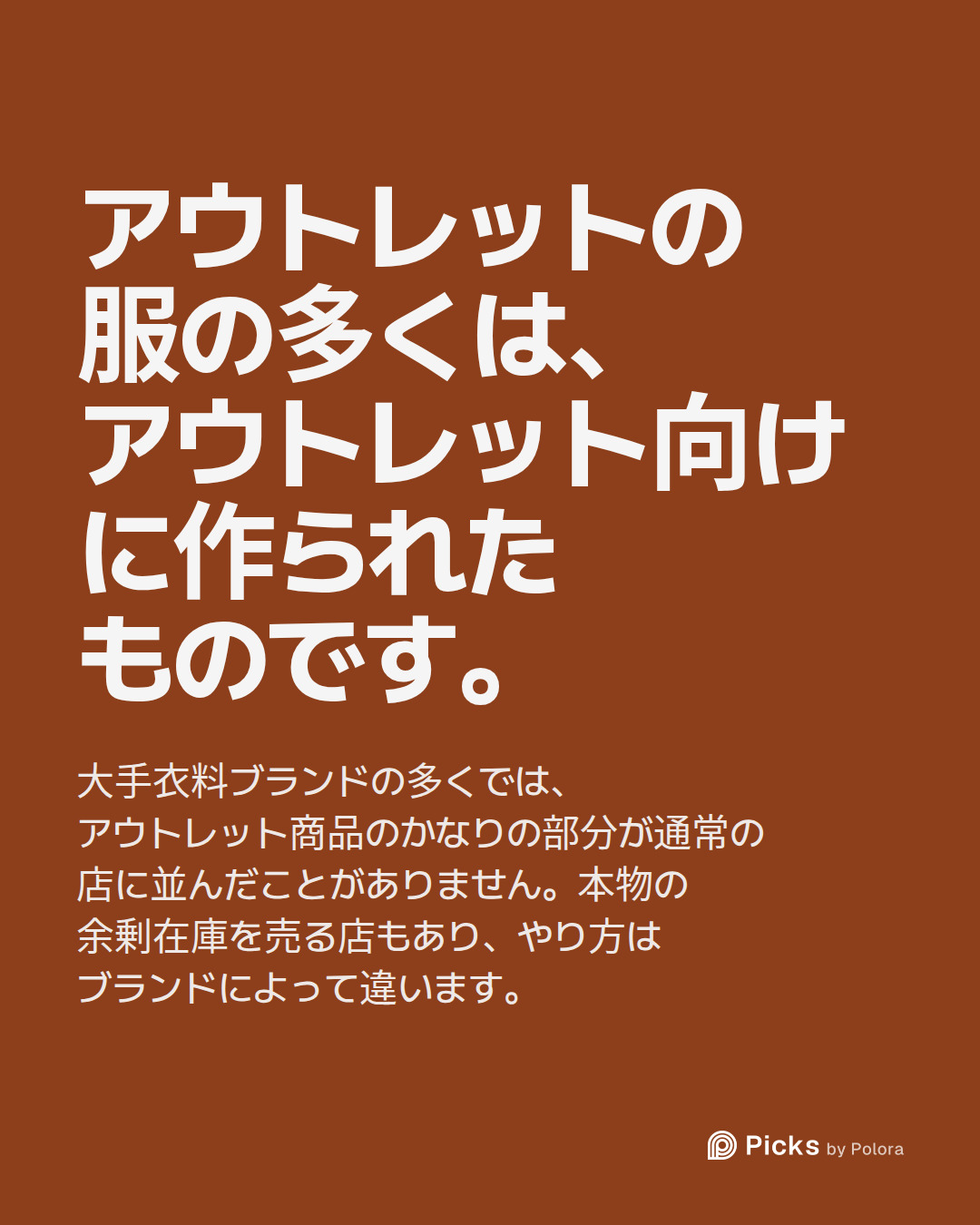
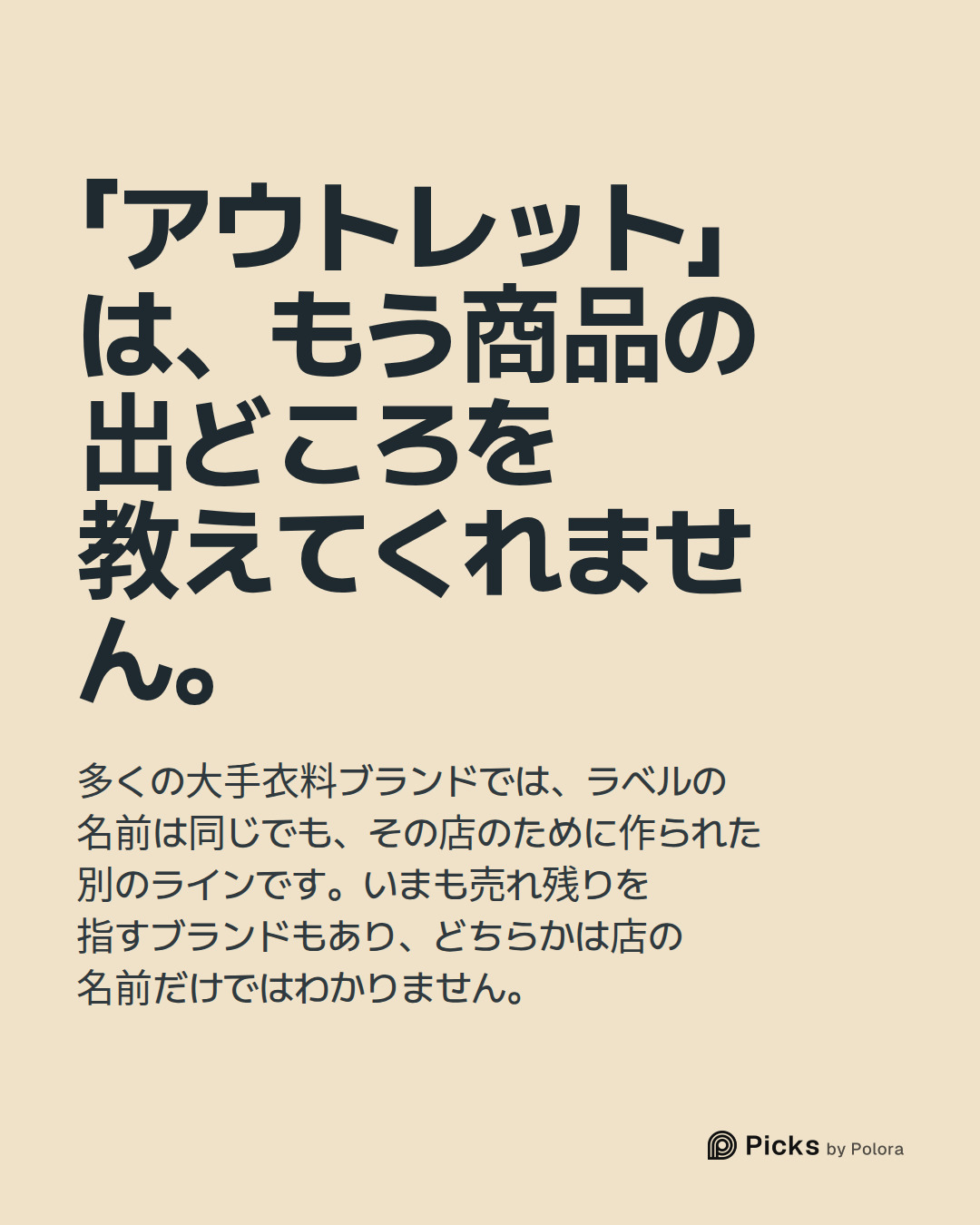
No — not as a general rule, though the old story is not completely dead either. The honest answer is: some outlet clothes are last season’s leftovers, but at many big clothing brands the bigger share is a separate product line made only for the outlet.
Where the “leftovers” story came from
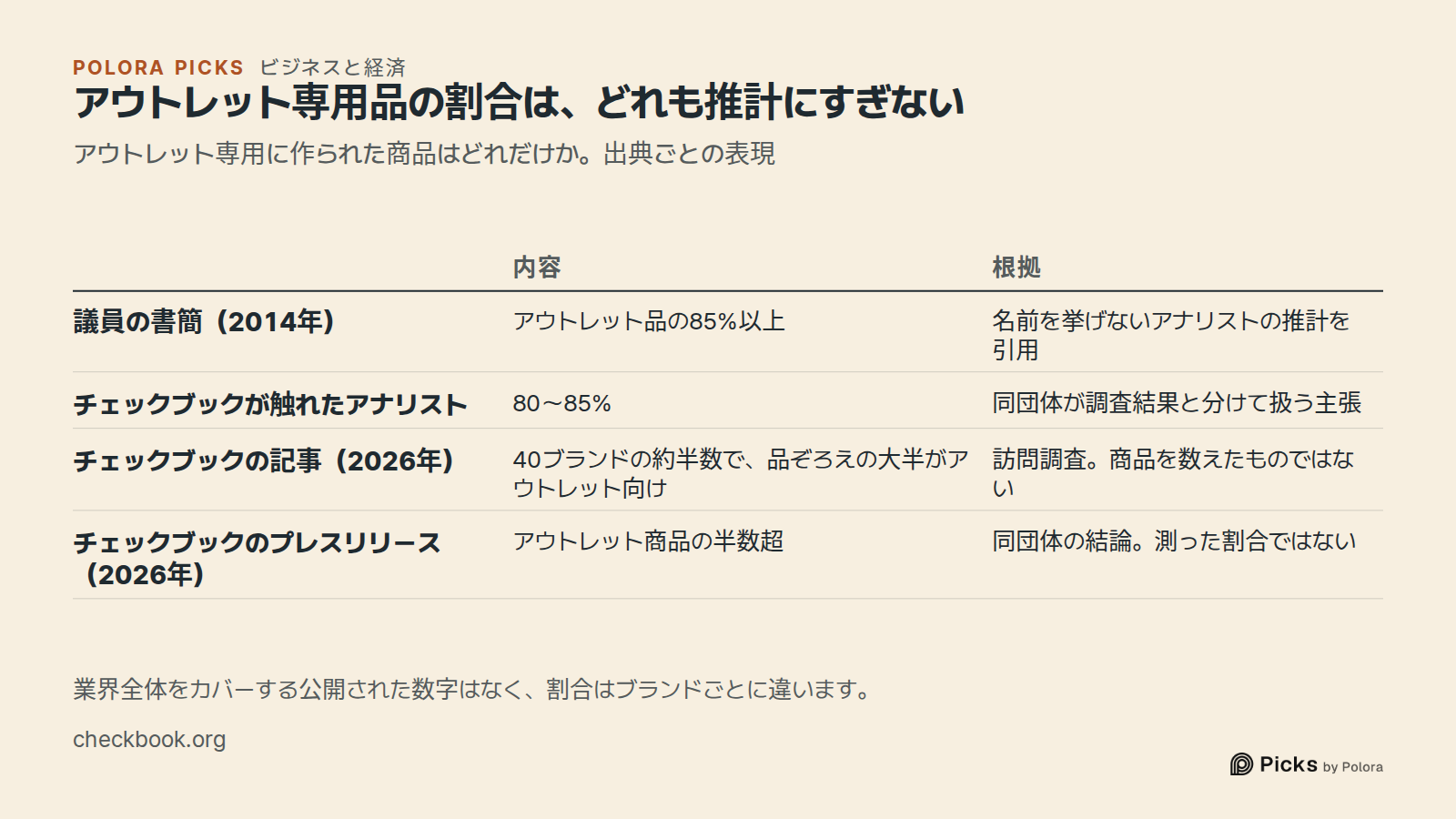
The 30 January 2014 letter from Senators Whitehouse, Blumenthal and Markey and Representative Eshoo to the FTC said outlets historically sold excess inventory and slightly damaged goods that regular stores couldn’t move. That was once largely true — but the letter’s whole point was that it no longer described most of what outlets sold.
What the brands themselves said
The 2016 CBC Marketplace investigation compared outlet and regular-store products from Banana Republic, J.Crew, Kate Spade and Coach. The material in front of me says J.Crew told Marketplace its outlets sell only made-for-outlet products, sometimes using different fabrics or design details to reach a lower price. Banana Republic said its outlets carry no product from its regular stores. Coach said everything it makes uses fine leathers and fabrics. Kate Spade declined to comment.
That’s not “unsold mainline stock.” Tha…
Beta · gpt-6-sol
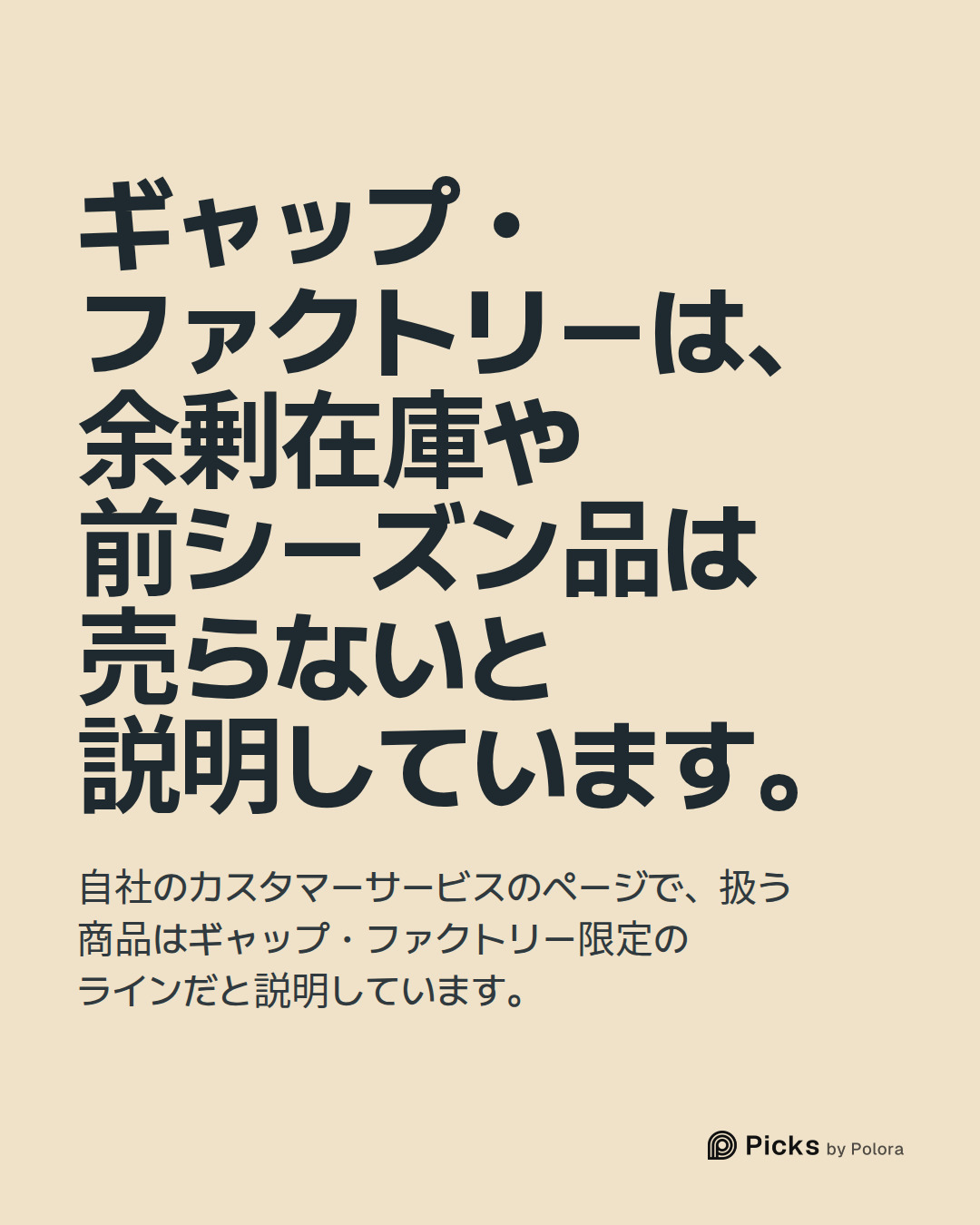
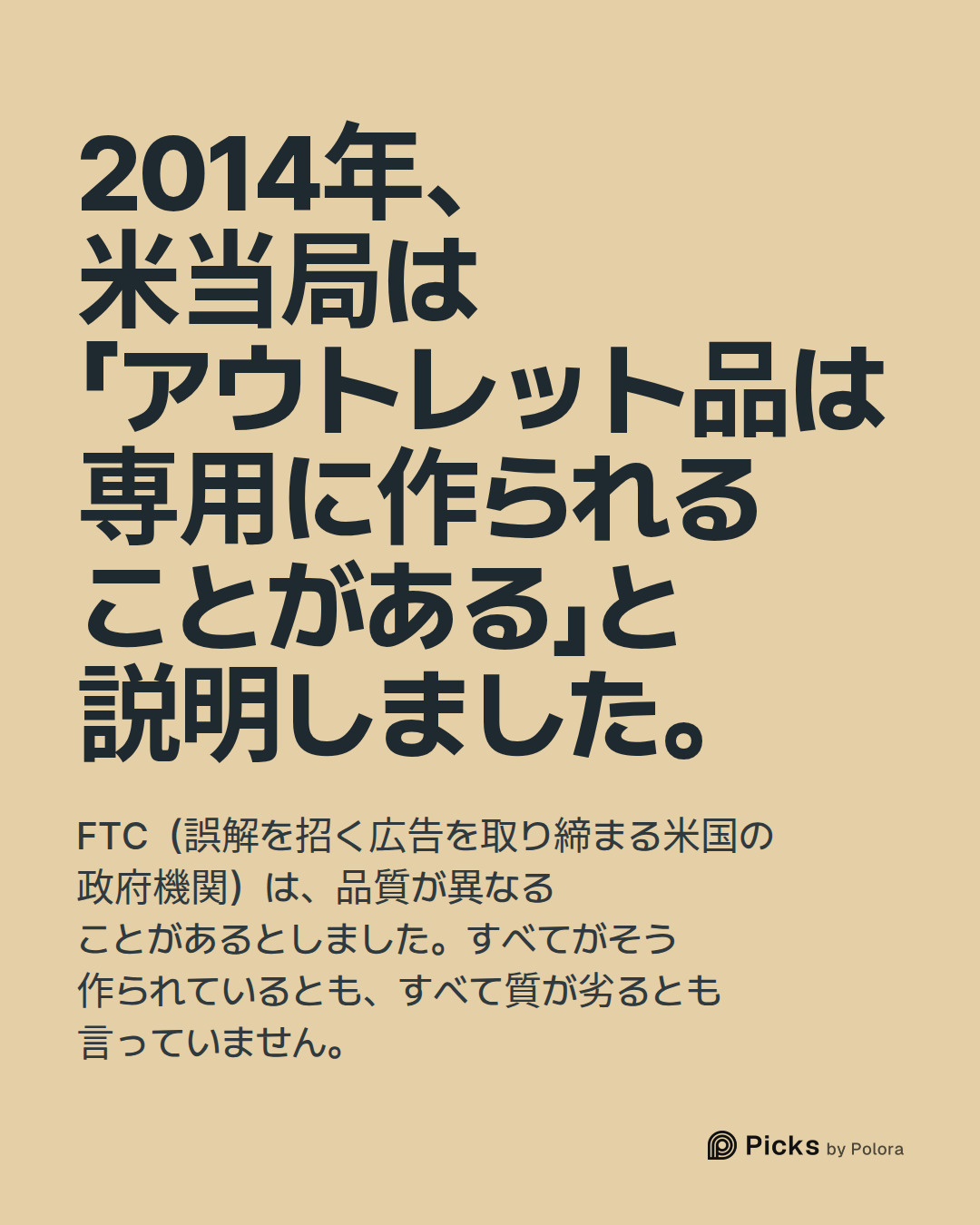
Not necessarily. Some outlets sell past-season stock, but others sell clothes designed specifically for the outlet rather than leftovers from regular stores. Gap Factory, for example, says its line is exclusive to Factory and that it does not sell Gap overstock or last season’s products. The FTC likewise says outlet merchandise *can* be made exclusively for outlets and *may* differ from regular-store merchandise—not that every outlet item is made that way or is worse. (gapfactory.com)
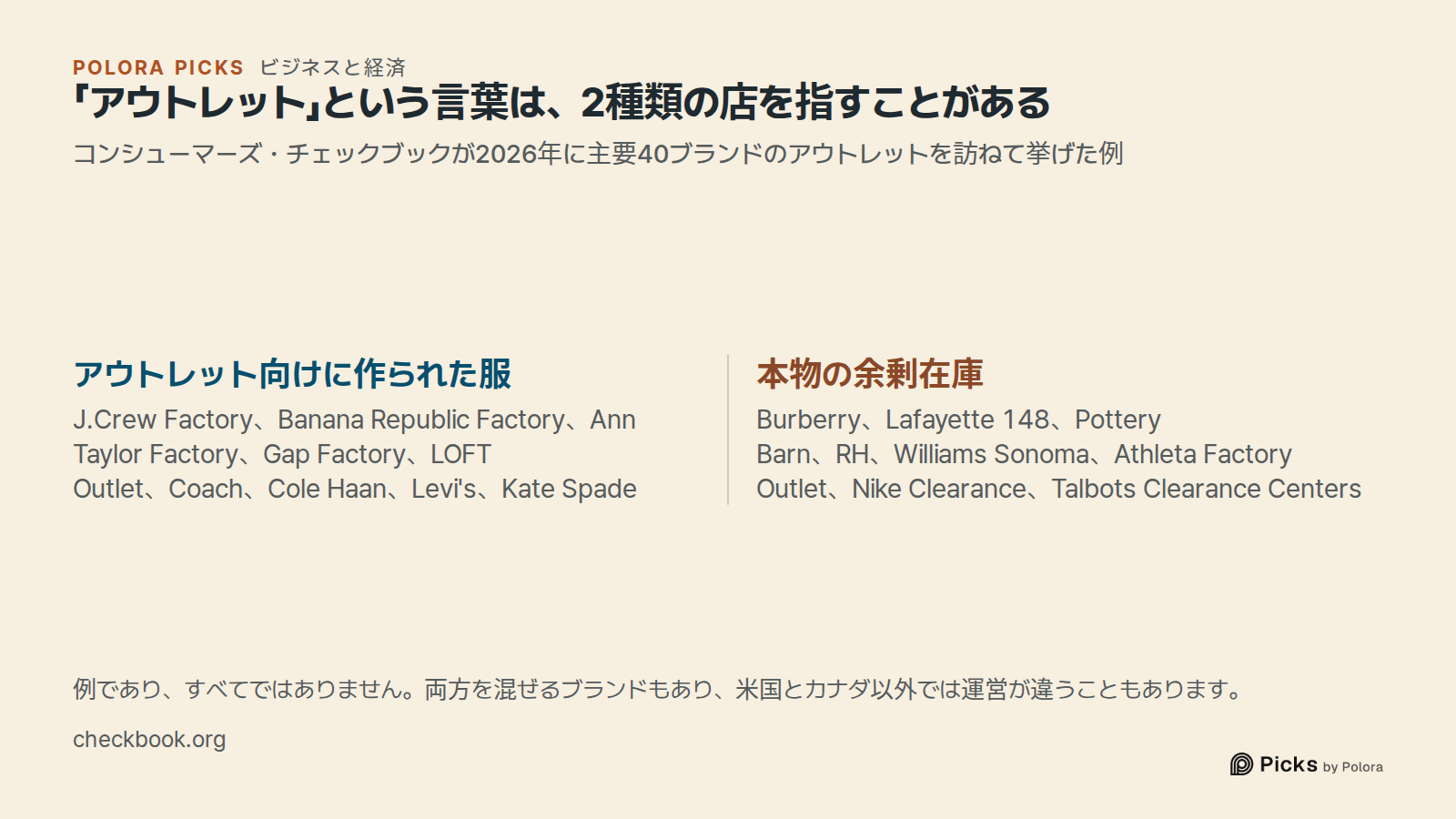
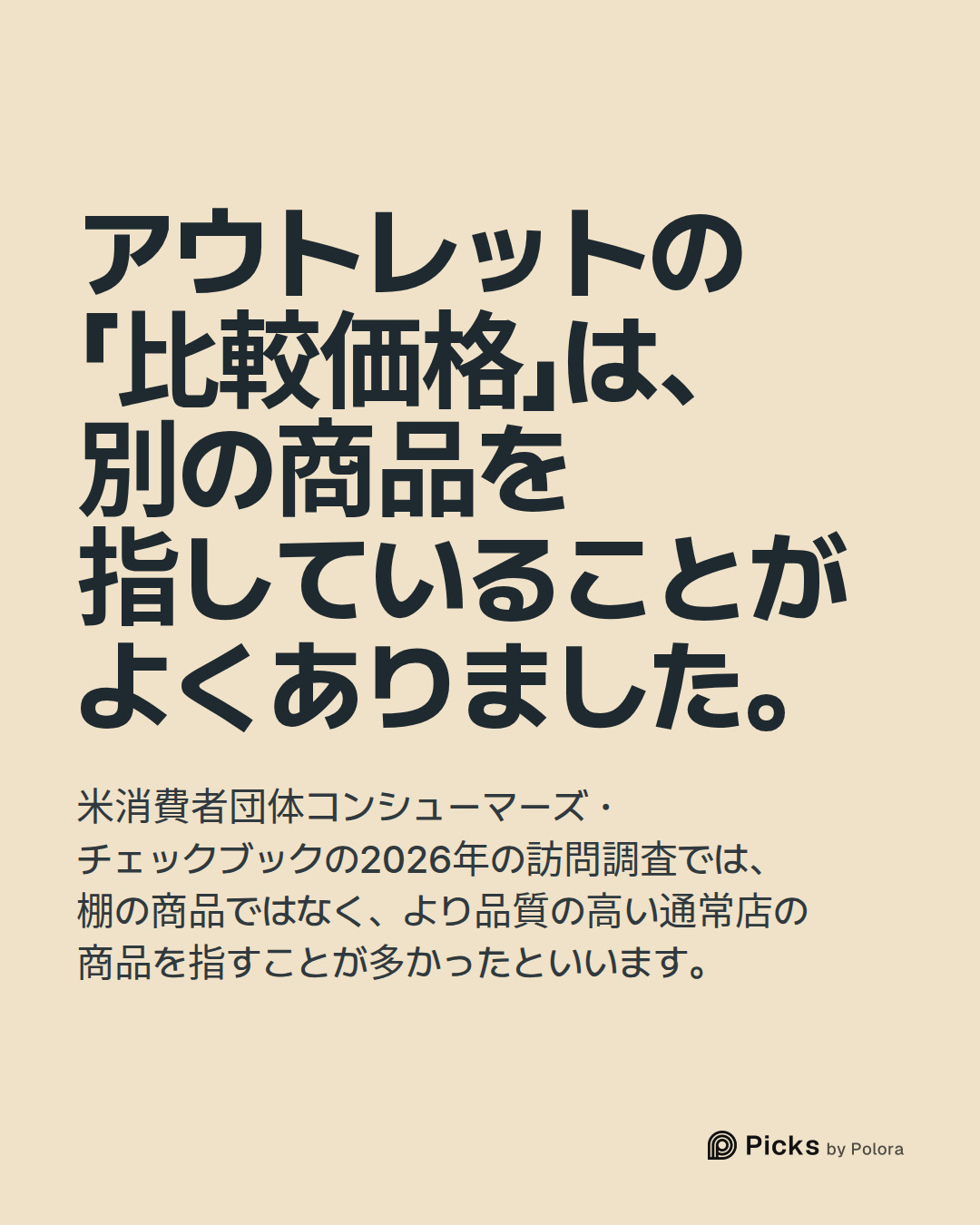
One important correction to the manuscript and Alpha’s answer: Consumers’ Checkbook’s June 2026 investigation says about half the 40 brands it studied had outlets carrying *only or mostly* made-for-outlet goods. Its article does not establish that “more than half of outlet goods” across the industry are made for outlets. It also found genuine past-season merchandise and clearance at some stores. The often-repeated 85% figure comes from analysts cited in a January 30, 2014 lawmakers’ letter, not an industry-wide count performed by the lawmakers. ([checkbook.org](https://www.checkbook.org/twin-cities…
Gamma · gemini-3.1-pro
Here is what a live check of the manuscript’s specific requests reveals:
1. The 2016 CBC Marketplace investigation and J.Crew’s exact words
I was able to locate the CBC reporting (published online in January 2016). The manuscript's summary of the brands' statements is accurate.
For J.Crew, their exact quote regarding fabrics is: *"In some cases, we do utilize different fabrics or adjust design details to maintain a more reasonable price point,"* followed by, *"We always make sure to preserve the quality and design integrity that you would expect from J. Crew."* Banana Republic did confirm its outlet stores do not sell any products from its retail stores.
*(Source: cbc.ca)*
2. The 2014 lawmakers' letter
I searched the official press release archives on the senators' websites (markey.senate.gov and whitehouse.senate.gov) for the specific phrasing of the January 30, 2014 letter, but the searches returned no matching live text. I could not verify the exact original wording directly from the Senate servers.
3. Consumers’ Checkbook (June 2026)
The manuscript correctly represents the Checkbook findings. The organization's press release explicitly concludes that "more than…
Researcher · gpt-6-luna
Researcher’s check
The record supports a qualified answer: outlet merchandise is not always last-season stock. The important limit is that available evidence does not establish what share of all outlet *items* are made for outlets.
- 2014 lawmakers’ letter — verified from the letter’s text. The January 30, 2014 letter says outlets “historically” offered excess inventory and slightly damaged goods, then attributes the “upwards of 85%” estimate to unnamed market analysts. It also says a retail price is “impossible to substantiate” when the item was never sold in regular retail stores or at that price. These are the lawmakers’ claims and concerns—not a government finding or an industry-wide measurement. The official letter is readable on Senator Markey’s site: https://www.markey.senate.gov/news/press-releases/sens-and-rep-to-ftc-outlet-stores-may-be-misleading-consumers (markey.senate.gov)
- FTC guidance — verified. The FTC’s March 20, 2014 release says outlet merchandise *can* be made exclusively for outlets and *may* differ in qualit…
The Arbiter · gpt-6-sol
The voices agree on the central distinction: an outlet can sell merchandise made specifically for that outlet, genuine overstock, or a mix. The FTC’s wording is deliberately limited—it says outlet goods *can* be made exclusively for outlets and *may* differ in quality. (checkbook.org)
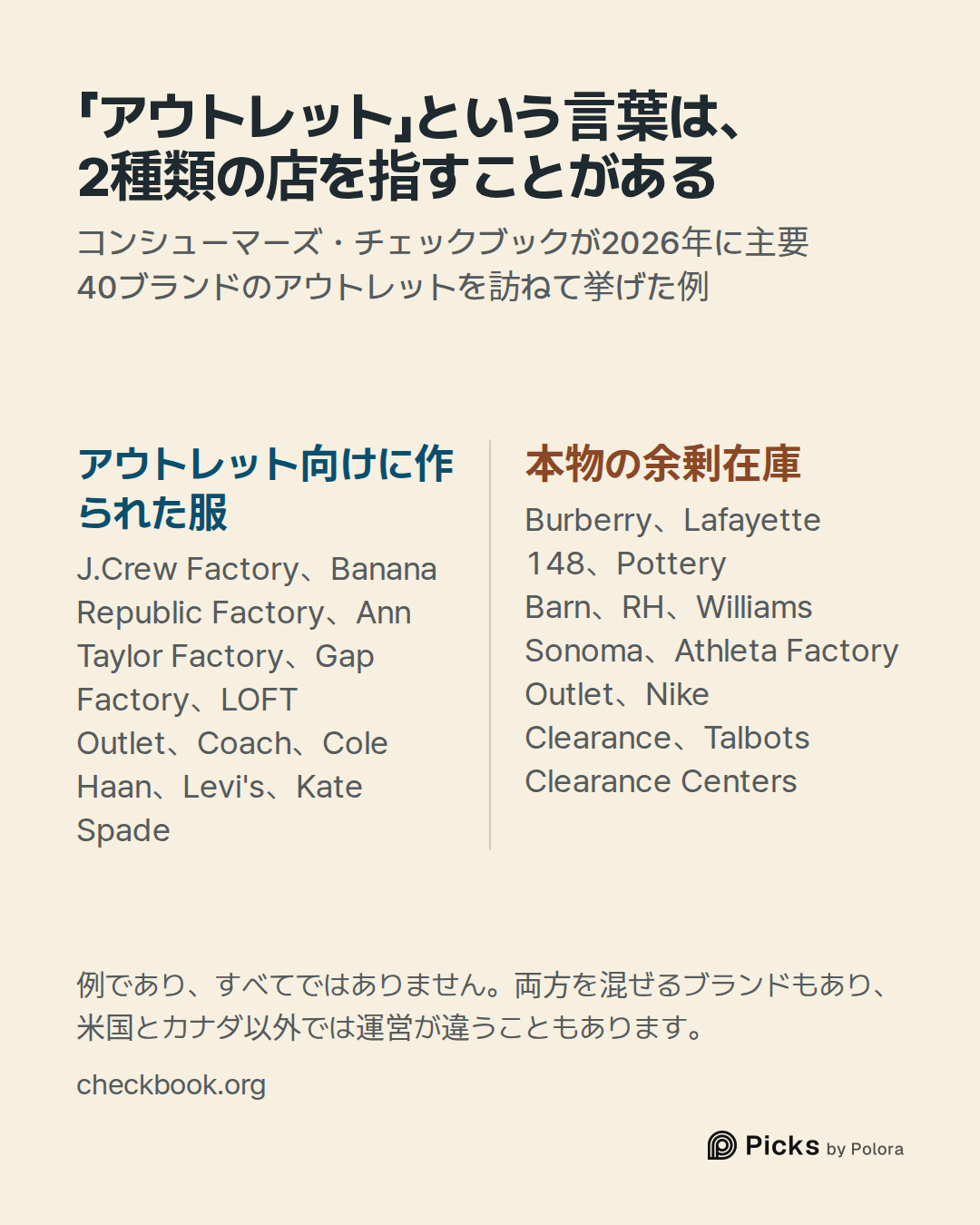
The material dispute is about how much. Checkbook’s June 2026 article says *about half of the 40 brands it studied* carried only or mostly made-for-outlet goods. Its press release goes further, saying *more than half of the goods sold* at outlet and factory stores are made for them. The described store visits do not show an industry-wide count of items sold, so the manuscript should attribute that latter wording to Checkbook rather than present it as a measured share of all outlet merchandise. The 85% figure is a separate estimate attributed to analysts in the 2014 lawmakers’ letter. (checkbook.org)
One requested check remains open: Gamma reports finding the CBC *Marketplace* article and…
The Arbiter's Final Verdict · gpt-6-sol
Sometimes, but not as a rule. Some outlets sell genuine past-season stock or overstock; others sell clothes made specifically for the outlet rather than clothes left unsold in regular stores. Gap Factory, for example, says it does not sell Gap overstock or last season’s products. The FTC likewise says outlet goods *can* be made exclusively for outlets and *may* differ from regular-store goods—not that all are made that way or are lower quality.
The strongest evidence for how much this varies is Consumers’ Checkbook’s 2026 investigation: about half of the 40 brands it studied carried only or mostly made-for-outlet goods, while others offered genuine clearance stock. That does not establish the share of all outlet garments nationwide. The often-quoted 85% figure is an estimate attributed to unnamed analysts in a 2014 lawmakers’ letter, not an industry census.
So the manuscript’s…