The short answer: you are not sent a bill for the GPS signal, but you already paid for it — through taxes.
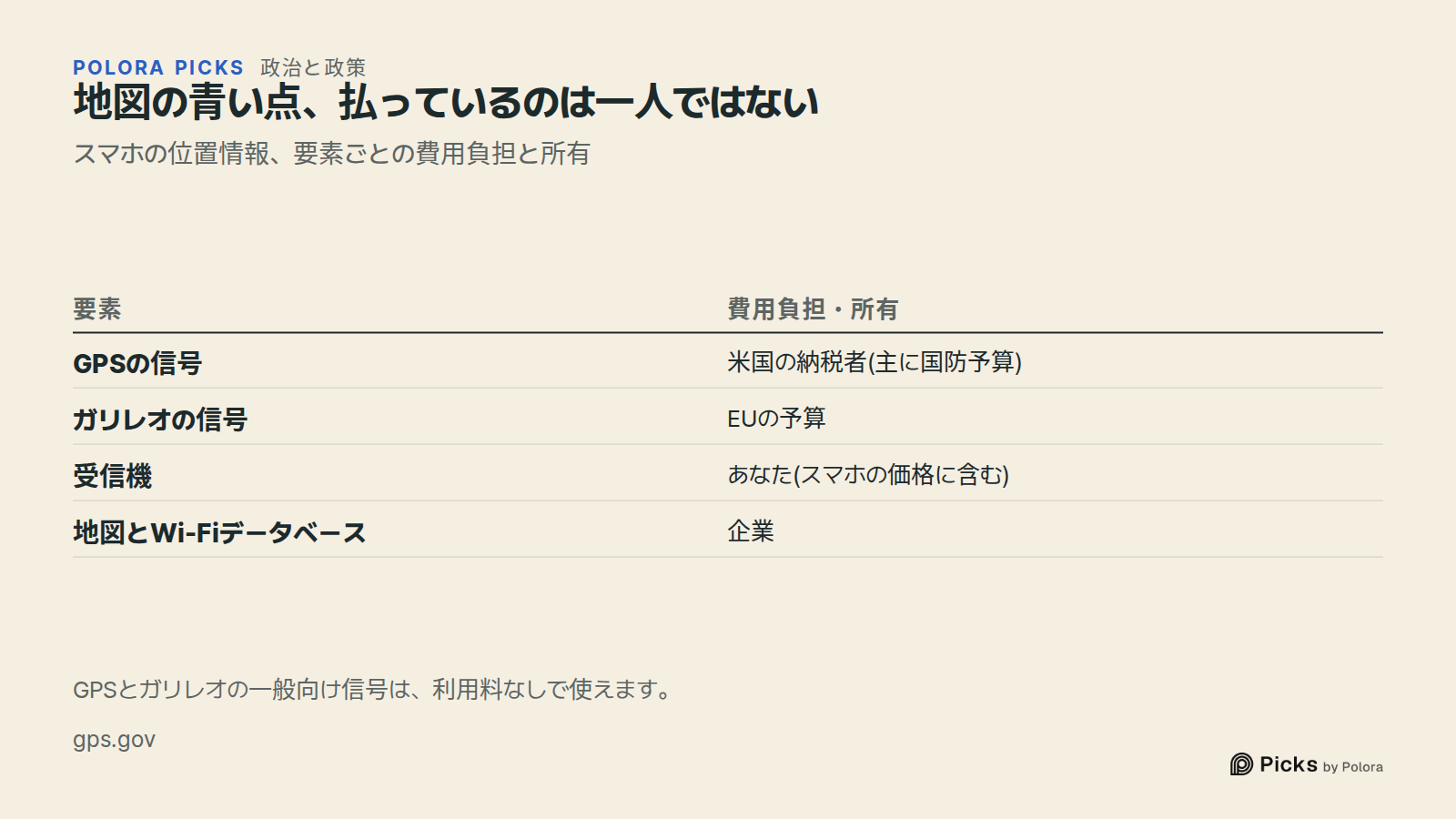
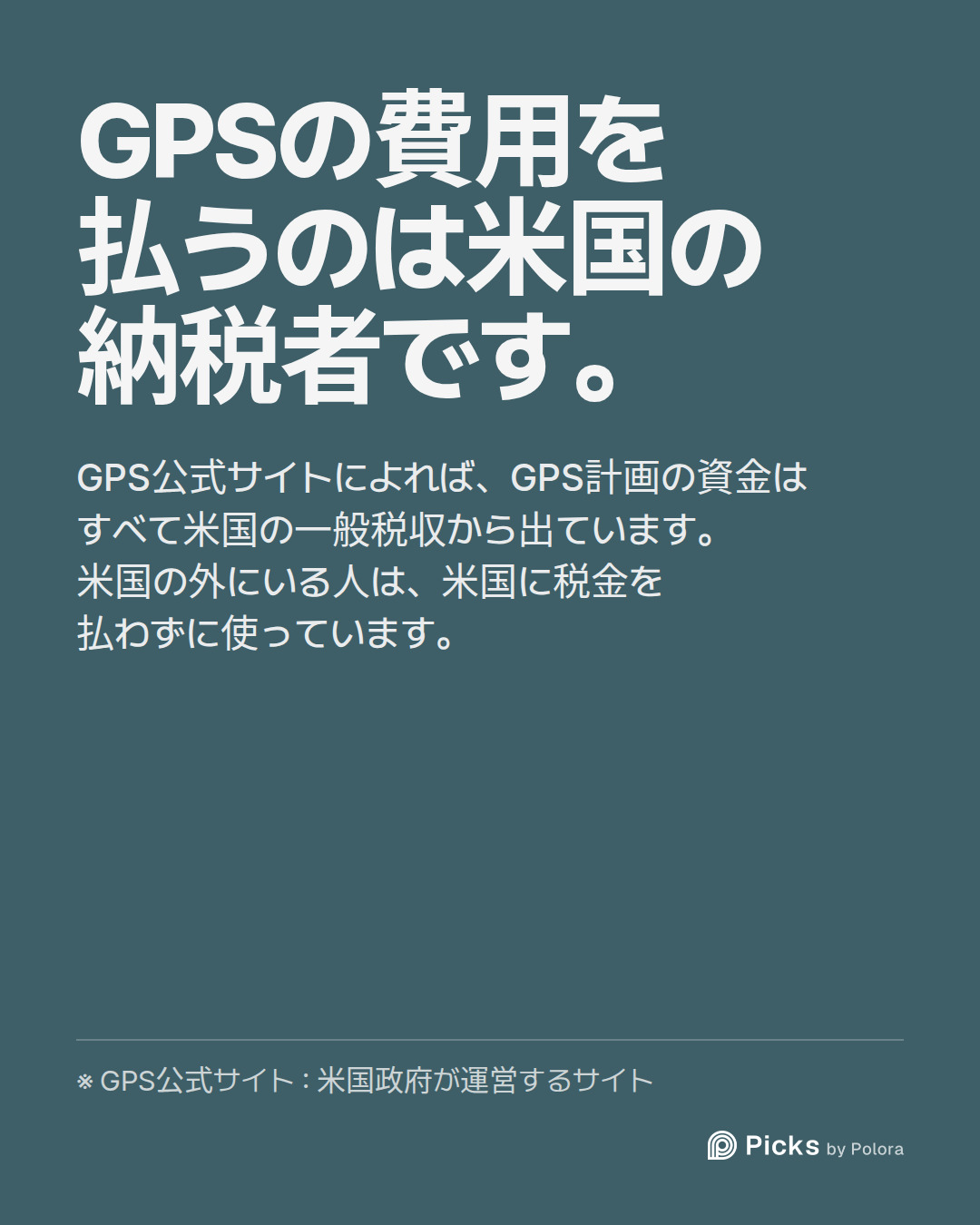
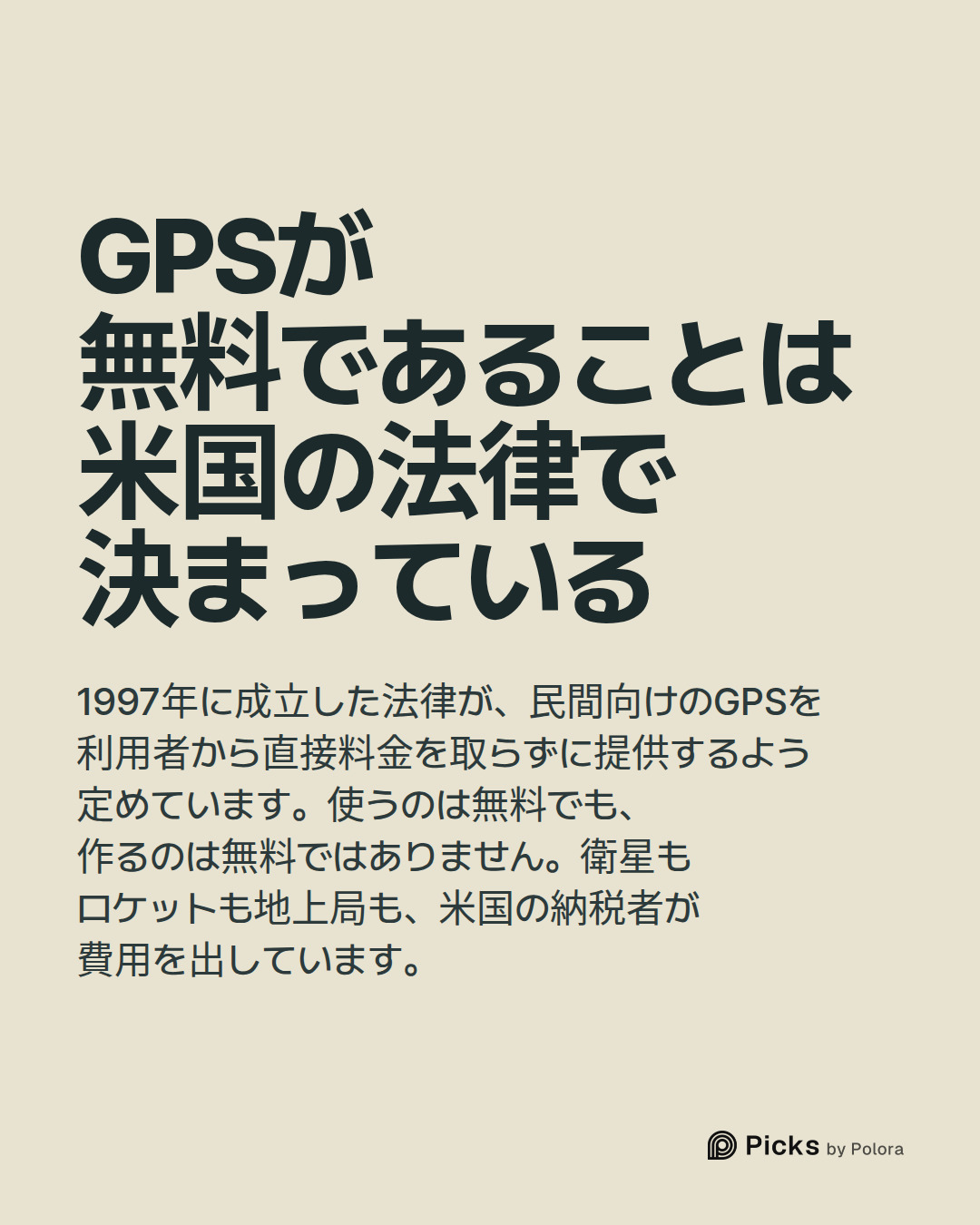
GPS is owned and operated by the U.S. government. The constellation is run by the U.S. Space Force, and its funding comes from general U.S. tax revenues through the defense budget. The U.S. government's own GPS materials put this plainly: the American taxpayer pays for the service, and there are no direct user fees.
Crucially, that “free” signal is not a favor that could quietly disappear. U.S. law, specifically 10 U.S.C. § 2281, directs the Secretary of Defense to provide the civil GPS signal worldwide on a continuous basis, free of direct user fees for peaceful civil, commercial, and scientific uses. So the satellite signal is closer to a public utility than a product.
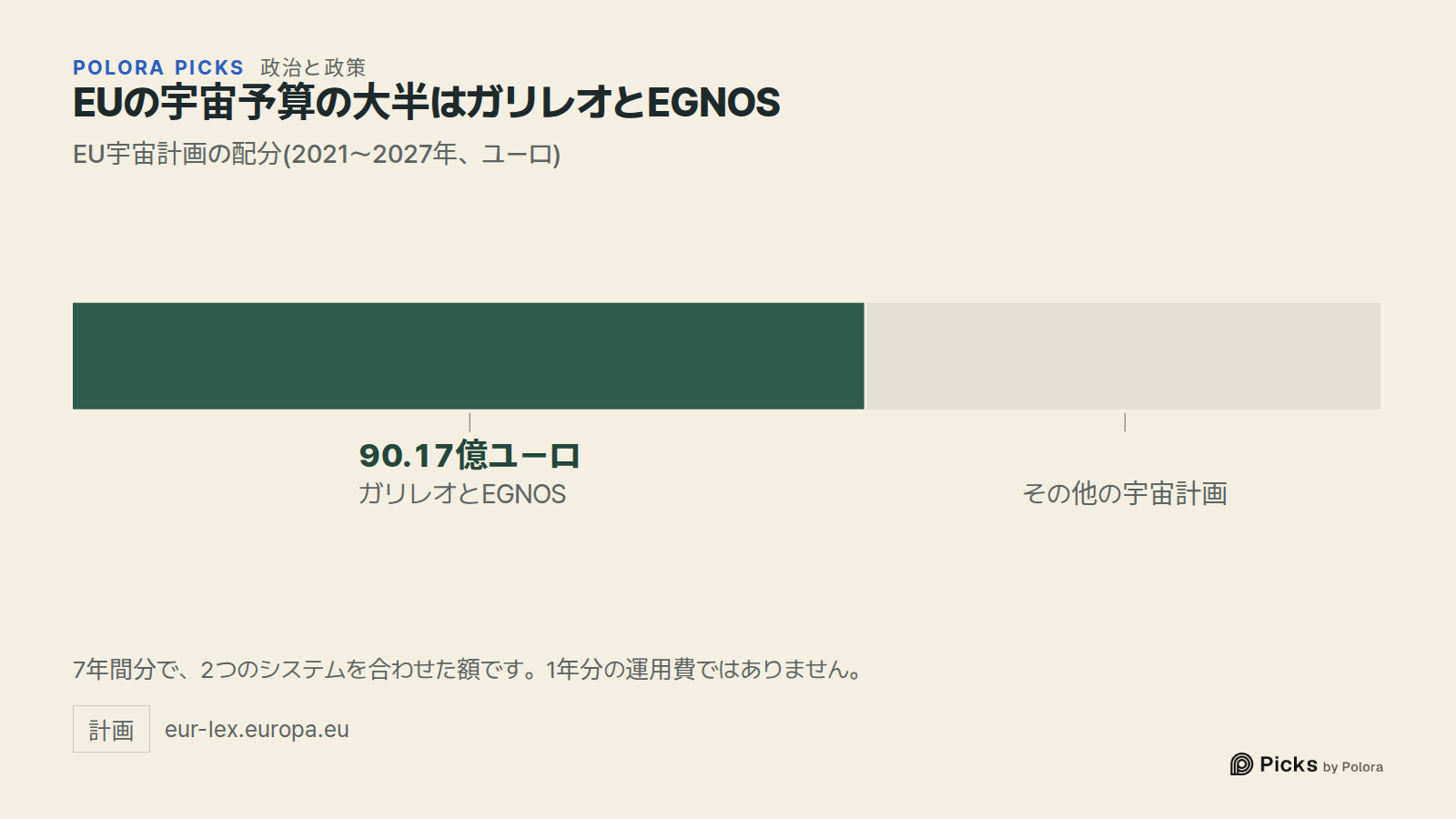
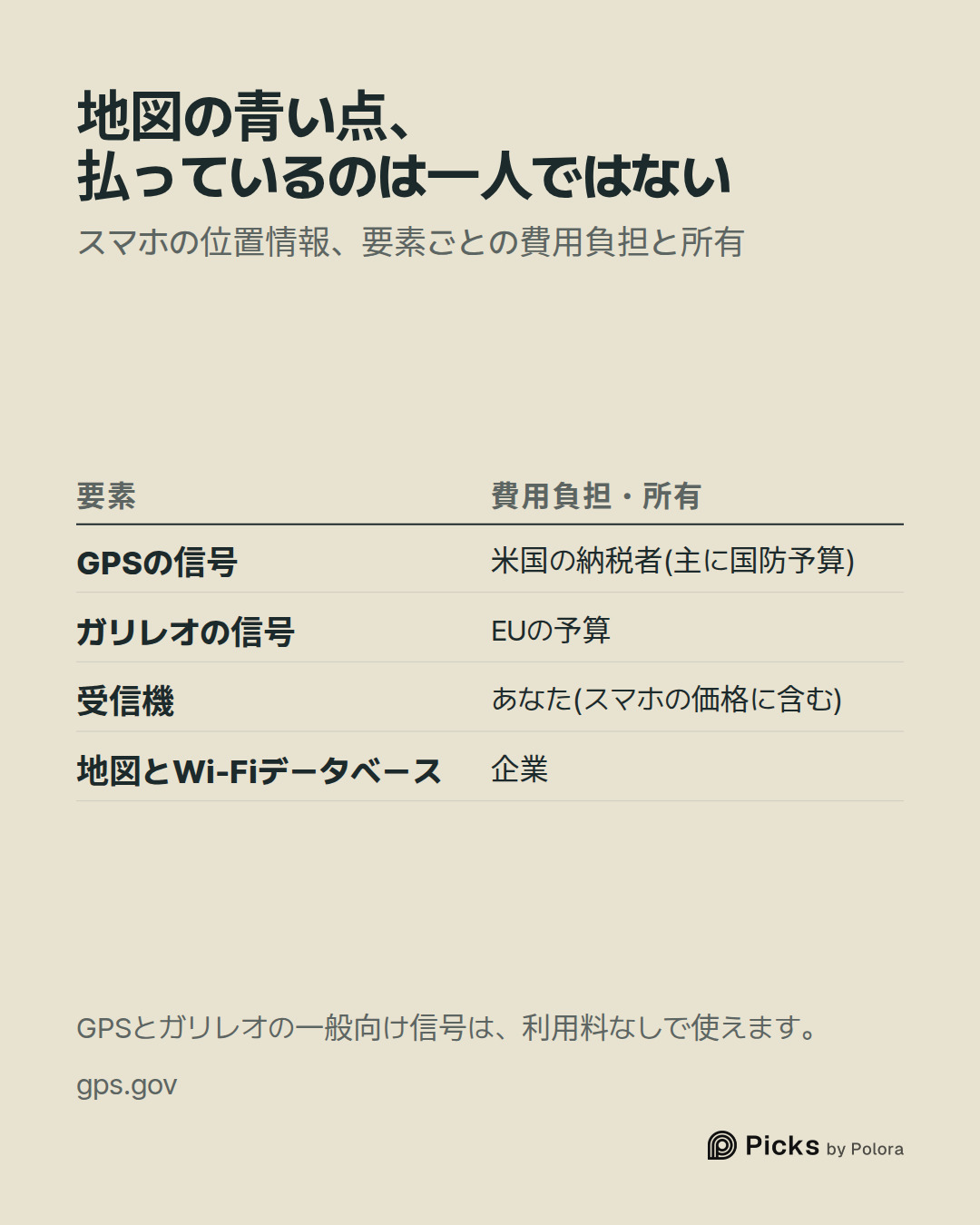
But the full “blue dot” is more complicated than GPS alone. A modern phone listens to several satellite systems at once: the U.S. GPS, Europe’s Galileo, Russia’s GLONASS, China’s BeiDou, and sometimes regional systems like Japan’s QZSS or India’s NavIC. Each of those is paid for by its own government and, ultimately, its own taxpayers. Europe’s Galileo, for example, is funded through the EU budget.
What yo…
Beta · gpt-6-sol
U.S. taxpayers pay for the GPS satellites and ground system. The U.S. Space Force operates them, and the civilian signal is available worldwide without a direct user fee. That does not mean every person using GPS has paid U.S. taxes: someone anywhere with a compatible receiver can use the signal. (gps.gov)
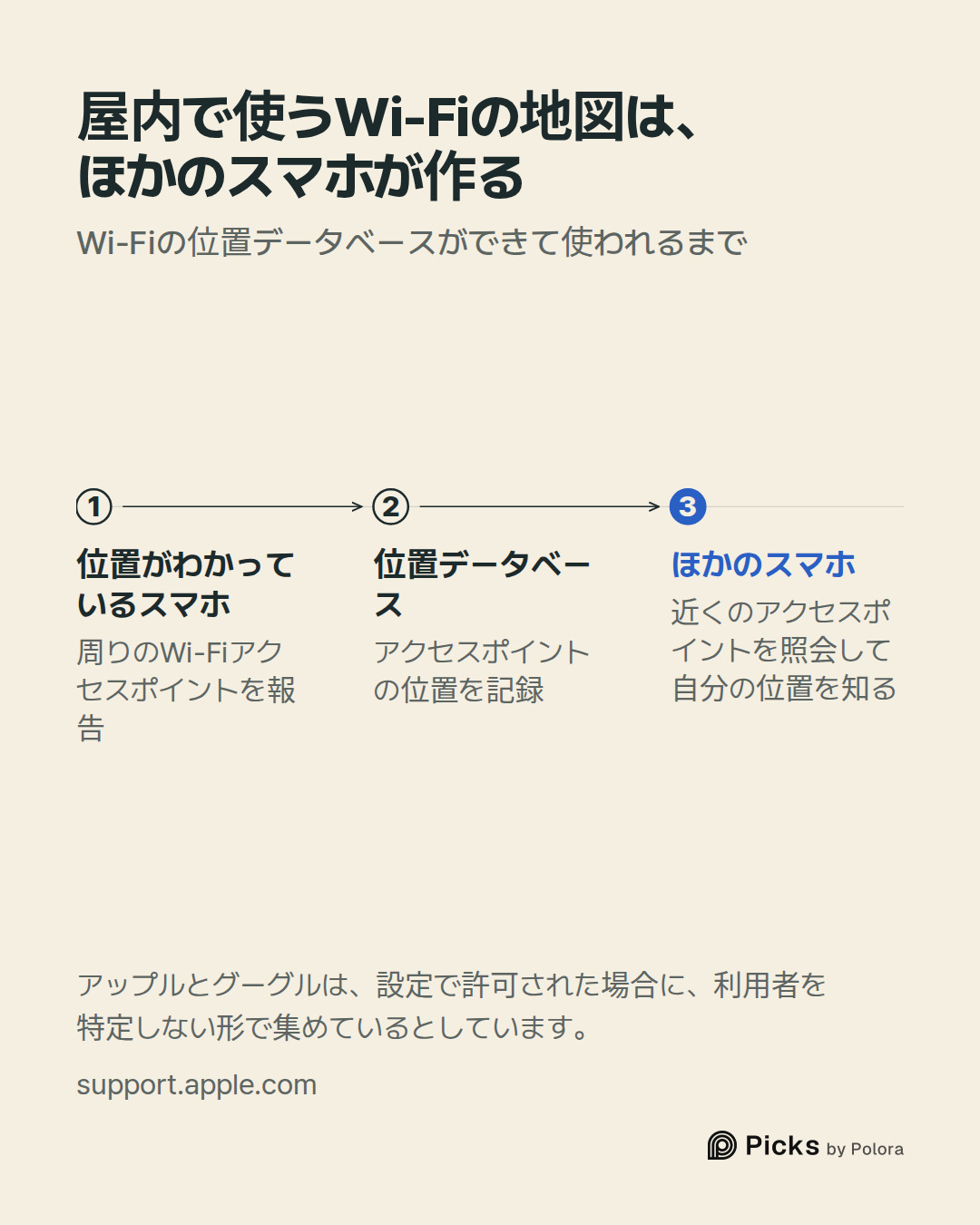
Your phone’s *blue dot* is not necessarily GPS alone. A phone may also use Europe’s EU-funded Galileo, plus Wi-Fi and cell-tower information; you pay for the receiver as part of the phone. The map and location services are a separate layer, supplied by companies. So Alpha’s “you already paid through taxes” is apt for a U.S. taxpayer, but too broad as an answer for every user worldwide. (eu-space.europa.eu)
Manuscript verification notes:
- Funding and law — supported. GPS.gov says general U.S. tax revenues fund GPS, largely through Defense. The current text of 10 U.S.C. § 2281(b) requires continuous worldwide civil service free of *direct user fees*; its source credit traces the section to the FY1998 defense authorization act, enacted Novem…
Gamma · gemini-3.1-pro
Manuscript Verification and Requested Checks:
Beta has already laid out a solid foundation. I will confirm the specific elements the editor requested to be checked against the source documents.
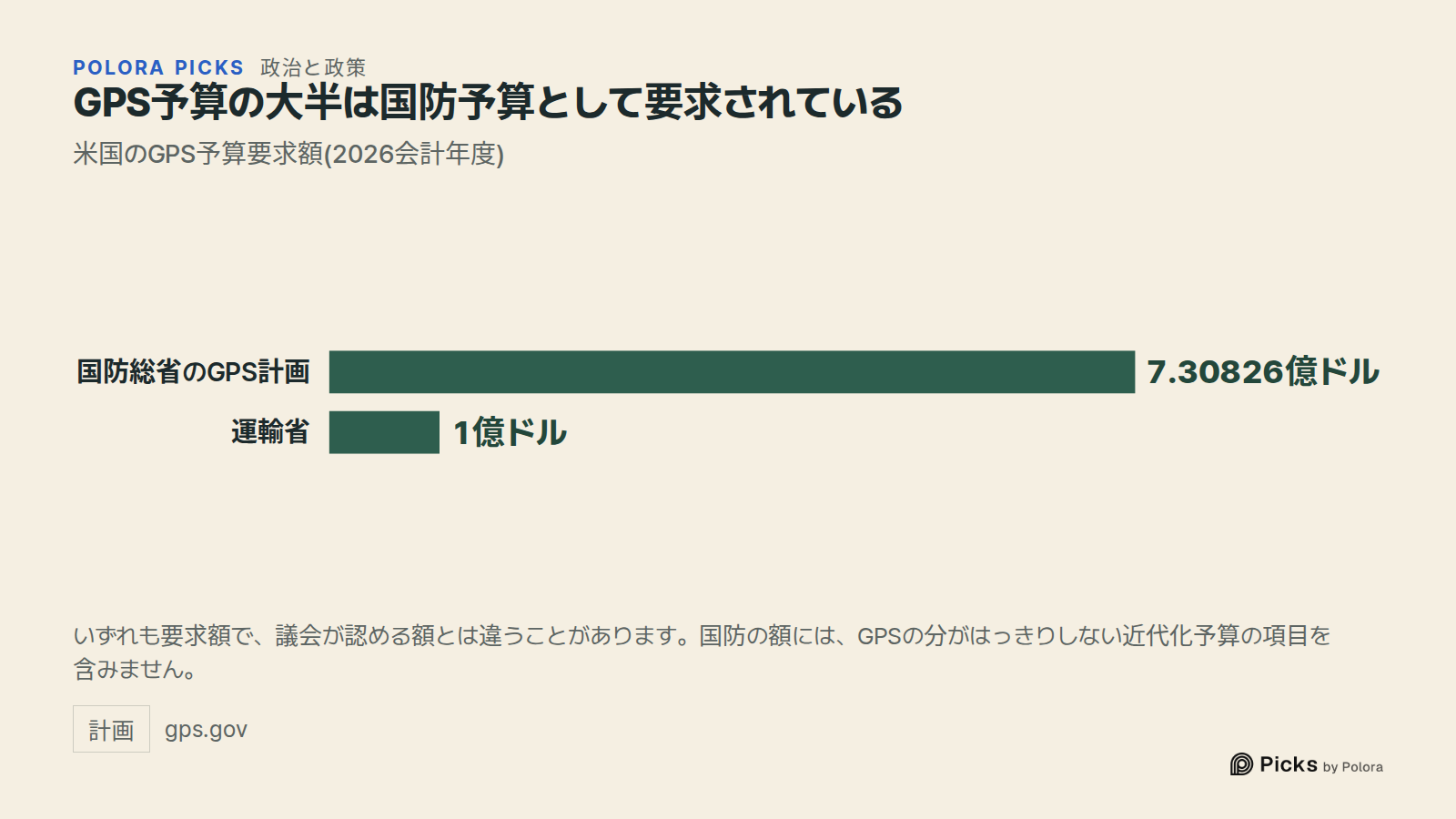
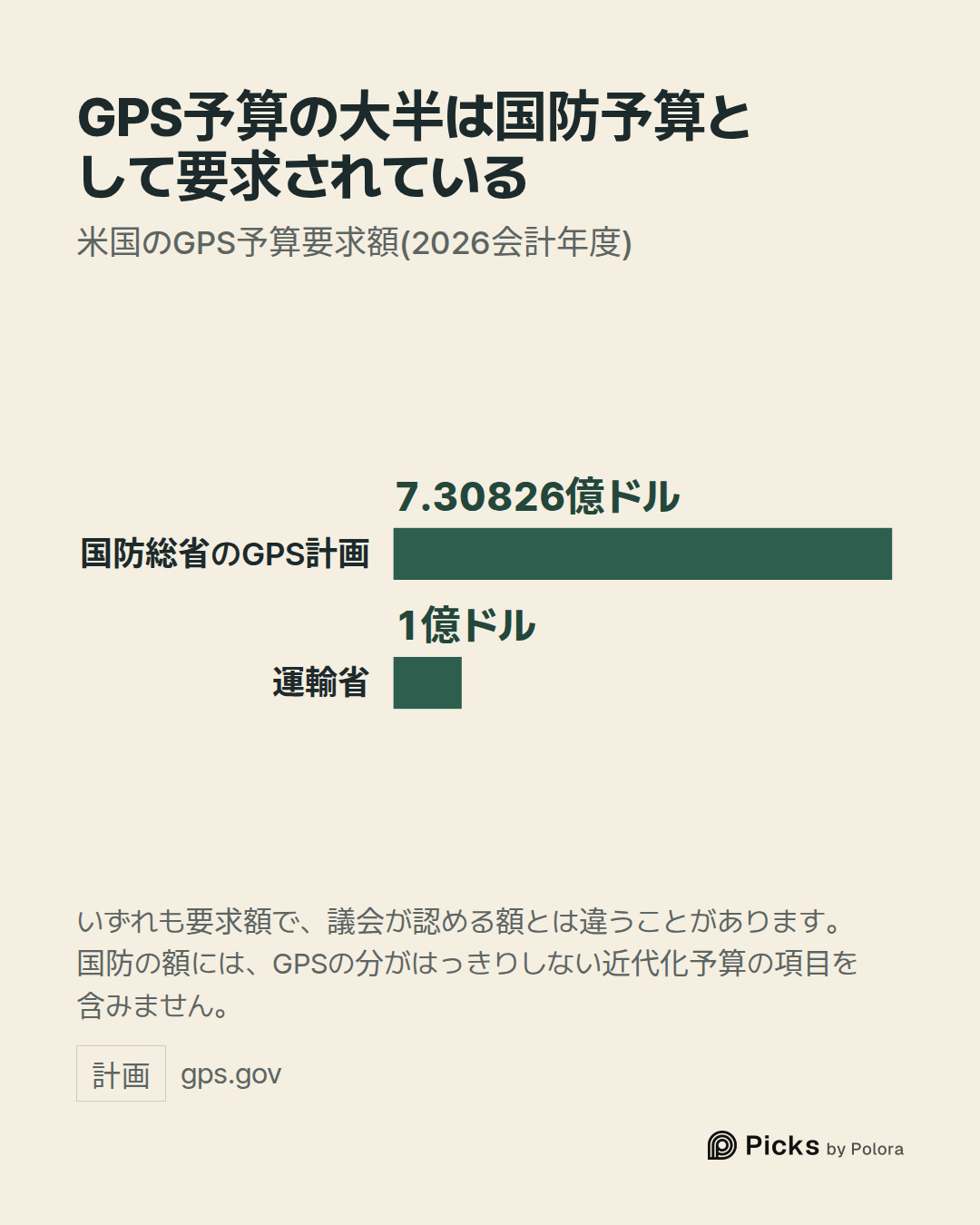
* FY 2026 Funding: The manuscript correctly labels the $730.826 million (DOD) and $100 million (DOT) figures as the *President's budget request*. This distinction is vital to keep. My check of the enacted FY 2026 Defense Appropriations reveals that Congress altered the GPS procurement lines (for example, stepping in to fund GPS IIIF spacecraft that were omitted in the initial request to avoid a gap year). Therefore, these numbers must strictly remain attributed to the *request*, not final spending.
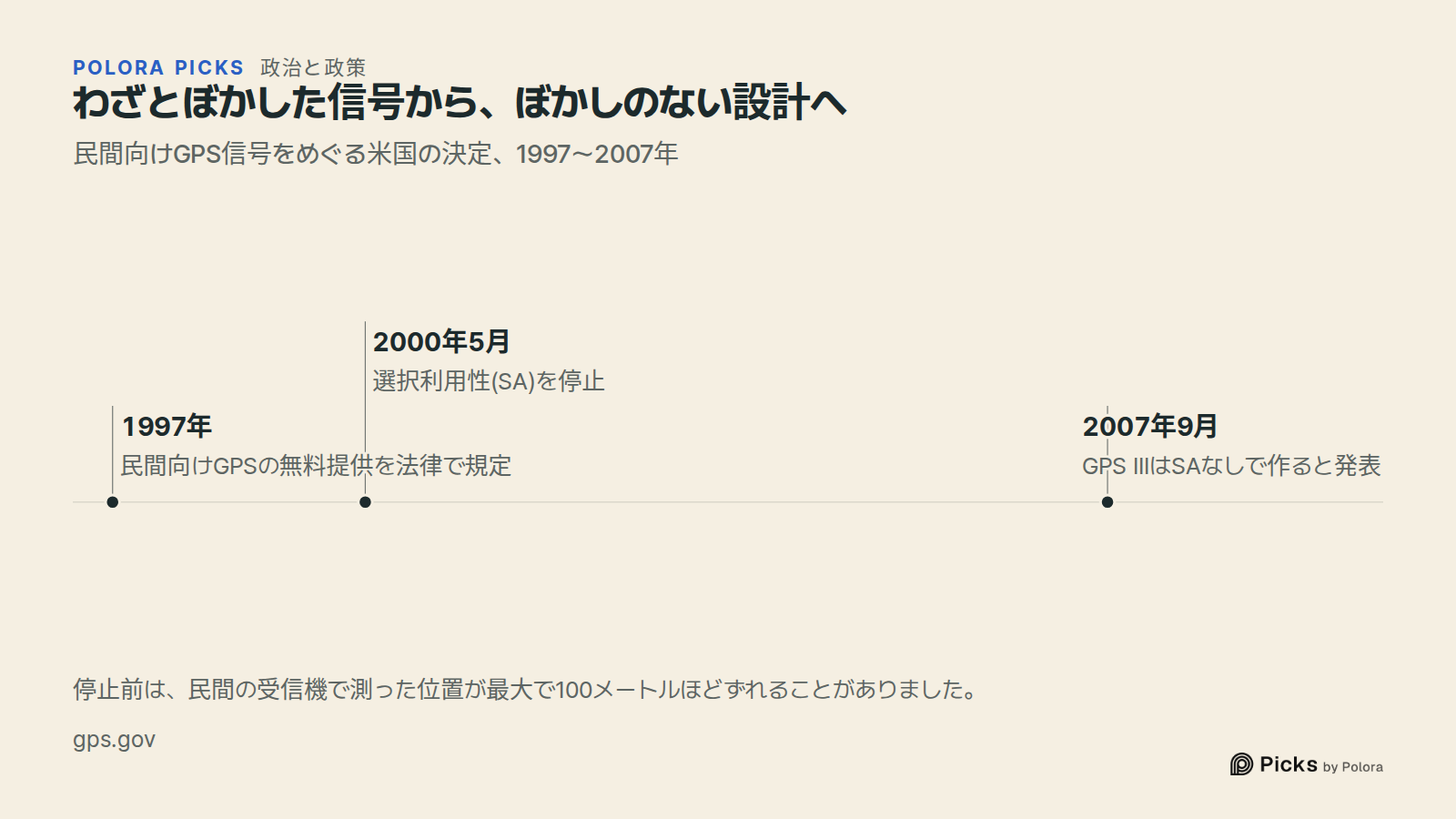
* 10 U.S.C. § 2281: The statute mandates that the civil GPS service be provided "free of direct user fees." The historical credit traces the addition of § 2281 to Public Law 105-85, section 1074, which was the National Defense Authorization Act for Fiscal Year 1998, enacted on November 18, 1997. The manuscript's claim is fully supported. (uscode.house.gov)
* Selective Ava…
Researcher · gpt-6-luna
What the sources support
- Who funds GPS: GPS.gov says the program is funded from general U.S. tax revenues, with most of the funding budgeted through the Defense Department. It also says the Space Force oversees GPS launches and operates the system on behalf of the department. The civil service is free of direct user fees, but users worldwide can receive it; that does not mean every user has paid U.S. taxes. GPS.gov, Program Funding; GPS.gov, GPS roles and responsibilities.
- The legal guarantee: 10 U.S.C. § 2281 requires continuous worldwide GPS Standard Positioning Service for peaceful civil, commercial and scientific uses, free of direct user fees. The code credits its addition to Public Law 105-85, § 1074, enacted November 18, 1997. That supports the manuscript’s claim about the law; it should not be read as a promise that service can never be interrupted. U.S. Code § 2281.
- FY 2026 figures: GPS.gov lists $730.826 million for Defense and $100 million for Transportation, including $92 million for WAAS. These are presented on the page as bu…
The Arbiter · gpt-6-sol
The voices agree on the central distinction: the GPS satellite signal is not billed to phone users, while the phone’s receiver, maps and other inputs to its location display are separate costs. The U.S. funding page describes GPS as taxpayer-funded; the statute requires its civil service to be provided worldwide free of *direct user fees*. (gps.gov)
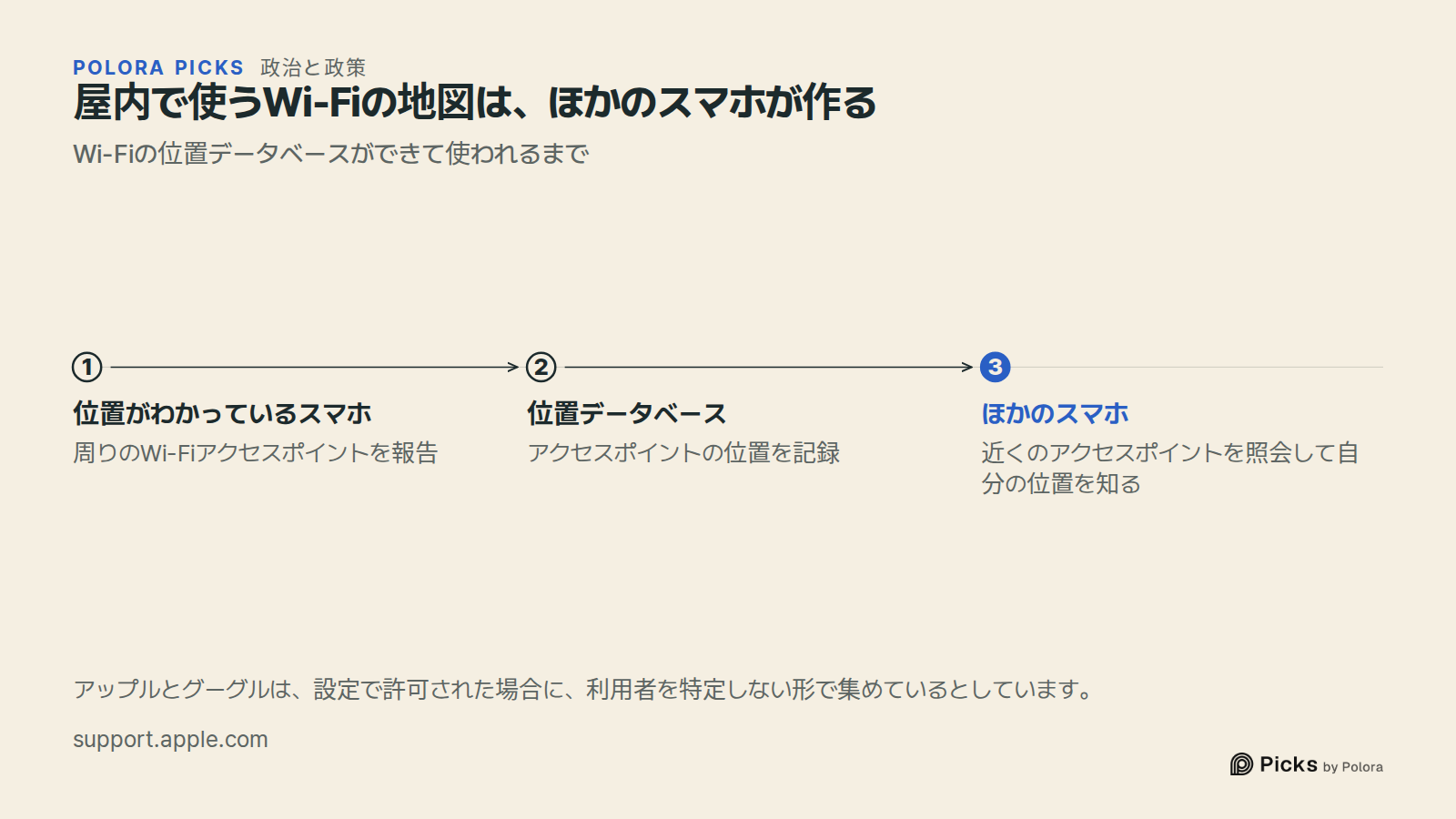
Two qualifications matter for the verdict. Alpha’s “you already paid through taxes” does not apply to every user worldwide, and “the blue dot” is broader than GPS: Apple describes a location calculation that can also use Wi-Fi and cellular information. The manuscript’s $730.826 million Defense figure is a FY2026 budget-request total, not a complete or confirmed enacted annual cost; GPS.gov flags an additional line whose GPS share is unclear. (support.apple.com)
The remaining unsupported extension is Alpha’s claim about companies earning money from users’ location data. The sources discussed establish that companies provide location-related services, not that particular revenue claim. The verdict will address the…
The Arbiter's Final Verdict · gpt-6-sol
U.S. taxpayers pay for GPS; you are not charged to receive its civilian satellite signal. The U.S. Space Force operates the system, and U.S. law requires its civil service to be available worldwide free of *direct user fees*. A person using GPS outside the United States need not have paid U.S. taxes.
That answers the question about GPS, but not the entire blue dot on a map. You pay for a satellite receiver when you buy your phone. Its position may also draw on other satellite systems—including EU-funded Galileo—and on Wi-Fi, cellular information and company-provided maps and location services. Those are distinct from the free GPS signal.
Verdict on the manuscript: Its taxpayer-funded GPS premise stands, with that distinction kept clear. Its FY2026 $730.826 million Defense and $100 million Transportation figures are budget requests, not a verified complete or enacted annual GPS bill. The law does not guarantee that service can never be interrupted. The account of [Selective Availability](https://archive.gps.gov/systems/…