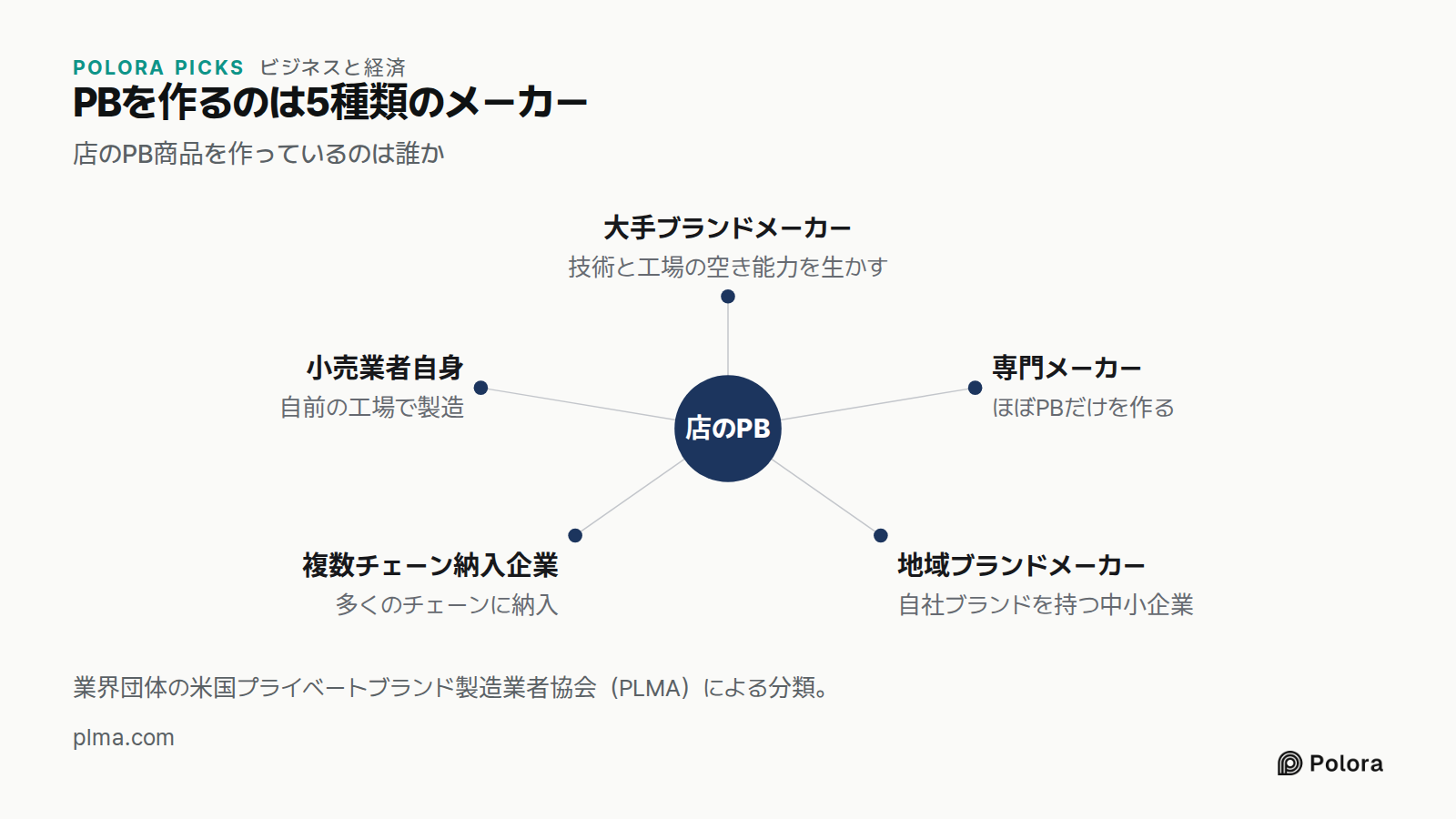
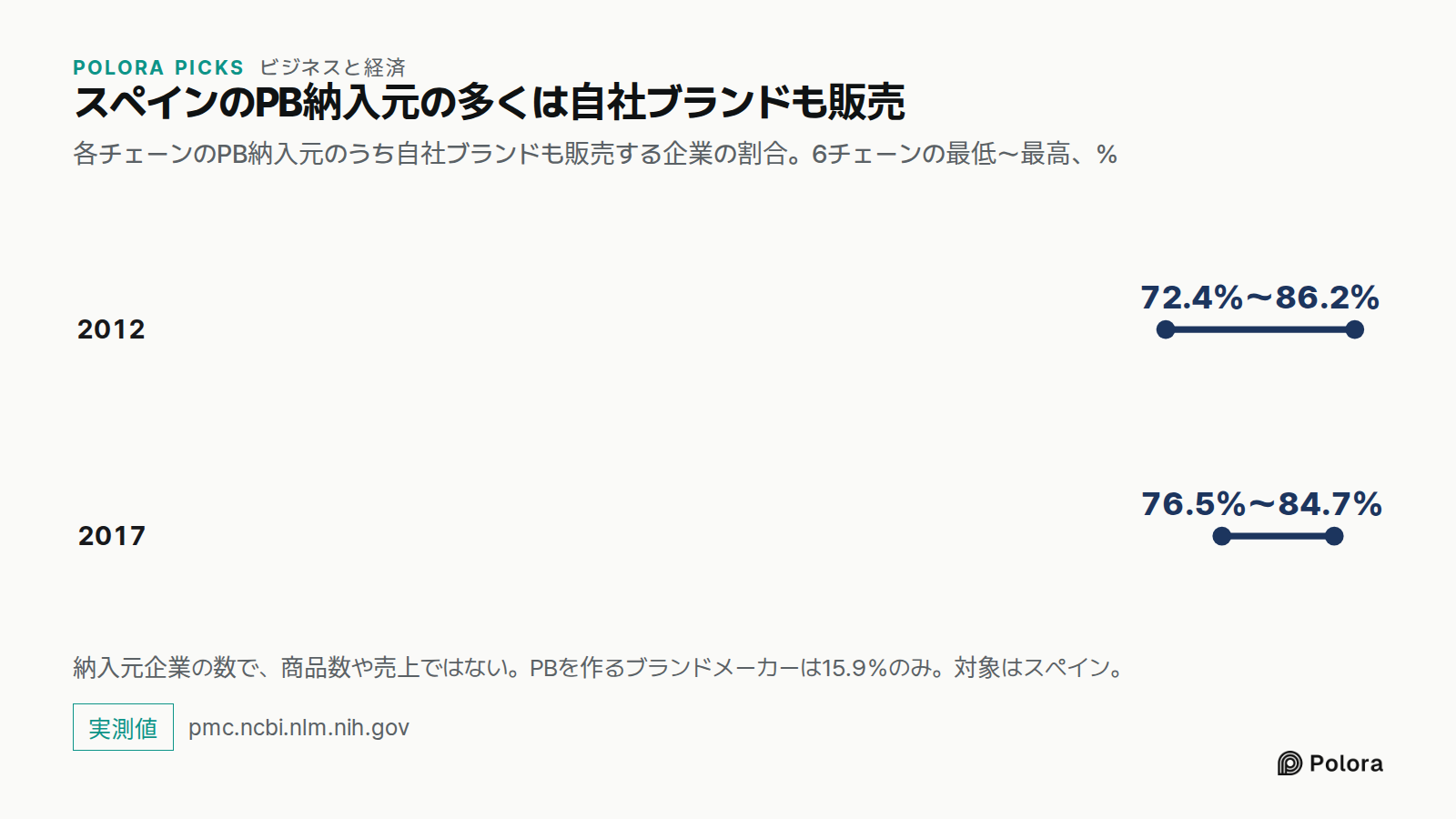
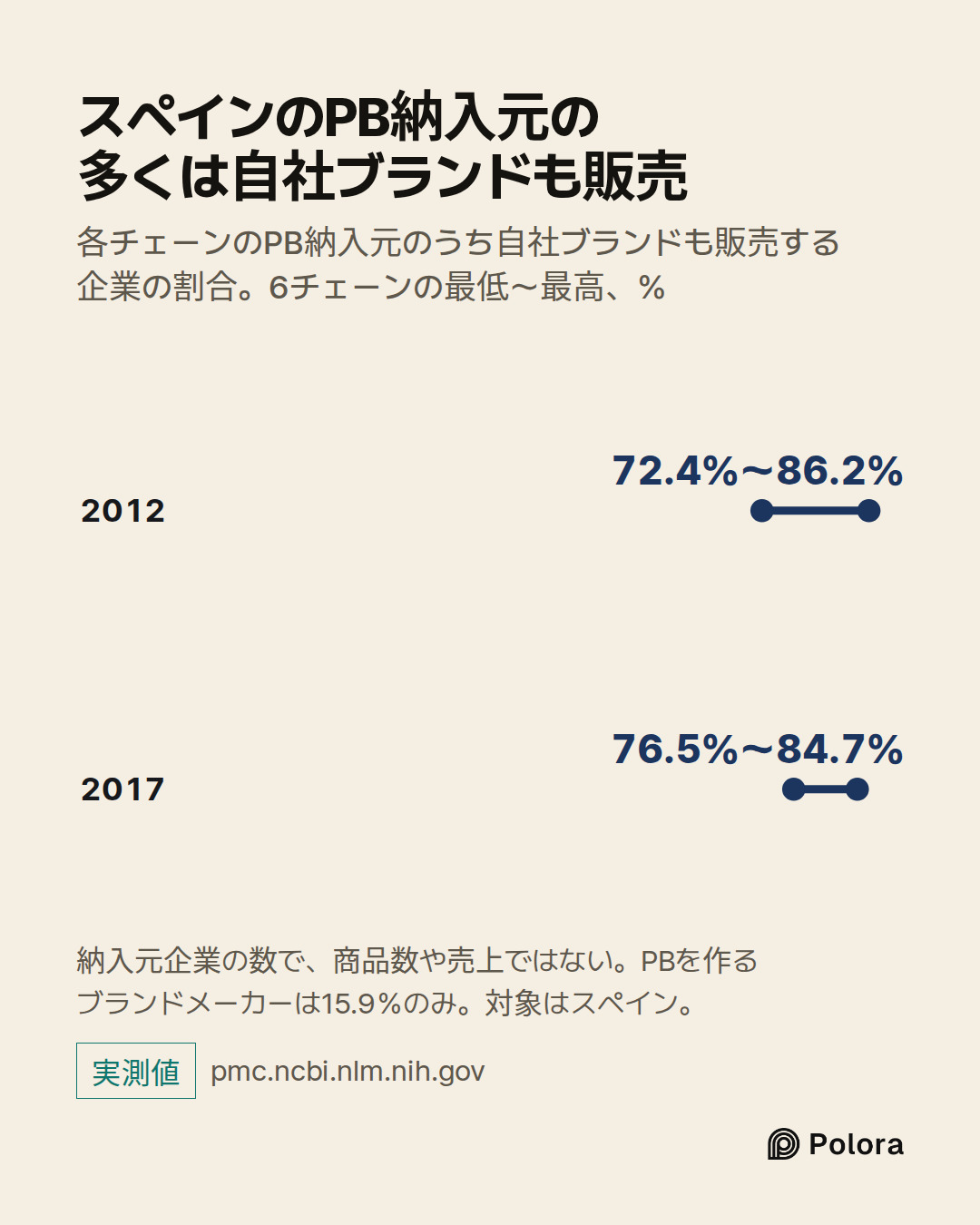
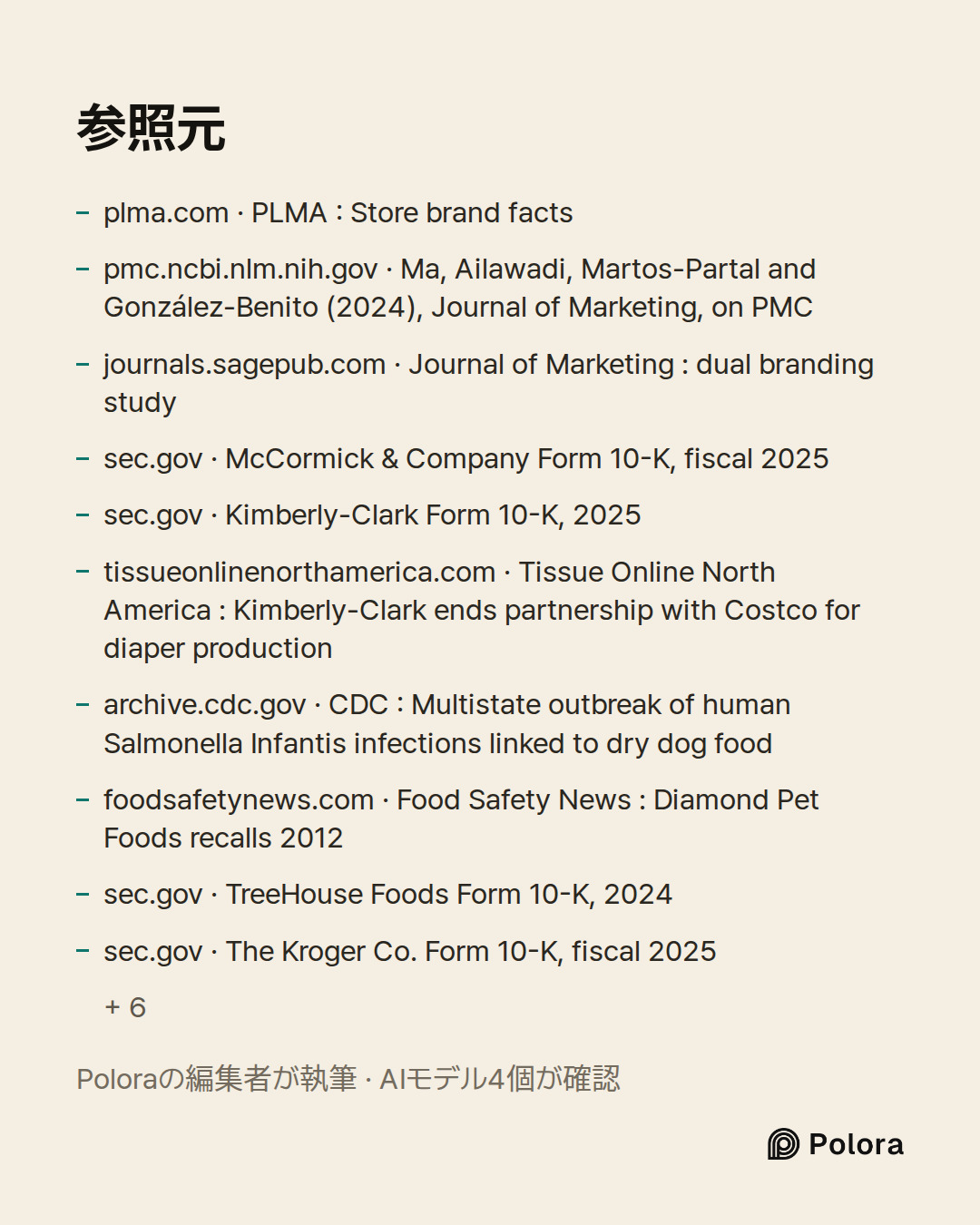
納入元の一覧はなかなか手に入らないので、PBを誰が作っているかという話の多くは推測にすぎません。例外が、2024年に米国の学術誌『Journal of Marketing』に載った研究です。著者らは、メルカドナ、カルフール、ディアを含むスペインの大手スーパー6社について、260を超える商品カテゴリーでPBを納める企業の名前を、2012年と2017年の2時点で入手しました。
Is the store brand made by the same company as the name brand next to it?
Alpha · claude-sonnet-5
Having checked the two most consequential unverified items in the manuscript, here's my assessment of where the piece stands and what the record actually supports.
The Kirkland diaper switch: confirmed independently of Bloomberg's paywall. Multiple outlets relaying the Bloomberg report converge on the same facts: Kimberly-Clark stopped making Kirkland Signature diapers for Costco, First Quality took over "starting in January," and the stated reason was Kimberly-Clark ending diaper production for Costco's private label, abandoning low-margin private label contracts in favor of focusing on higher-priced premium products under its own brand. I could not find a Costco, Kimberly-Clark, or First Quality statement that independently confirms this without routing through Bloomberg — What To Expect reached out to both Costco and First Quality for comment, and Costco declined while First Quality did not respond. So the manuscript's flagged gap is real: this remains a single-sourced trade-press chain, not a company-confirmed fact. The manuscript should keep it labeled as Bloomberg-sourced, not company-disclosed, which is a meaningfully weaker evidentiary tier than the McCormick or Kroger…
Beta · gpt-6-sol
The premise stands: sometimes the store brand and a name brand have the same manufacturer, but that does not establish that they are the same product—or even that the adjacent name brand is the one that manufacturer makes. The manuscript has good evidence for the first proposition and wisely resists the second. Its principal weakness is treating reasons for supplier anonymity as more certain than the sources allow.
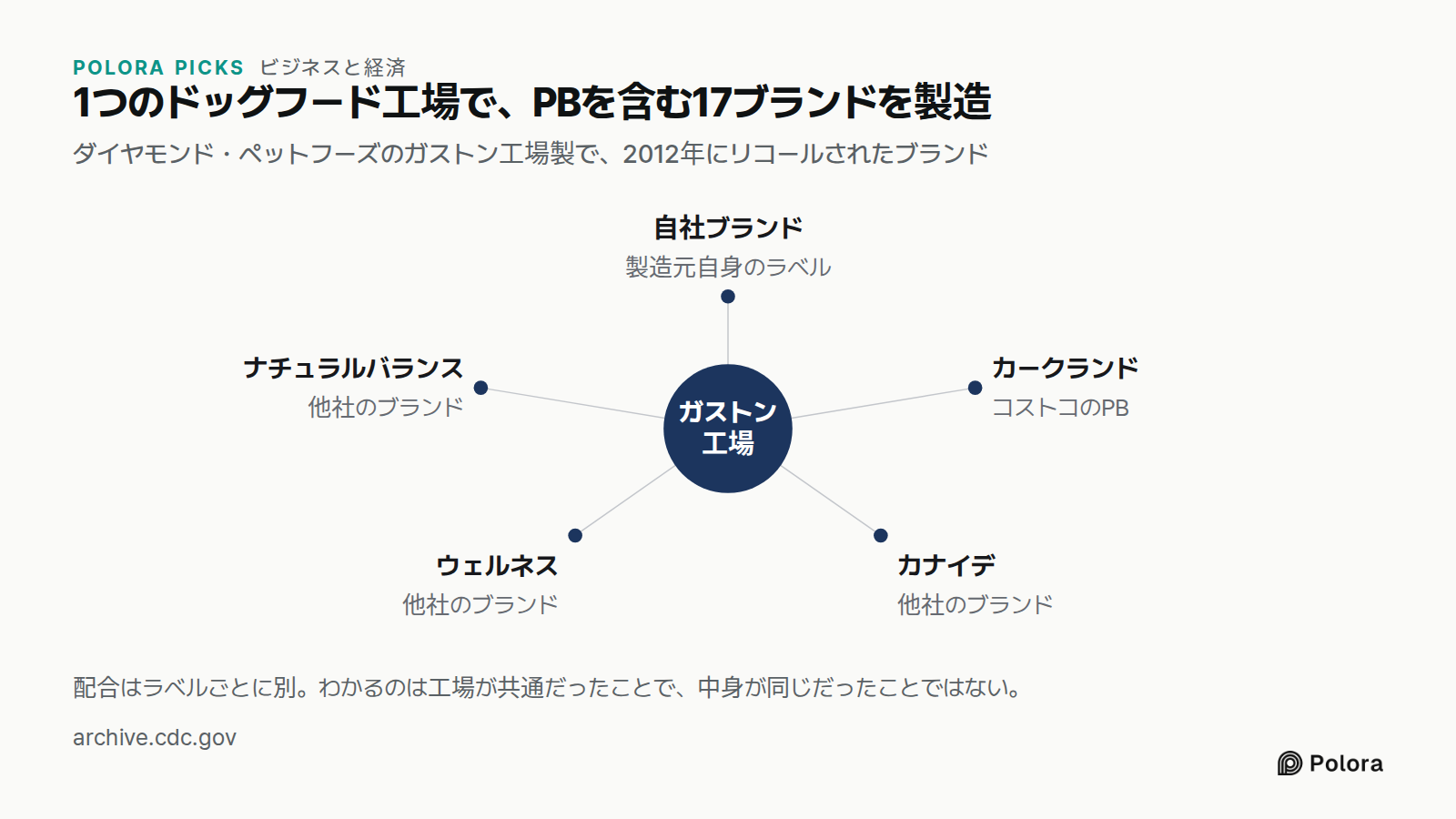
One important correction to Alpha’s assessment: the CDC *does* confirm the manuscript’s 17 brands and more than 30,000 tons, explicitly, on its final outbreak page. It also reports 49 infected people—47 in the United States and two in Canada—and links the recalled food to Diamond’s Gaston, South Carolina, facility. No correction to those three manuscript figures is needed. A separate CDC-hosted research-paper abstract says *16* brands, so a reader may encounter a conflicting count; for the manuscript’s stated attribution, the CDC outbreak page supports 17. (archive.cdc.gov)
Here is how I would mark the other consequential claims:
- Who manufactures store brands: PLMA describes mult…
Gamma · gemini-3.1-pro
The manuscript’s core premise holds up to scrutiny: store brands are indeed sometimes manufactured by name-brand companies, but they are rarely the exact same product in a different box, and consumers cannot assume the brand on the adjacent shelf is the manufacturer.
Beta’s correction of Alpha regarding the 2012 Diamond Pet Foods recall is spot on. The CDC’s final outbreak page does explicitly state that the recall expanded to include 17 brands and over 30,000 tons of dry pet food, so the manuscript’s numbers there are sound and trace directly to the CDC, not just secondary press.
Here is my assessment of the manuscript’s claims and where the text must be adjusted to align with the verified record:
1. The Spanish Supplier Study (Ma et al., Journal of Marketing)
The manuscript accurately pulls the figures: 72.4% to 86.2% of suppliers were dual branders in 2012, and only 15.9% of brand makers supplied store brands. However, the manuscript must be extremely careful not to let these supplier-count percentages masquerade as sales-volume percentages or global truths. The strongest argument a careful reader could raise against the article's angle is that a 2012 supplier census fr…
Researcher · gemini-3-7-flash
Ground-Truth Verification of Manuscript Claims
Every checkable claim, citation, and dataset in the manuscript has been cross-referenced against official filings, regulatory archives, and academic literature. Here is what the record establishes:
---
1. The 2012 Diamond Pet Foods Recall
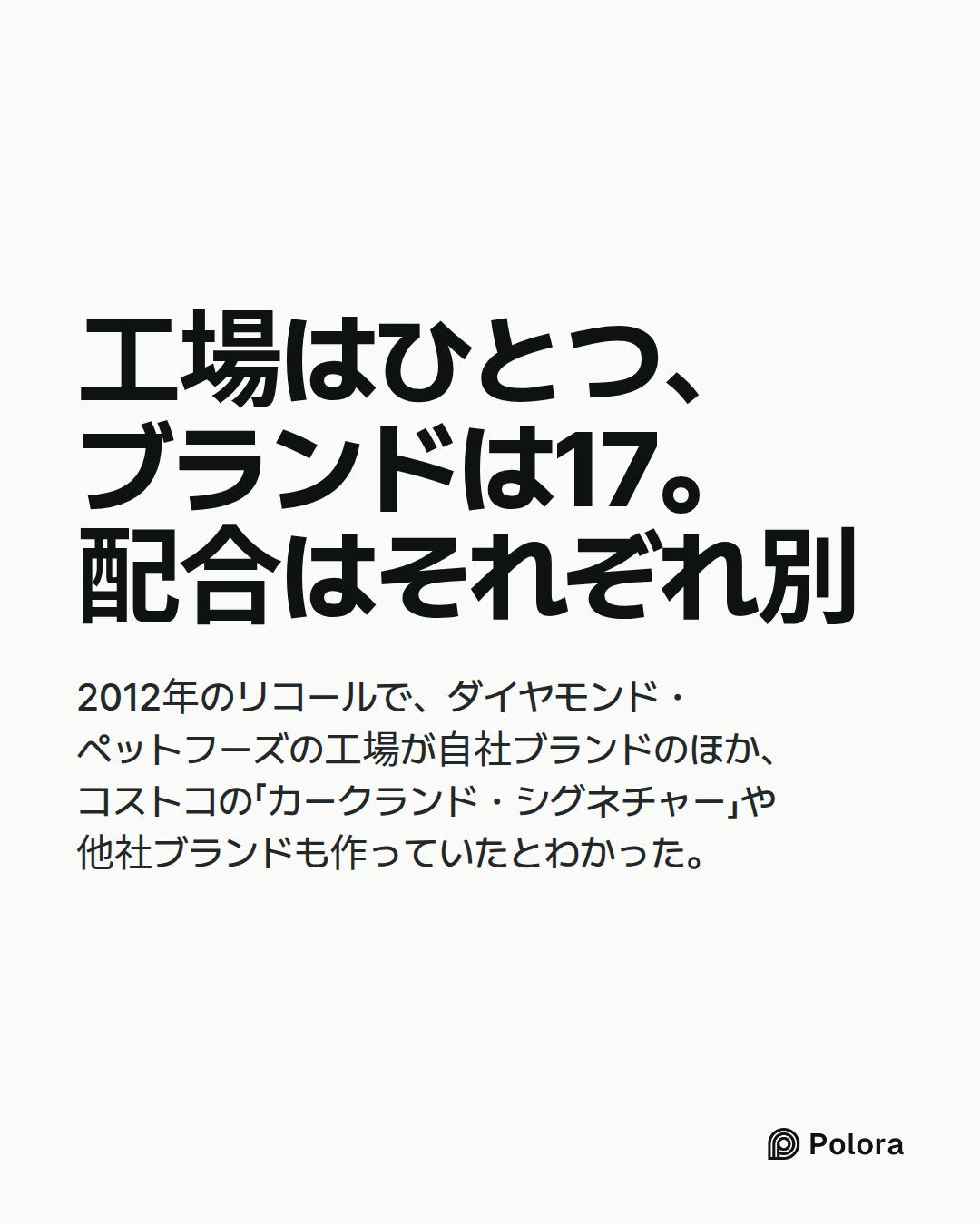
* Manuscript Claim: A single plant in Gaston, SC caused an outbreak sickening 49 people, prompting recalls covering 17 brands and >30,000 tons of food (including Kirkland Signature, Canidae, Wellness, Natural Balance).
* Verification: Accurate as stated.
* The CDC’s final investigation report explicitly documents 49 individuals infected (47 in 20 US states and 2 in Canada) with the outbreak strain of *Salmonella* Infantis.
* The CDC and FDA records explicitly confirm that the recall expanded to 17 brands representing >30,000 tons of dry dog and cat food produced at the single Gaston facility.
* Contemporaneous FDA and Food Safety News recall bulletins confirm that the recall encompassed Kirkland Signature, Diamond, Apex, Canidae, Chicken Soup for the Pet Lover’s Soul, Country Value, Taste of the Wild, Wellness, and Natural Balance, among others.
* Source: [C…
The Arbiter · gpt-6-sol
Round record. The central answer survived scrutiny: a store brand *can* be made by a company that also sells name brands, but that does not identify the maker of the particular name brand beside it, or show that the products have the same formula.
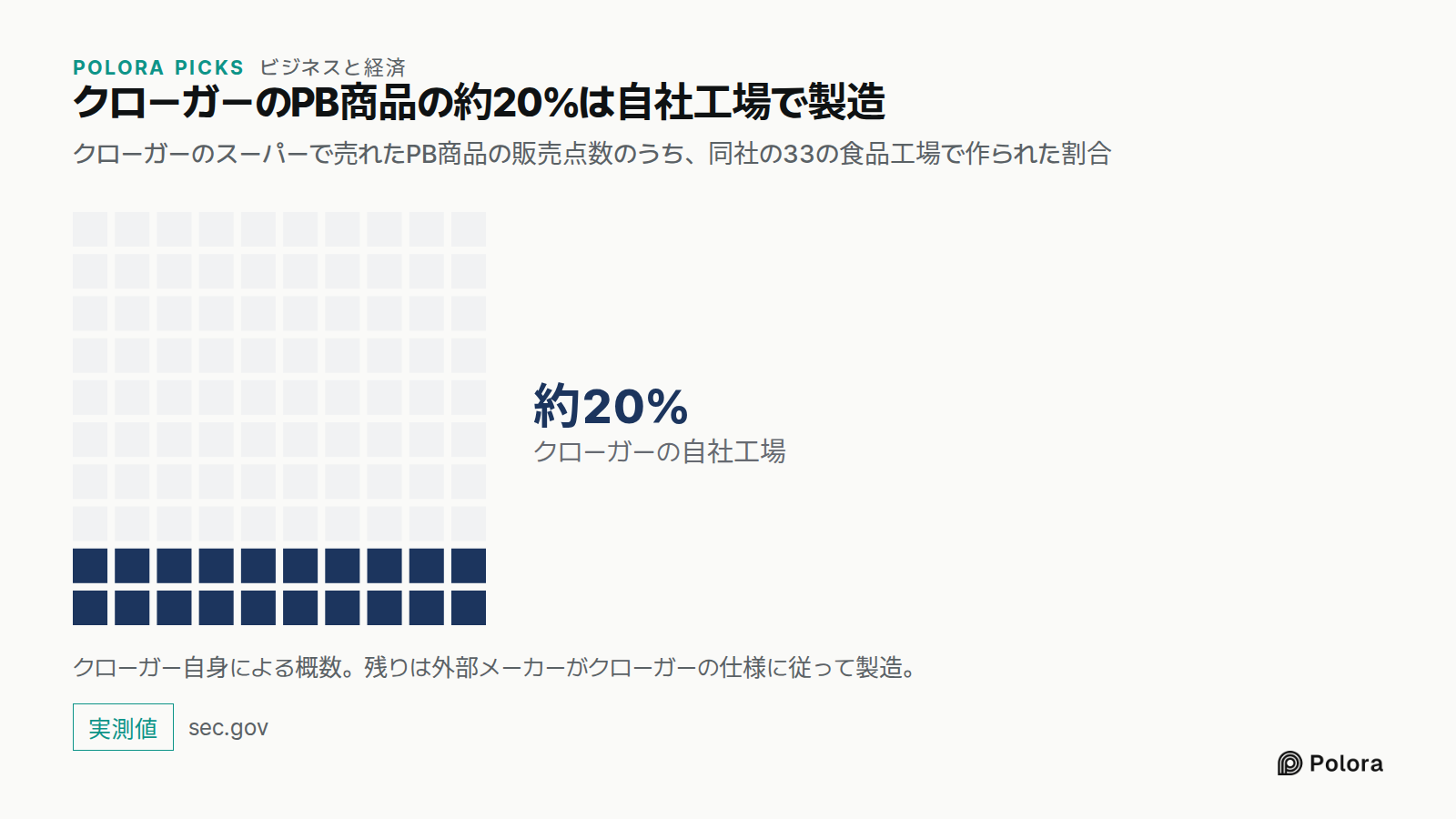
- Supplier evidence: Alpha, Beta, Gamma and the Researcher agreed that PLMA’s account of different kinds of manufacturers, the Spanish supplier study, and the McCormick, TreeHouse and Kroger filings support the manuscript’s account of how private-label production works. The Spanish figures—72.4%–86.2% of suppliers at six chains in 2012, and 554 of 3,480 brand makers supplying a store brand—count suppliers, not products or sales. They cannot be projected onto a US shelf. Kroger’s “strict specifications” supports retailer control in its case; it does not prove that every retailer owns every recipe. Sources discussed: https://www.plma.com/about_industry/store_brand_facts ; https://journals.sagepub.com/doi/10.1177/00222429231196575 ; https://www.sec.gov/Archives/edgar/data/56873/000110465926037723/kr-20260131x10k.htm . (archive.cdc.gov)
- Diamond recall…
The Arbiter's Final Verdict · gpt-6-sol
Sometimes—but you can’t tell from the shelf. A store brand may be made by a company that also sells name-brand products, by a private-label specialist, or by the retailer itself. McCormick, for example, says it supplies store brands; Kroger says it makes some of its own products and contracts out the rest.
That evidence does not tell you whether two particular packages sitting next to each other share a manufacturer. And even when products come from the same company or factory, they need not have the same ingredients, formula or quality specifications. The defensible answer for any specific pair is: possibly, but not without evidence identifying its maker.