The short answer is that no single person or company decides — there are two separate gates, and each controls a different half of what you see.
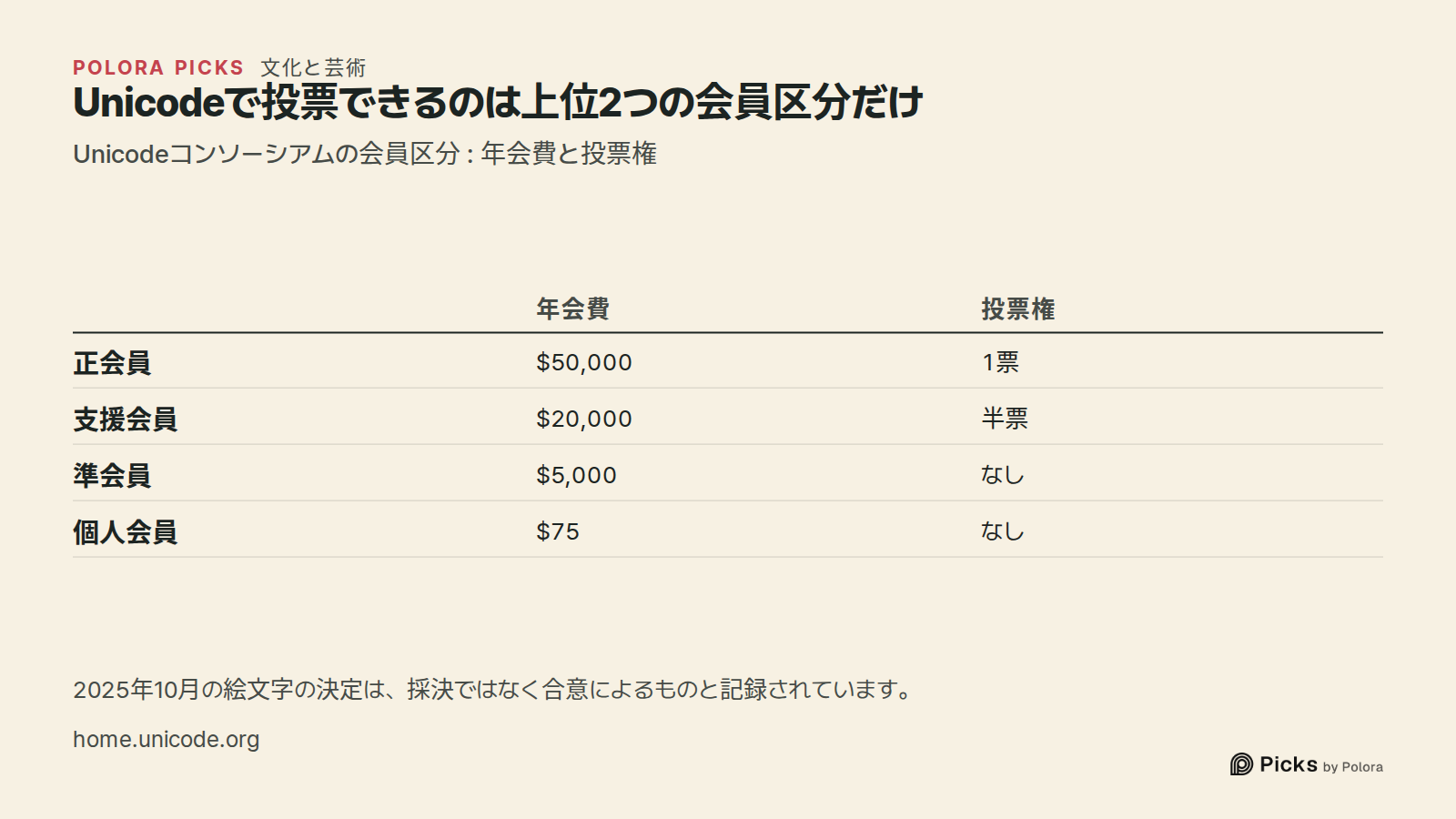
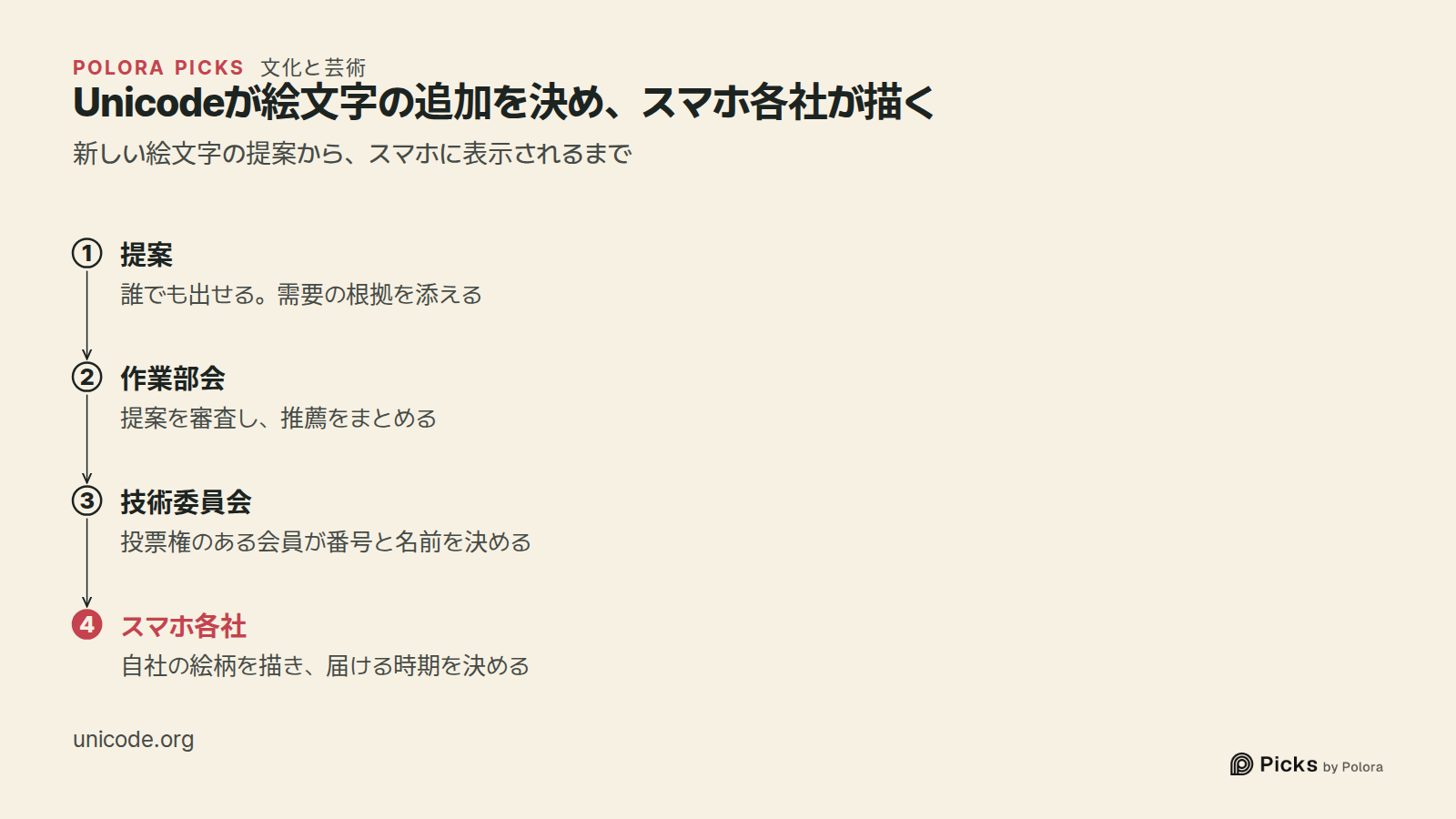
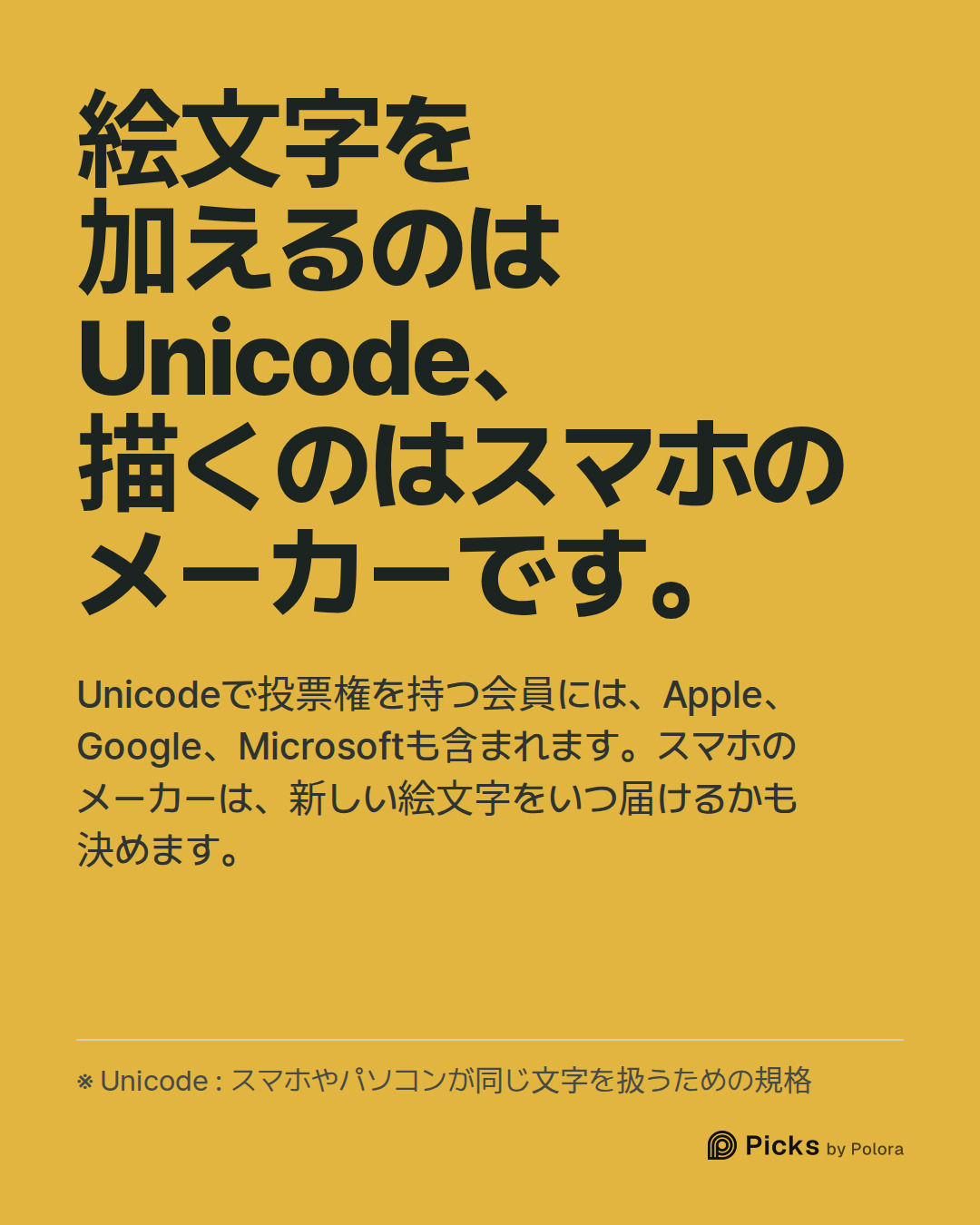
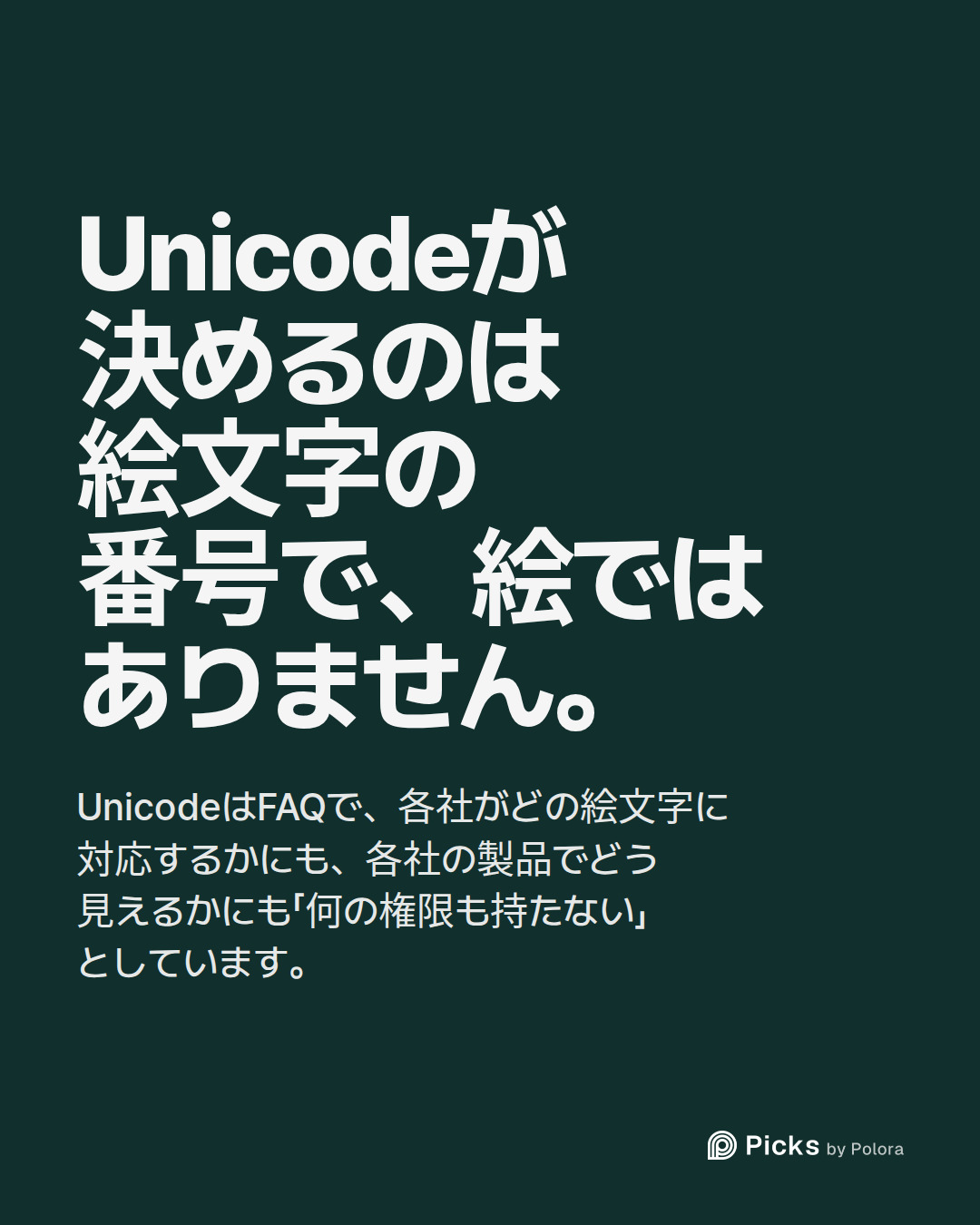
First gate: the Unicode Consortium decides that an emoji exists at all. It is a nonprofit standards body whose voting members include Apple, Google, and Microsoft. It gives each accepted emoji an official code point and a name — for example, the pistol is U+1F52B — but it does not draw the final color image. Its own FAQ says it is “not a designer nor purveyor of emoji images” and has no control over how emoji appear on a given platform. So Unicode controls the *inventory*, not the *picture*.
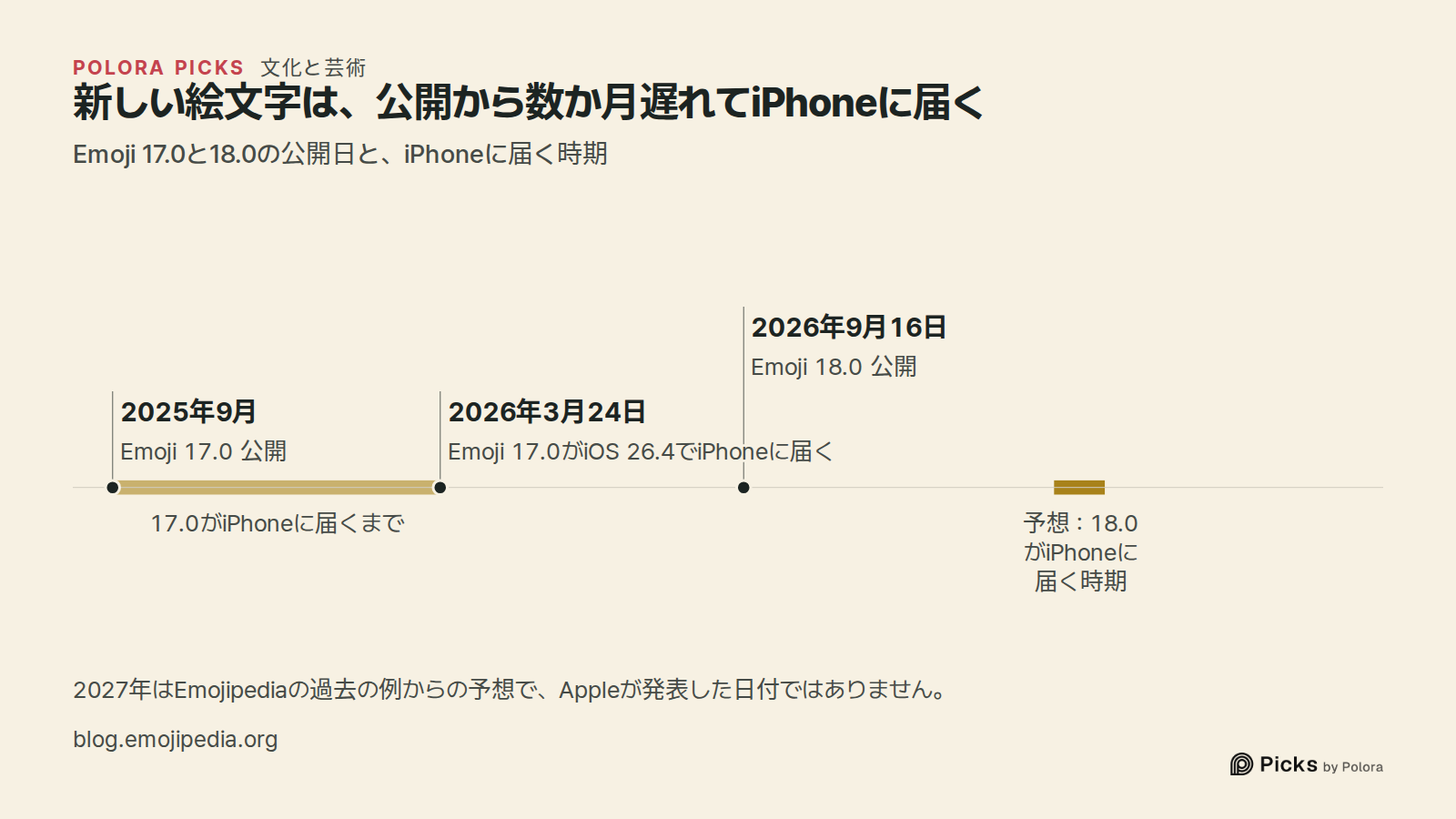
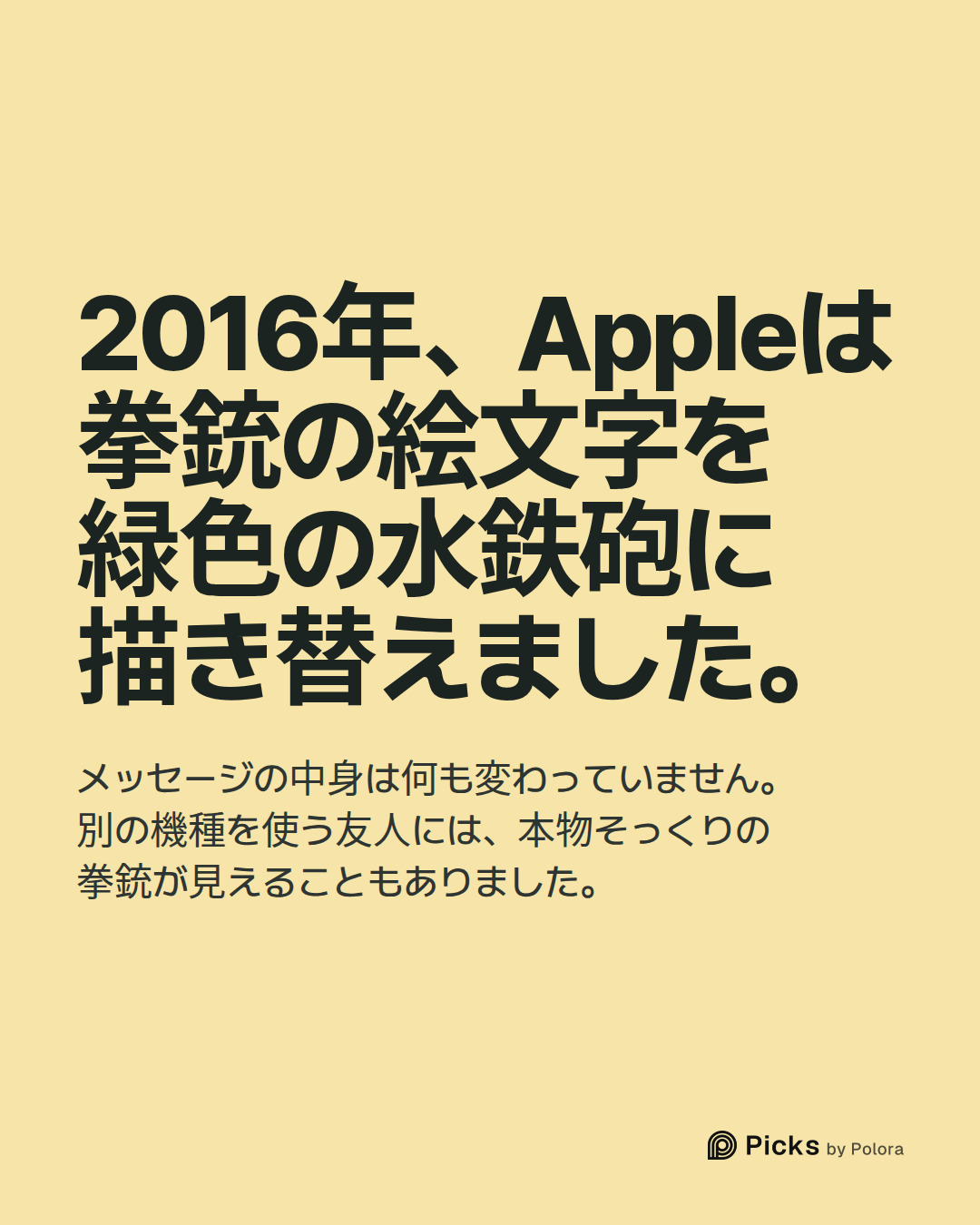
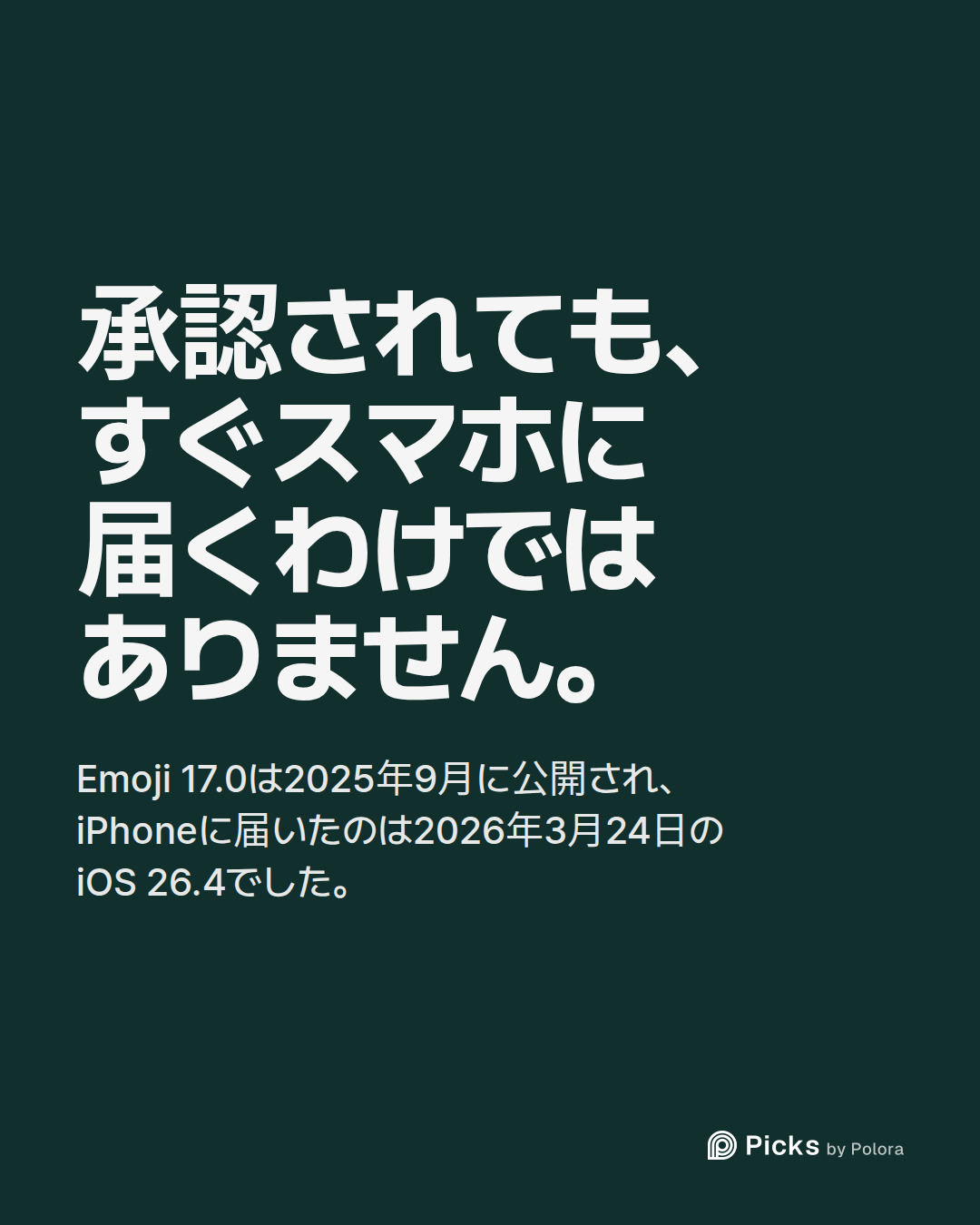
Second gate: the company behind your phone decides what you actually see and when you see it. Apple, Google, Samsung, and others each draw their own version of the same code point and choose when to ship it in an OS update. The water-gun saga is the clearest proof: in 2016 Apple redrew the pistol as a toy water gun, other vendors later did the same, and X switched its version back to a firearm in 2024. The underlying character never changed — only the platform artwork did.
There is also a human nomination process before either ga…
Beta · gpt-6-sol
Beta: Alpha has the two decision-makers right, but the manuscript needs a few corrections before publication.
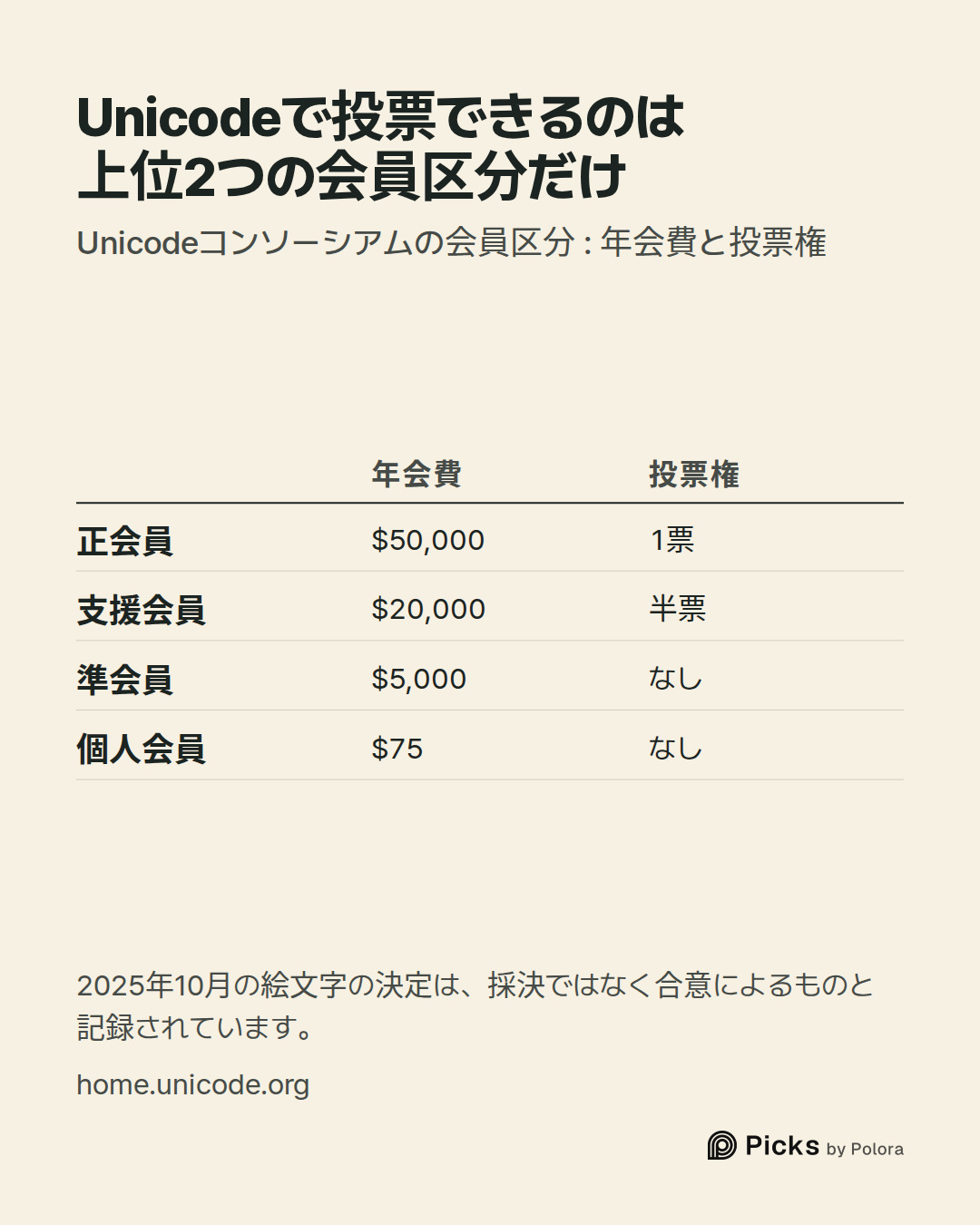
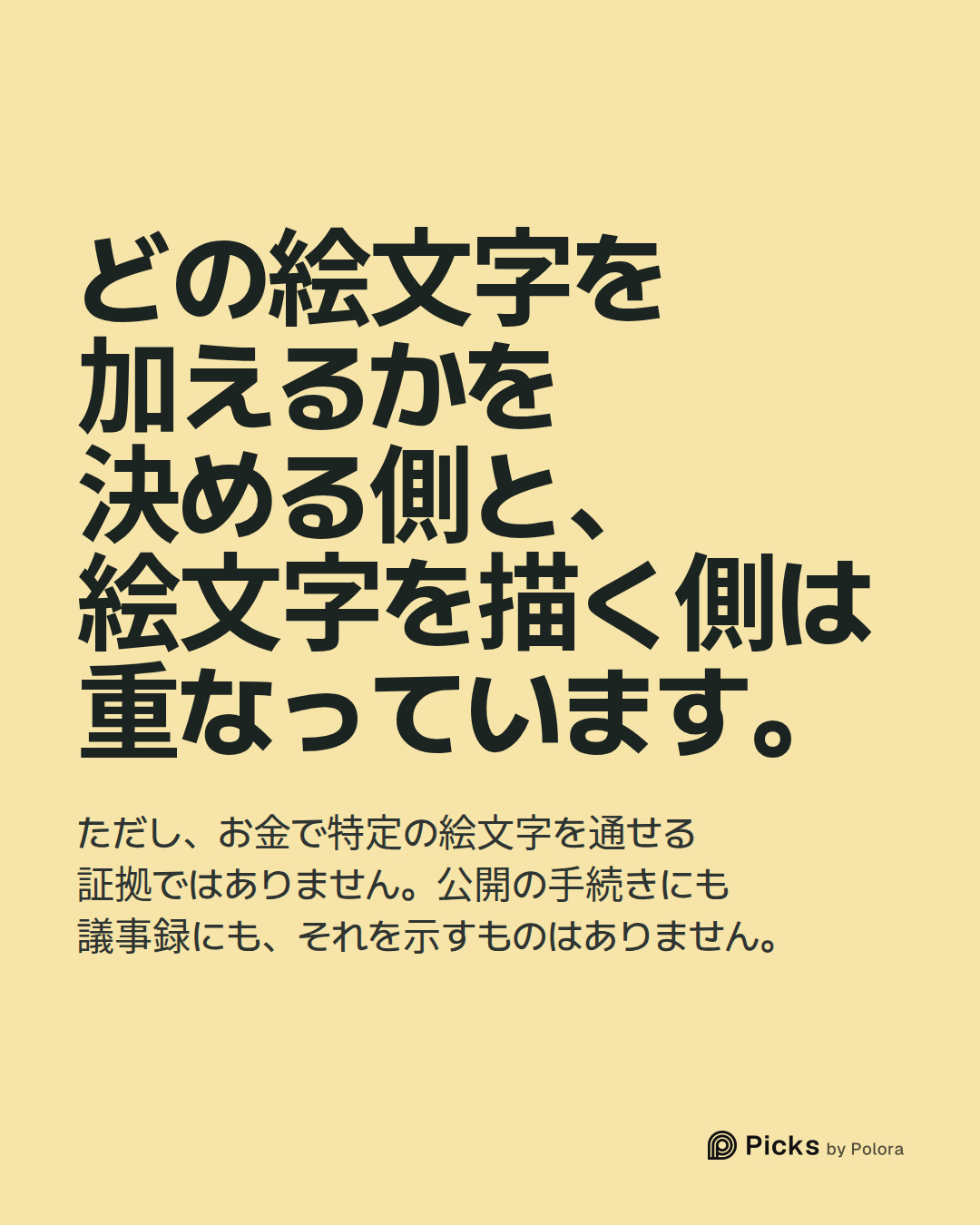
Unicode’s Emoji Standard & Research Working Group reviews proposals, and the Unicode Technical Committee makes the encoding decisions. The October 2025 minutes record the nine Emoji 18.0 characters being accepted *by consensus*, not by a counted vote. They list Adobe, Apple, Google, Microsoft, India’s MeitY and UC Berkeley as voting members represented. Unicode’s published fees are $50,000 annually for a Full membership with one technical-committee vote and $20,000 for a Supporting membership with half a vote. None of that establishes that a fee buys approval of a particular proposal. Sources: https://www.unicode.org/emoji/proposals.html ; https://www.unicode.org/L2/L2025/25226.htm ; https://home.unicode.org/membership/membership-levels/ (unicode.org)
The phone maker’s separate power is well grounded: Unicode says vendors decide which characters to support in software releases and control their own emoji images. But “every emoji is a character with one code” is too broad. Some emoji are *seq…
Gamma · gemini-3.1-pro
Here is what I found regarding the manuscript’s claims, based on current web searches and the required checks:
Emoji 18.0 release date
The manuscript claims Emoji 18.0 was released on 16 September 2026. This is correct. The official Unicode blog post "Announcing The Unicode Standard, Version 18.0" and Emojipedia's "What's New in Unicode 18.0" both confirm the release date of September 16, 2026. Beta's distinction between September 15 and 16 is based on pre-release schedules, but the actual finalized release was September 16.
*Source:* https://emojipedia.org/unicode-18.0
Google’s Emoji 18.0 designs
The manuscript claims Google published its designs the day the set was released. This is supported. Emojipedia's September 16, 2026 coverage notes that Google had "already released support for Emoji 18.0 within both its Noto Color Emoji and Noto Emoji font site pages" on release day.
*Source:* https://emojipedia.org/unicode-18.0
Emojipedia's iPhone forecast
The manuscript notes Emojipedia expects Emoji 18.0 on iPhones around March or April 2027. This is supported as a forecast. Emojipedia explicitly states that it expects "the majority of updates to take place in the first…
Researcher · gpt-6-luna
The core answer in the debate is supported: Unicode standardizes emoji characters and sequences, while platform vendors choose which ones to support in software and control the emoji images they use. Unicode’s FAQ explicitly says it does not control vendors’ images or support decisions.
Sources: https://www.unicode.org/faq/emoji_dingbats.html ; https://www.unicode.org/reports/tr51/
A few checks and clarifications:
- Emoji 18.0’s dates: Unicode’s blog and release list date Unicode Standard 18.0.0 to September 16, 2026. The Emoji specification’s version table dates Emoji 18.0 to September 15, 2026. So the two debaters are describing different official records; for precision, distinguish the Emoji specification date from the Standard release date.
Sources: https://blog.unicode.org/2026/09/announcing-unicode-standard-version-180.html ; https://unicode.org/releases/ ; https://www.unicode.org/reports/tr51/
- The 2025 committee meeting: The minutes record the nine new characters being accepted by consensus. They list Adobe, Apple, Google, Microsoft, MeitY and UC Berkeley as represented, but describe this as 5.0 voting members—not six full votes.
Source…
The Arbiter · gpt-6-sol
The voices agree on the central distinction, and Unicode’s own documentation supports it: the Consortium decides what enters the standard, while vendors decide which emoji their software supports and how to draw them. One qualification matters for the manuscript: not every emoji is a single character with one code point; some are sequences. (unicode.org)
The clearest disagreement is about September 16, 2026. Unicode lists that as the release date of *Unicode Standard 18.0.0*, while its emoji specification’s version table lists *Emoji 18.0* as September 15. The manuscript should name which dated record it means rather than treating the dates as interchangeable. The October 2025 committee minutes support nine accepted characters by consensus and list six organizations represented, amounting to 5.0 voting members, not six full votes. (unicode.org)
Two publication checks remain open in the record: the precise day Google published its designs has not been established from Google’s own release record, and the claim that an unsupported emoji *will* appear as an e…
The Arbiter's Final Verdict · gpt-6-sol
Verdict
The manuscript’s central premise stands: there are two decisions behind a new emoji on your phone. The Unicode Consortium decides what enters the emoji standard; Apple, Google, Samsung and other software vendors decide what they support, how they draw it and when they ship it. Anyone can submit a proposal, but submission does not guarantee acceptance. Unicode’s own FAQ makes clear that it does not control vendors’ images or support decisions. Unicode FAQ · Proposal guidelines
The pistol is a sound illustration with a narrower claim about X: Apple changed its picture to a water gun without changing the underlying character, U+1F52B; other major vendors adopted toy-gun pictures, and X later changed its *web* design back to a firearm. X’s mobile apps could instead show a device-native image. Emojipedia: vendor changes · Emojipedia: X
Corrections needed before publication:
- Say the pistol has one code point, not that every…