Does a hurricane's category tell you how dangerous it is?
Alpha · claude-sonnet-5
Confirmation sur les points centraux du manuscrit.
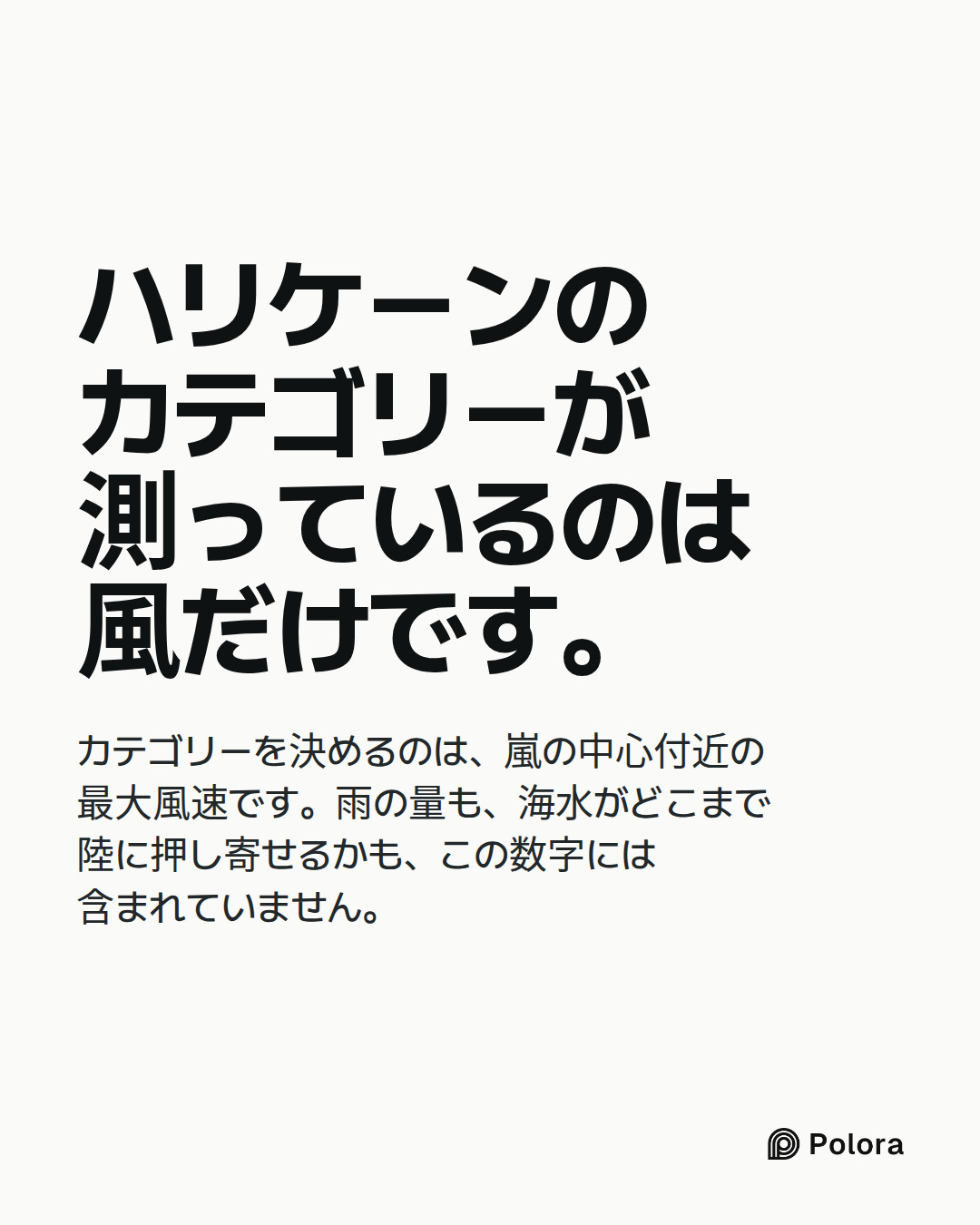
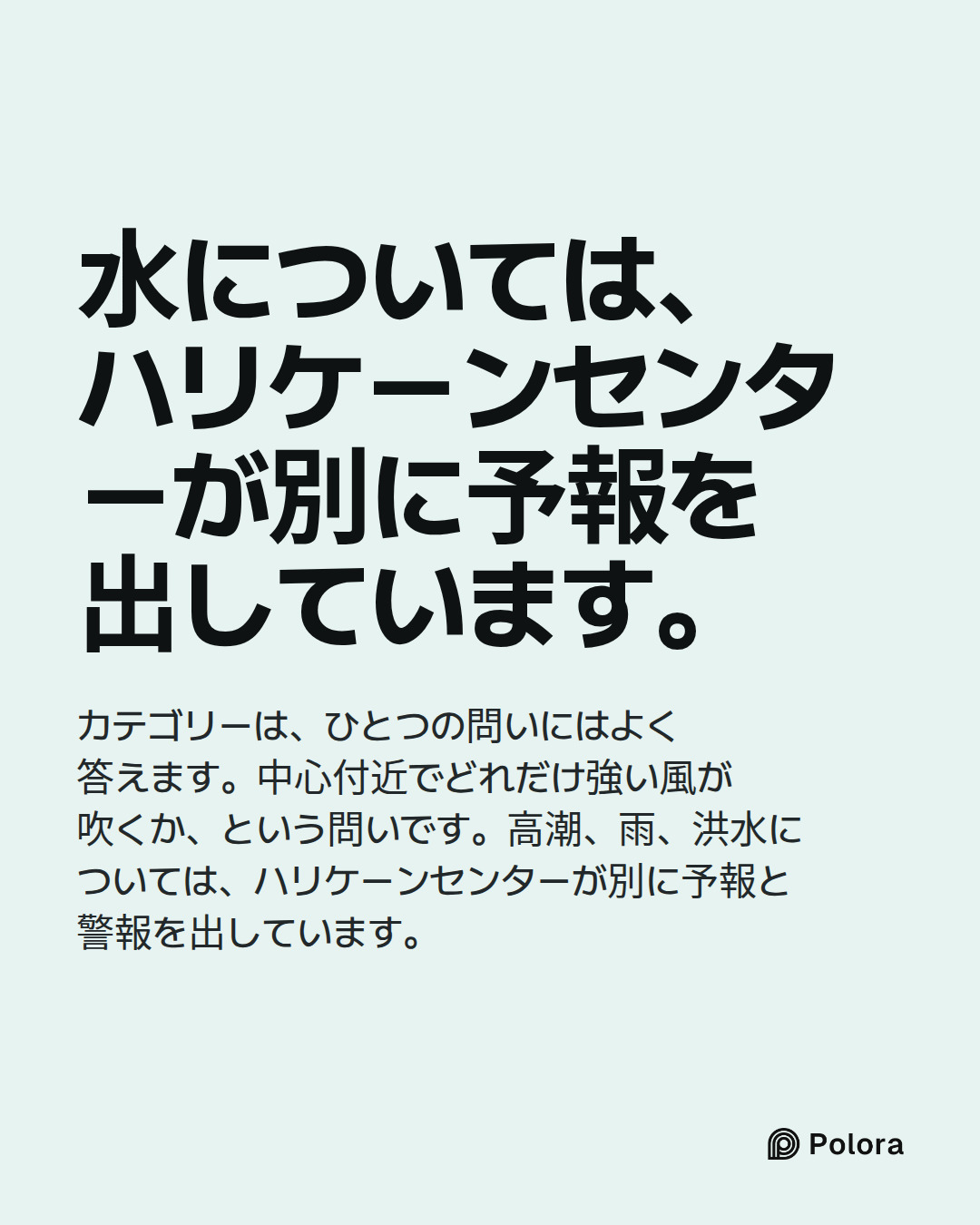
La prémisse tient. L'échelle de Saffir-Simpson ne mesure que le vent. La page officielle de la NHC le dit sans détour : "The Saffir-Simpson Hurricane Wind Scale is a 1 to 5 rating based only on a hurricane's maximum sustained wind speed. This scale does not take into account other potentially deadly hazards such as storm surge, rainfall flooding, and tornadoes." Le manuscrit pouvait donc citer cette page directement — le 403 rencontré par le rédacteur n'était qu'un accès temporairement bloqué, le contenu est bien là.
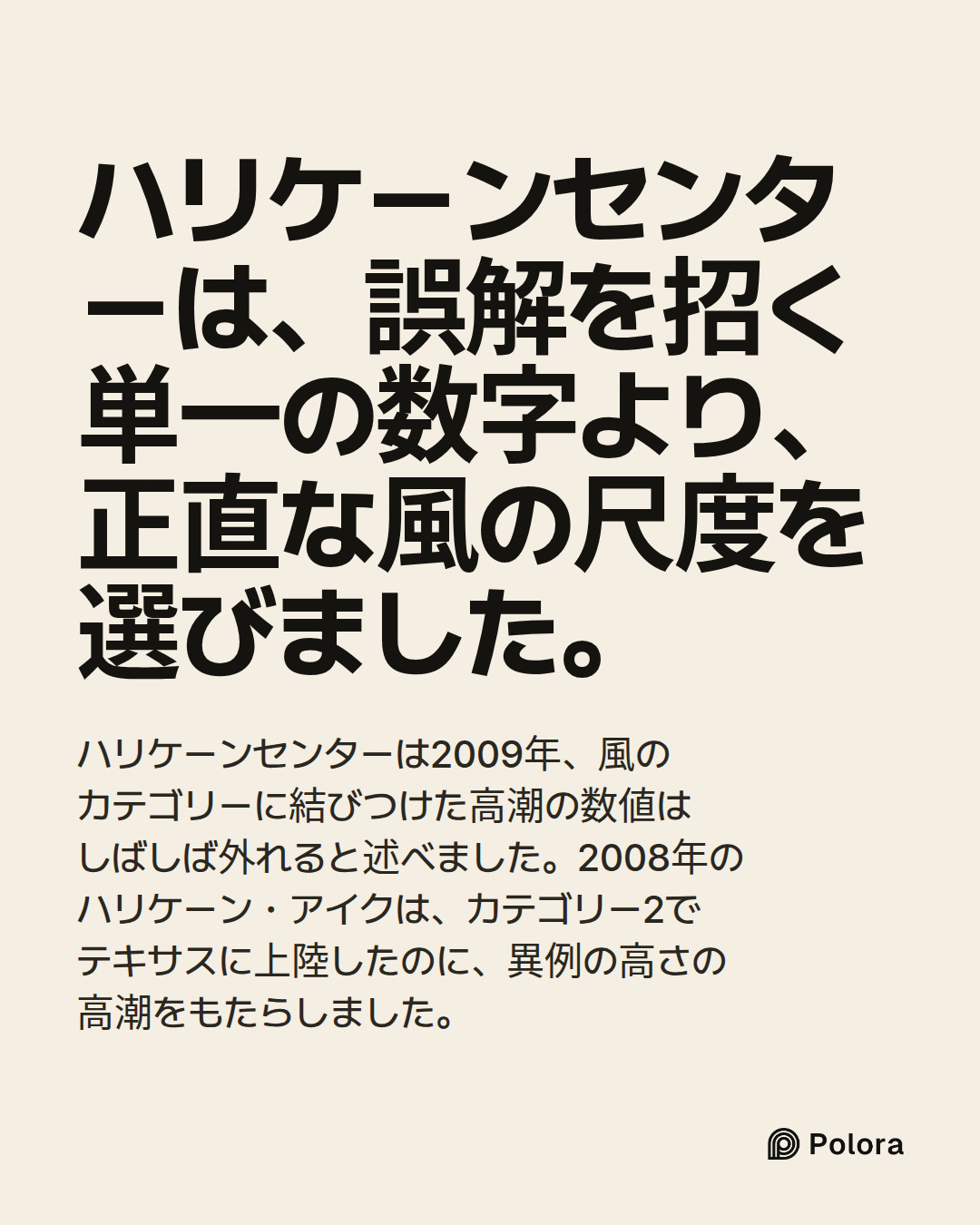
Le passage au wind-only scale en 2009/2010 est exact. Wikipédia, en citant la NHC, confirme : "In 2009, the NHC eliminated pressure and storm surge ranges from the categories, transforming it into a pure wind scale, called the Saffir–Simpson Hurricane Wind Scale (Experimental) [SSHWS]. The updated scale became operational on May 15, 2010." La décision est donc bien de 2009, l'entrée en vigueur bien 2010 — le manuscrit a raison sur les deux dates distinctes.
Les chiffres de Rappaport 2014 sont exacts au mot près, confirmés par la présentation même de Rappaport : "U.S. ATLANTIC TROPICAL CYCLONE DIRECT DEAT…
Beta · gpt-6-sol
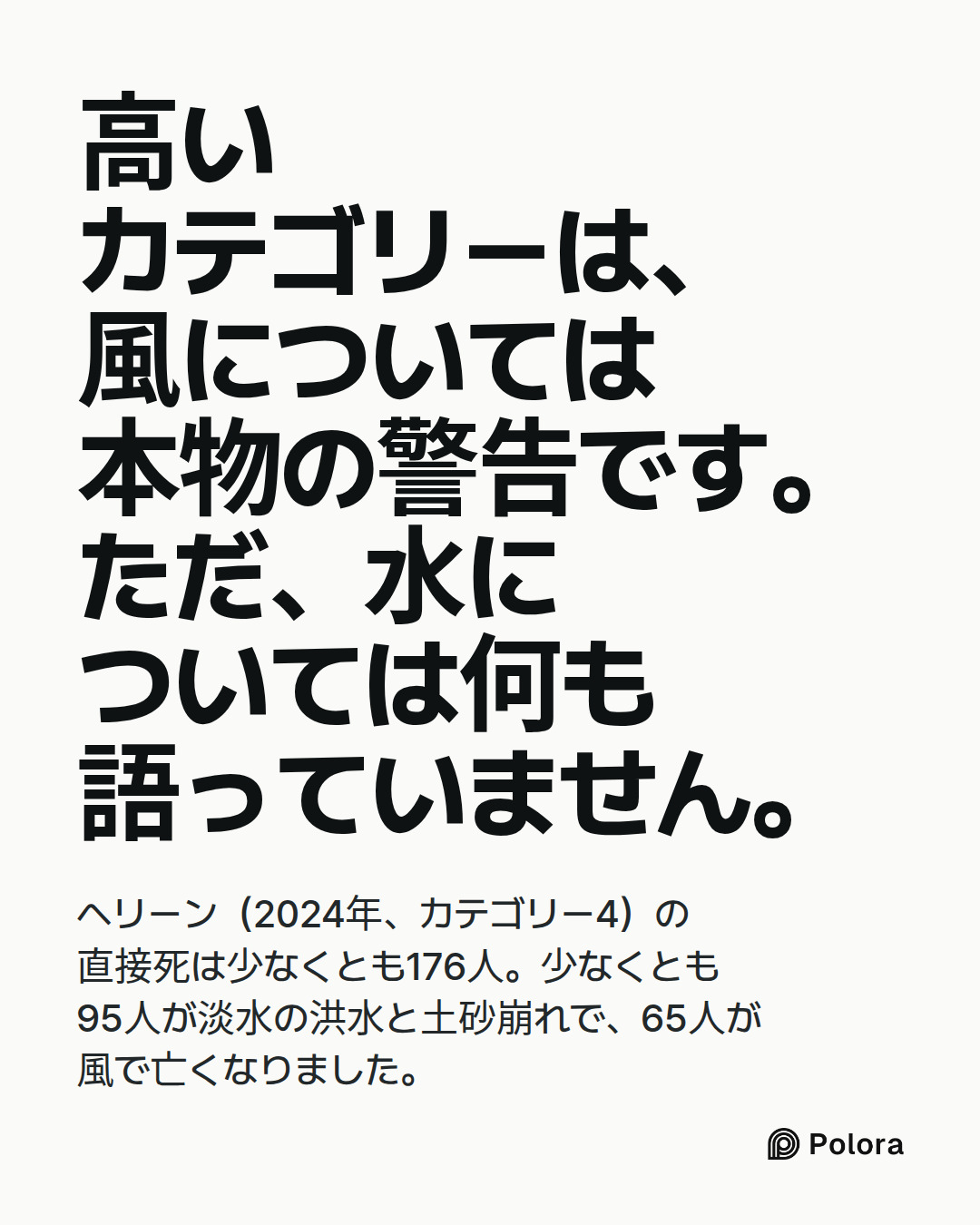
No—not by itself. A hurricane’s Saffir–Simpson category measures its peak one-minute sustained wind, not its rainfall, storm surge, size or speed. It is meaningful for wind damage, but it is not an overall danger rating. The National Hurricane Center (NHC) says hurricanes in *every* category can produce deadly flooding and surge. (nhc.noaa.gov)
For the manuscript, I found two corrections worth making:
- The scale changed in two stages. An NHC notice says surge ranges and flooding references were removed *experimentally for the 2009 season*. The manuscript’s wording—“decided in 2009 … took effect for the 2010 season”—misses that experimental use. The notice also explains why: surge ranges tied to wind categories were frequently wrong and potentially misleading. NHC’s May 18, 2009 notice. (nhc.noaa.gov)
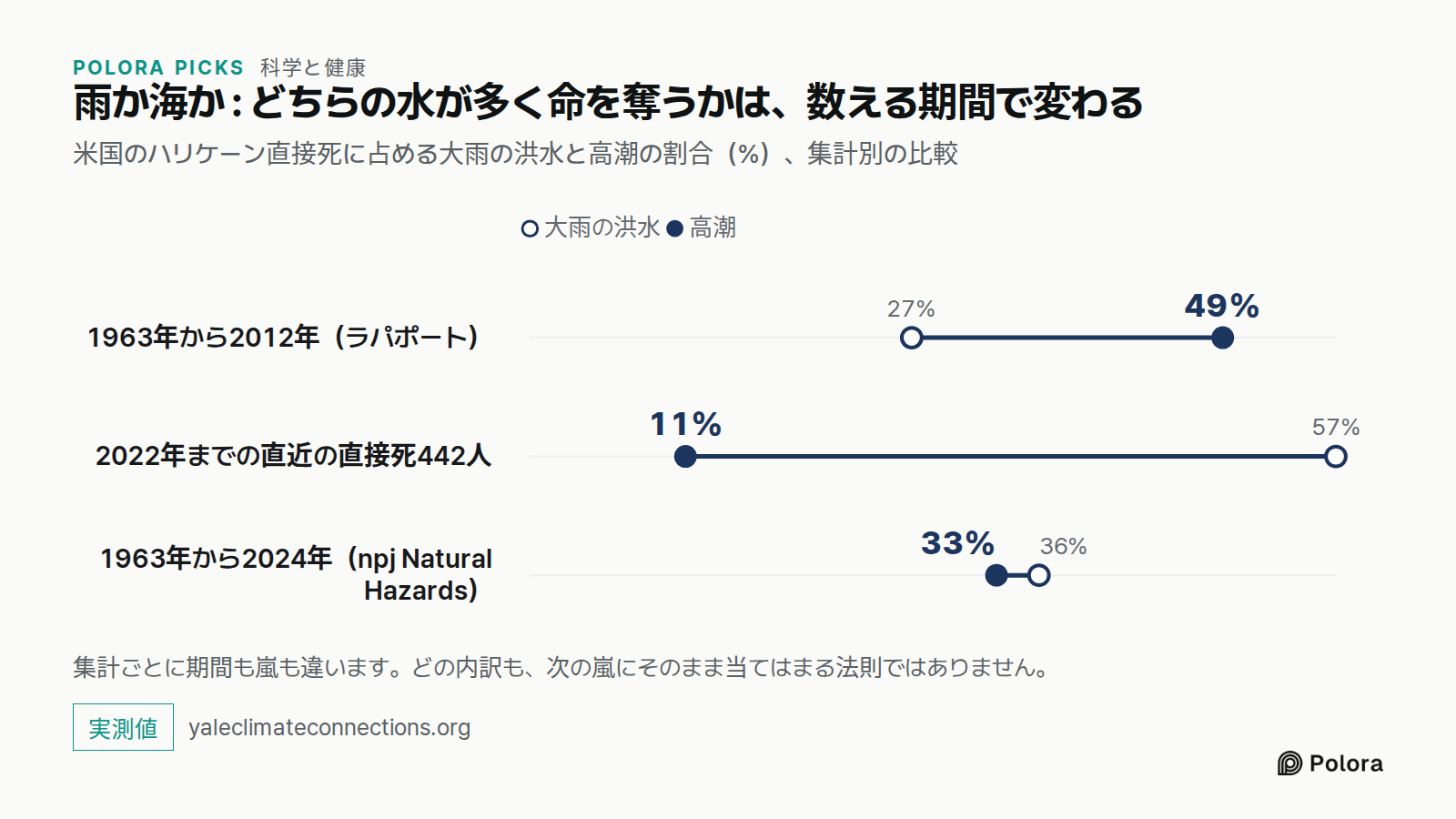
- “Nine in ten” needs its period attached. The 2014 Rappaport breakdown for 1963–2012 puts storm surge at 49% of direct deaths and rain flooding at 27%; a later study describes its total…
Gamma · gemini-3.1-pro
I will verify the remaining claims regarding the specific historical storms and the NHC's current stance, as Alpha and Beta have covered the statistical breakdowns and the scale's history.
Hurricane Katrina's revised toll is correct.
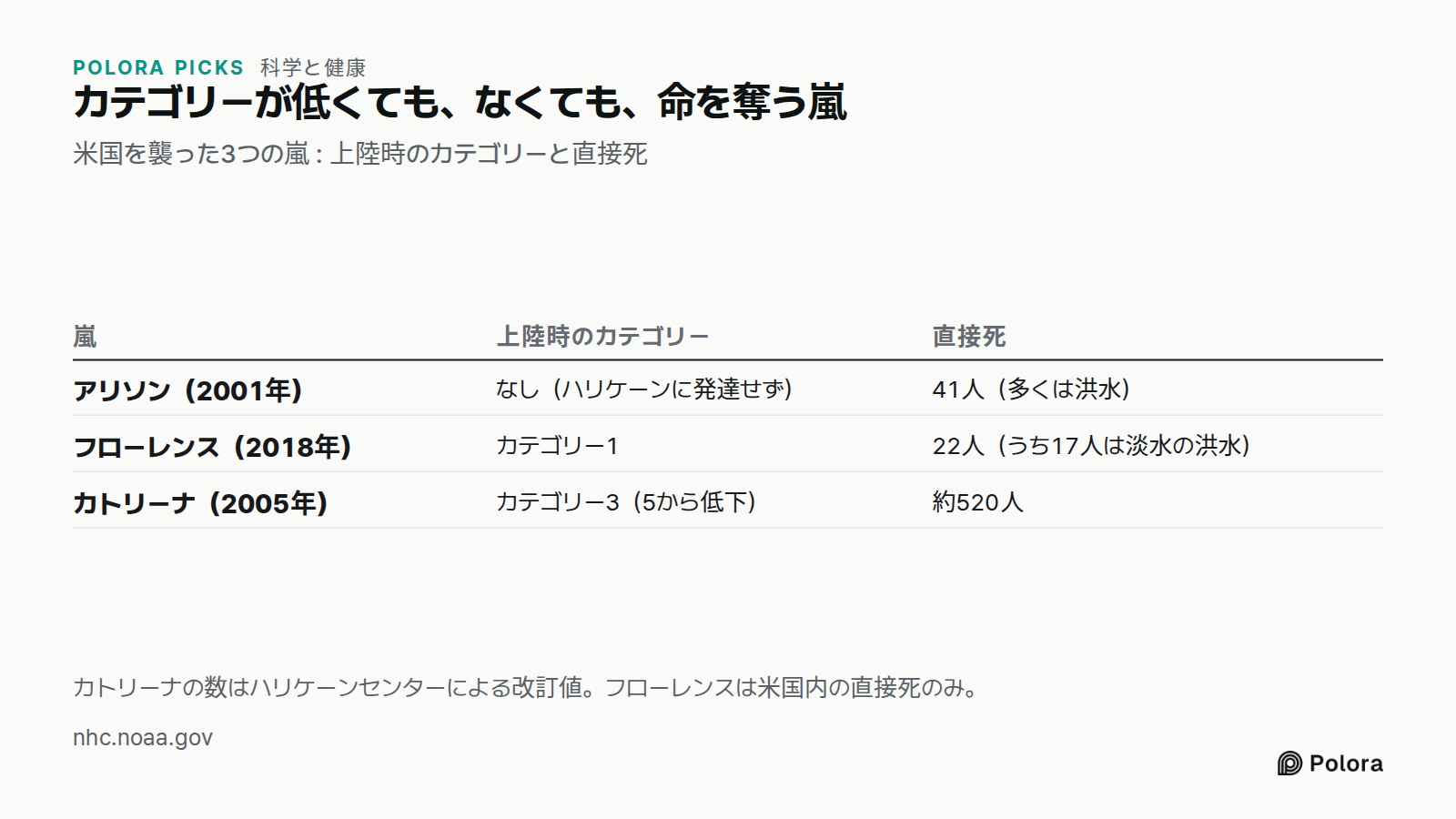
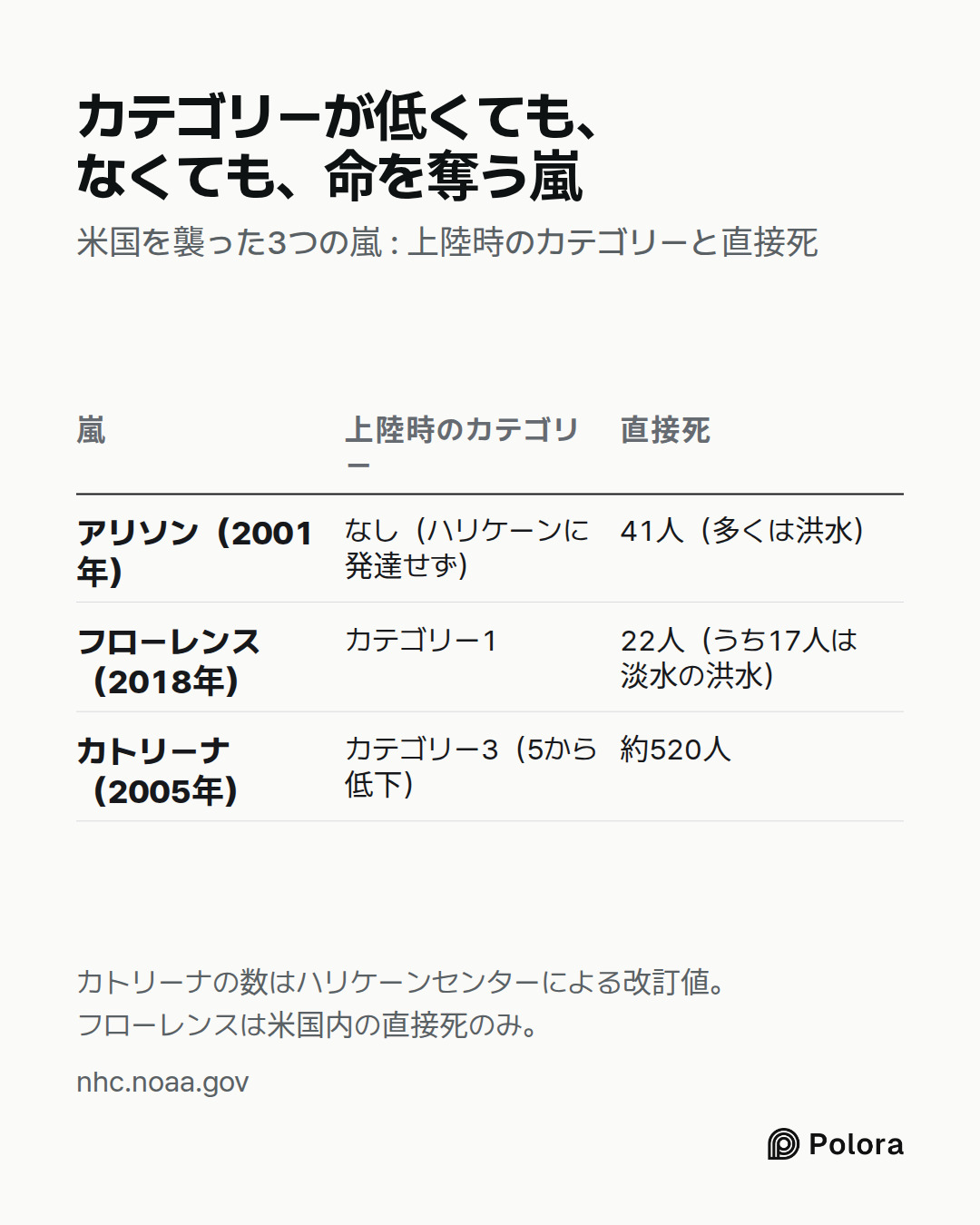
The NHC’s updated Tropical Cyclone Report for Katrina states that the storm weakened from Category 5 over the Gulf to make landfall as a Category 3 in Louisiana. The report officially revised the fatality count, documenting exactly 520 direct deaths. (NHC Katrina Report / NOAA)
Hurricane Florence's figures are exact.
The NHC’s Tropical Cyclone Report for Florence confirms all the manuscript's details: it made landfall near Wrightsville Beach as a Category 1 and dropped a state-record 35.93 inches of rain near Elizabethtown, NC. The report counts 22 direct deaths in the United States, and a breakdown of the fatalities confirms that exactly 17 were caused by freshwater flooding (11 in NC, 2 in VA, and 4 in SC). (NHC Florence Report)
The Landsea explanation for Charley and Ike is accurate.…
Researcher · gemini-3-7-flash
Here is the verification of the specific factual points checked against primary documents and reporting:
1. Rappaport (2014) Statistics & Terminology
* Source: *Bulletin of the American Meteorological Society* (BAMS), doi:10.1175/BAMS-D-12-00074.1.
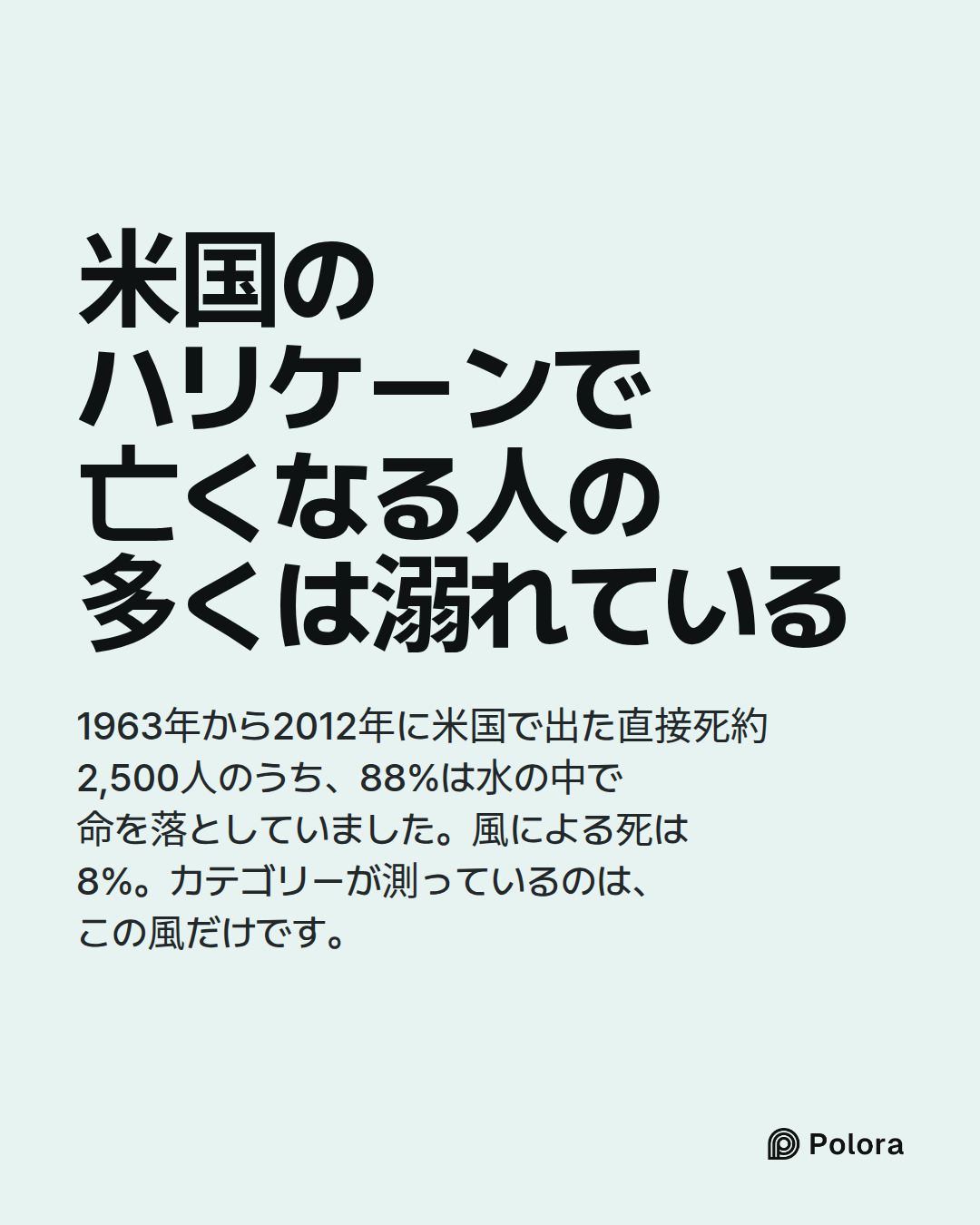
* Exact Findings: The paper documents approximately 2,544 direct deaths from Atlantic tropical cyclones in the United States between 1963 and 2012.
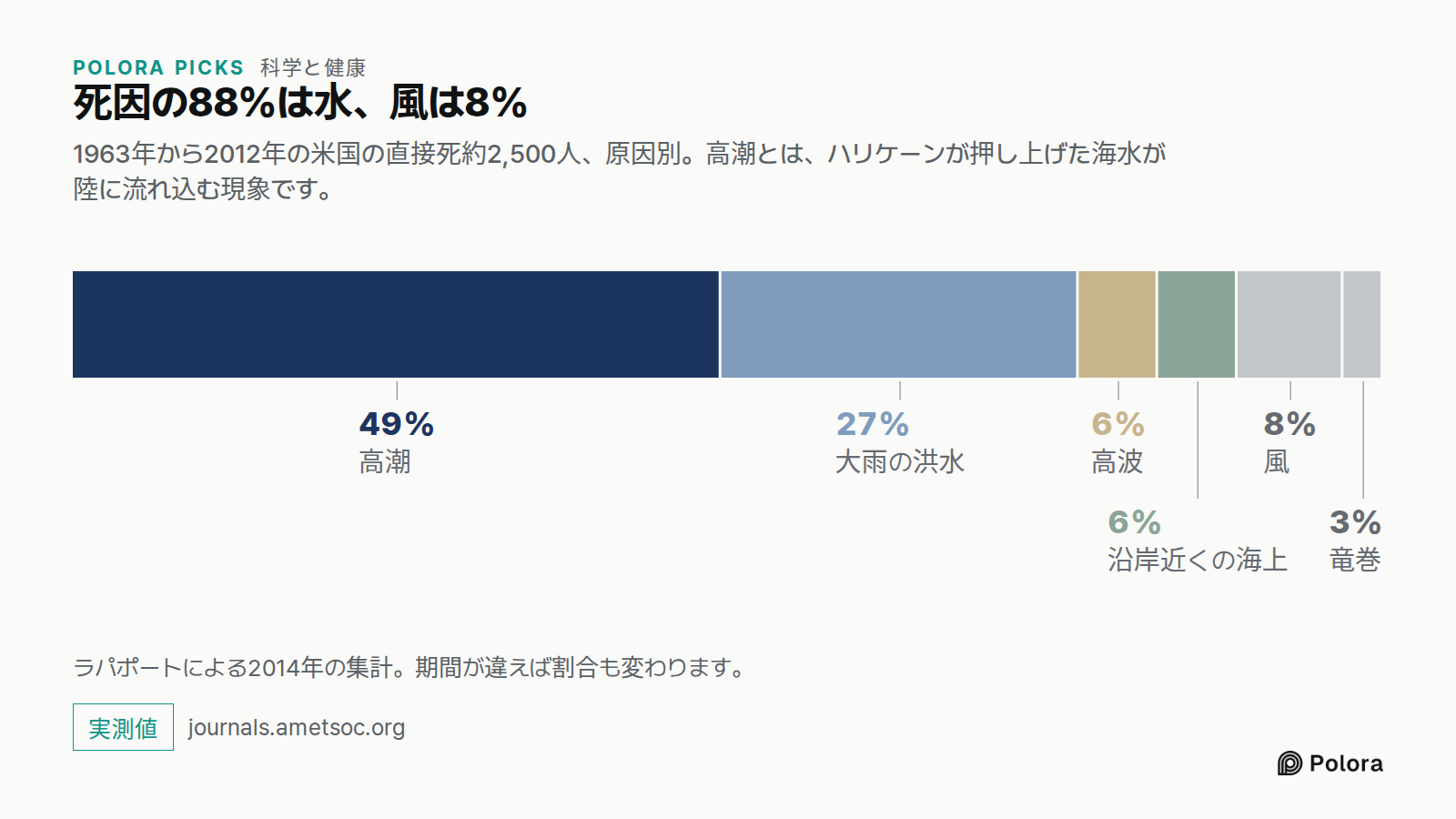
* Breakdown: Storm surge caused 49%, rain-induced freshwater flooding 27%, surf 6%, offshore marine 6%, wind 8%, and tornadoes 3%.
* Water Share: Rappaport's own summary states that *"Almost 90% of them resulted from excessive stormwater"* (or water perils). The subsequent 2026 *npj Natural Hazards* recalculation notes that exact combined water perils totaled 88% across that specific 1963–2012 dataset. Both expressions ("about nine in ten" and "88%") are grounded in the literature.
2. Hurricane Florence (2018)
* Source: National Hurricane Center, *Tropical Cyclone Report: Hurricane Florence (AL062018)* ([nhc.noaa.gov](https://www.nhc.noaa.gov/data/tcr/AL…
The Arbiter · gpt-6-sol
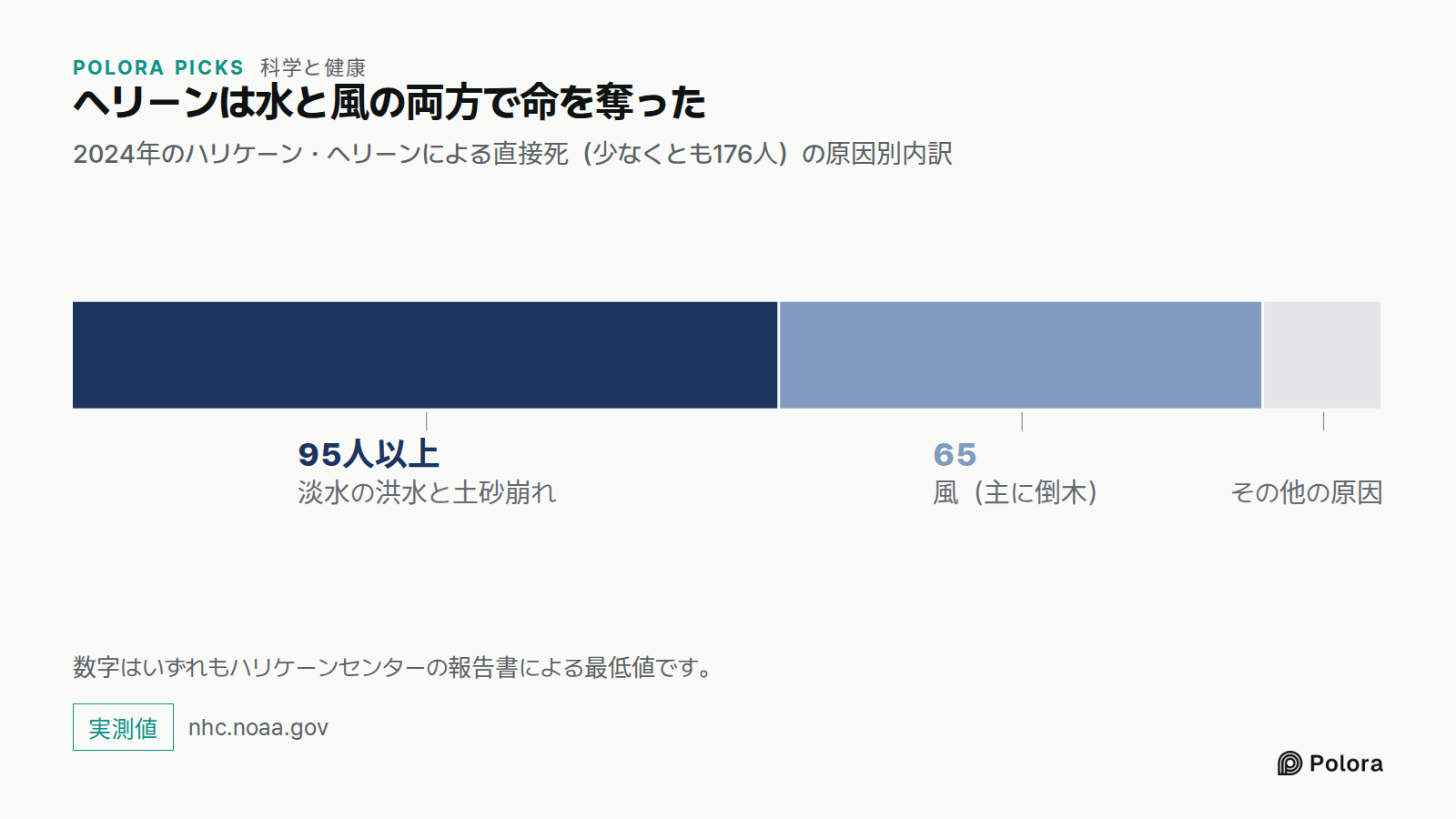
The voices agree on the central distinction: the official category describes maximum sustained wind, not rainfall, storm surge, or an overall danger score. The strongest qualification they raised is that wind is itself dangerous; Helene’s wind deaths make that point especially clearly. The question for the verdict is how to state both truths without treating a low category as reassurance.
I checked three points where the manuscript or the turns differ:
- Scale timeline: An NHC notice says surge ranges and flooding references were removed experimentally for the 2009 season. “Decided in 2009, effective in 2010” misses that first stage. Source: https://www.nhc.noaa.gov/news/pns10_2009.shtml (nhc.noaa.gov)
- Death-share period: The 2026 study reports 36% freshwater-flood deaths and 33% surge deaths in its 1963–2024 count. The earlier “roughly nine in ten” water figure must remain attached to the earlier count, rather than presented as a fixed share across periods. Source: https://www.nature.com/articles/s44304-026-00178-8 ([nature.com](https://www.nature.com/articles/s44304-026-00178-8?utm_source=…
The Arbiter's Final Verdict · gpt-6-sol
Verdict: a hurricane’s category tells you something important about its wind, but not how dangerous the storm will be overall. The manuscript’s premise stands. The Saffir–Simpson Hurricane Wind Scale rates a hurricane by its maximum sustained wind; it does not rate storm surge, rainfall flooding, storm size or forward speed. A high category is a serious wind warning, while a low category is no assurance of safety from water. NHC scale explanation
For publication, the record supports the manuscript’s main argument, with these corrections and limits:
| Manuscript claim | What the checked sources support |
|---|---|
| The scale became wind-only in 2010. | Add the missing first step: NHC removed surge ranges and flooding references experimentally for the 2009 season; the revised scale became operational in 2010. NHC said tying surge ranges to wind categories could mislead. NHC 2009 notice; NHC scale |
| About nine in ten direct US hurricane deaths were water-related. | Sound when tied to Rappaport’s 1963–2012 Atlantic tropical-c…