Why does a tire company decide which restaurants get Michelin stars?
Alpha · claude-sonnet-5
Here's my read on the manuscript, claim by claim.
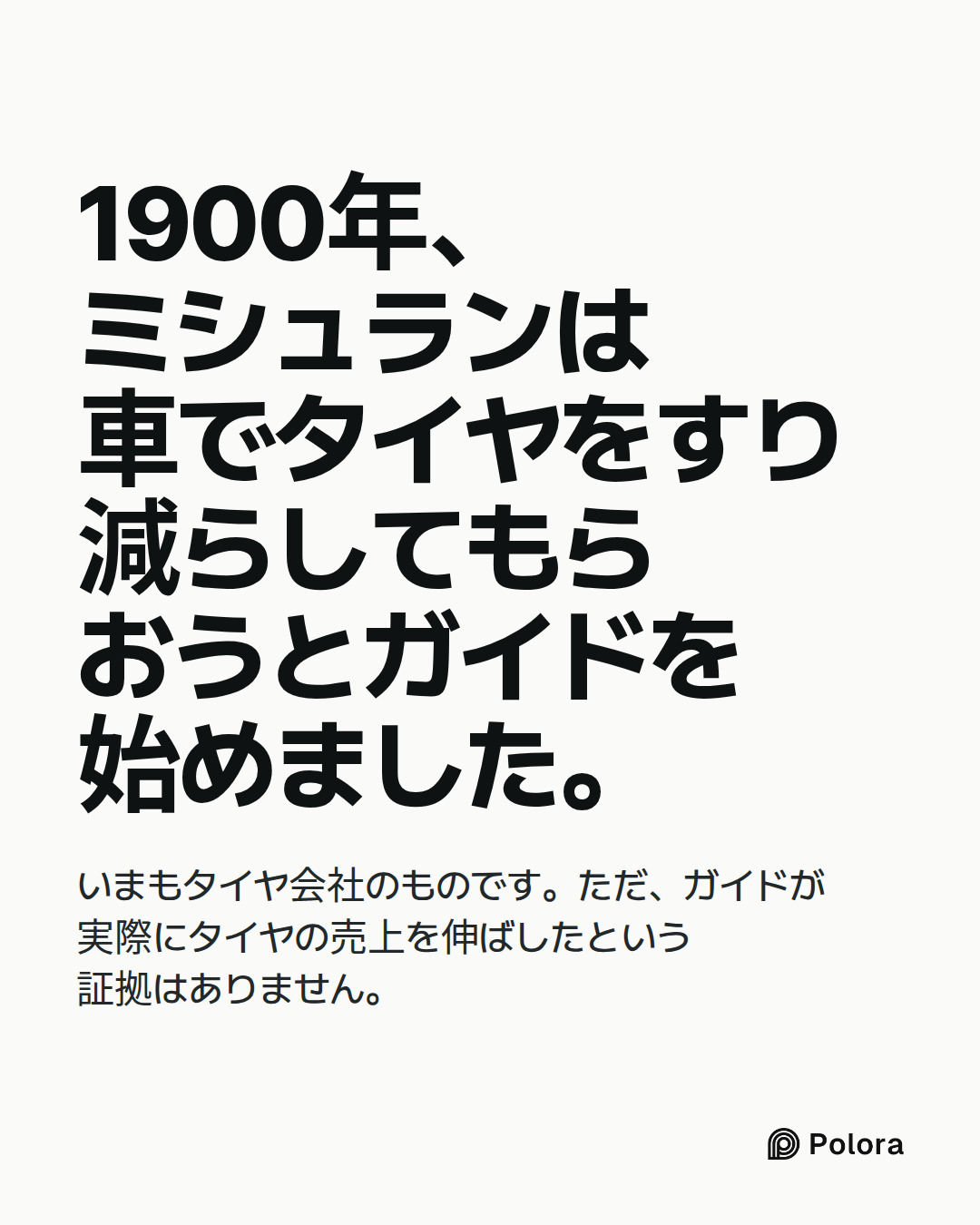
Origin story — solid, confirmed. The core history checks out exactly as written. In 1900, there were fewer than 3,000 cars on the roads of France, and tyre manufacturers Édouard and André Michelin published a guide for French motorists, distributing nearly 35,000 copies of the free first edition. The founding motive is not a stretch — it's Michelin's own account and Wikipedia's, converging. Good.
The $24M loss figure — flag as stale, not wrong. This is an old, single-sourced number, correctly labeled as such in the manuscript. I'd keep it but stress its age more plainly in the final text rather than let it stand as "the" public figure.
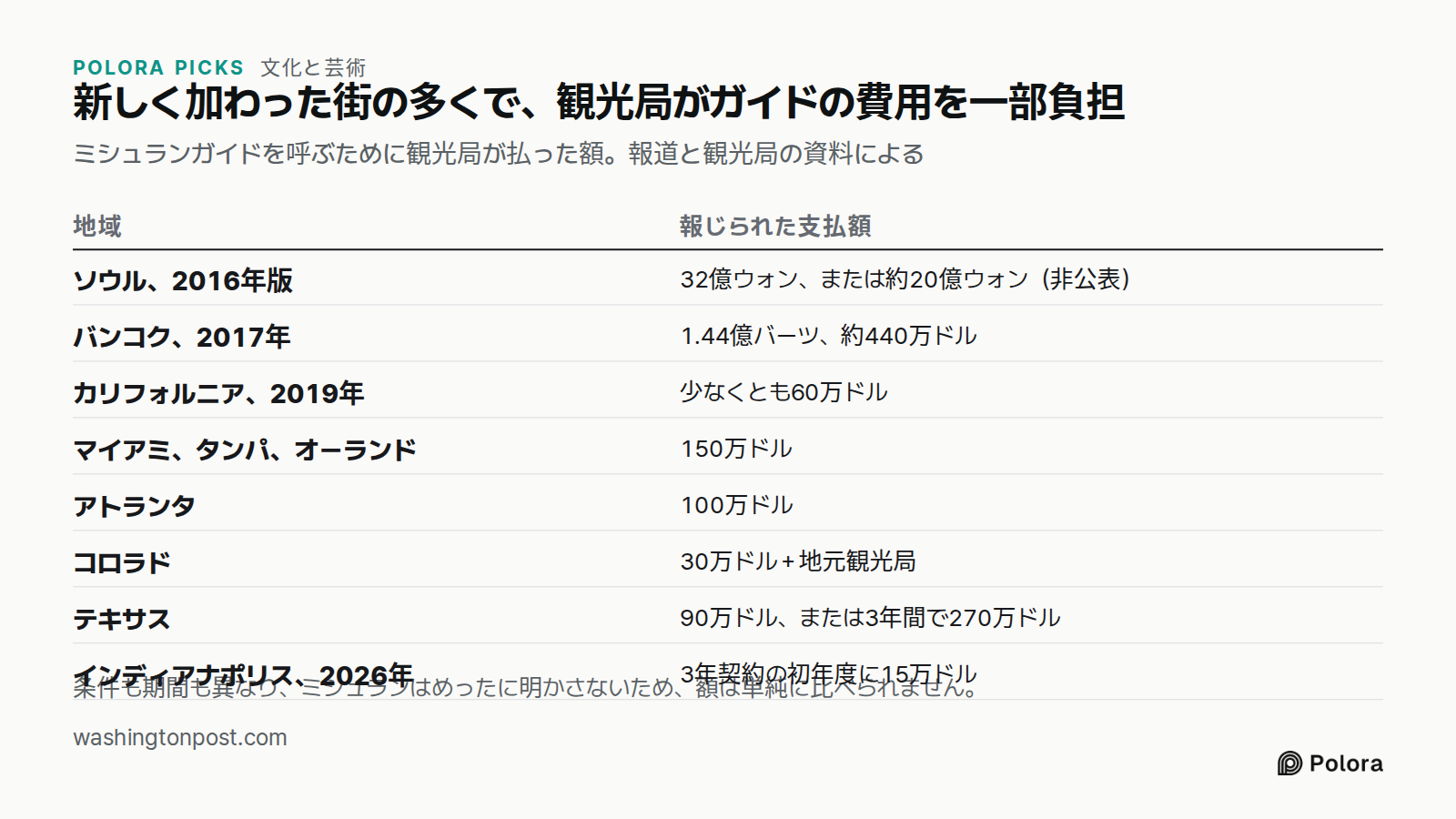
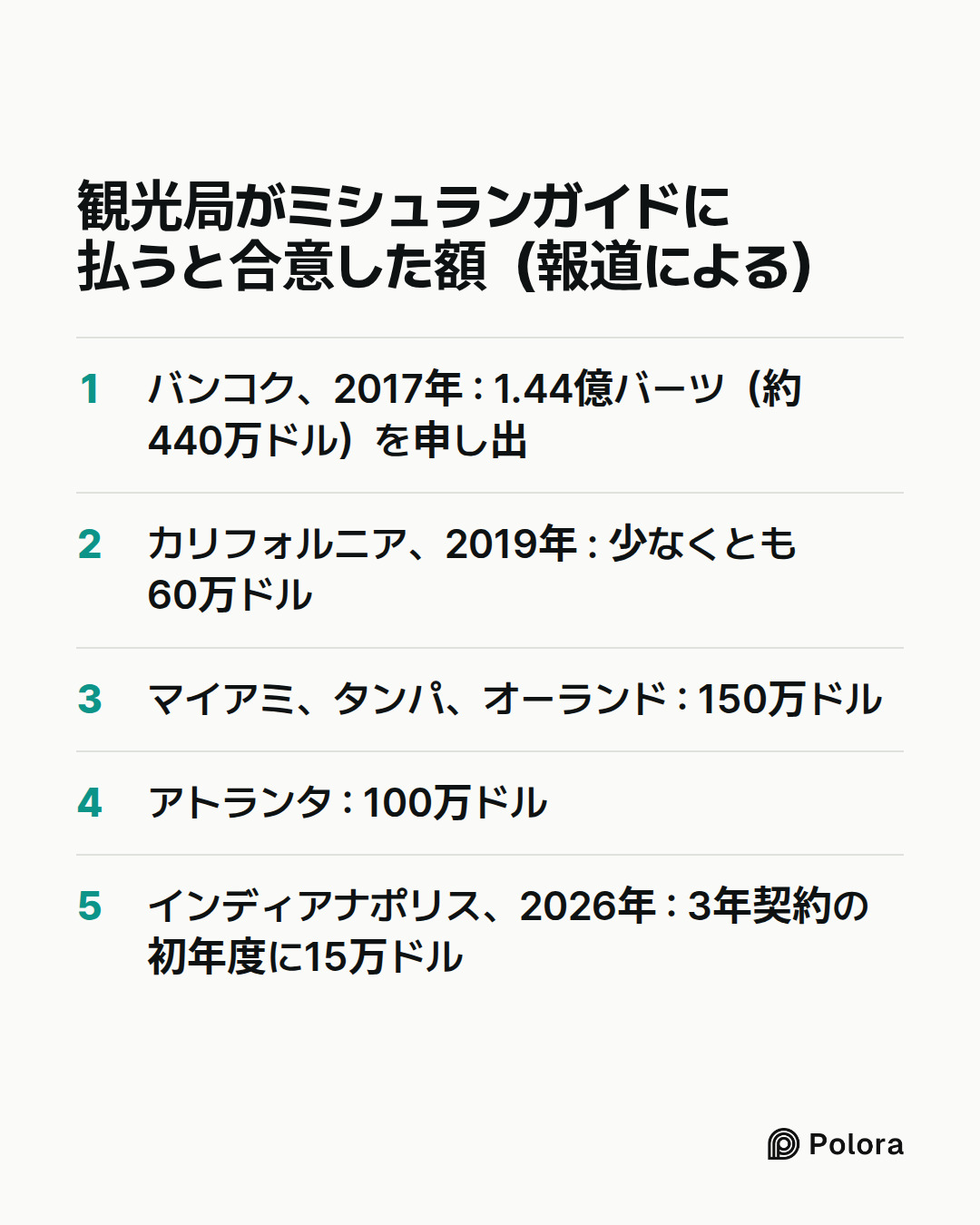
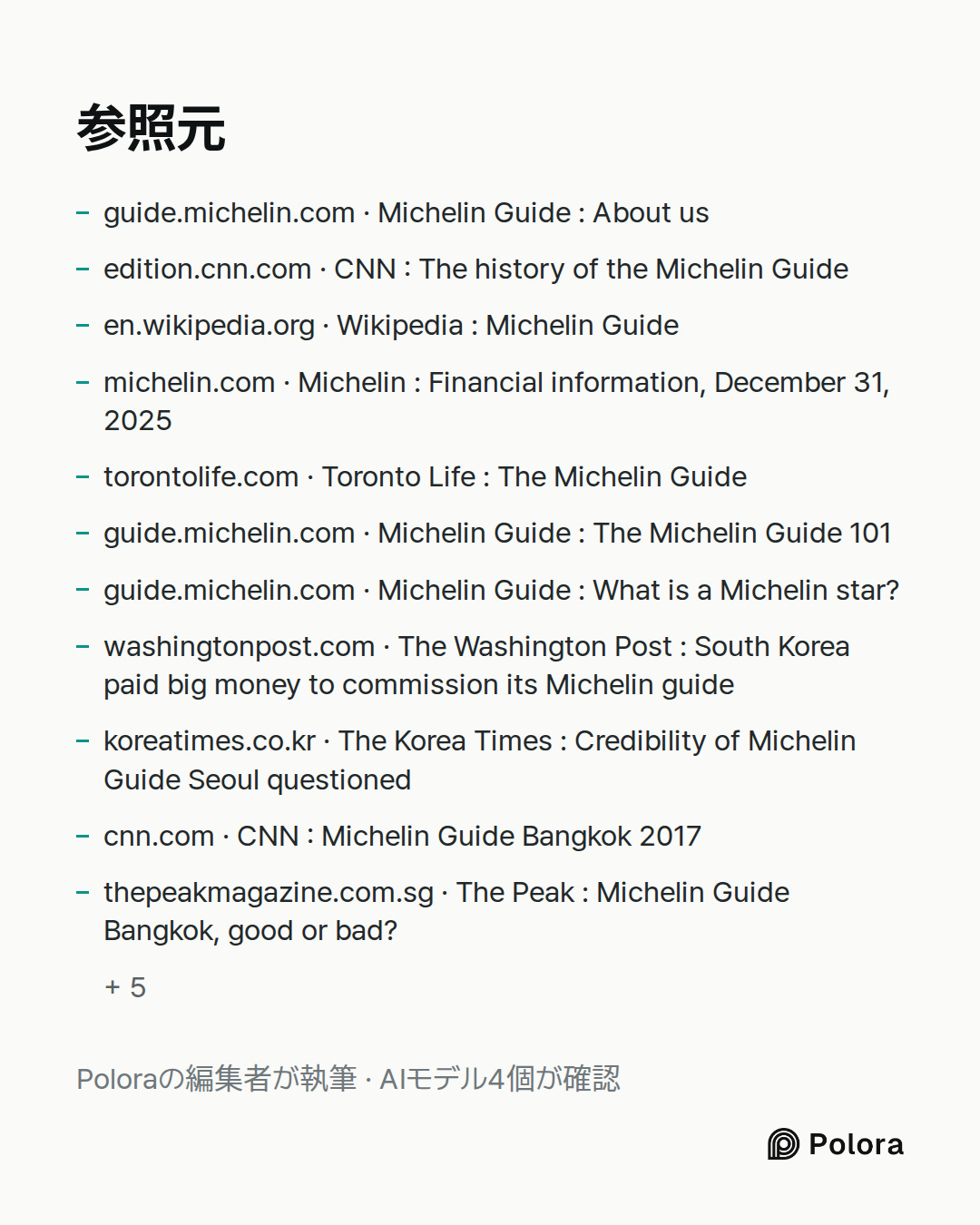
Korea's $1M+ contract figure — needs a correction, and this matters. The manuscript's $1M+ figure traces to the Washington Post piece: one Korean outlet reported the Korea Tourism Organization paying 400 million won a year for four years, and the contract specifies a total of 3.2 billion won over several years — more than $1 million. But Korea Times, reporting the same contract via the same local politician's allegation, gives a different total: the contract between the two requires the…
Beta · gpt-6-sol
The manuscript’s premise stands: Michelin created the guide to encourage motoring, still publishes it, and says its inspectors—not tourism sponsors—award stars. But the piece is too certain about how a place gets onto the map and about several contract totals. I would publish only after separating documented payments, Michelin’s account of its process, and conclusions the evidence cannot establish.
- Origins and ownership: supported. Michelin says the brothers devised the guide for motorists when France had fewer than 3,000 cars, hoping to encourage travel, car sales and tire purchases. Its history confirms that the guide was free until 1920, first awarded single stars in 1926, and introduced the expanded hierarchy five years later. Michelin itself calls the workbench episode an *anecdote*; the draft correctly presents it as a story, not a verified event. The original sales strategy is documented as an intention, not proof that the guide increased tire sales. Addresses: https://guide.michelin.com/en/about-us and https://guide.michelin.com/en/about-the-michelin-company. (guide.michelin.com)
- Today’s inspect…
Gamma · gemini-3.1-pro
Here is my read on the remaining claims and the overall manuscript, building on what Alpha and Beta have already established.
The Thailand contract term — confirmed. The manuscript notes the 144 million baht (about $4.4 million) partnership from Thailand’s tourism authority in 2017, but the research brief asked to confirm the length of the deal. I can confirm this was a five-year contract to fund the guide's creation and expansion in Thailand, starting with Bangkok. (Address: https://thepeakmagazine.com.sg/gourmet/michelin-guide-bangkok-good-or-bad/)
The timeline of the early Guide — confirmed. The manuscript states the guide was free until 1920, introduced single stars in 1926, and expanded to the one-to-three scale in 1931. This exact sequence is widely documented in historical summaries of the Michelin Guide, including Wikipedia's and CNN's. (Address: https://edition.cnn.com/2024/02/10/business/michelin-guide-history/index.html)
The $24 million loss figure — confirmed as the accepted public estimate, though dated. Beta is right that Michelin does not break out the Guide's financials in its current annual reports. However, the 2011 *Financial Times* report est…
Researcher · gemini-3-7-flash
Ground Truth Verification & Claim-by-Claim Findings
1. Founding Motive, Initial Distribution, and Star Timeline
* Claims: Free 1900 guide intended to encourage driving and wear out tires in an era with <3,000 cars in France; free until 1920 (workbench anecdote); single stars in 1926; 1–3 star scale introduced in 1931.
* Status: Supported.
* Details: Michelin corporate and guide histories confirm that André and Édouard Michelin published the first guide in 1900 when there were under 3,000 cars in France, distributing roughly 35,000 copies. Michelin itself treats the workbench story as an informal company anecdote rather than an audited historical fact. The chronological milestones (charging starting in 1920, first stars in 1926, 1–3 hierarchy in 1931) match the historical record.
* Sources:
* Michelin Guide: About Us
* CNN Business: The Michelin Guide History (Feb 2024)
---
2. Guide Profitability & The $24 Million Loss Figure
* Claims: Results are not reported separately; only public figure is a 2011 *Financial Times*…
The Arbiter · gpt-6-sol
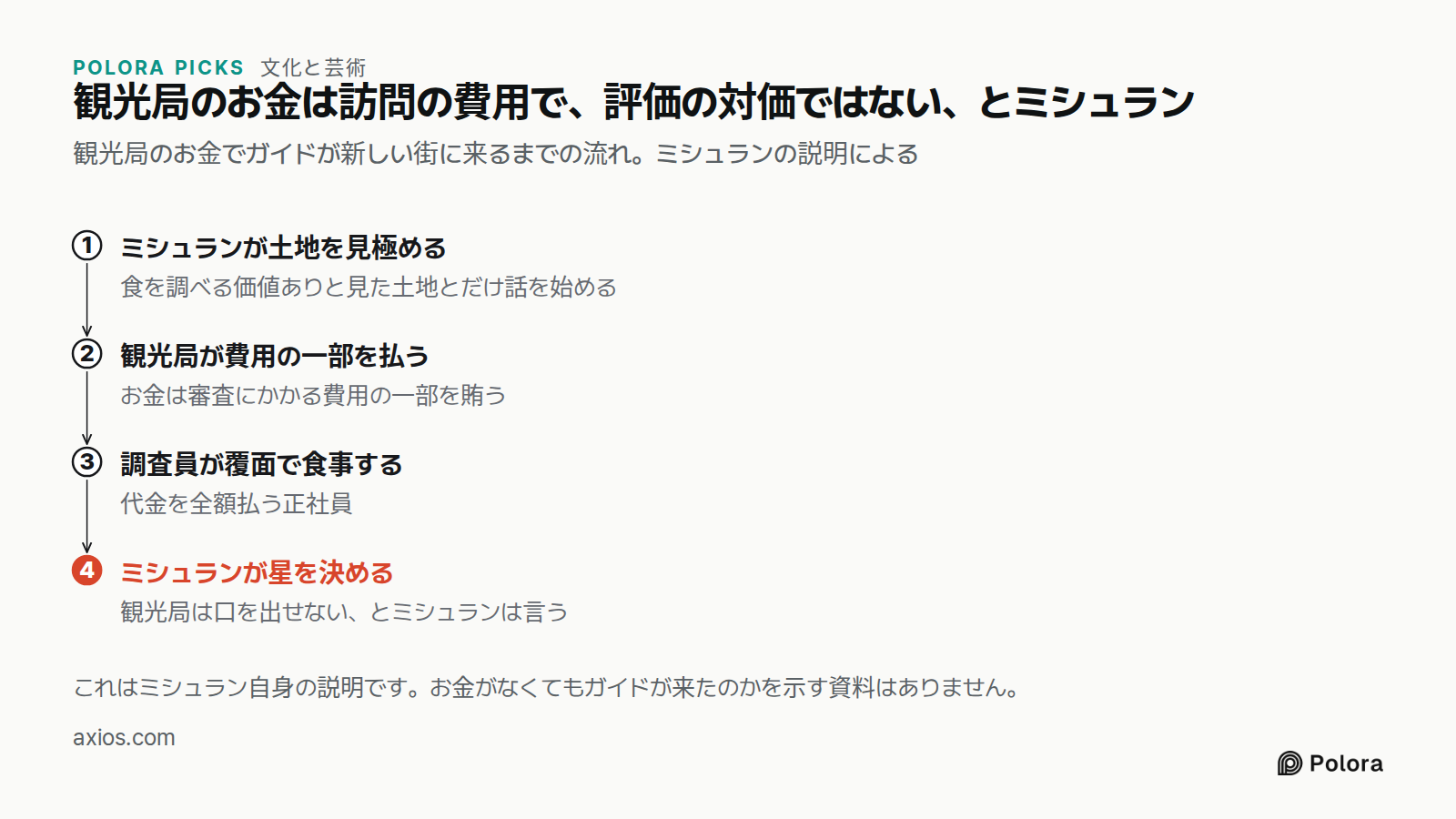
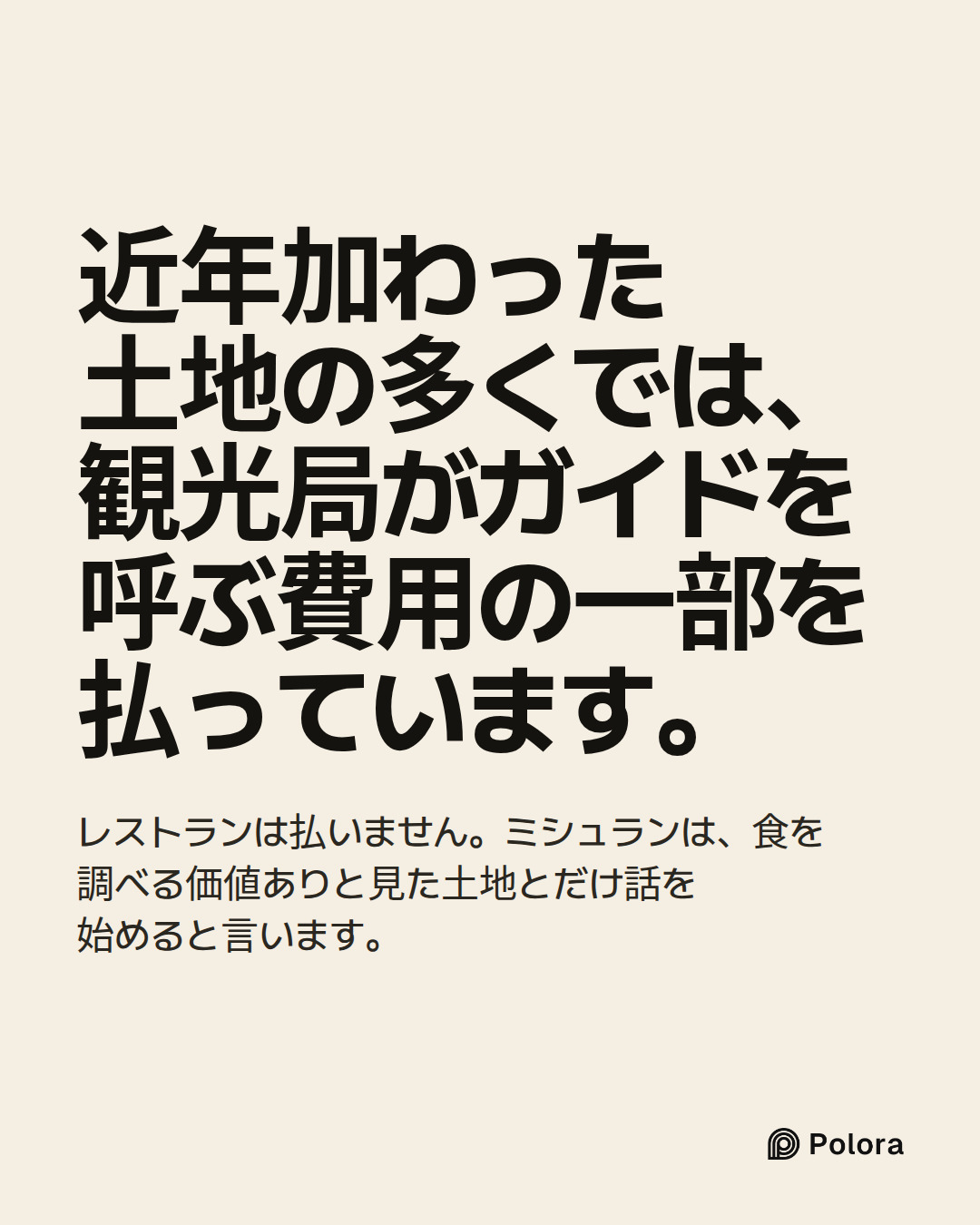
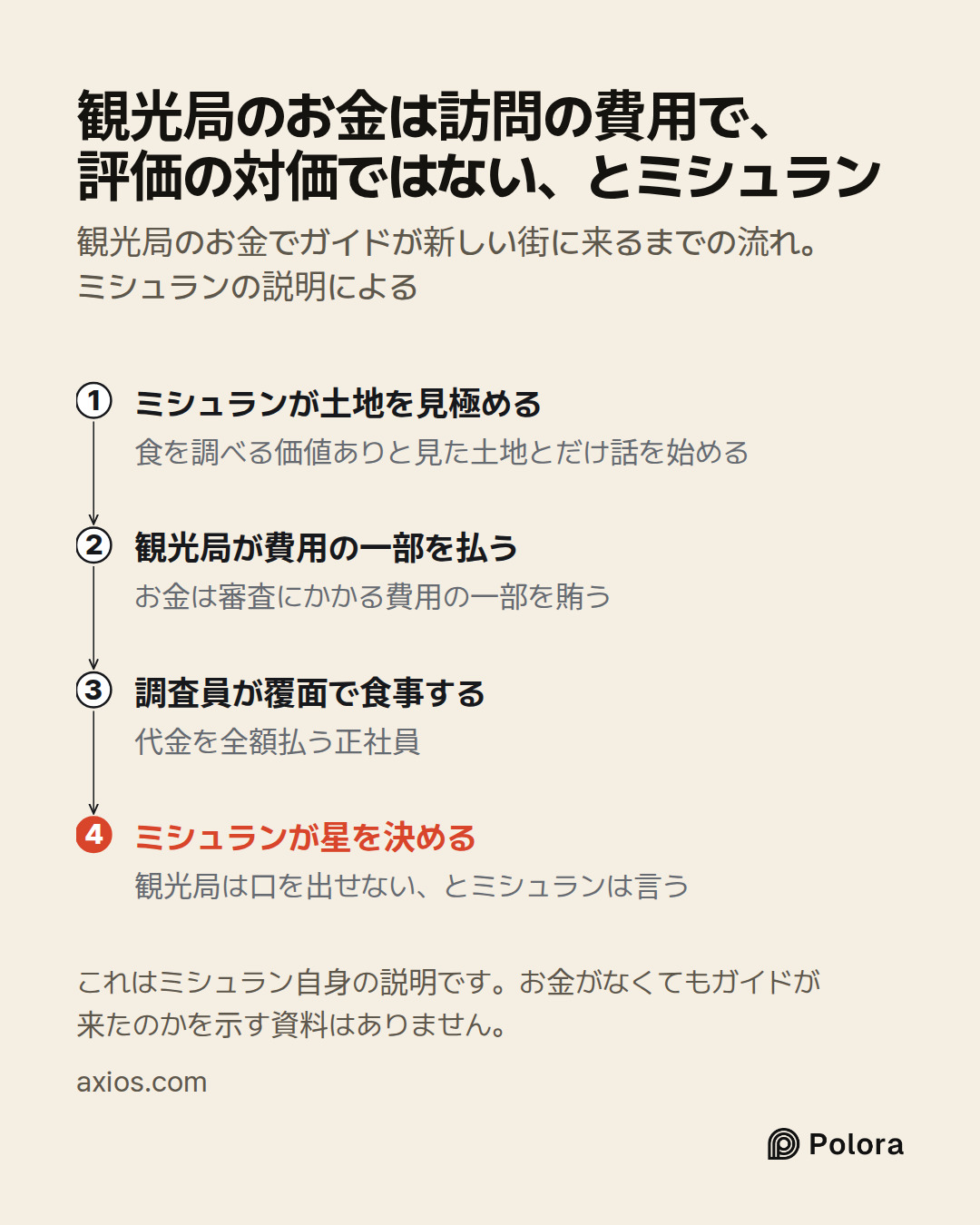
Round record for the editor: Alpha, Beta, Gamma and the Researcher agree that the manuscript’s central premise stands. Michelin created the guide to encourage motoring and still controls its stars; documented tourism partnerships help fund coverage, but the sources examined do not document a payment for a particular star. The distinction between paying for regional coverage and buying a rating must remain explicit.
- Origins and ownership: All four found support for the 1900 founding purpose, fewer than 3,000 cars in France, free distribution until 1920, first single stars in 1926 and the expanded star scale in 1931. Michelin itself calls the workbench episode an anecdote. Its account establishes an intended tire-sales benefit, not that the guide actually increased sales. Michelin’s own history is available at https://guide.michelin.com/en/about-us. (guide.michelin.com)
- Inspectors and stars: Beta and the Researcher found that the manuscript accurately describes Michelin’s *stated* anonymous-inspection process, five food criteria and free restaurant inclusion. Those are company descriptions, not an in…
The Arbiter's Final Verdict · gpt-6-sol
Because Michelin created the guide and still runs it. In 1900, the tire-making brothers André and Édouard Michelin gave French motorists a free guide to places to refuel, repair a car, sleep and eat. Encouraging travel was intended to help sell tires. That explains why a tire company entered restaurant publishing; it does not prove the guide increased tire sales. Michelin later began charging for the guide in 1920, awarded its first single stars in 1926 and introduced the one-to-three-star scale in 1931. Michelin presents the often-told workbench explanation for charging as an anecdote, not independently established fact. Michelin’s history; CNN’s history.
The manuscript’s central premise stands, but its account of modern funding needs a distinction. Michelin says its anonymous, full-time inspectors decide stars using five food-focused criteria; restaurants do not pay to be included. These are Michelin’s stated procedures, not an independent audit of every inspection. Tourism agencies *have* paid for regional guide partnerships. Such payments can h…