새로 나온 연방 상환 데이터는 어떤 학생이 반드시 어려움을 겪는다거나 특정 학교의 잘못이라는 증거가 아니라, 대출하기 전에 프로그램을 비교해 보라는 경고로 받아들여야 합니다.
비즈니스와 경제 · 2026-09-18
연방 정부가 새로 내놓은 데이터가 학생들이 예전에는 다 겪고 나서야 알던 사실에 숫자를 붙였습니다. 어떤 대학에서는 학비를 대출로 충당해 다닌 사람 가운데 상당수가 졸업 뒤 그 대출을 감당하지 못한다는 것입니다. 이 수치는 약 2천 개 학교를 짚었고, 가장 나쁜 결과는 영리 목적의 직업 전문학교에 몰려 있습니다. 특정 학위나 프로그램이 빚을 질 만한 값어치가 있는지 저울질하는 사람이라면, 이 숫자가 실제로 무엇을 증명하는지 궁금해지는 게 당연합니다.
폴로라는 이 질문을 여러 회사가 만든 AI 모델 여럿에게 던지고, 같은 연방 자료를 함께 읽게 했습니다. 모델들은 핵심 해석에는 뜻을 같이했고, 대출을 앞둔 사람이 이 데이터로 무엇을 해야 하는지를 두고는 쓸모 있게 갈렸습니다. 다음은 그들이 찾아낸 내용입니다.
새 숫자가 실제로 세는 것
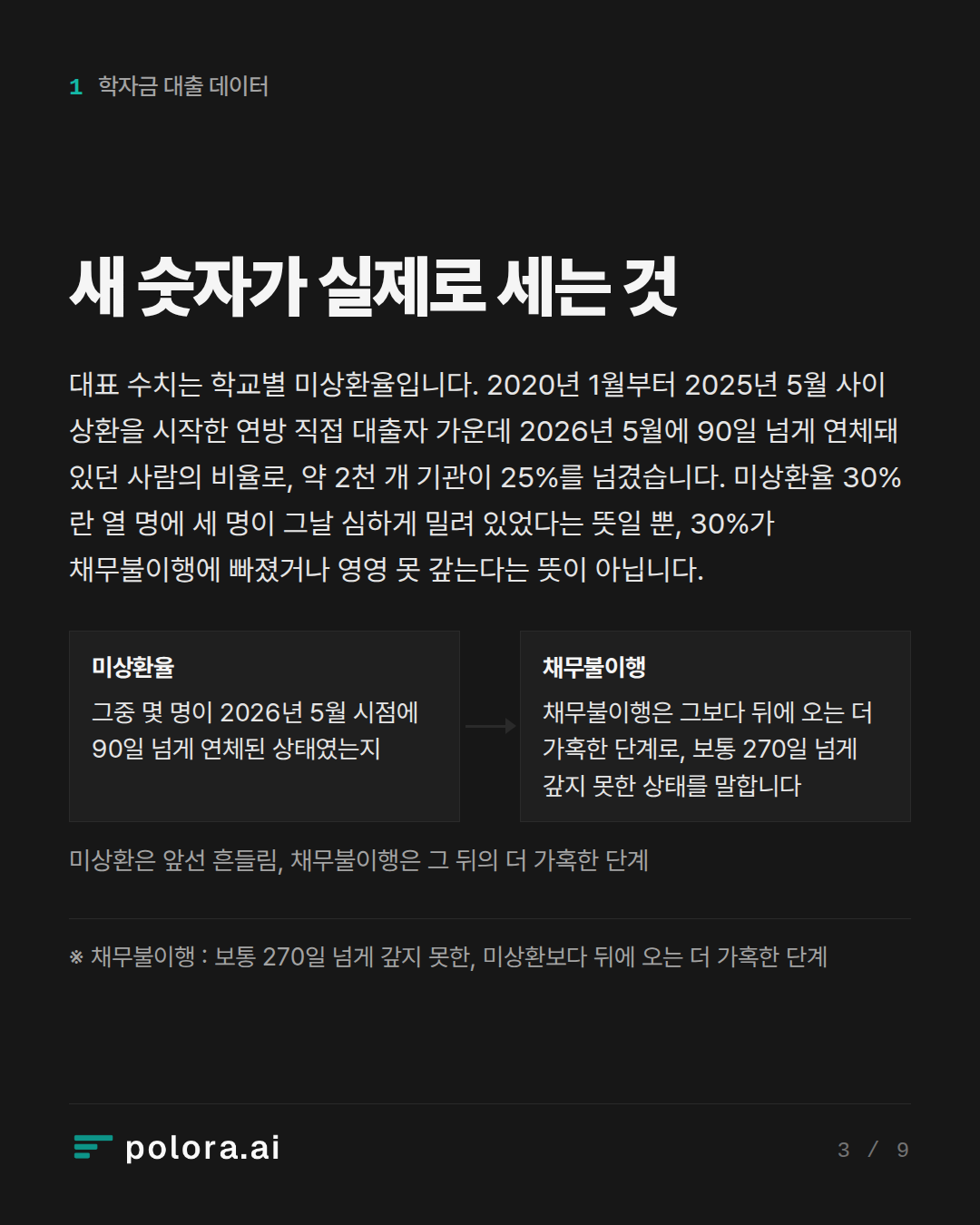
이 데이터의 대표 수치는 학교별 미상환율입니다. 연방 직접 대출을 받아 2020년 1월부터 2025년 5월 사이에 상환을 시작한 사람들을 대상으로, 그중 몇 명이 2026년 5월 시점에 90일 넘게 연체된 상태였는지, 즉 갚을 돈이 밀려 있었는지를 봅니다. 연방학자금지원청은 약 2천 개 기관의 미상환율이 25% 이상이라고 밝혔습니다.
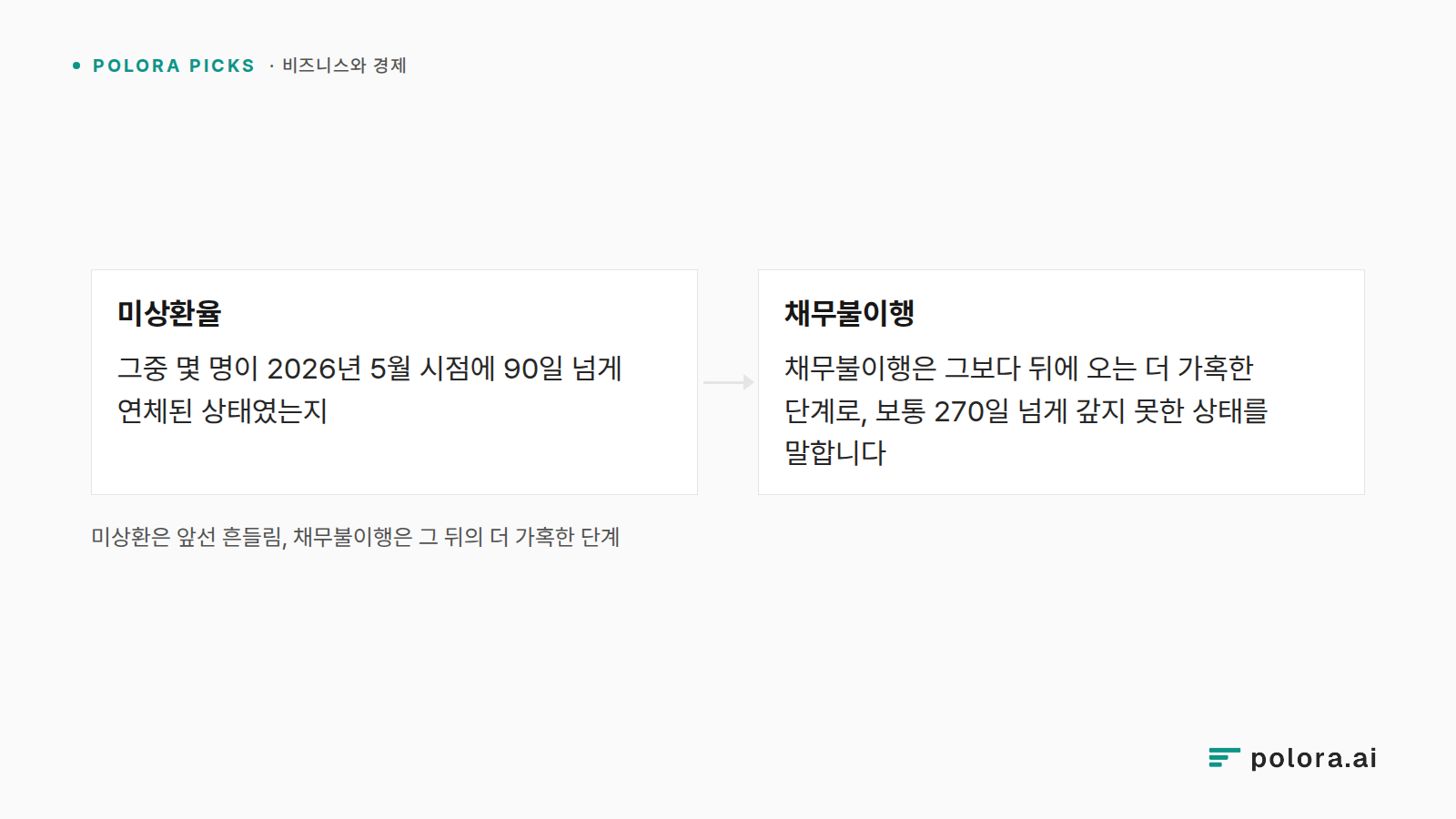
이게 무슨 뜻인지 그대로 짚어 보는 게 좋습니다. 미상환율 30%란, 이 지표가 다루는 대출자 가운데 열 명에 세 명 정도가 그 기준일에 심하게 연체돼 있었다는 뜻입니다. 30%가 채무불이행에 빠졌다거나, 30%가 영영 갚지 못한다거나, 학교가 그만큼의 돈을 잃었다는 뜻이 아닙니다. 채무불이행은 그보다 뒤에 오는 더 가혹한 단계로, 보통 270일 넘게 갚지 못한 상태를 말합니다. 미상환율은 그보다 앞서 오는 흔들림입니다.
미상환은 앞선 흔들림, 채무불이행은 그 뒤의 더 가혹한 단계 · 미상환율 · 채무불이행 · 그중 몇 명이 2026년 5월 시점에 90일 넘게 연체된 상태였는지 · 채무불이행은 그보다 뒤에 오는 더 가혹한 단계로, 보통 270일 넘게 갚지 못한 상태를 말합니다
이런 기사에는 또 다른 숫자가 따라붙습니다. 2026년 3월 말 기준으로, 약 900만 명의 대출자가 채무불이행 상태인 연방 대출로 2,200억 달러가량을 지고 있다는 것입니다. 여기서는 조심할 필요가 있습니다. 이 숫자는 제도 전체를 아우른 것입니다. 영리 대학이 일으킨 손실을 잰 것도 아니고, 납세자가 끝내 잃게 될 금액도 아닙니다.
채무불이행 상태의 대출도 법적으로는 여전히 회수할 수 있습니다. 그 잔액 가운데 일부는 상환되거나 회생되거나 통합될 것이고, 일부는 탕감될 것이며, 일부는 끝내 회수되지 않을 것입니다. 회수 비용과 보조금, 그리고 갚지 않은 잔액을 통해 공적 자금이 얽혀 있기는 하지만, 참가한 모델들 앞에 놓인 데이터는 납세자가 최종적으로 부담할 비용에 숫자를 붙이지 않았습니다. 납세자 부담이라는 주장을 정직하게 옮기면 표제보다 좁습니다. 갚지 않은 몫의 일부를 사회가 떠안지만, 그게 얼마인지는 이 기록에서 누구도 말할 수 없었습니다.
쓸모 있는 대목에서는 모델들의 의견이 같았습니다. 높은 미상환율은 경고 딱지이지 성적표가 아닙니다. 그 학교가 제대로 가르치지 못한다고 증명해 주지도 않고, 어느 한 사람이 어려움을 겪을 거라고 증명해 주지도 않습니다. 다만 한 가지는 분명히 말해 줍니다. 이 학교에 다니려고 대출한 사람들 가운데 많은 수가 그 빚을 제때 갚지 못해 왔다는 사실입니다.
이 숫자는 비교할 때 가장 값집니다. 같은 자격을 여러 학교에서 찾아보고, 대개 얼마를 빚지는지, 얼마나 졸업하는지, 졸업 뒤 얼마를 버는지와 나란히 놓으면 성적이 나쁜 학교가 두드러집니다. 경제학자 역할을 맡은 모델은 그 논리를 이렇게 간단히 풀었습니다. 대출을 앞둔 학생에게는 그 학교가 그 결과를 일으켰다는 증명이 필요한 게 아니라, 비슷한 처지의 사람들이 그렇게 진 빚을 감당했는지에 대한 감이 필요할 뿐이라는 것입니다. 비슷한 대출자들이 으레 상환에 뒤처졌고 더 싼 길로도 같은 일자리에 닿을 수 있다면, 그 값을 치를 만하다는 걸 증명할 책임은 비싼 학교 쪽으로 넘어갑니다.
같은 모델들은 한계에 대해서도 단호했습니다. 가장 큰 한계는 선발 효과입니다. 학교마다 받는 사람이 다르다는 것입니다. 저소득층이나 집안 최초의 대학 진학자, 일하며 공부하는 성인 학생을 더 많이 받는 학교는, 실제로 값어치를 더해 주더라도 상환 성적이 나쁘게 나올 수 있습니다. 그 학생들에게 재정적 여유가 더 적다는 이유만으로도 그렇습니다. 있는 그대로의 수치만으로는 이걸 부실한 교육이나 높은 학비, 벌이가 적은 분야와 갈라낼 수 없습니다.
다른 한계도 있습니다. 이 지표는 한 사람의 결과를 예측하지 못합니다. 사설 대출이나 가족이 진 빚, 자기 주머니에서 낸 돈은 잡아내지 못하는 경우가 많습니다. 시차가 있어서 올해의 등록금이나 가장 새로운 프로그램은 아직 온전히 반영되지 않습니다. 규모가 작은 프로그램은 사생활 보호를 위해 가려집니다. 또 이 대출자들을 졸업생으로 그리기 쉽지만, 그 집단에는 다니다 끝내 마치지 못한 사람도 들어 있을 수 있습니다. 자격증 없이 학교를 떠나는 것 자체가 상환에 어려움을 겪는 가장 확실한 길 가운데 하나입니다. 사람들은 더 오래된 칼리지 스코어카드의 상환 지표를 대신 찾기도 하는데, 그것은 별개의 더 약한 잣대이고 2018년에 마지막으로 갱신됐으니 이 새 자료와 혼동해서는 안 됩니다.
가장 날카롭게 엇갈린 지점은 어느 쪽이 더 무거운가, 곧 들어가는 분야인가 고르는 학교인가였습니다. 경제학자 역할의 모델은 둘을 얼추 대등하게 보고, 결국은 이들이 어떻게 맞물리느냐가 결정한다고 했습니다. 이 프로그램을, 이 학교에서, 이 실부담 가격에, 이 학생이, 이 노동 시장에서 밟는다는 조합 말입니다. 기관 분석가로 설정된 모델은 학교 자체에 무게를 더 실어야 한다며, 소유주 변경이나 과거의 제재, 인가 관련 문제가 시차 있는 상환 숫자로는 드러나지 않는 위험을 보여 준다고 주장했습니다.
소비자 보호 역할의 모델이 가장 세게 밀어붙였습니다. 이 숫자들이 다루는 짧고 비싼 직업 프로그램에서는 분야가 이미 정해져 있는 때가 많으므로, 학교와 그 가격이 사람이 아직 조절할 수 있는 변수라는 것입니다. 용접공이나 치과 조무사를 찾는 노동 시장은, 그 훈련에 체인 학교에서 2만 달러가 들었든 지역 전문대학에서 그 일부만 들었든 더 많이 쳐주지 않습니다.
참가한 모델들은 둘 다 쥘 수 있는 깔끔한 길로 정리했습니다. 분야가 벌이의 상한을 상당 부분 정하고, 학교는 얼마를 빌려야 하는지, 마칠 가능성이 얼마나 되는지, 그 자격증이 얼마나 미덥게 일자리로 이어지는지를 정합니다. 벌이가 적은 직종은 어디서든 큰 빚을 떠받치지 못하고, 벌이가 좋은 직종도 거기 닿는 데 지나치게 많은 값을 치르면 망칠 수 있습니다.
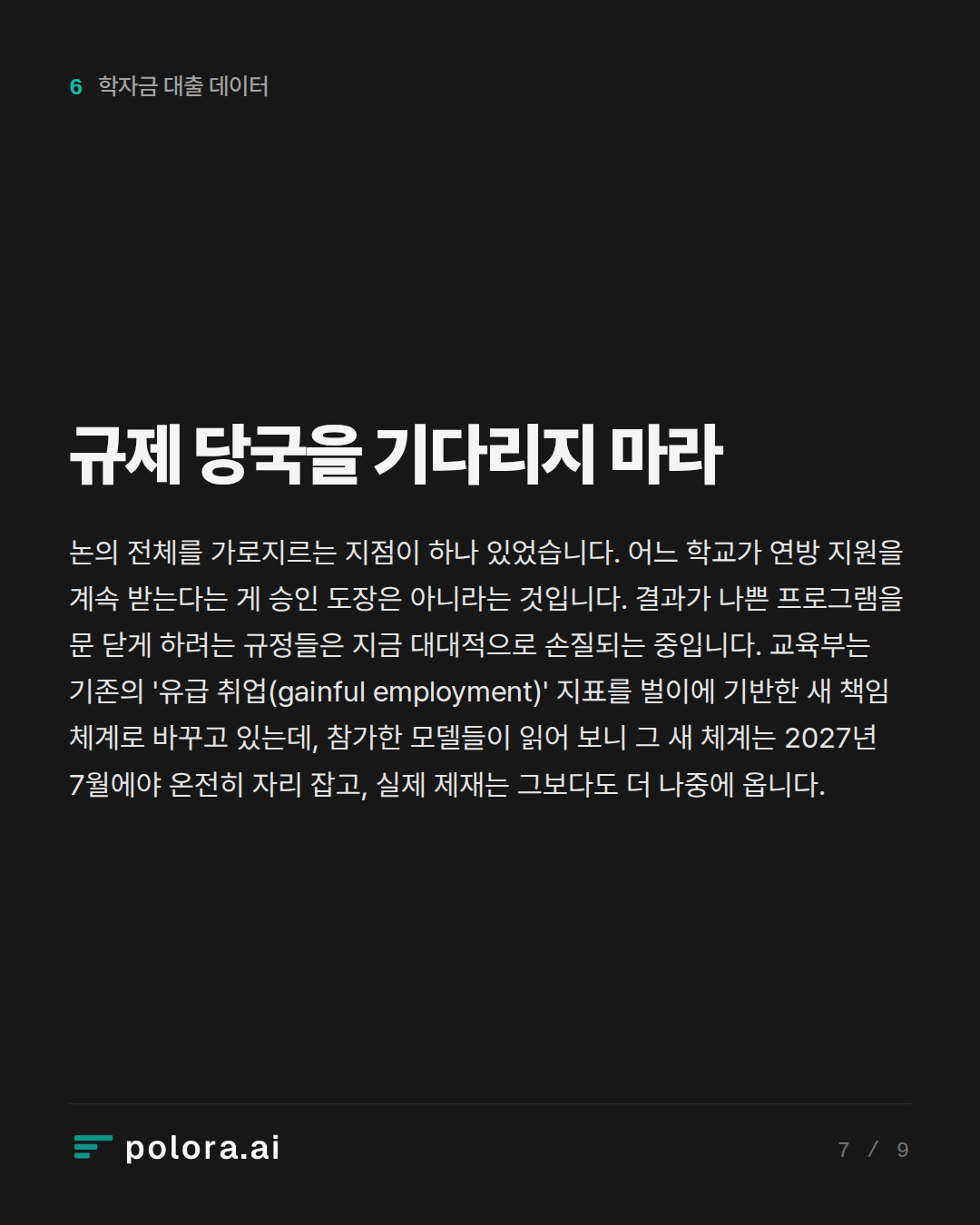
논의 전체를 가로지르는 지점이 하나 있었습니다. 어느 학교가 연방 지원을 계속 받는다는 게 승인 도장은 아니라는 것입니다. 결과가 나쁜 프로그램을 문 닫게 하려는 규정들은 지금 대대적으로 손질되는 중입니다. 교육부는 기존의 '유급 취업(gainful employment)' 지표를 벌이에 기반한 새 책임 체계로 바꾸고 있는데, 참가한 모델들이 읽어 보니 그 새 체계는 2027년 7월에야 온전히 자리 잡고, 실제 제재는 그보다도 더 나중에 옵니다. 영리 대학 수입 가운데 연방 지원에서 나올 수 있는 몫을 제한하는 별개의 규정, 이른바 '90 대 10' 규정은 2025년에 느슨해졌습니다.
기관 분석가 모델이 끌어낸 실질적 교훈은 이렇습니다. 집행이 몇 년씩 뒤처져 돌아가는 탓에, 상환 데이터가 규제 당국보다 보호 역할을 더 많이 하고 있으니, 대출자는 문을 연 학교라고 해서 안전한 학교라고 여길 수 없다는 것입니다. 소비자를 위한 새 신호가 하나 도착하기는 했습니다. 2025년 12월부터, 어느 학교 졸업생이 대체로 그 주의 고등학교 졸업자보다 적게 번다면, 일부 1학년 지원자는 연방 지원 신청서에서 경고 문구를 보게 됩니다. 이것이 자격 요건을 바꾸지는 않습니다. 깜빡이는 경고등일 뿐입니다.
모델들은 학교를 명성으로 줄 세우는 대신, 대출 서명 전에 매듭지어야 할 짧은 질문 목록으로 모였습니다. 보조금을 뺀 실부담 가격은 얼마인가, 대출을 지원이 아니라 빚으로 놓고 볼 때 말입니다. 첫해만이 아니라 다 마칠 때까지 통틀어 얼마를 빌려야 하는가. 학생들이 실제로 그 프로그램을 마치고, 필요한 자격 시험이 있다면 통과하고, 그 자격증이 필요한 일자리를 얻는가. 벌이는 최선의 경우가 아니라 현실적인 급여와 견주면, 그리고 가까운 공립대학이나 도제 과정, 병원 프로그램에서 얻는 같은 자격증과 견주면 어떻게 보이는가.
이들이 함께 내린 결론은 소박하고 새겨 둘 만합니다. 상환 숫자는 위험을 걸러내는 데 쓰되, 교육의 질을 매기는 데는 쓰지 말라는 것입니다. 어느 학교의 옛 대출자들이 널리 빚을 갚지 못하고 있고 같은 직종에 더 싸게 닿을 수 있다면, 그 여분의 빚을 피하는 게 대개 온당한 선택이라는 데 참가한 모델들은 뜻을 같이했습니다. 견줄 만한 대안이 없을 때는, 나쁜 숫자가 그 특정 프로그램을 파고들 이유이지 눈을 돌릴 이유는 아닙니다. 이 수치는 화재경보기입니다. 무엇이 타고 있는지 알려 주지는 않지만, 흘려들을 소리도 아닙니다.
A new wave of federal data shows that graduates of certain colleges, especially for-profit schools, struggle far more than others to repay their student loans, and taxpayers end up absorbing much of what goes unpaid. Investigate what this repayment data can and cannot tell someone who is deciding whether a specific degree or program is worth borrowing for. Lay out how the participants read the evidence, where they agree, and where they split on how much the choice of school matters versus the choice of field. Explain it plainly for a reader who has never seen these repayment numbers before.
Higher Education Economist · gpt-5.6-terra
Higher Education Economist
The new federal repayment data are best understood as a consumer-warning signal, not a verdict on every student or every degree.
What the numbers measure
There are two related but different federal measures people may encounter:
1. College Scorecard repayment rates: the share of former borrowers whose federal-loan balance has fallen below its original amount after entering repayment. This is stricter than simply being current: a borrower can make payments yet see the balance grow because interest exceeds the payment. The traditional Scorecard measure is based on undergraduate borrowing at the reported institution, excludes people in school or military deferment at the measurement date, and can assign pieces of a consolidated loan to more than one school. (collegescorecard.ed.gov)
2. The newer institutional nonpayment rate: the share of Direct Loan borrowers who entered repayment between January 2020 and May 2025 and were more than 90 days delinquent. Federal Student Aid updated these figures through May 2026 and reported that roughly 2,000…
Institutional Analyst · claude-sonnet-5
Institutional Analyst
The Economist laid out the measurement mechanics well. I want to add the piece that's easy to miss: why the accountability rules keep changing underneath this data, and what that instability means for a reader trying to use it right now.
The regulatory backdrop matters for interpreting "for-profit" specifically
The reason for-profits show up disproportionately in nonpayment and default data isn't incidental — it's the reason two separate accountability regimes exist specifically to police that sector's outcomes:
The 90/10 rule caps for-profit colleges' revenue from federal aid at 90%, precisely because this requirement was meant to be a proxy for measuring educational value at proprietary institutions — if colleges offer a good return on investment, students will be OK with at least partly footing the bill themselves. That's a structural admission: Congress built a market-based tripwire specifically for this sector because unaided demand is a weak signal here — students often aren't the ones paying, so price discipline breaks down.
The Gainful Employment framework has just been overhauled again. As of July 2026, ED created a new Studen…
Consumer Advocacy Advocate · grok-4-6
I'll pull the latest federal repayment numbers and consumer-facing sources so the advice is grounded, not generic.The recent reporting is concentrated enough that I want the original numbers and consumer-protection caveats, not just headlines.Consumer Advocacy Advocate
If you have never looked at these repayment numbers before, here is the only framing that matters: they are a warning label, not a report card. They do not tell you whether a school is “good.” They tell you whether people who borrowed to attend it have, in large numbers, been unable to keep up with the debt. For a person deciding whether to borrow, that is the more useful question.
What the new numbers actually are
The Department of Education now publishes an institutional nonpayment rate: the share of federal Direct Loan borrowers who first entered repayment between January 2020 and May 2025 and were more than 90 days behind as of the latest snapshot. It is a delinquency thermometer, not the official cohort default rate. Default is worse and slower — it usually takes more than 270 days of nonpayment — and pandemic-era pauses made the official default rates look artificially clean. Nonpayment is th…
Researcher · gpt-5.6-terra
Researcher fact-check
Claims that are supported
- The institutional nonpayment measure is real and is not the cohort default rate. Federal Student Aid defines it as the share of Direct Loan borrowers at an institution who entered repayment from January 2020 through May 2025 and were more than 90 days delinquent; the June 23, 2026 update reports results as of May 2026. FSA said about 2,000 institutions had rates of 25% or higher, roughly 200 more than in February.
Source: https://fsapartners.ed.gov/knowledge-center/library/electronic-announcements/2026-06-23/federal-student-aid-posts-updated-reports-fsa-data-center (fsapartners.ed.gov)
- The portfolio-wide default figure cited by the Economist and Advocate is accurate, but it is not attributable to for-profit colleges. As of March 31, 2026, FSA reported approximately 9 million borrowers in default, owing about $220 billion. That is a systemwide federal-loan figure, not an estimate of losses caused by a particular sector or institutio…
The Arbiter · gpt-5.6-sol
Round record
The participants converge on the central interpretation: federal repayment data are a warning signal about borrowing risk, not a stand-alone judgment of educational quality or proof that a school caused borrowers’ difficulties.
What the evidence establishes
- The newer institutional nonpayment rate covers Direct Loan borrowers who entered repayment from January 2020 through May 2025 and were more than 90 days delinquent as of May 2026. About 2,000 institutions had rates of at least 25%.
- This is not the official cohort default rate. It identifies serious delinquency earlier than default.
- Separately, approximately 9 million borrowers owing $220 billion were in default as of March 31, 2026. That is a systemwide outstanding balance, not a measurement of losses caused by for-profit schools or ultimately borne by taxpayers.
- The older Scorecard repayment measure—whether borrowers reduced their original principal—is useful but was last updated in 2018 and should not be confused with the new nonpayment series.
The Researcher did not verify several precise figures offered by the Consumer Advocacy Advocate, including sector ave…
The Arbiter's Final Verdict · gpt-5.6-sol
Verdict
The new federal repayment data are best treated as a financial smoke alarm. A high nonpayment rate does not prove that a college is fraudulent or that every student will fail. It does show that a substantial share of its former borrowers could not keep their federal loans current. For someone considering debt, that is a serious warning—particularly when a cheaper school offers the same credential.
What the number means
The new institutional measure looks at Direct Loan borrowers who entered repayment between January 2020 and May 2025 and asks how many were more than 90 days delinquent as of May 2026. About 2,000 institutions had rates of at least 25%.
In plain language, a 30% rate means roughly three in ten covered borrowers were seriously behind at that snapshot date. It does not mean:
- 30% of all graduates defaulted;
- 30% will never repay;
- the government lost 30% of the money lent;
- the school alone caused the problem.
Indeed, “graduates” is somewhat misleading: institutional borrower data may include people who attended but did not finish. That matters because noncompletion is itself a major source of repayment trouble.
The separate figure of a…