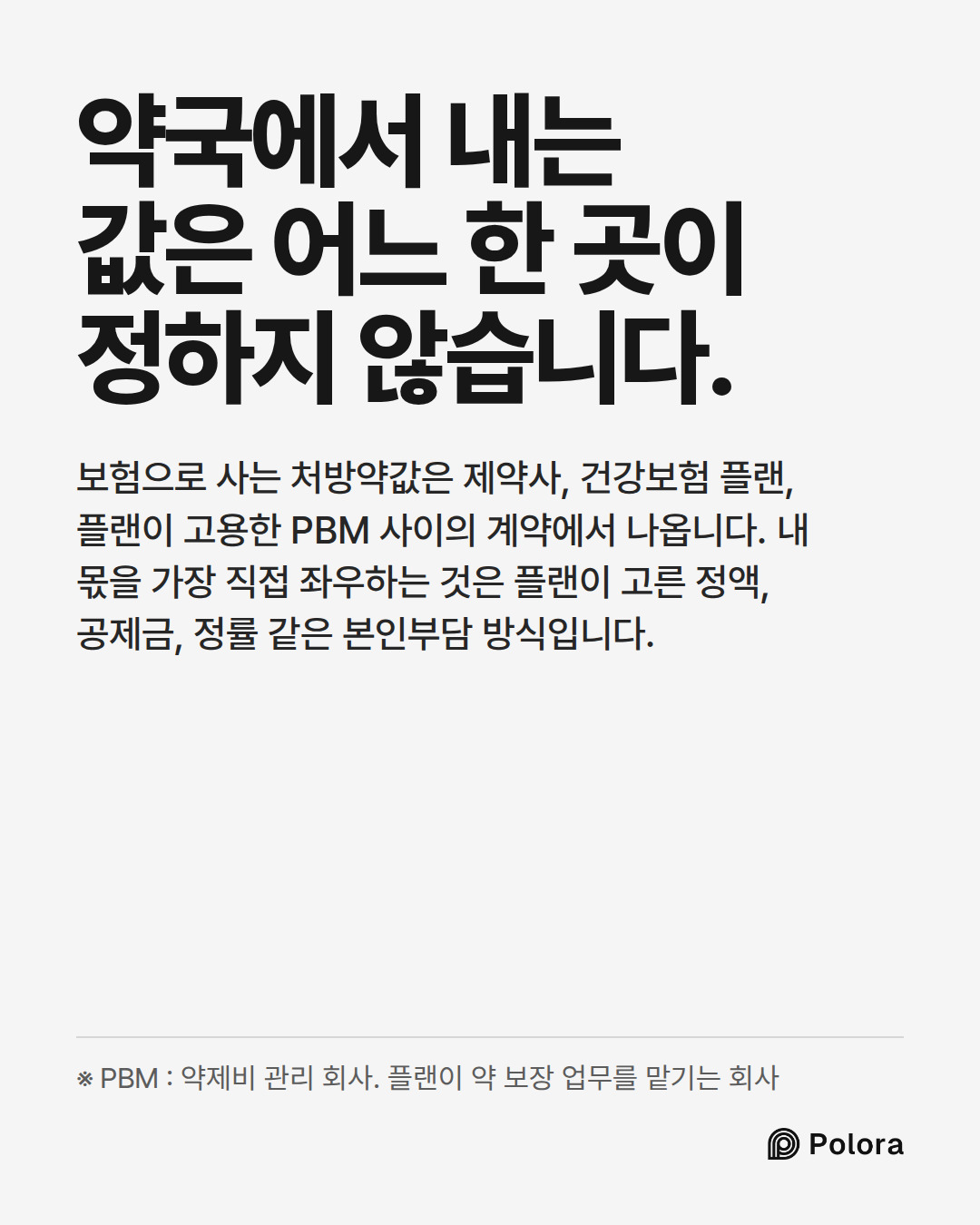
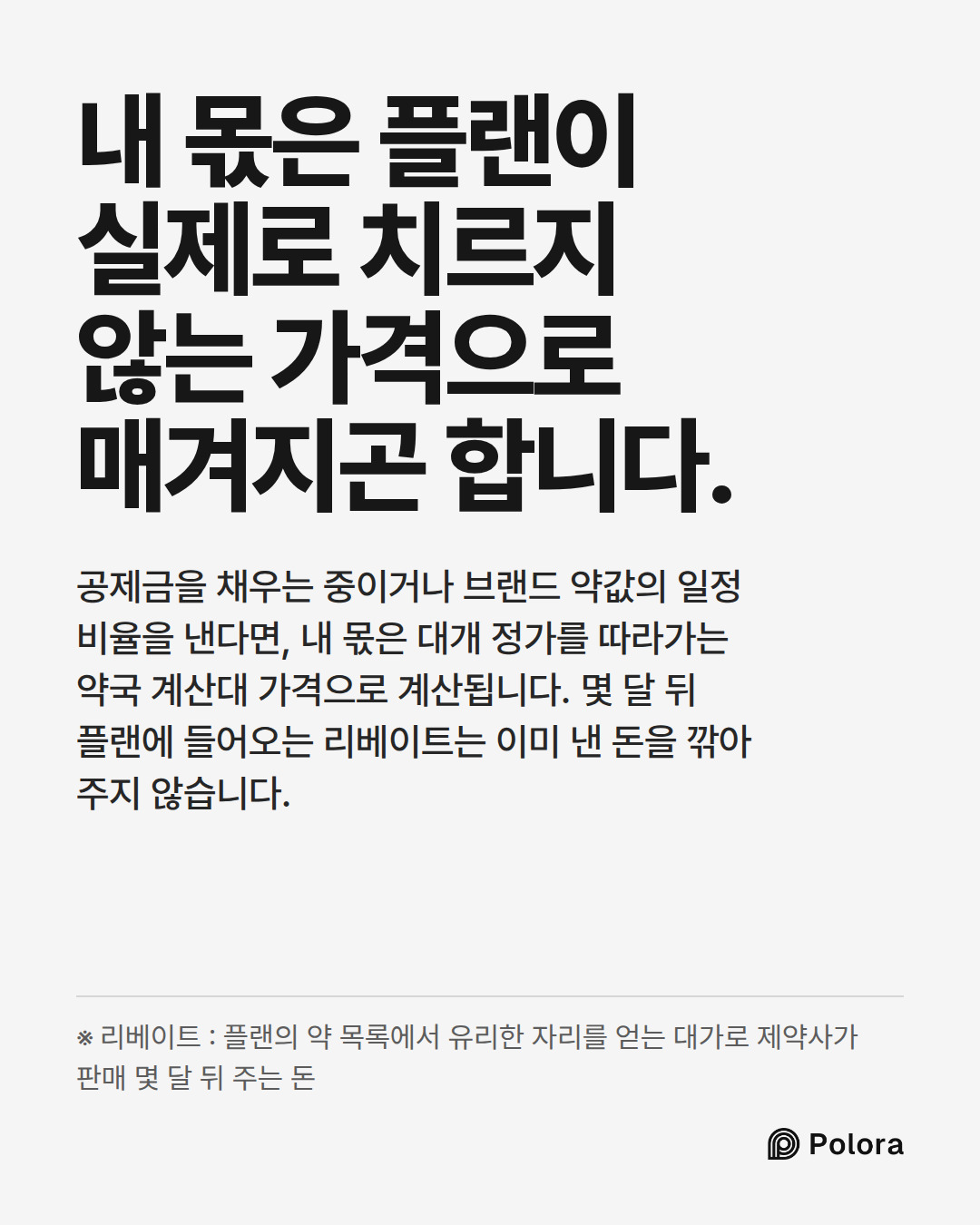
어느 한 곳이 정하지 않습니다. 보험으로 사는 처방약값은 제약사, 건강보험 플랜, 플랜이 고용한 약제비 관리 회사(PBM) 사이의 계약에서 나오고, 내 몫을 가장 직접 좌우하는 것은 플랜이 고른 본인부담 방식, 곧 정액이냐 공제금이냐 정률이냐입니다. 공제금을 채우는 중이거나 브랜드 약값의 일정 비율을 낸다면, 내 몫은 플랜이 리베이트를 받은 뒤 실제로 치르는 낮은 값이 아니라 정가를 따라가는 약국 계산대 가격으로 매겨지는 경우가 많습니다.
과학과 건강 · 2026-10-17
약사는 화면에 뜬 값을 읽을 뿐입니다
지난달과 똑같은 처방전을 냈는데 이번에는 몇 배를 내라고 합니다. 혹은 다른 보험에 든 동료는 같은 알약을 훨씬 싸게 삽니다. 약국 창구에서 이유를 물으면 대개 "보험에서 그렇게 나왔습니다"라는 답이 돌아옵니다.
보험으로 사는 처방약이라면 이 답은 거의 문자 그대로 사실입니다. 약국이 처방전을 접수하면 그 내용은 전산으로 건강보험 플랜을 대신해 일하는 회사에 넘어갑니다. 돌아오는 응답에 약국이 받을 돈과 환자가 낼 돈이 찍혀 있습니다. 약국은 그 숫자를 읽을 뿐, 정하지 않습니다. 보험 없이 현금으로 사는 경우는 다릅니다. 약국의 자체 현금가나 할인 제도가 값을 정합니다. 그렇다면 보험으로 사는 나머지 사람들의 값은 누가 정할까요?
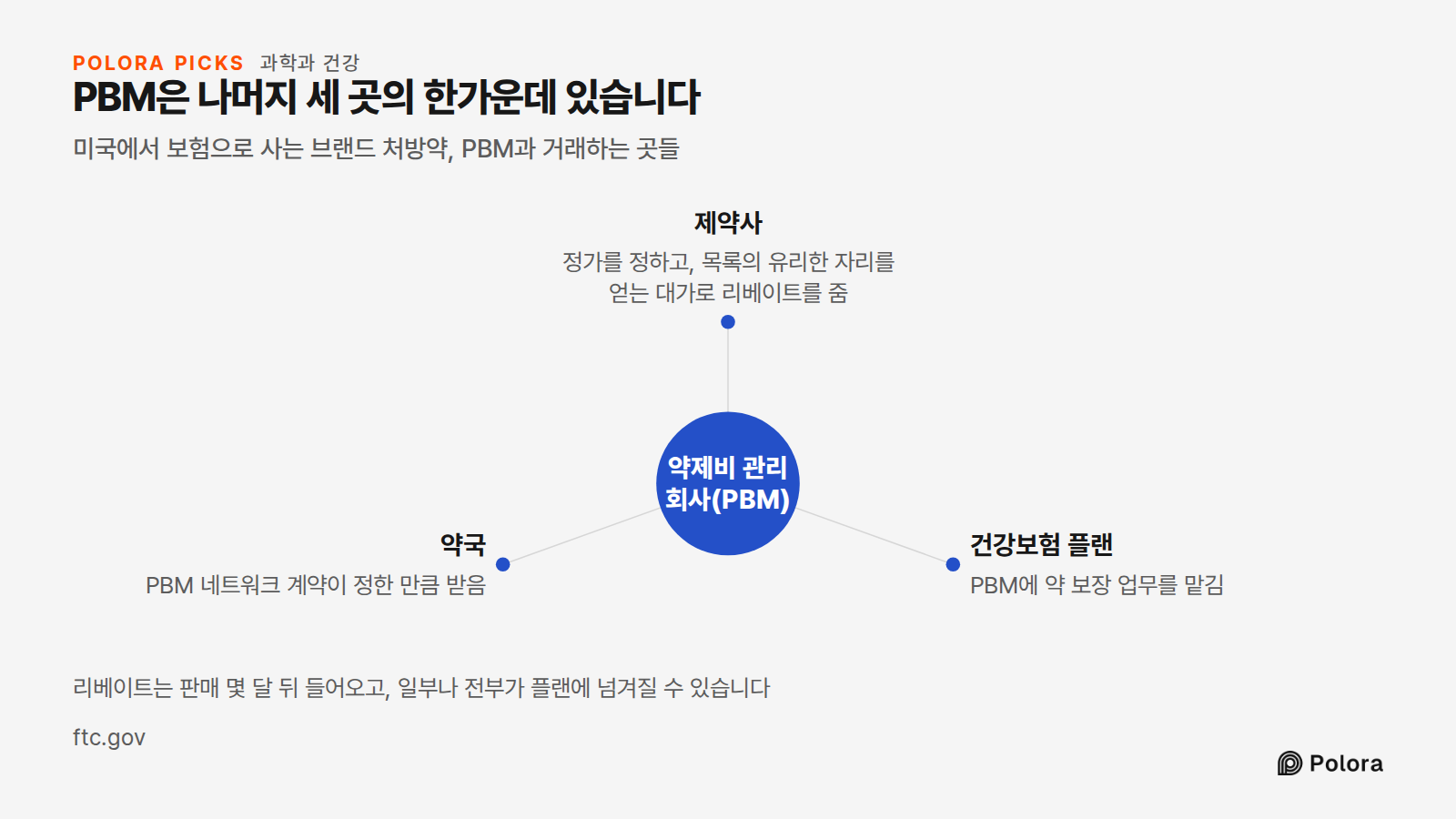
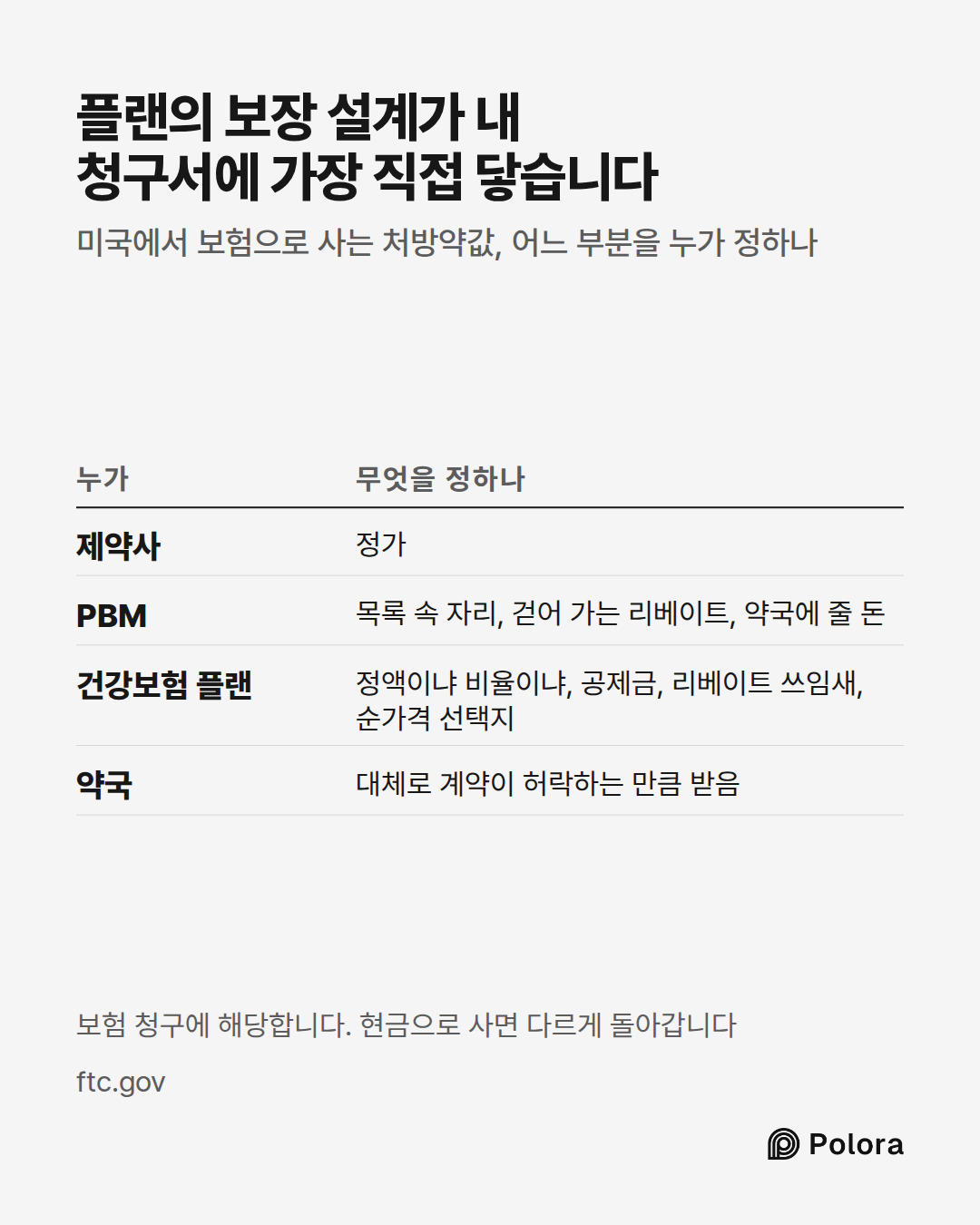
미국에서 브랜드 약(특허를 가진 오리지널 약)의 값은 여러 겹의 계약에서 나옵니다. 제약사는 정가, 곧 할인 전에 공시하는 가격을 정합니다. 흔히 고용주가 운영하는 건강보험 플랜은 보장 조건을 정합니다. 정액으로 낼지 비율로 낼지, 본인 공제금(보험이 지급을 시작하기 전에 가입자가 먼저 채워야 하는 금액)은 얼마인지, 어떤 약을 어느 등급에 둘지 같은 것들입니다. 플랜은 약 보장 업무를 약제비 관리 회사, 곧 PBM(pharmacy benefit manager)에 맡깁니다. PBM은 어떤 약을 어떤 조건으로 보장할지 적은 플랜의 처방약 목록, 곧 포뮬러리를 관리합니다.
미국 연방거래위원회(FTC) 실무진은 2024년 보고서에서 제약사들이 그 목록에서 유리한 자리를 얻는 대가로 PBM에 리베이트를 준다고 썼습니다. 2024년 의회에 제출된 연방 보고서에 따르면 리베이트는 판매 몇 달 뒤에 들어오고, 그 일부나 전부가 플랜에 넘겨질 수 있습니다. PBM은 또 자기 네트워크에 속한 약국마다 얼마를 줄지 정하는 계약도 맺습니다.
그래서 리베이트를 뺀 플랜의 실제 약값은 계산대에서 찍히는 가격보다 상당히 낮은 경우가 많습니다. 나중에 정해지는 이 낮은 숫자는 대개 환자의 영수증에 끝내 나타나지 않습니다.
대부분이 잘못 짚는 대목이 바로 여기입니다. 처방 한 건마다 정해진 금액을 내는 정액 본인부담이라면 정가는 내게 별 상관이 없습니다. 하지만 아직 공제금을 채우는 중이거나, 약값의 일정 비율을 내는 정률 본인부담이라면 사정이 다릅니다. 이때 내 몫은 대개 약국 계산대 가격을 기준으로 계산됩니다. 그 가격이 정가와 똑같지는 않지만 정가를 따라가고, 몇 달 뒤 플랜에 들어오는 리베이트는 이미 낸 돈을 깎아 주지 않습니다. FTC 실무진 보고서도 이 점을 직접 적고 있습니다. 건강보험 플랜 같은 지불자가 치르는 순가격, 곧 리베이트를 뺀 가격이 환자 본인부담과 공제금을 정하는 판매 시점 가격보다 상당히 낮은 경우가 많다는 것입니다.
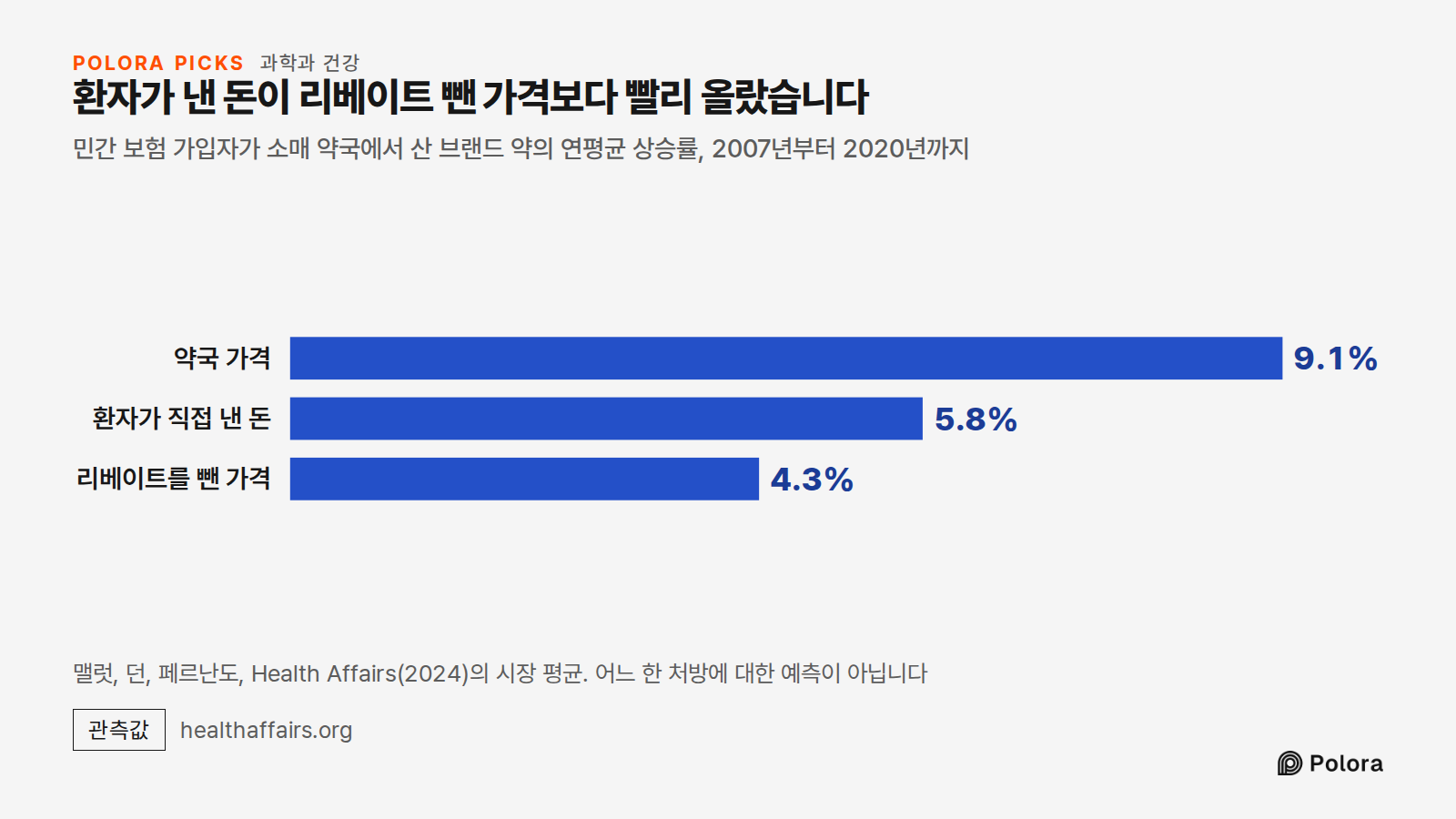
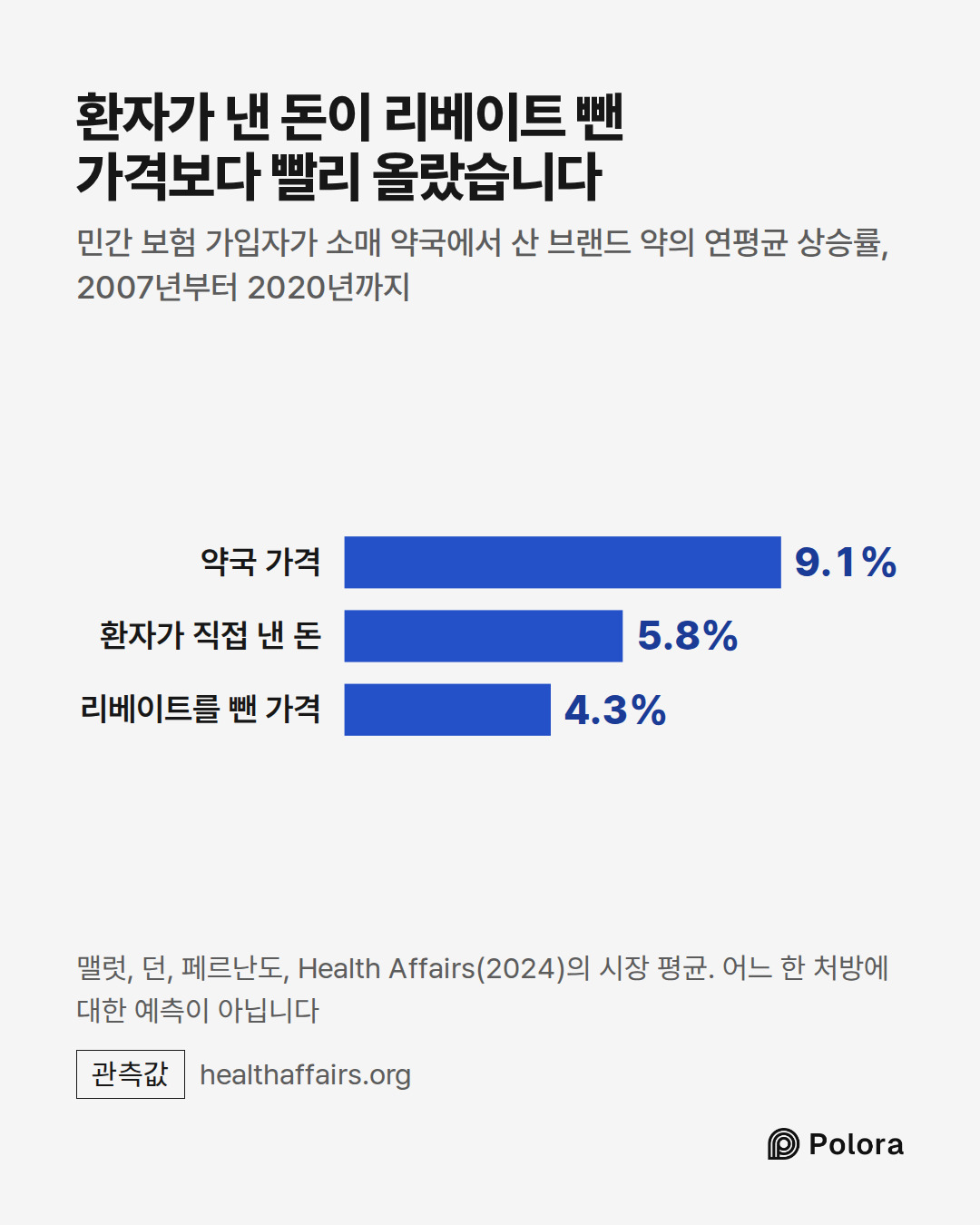
시간이 지나면 그 차이가 환자가 내는 돈에 드러납니다. 경제학자 저스틴 맬럿, 에이브 던, 라산티 페르난도는 2007년부터 2020년까지 민간 보험 가입자가 소매 약국에서 산 브랜드 약을 분석했습니다. 학술지 Health Affairs(2024)에 실린 결과를 보면 약국 가격은 해마다 9.1퍼센트, 리베이트를 뺀 가격은 4.3퍼센트, 환자가 직접 낸 돈은 5.8퍼센트씩 올랐습니다. 시장 전체의 평균이지, 어느 한 처방에 대한 예측은 아닙니다. 의회에 제출된 연방 보고서는 이 연구 결과를 정리하며, 그 증가분의 상당 부분이 대체로 정가에 연동된 가격으로 매겨지는 공제금과 정률 본인부담에서 나왔다고 설명합니다.
민간 보험 가입자가 소매 약국에서 산 브랜드 약의 연평균 상승률, 2007년부터 2020년까지
플랜이 리베이트를 그냥 챙기기만 하는 것은 아닙니다. 가입자 모두가 정기적으로 내는 보험료를 낮게 유지하는 데 쓸 수 있습니다. 다만 리베이트 중 얼마가 특정 플랜의 보험료로 이어지는지는 플랜마다 다르고 거의 알려지지 않습니다. 이 선택의 비용은 공제금이나 정률로 돈을 내면서 리베이트가 큰 약을 사는 사람에게 돌아갑니다. 이들의 몫은 여전히 더 높은 가격을 기준으로 매겨지기 때문입니다.
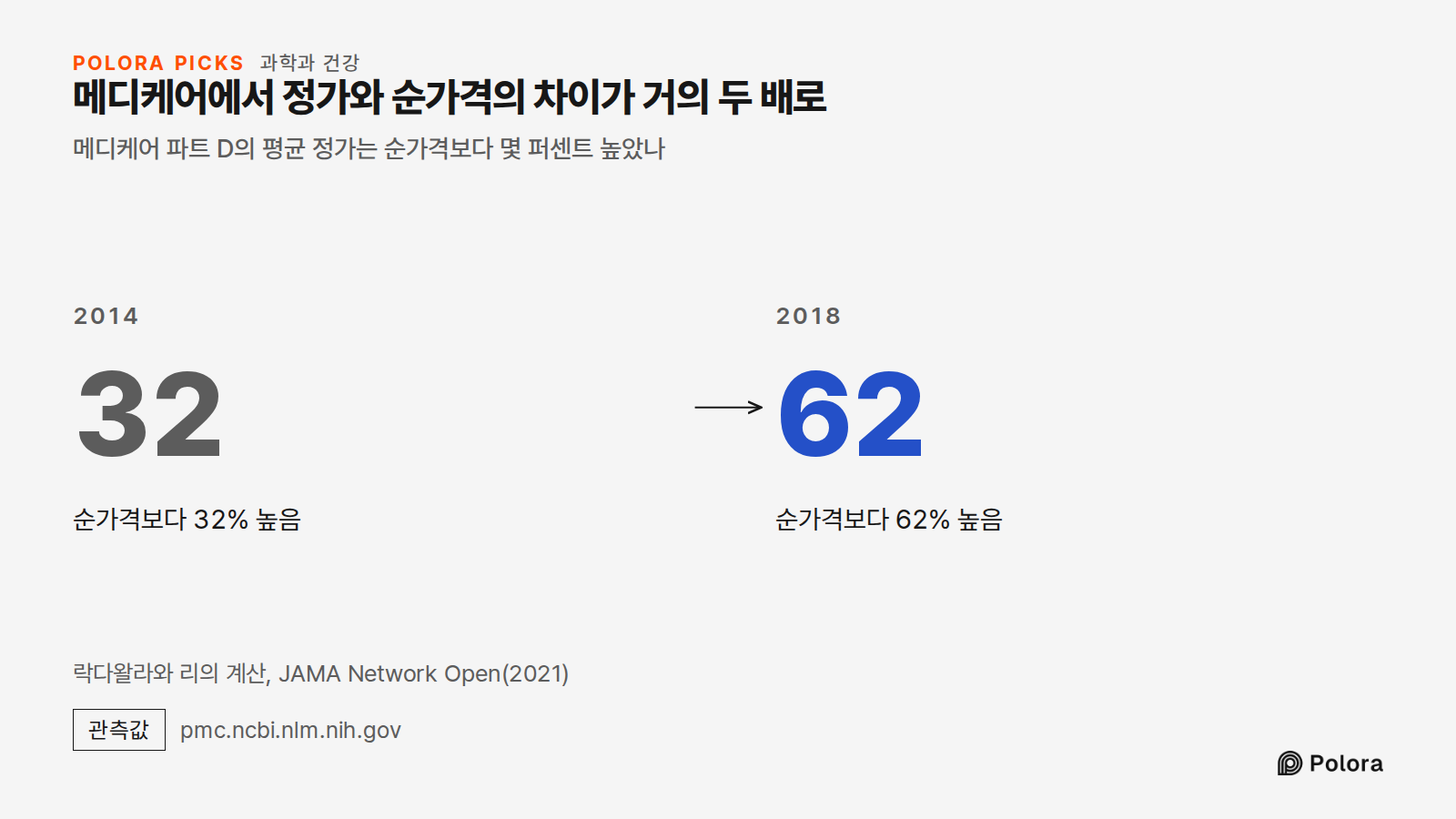
다리우스 락다왈라와 멍 리는 미국 노인 대상 공적 의료보험인 메디케어의 처방약 보장, 곧 파트 D를 연구해 JAMA Network Open(2021)에 실었습니다. 이들의 계산으로 평균 정가는 순가격보다 2014년에 32퍼센트, 2018년에는 62퍼센트 높았습니다. 이 연구는 또 리베이트를 계산대에서 환자에게 돌려주면 파트 D 보험료가 13퍼센트 오를 것이라는 앞선 연구의 추정을 인용하는데, 이 추정은 이 연구가 직접 낸 결과가 아닙니다.
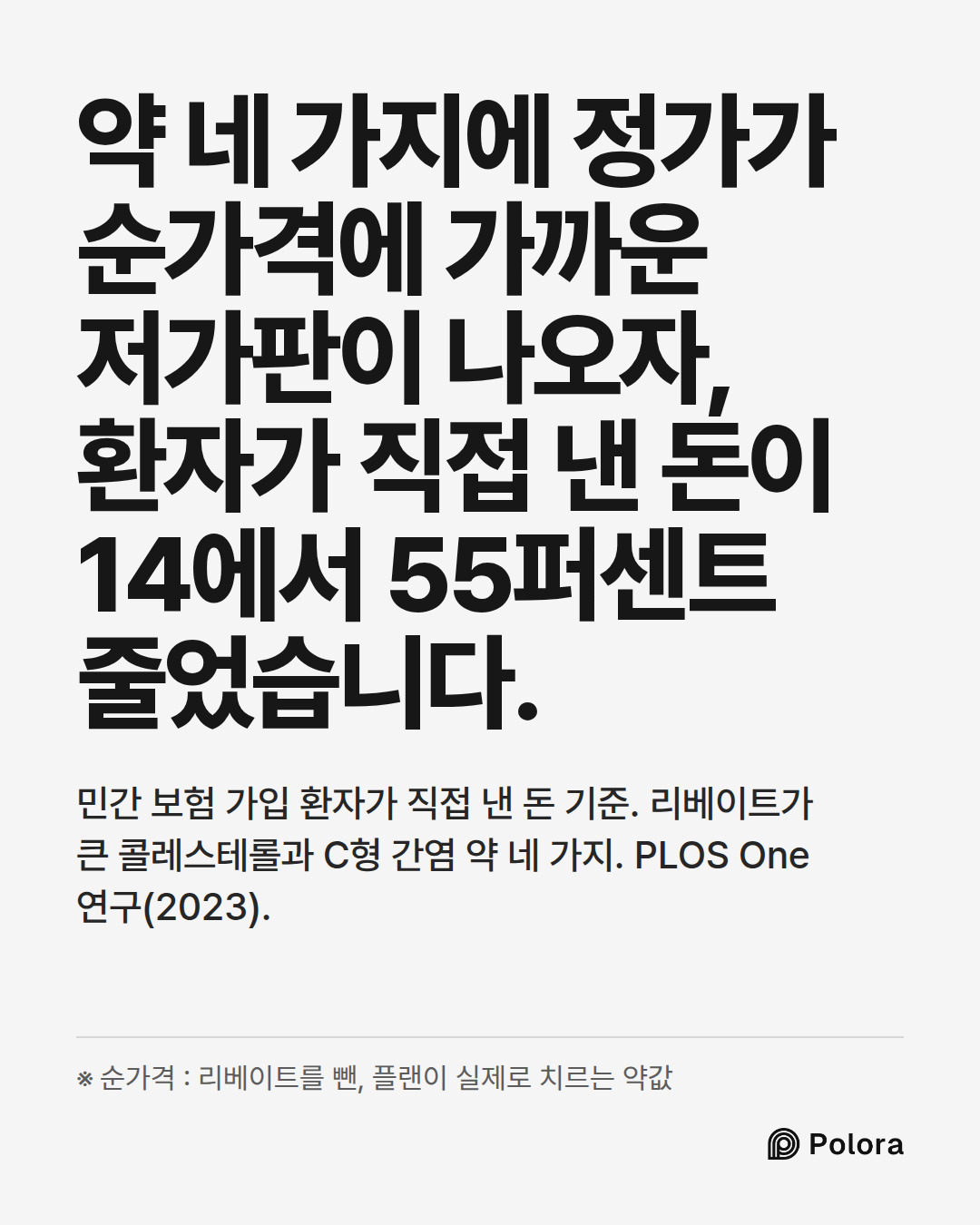
반대 방향도 측정된 적이 있습니다. PLOS One(2023)에 실린 연구에 따르면, 콜레스테롤과 C형 간염에 쓰는 비싸고 리베이트가 큰 약 네 가지에 정가가 순가격에 가까운 저가판이 나온 뒤 민간 보험 가입 환자가 직접 낸 돈은 14에서 55퍼센트 줄었습니다. 본인부담이 주로 정률에서 나오던 환자는 60퍼센트 넘게 줄었고, 주로 정액으로 내던 환자는 줄어든 폭이 처방 한 건당 65달러에 못 미쳤습니다.
특허가 끝난 뒤 싸게 팔리는 복제약(제네릭)에서는 또 다른 지렛대가 보입니다. PBM이 약국에 얼마를 주는지, 그리고 그 약국이 누구 것인지입니다. 가장 큰 PBM 세 곳은 모두 약국도 거느린 회사에 속해 있습니다. 여기에는 암이나 HIV 같은 질환의 고가 약을 다루는 전문 약국도 들어갑니다.
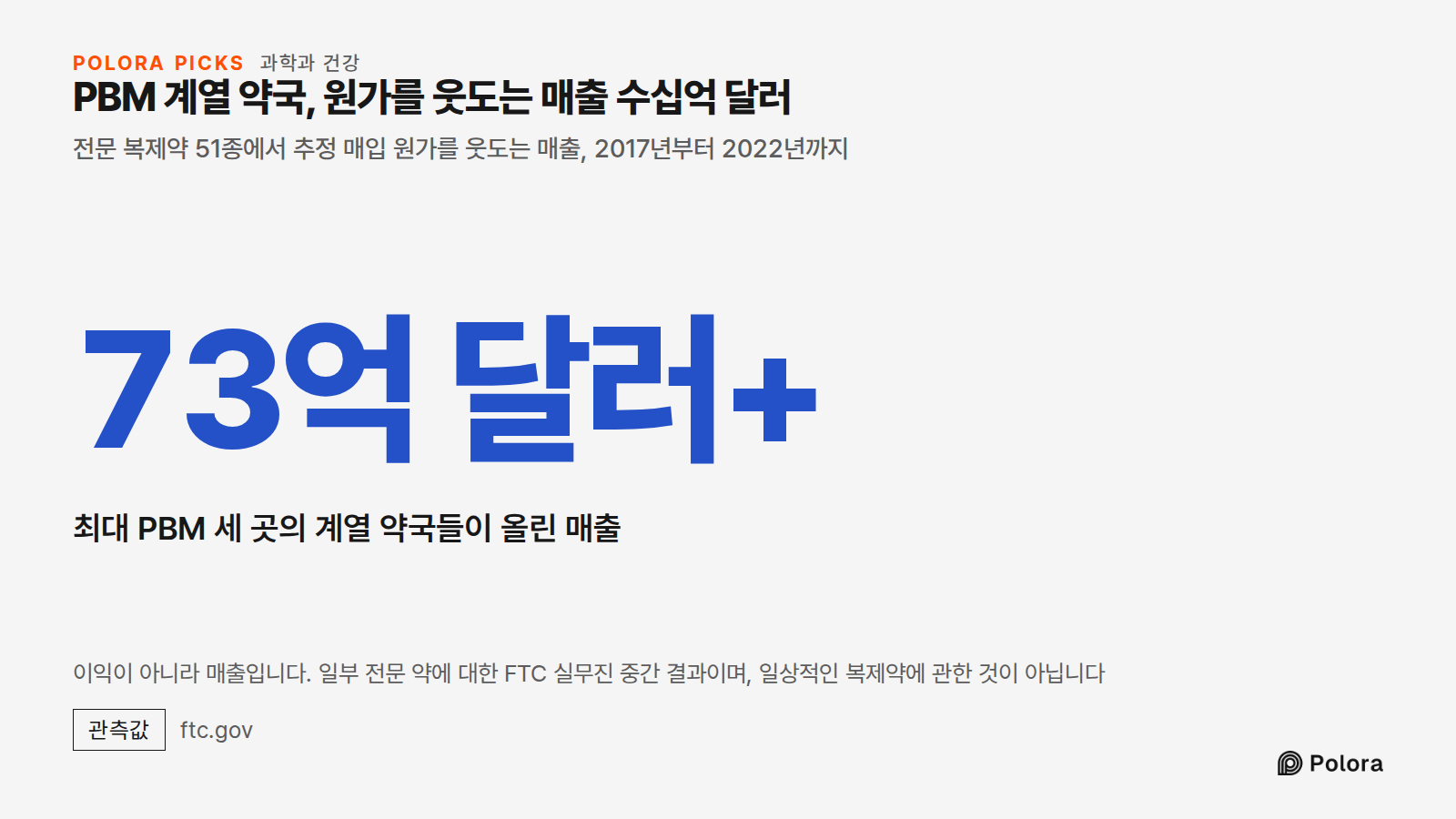
FTC는 2025년 1월 두 번째 실무진 보고서에서 전문 복제약 51종을 살폈습니다. 그 결과 2017년부터 2022년까지 최대 PBM 세 곳의 계열 약국들이 약의 추정 매입 원가를 웃도는 매출을 73억 달러 넘게 올렸다고 밝혔습니다. 이익이 아니라 매출입니다. 조사한 거의 모든 약에서 PBM이 외부 약국보다 자기 계열 약국에 더 많이 지급했다는 사실도 확인했습니다. 이는 FTC 실무진의 중간 결과이고, 대상은 일부 전문 약에 한정됩니다. 대부분의 사람이 약국에서 받아 가는 일상적인 복제약에 관한 결과는 아닙니다.
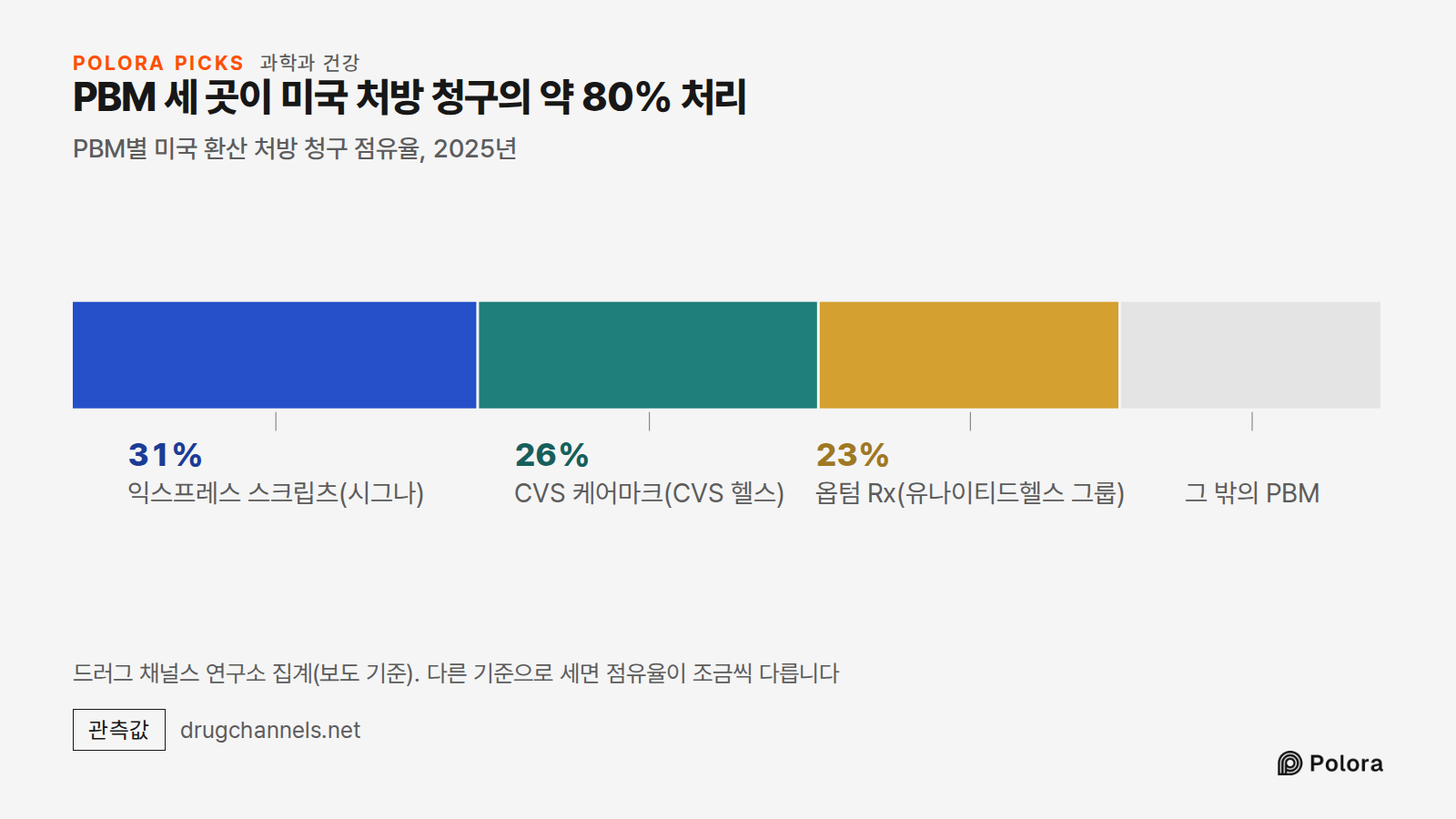
약 유통 분석 기관인 드러그 채널스 연구소 집계에 따르면, 2025년 미국 처방약 청구의 약 80퍼센트를 PBM 세 곳이 처리했습니다. 이 기관이 '환산 처방 청구'라고 부르는 단위로 잰 수치입니다. 이 집계를 전한 보도에 따르면 시그나 계열의 익스프레스 스크립츠가 31퍼센트, CVS 헬스 계열의 CVS 케어마크가 26퍼센트, 유나이티드헬스 그룹 계열의 옵텀 Rx가 23퍼센트입니다. 소매 처방 건수나 리베이트 협상 규모처럼 다른 기준으로 세면 점유율이 조금씩 달라지지만, 어느 기준으로 보든 시장의 대부분은 이 세 곳에 있습니다.
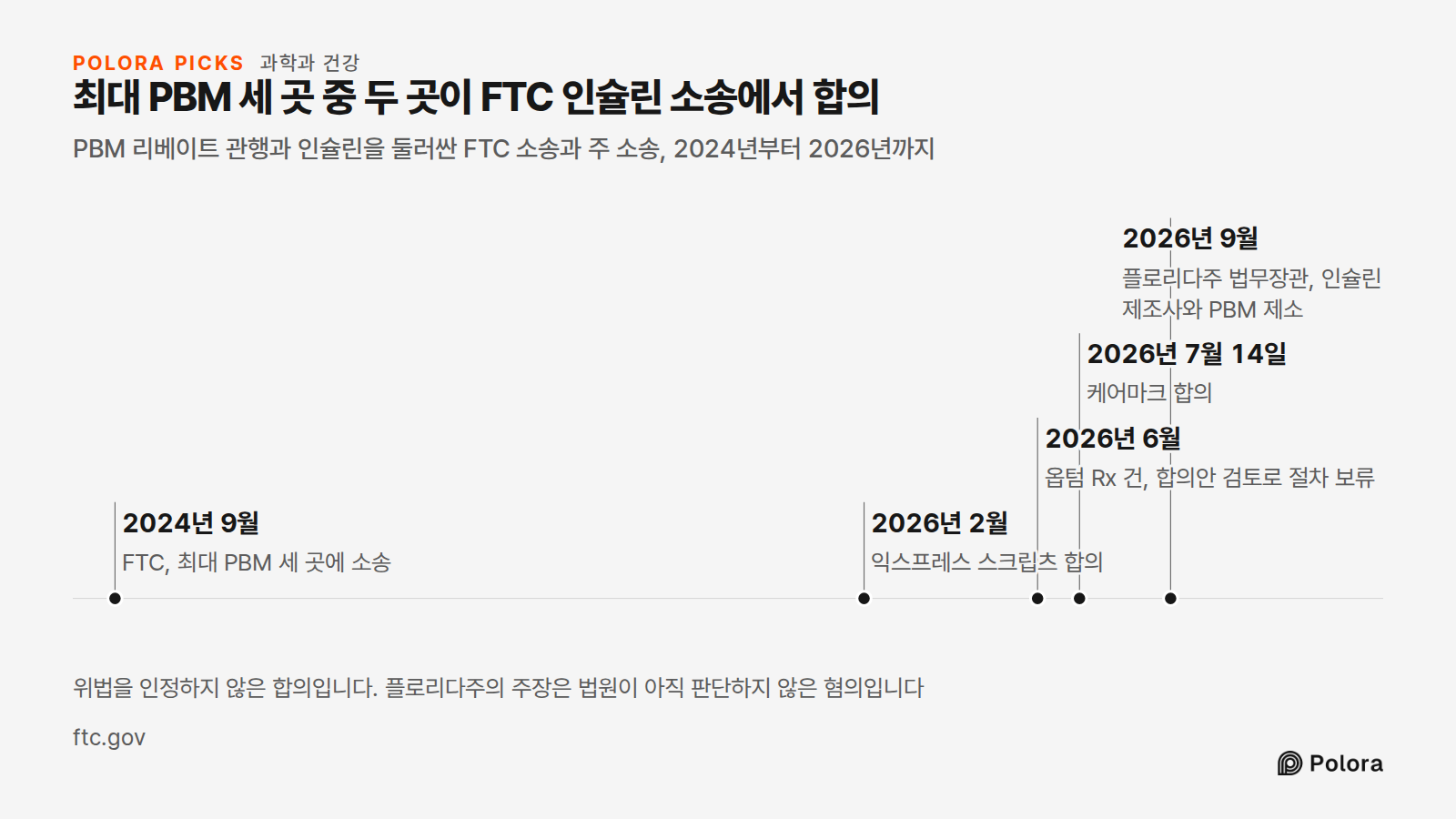
2024년 9월 FTC는 가장 큰 PBM 세 곳을 상대로 행정 소송을 냈습니다. 이들의 리베이트 관행이 인슐린 정가를 끌어올렸다는 주장이었습니다. 익스프레스 스크립츠는 2026년 2월, 케어마크는 2026년 7월 14일에 각각 위법을 인정하지 않은 채 합의했습니다. FTC에 따르면 익스프레스 스크립츠에 대한 명령은 가입자의 본인부담을 정가가 아닌 순가격으로 매기는 표준 선택지를 플랜에 제공하도록 요구합니다. 플랜이 고를 수 있는 선택지일 뿐, 모든 가입자의 청구서가 자동으로 바뀌는 것은 아닙니다.
옵텀 Rx는 다른 단계에 있습니다. 2026년 6월, FTC가 이른바 동의 합의안을 검토할 수 있도록 이 회사에 관한 부분이 소송 절차에서 빠졌습니다. FTC의 사건 페이지에는 최종 합의가 기록되어 있지 않고, 이 글을 쓰는 시점까지 조건은 공개되지 않았습니다. PBM들은 FTC를 상대로 따로 소송도 냈습니다. 이 소송은 양측이 종결을 요청한 뒤 2026년 중반 연방 항소법원에서 기각됐습니다. 2026년 9월에는 플로리다주 법무장관이 가장 큰 인슐린 제조사 세 곳과 PBM 세 곳을 제소했습니다. 이 주장들은 어디까지나 혐의이고, 법원은 아직 판단하지 않았습니다.
PBM 리베이트 관행과 인슐린을 둘러싼 FTC 소송과 주 소송, 2024년부터 2026년까지
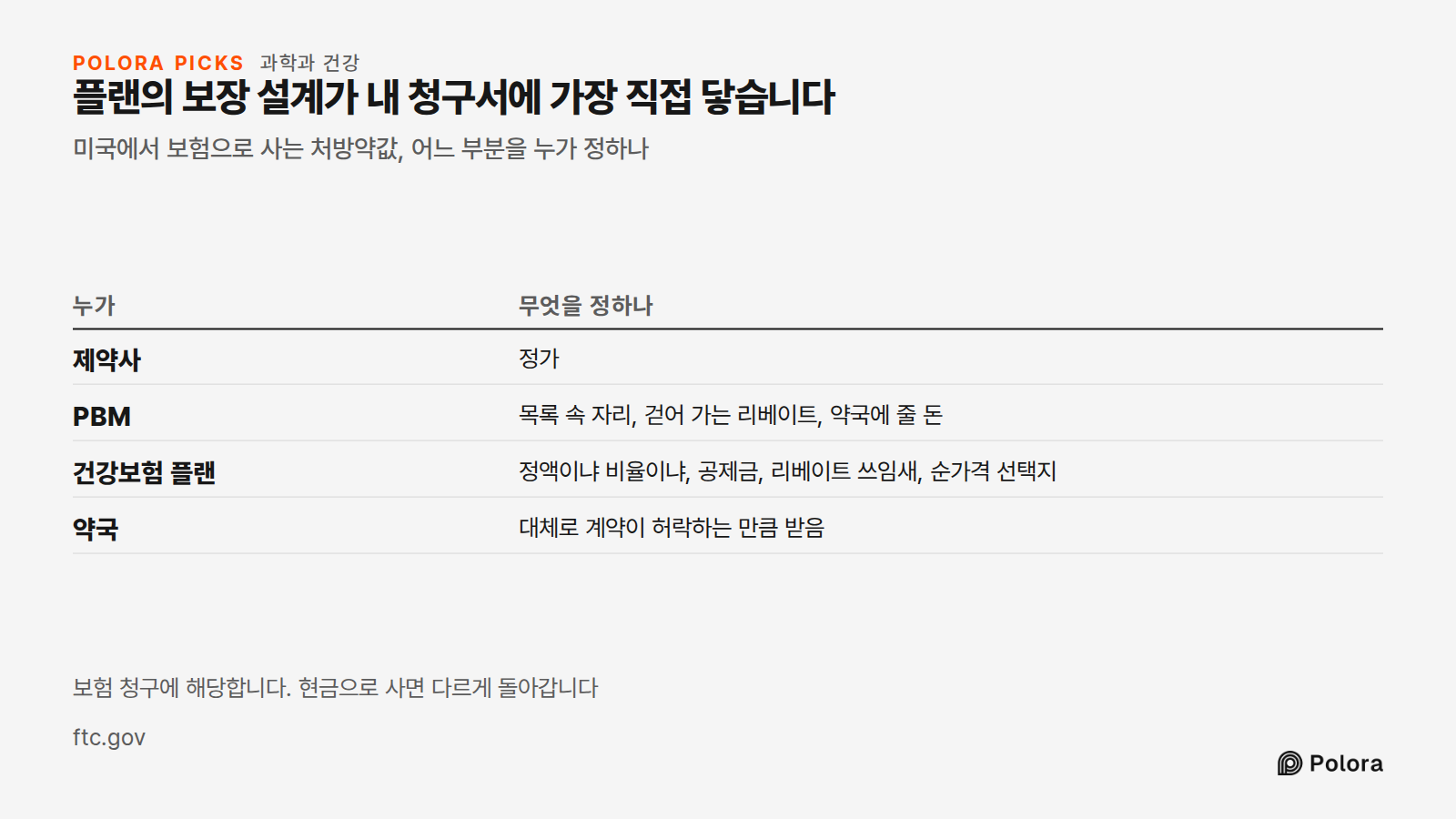
어느 한 곳이 아닙니다. 제약사는 정가를 정합니다. 플랜을 대신해 일하는 PBM은 약을 목록의 어느 자리에 둘지 정하고, 리베이트를 걷고, 약국에 줄 돈을 정합니다. 플랜은 그 리베이트 중 얼마를 보험료를 누르는 데 쓸지, 그리고 내 몫을 정액으로 할지 비율로 할지 정합니다. 이 선택, 곧 보장 설계가 내 청구서에 가장 직접 닿습니다. 새 FTC 명령 아래에서 순가격 선택지를 받아들일지 정하는 것도 플랜입니다. 보험으로 처리되는 처방에서 약국은 대체로 그 계약들이 허락하는 만큼을 받습니다.
같은 알약에 두 사람이 전혀 다른 값을 낼 수 있는 이유가 여기에 있습니다. 플랜 자신은 결국 정가를 다 치르지 않는 경우가 많은데도, 공제금을 채우는 중이거나 비율로 내는 사람의 몫은 대개 정가를 따라가는 가격을 기준으로 매겨집니다.
Who actually decides what you pay for a prescription at the pharmacy?
Alpha · deepseek-v4-pro
No single person at the counter decides it. For an insured prescription, the number the pharmacist reads off the screen is the output of a chain of contracts, not a price the pharmacy chooses.
The main decision points are:
- The drug maker sets the list price — the public, pre-discount benchmark.
- Your health plan (often set up by your employer) chooses the benefit design: flat copay, coinsurance, deductible, and which drugs are covered on which tier.
- The PBM the plan hires runs the formulary, negotiates or collects rebates, and signs the contracts that set what the pharmacy is paid.
- The pharmacy submits the claim and reads back the amount the contract produces. It enforces the price; it doesn't set it.
The part people usually get wrong is that, for many brand-name drugs, your share is calculated from the list price — not the lower, after-rebate net price your plan actually pays. So if you're paying toward a deductible or paying coinsurance, the manufacturer's list price can directly drive what you owe, even though the plan isn't paying that full amount.
Two qualifications matter. If you have a flat copay, the list price matters much less to you. An…
Beta · gpt-6-sol
No single party decides. For a prescription covered by insurance, the drug maker sets a list price; the health plan sets your deductible, copay or coinsurance rules; and its pharmacy benefit manager (PBM) negotiates drug and pharmacy contracts and administers the covered-drug list. When the pharmacy submits your claim, those arrangements determine the amount returned as your share. Manufacturer rebates can arrive later, so the price used at the counter can differ from the plan’s eventual cost. (dol.gov)
I would qualify two points in the manuscript and Alpha’s answer. The list price is not necessarily the exact price on which your share is calculated. For a brand drug, deductible or coinsurance payments may be calculated on a *point-of-sale pharmacy price* that reflects the list price but can differ from it; later rebates may lower the plan’s net cost without lowering that payment. And “the pharmacy does not choose it” is too absolute: it describes a processed insurance claim better than a cash purchase, for which…
Gamma · gemini-3.1-pro
I have reviewed the manuscript against the provided checklist and live web sources. Here is what I found regarding the requested checks:
1. Health Affairs 2024 Study (Mallatt, Dunn, Fernando)
*Found:* The figures and population match the manuscript perfectly. The study tracked the commercially insured population from 2007 to 2020 and found that pharmacy list prices grew by 9.1% annually, negotiated prices (after rebates) grew by 4.3%, and consumer out-of-pocket prices grew by 5.8%.
*Source:* https://www.healthaffairs.org/doi/full/10.1377/hlthaff.2023.01344
2. PBM Market Share (Drug Channels Institute)
*Found:* The manuscript's numbers are correct for 2025 data (published in March 2026). Express Scripts handled 31% of total equivalent prescription claims, CVS Caremark handled 26%, and Optum Rx handled 23%, together accounting for 80% of the market.
*Source:* Verified via secondary reporting of the Drug Channels Institute 2026 Economic Report (e.g., Becker's Hospital Review and American Pharmacy News).
3. FTC Settlements (Express Scripts and Caremark Net Price Terms)
*Found:* The manuscript states that the orders include terms "meant to base members' out-of-pocket co…
Researcher · gpt-6-luna
Verification update: Most of the round’s central explanation is consistent with the sources I checked, but several details need qualification before the manuscript is published.
- Health Affairs figures: Confirmed. The study reports annual growth of 9.1% in retail pharmacy prices, 4.3% in negotiated prices after rebates, and 5.8% in out-of-pocket prices for commercially insured people during 2007–20. These are study-wide price measures, not a prediction for an individual’s prescription. The Health Affairs article’s abstract states the figures and population: https://www.healthaffairs.org/doi/citedby/10.1377/hlthaff.2023.01344 (healthaffairs.org)
- PBM market share: I found Drug Channels’ summary confirming that the three companies processed 80% of equivalent prescription claims in 2025. The accessible page I retrieved did not show the individual 31%/26%/23% shares, so I can’t independently confirm those three numbers from the page text available to me. Source: https://www.drugchannels.net/2026/ ([drugchannels.net](https://www.drugchannels.net/2026/?hl=en&m=0&utm_source=op…
The Arbiter · gpt-6-sol
The voices agree on the central mechanism, but the manuscript needs sharper boundaries before publication. For an insured claim, the amount returned to the pharmacy reflects the plan’s benefit rules and the PBM’s drug and pharmacy arrangements; it is not simply a price chosen at the counter. Beta’s qualification matters: a deductible or coinsurance charge may be based on a point-of-sale price related to the manufacturer’s list price, not necessarily on the list price itself. The cash-price case also falls outside much of this explanation.
The strongest challenge to the manuscript’s framing is one of agency. Its account risks making the PBM sound like the final decision-maker, when the plan’s choice of deductible, copay, coinsurance, and available benefit options is central to what a member owes. The FTC’s descriptions of the Express Scripts arrangement concern a net-cost-based *standard offering*, not an automatic change to every member’s bill. (ftc.gov)
For the editor’s fact-check, the most important distinctions still visible…
The Arbiter's Final Verdict · gpt-6-sol
Verdict
For an insured prescription, no single party decides what you pay. The drug maker sets a list price; your health plan sets the deductible, copay or coinsurance rules; and its pharmacy benefit manager (PBM) administers the formulary and negotiates drug and pharmacy contracts. When the pharmacy submits the claim, those arrangements produce the amount shown as your responsibility. A later manufacturer rebate can reduce the plan’s eventual cost without reducing what you paid at the counter. For a cash purchase, the pharmacy’s cash price and any applicable discount arrangement matter instead.
That is the manuscript’s sound central premise. Its strongest weakness is that it gives the PBM too much apparent final authority and sometimes treats list price as though it were the exact price used to calculate a patient’s share. A deductible or coinsurance charge may instead use a *point-of-sale pharmacy price* that is related to, but distinct from, list price. The federal report’s example distinguishes a manufacturer price, a pharmacy price, and a later rebate. [DOL report](https://www.dol.gov/sites/dolgov/files/ebsa/laws-and-regulations/laws/no-surprises-act/2024-repo…