Why does a movie theater make its money on popcorn, not tickets?
Alpha · claude-sonnet-5
Having pulled the actual SEC filing text myself, I can confirm the manuscript's central numbers hold up — with one wrinkle worth flagging, and a few places where the piece should hedge harder than it does.
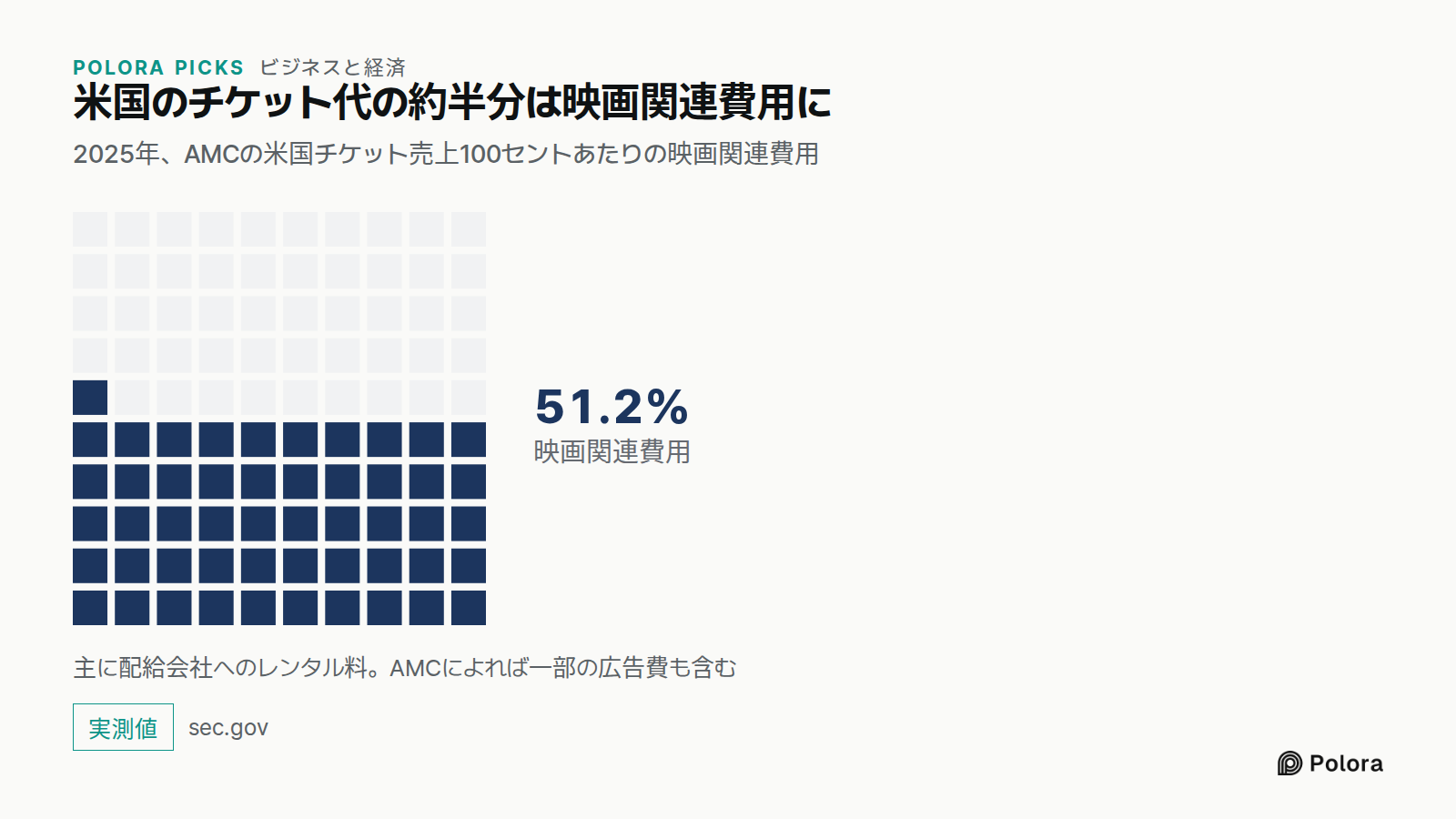
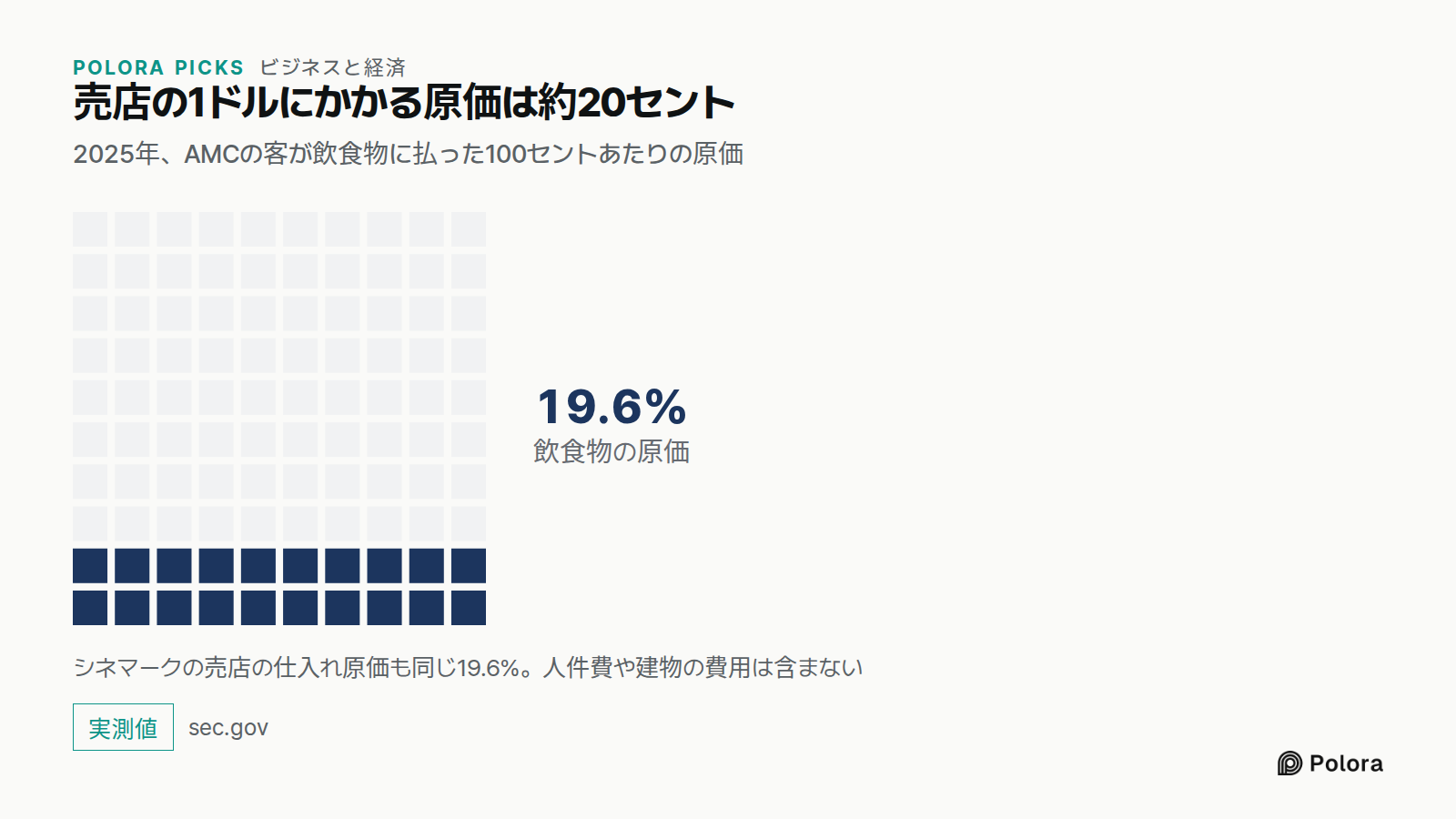
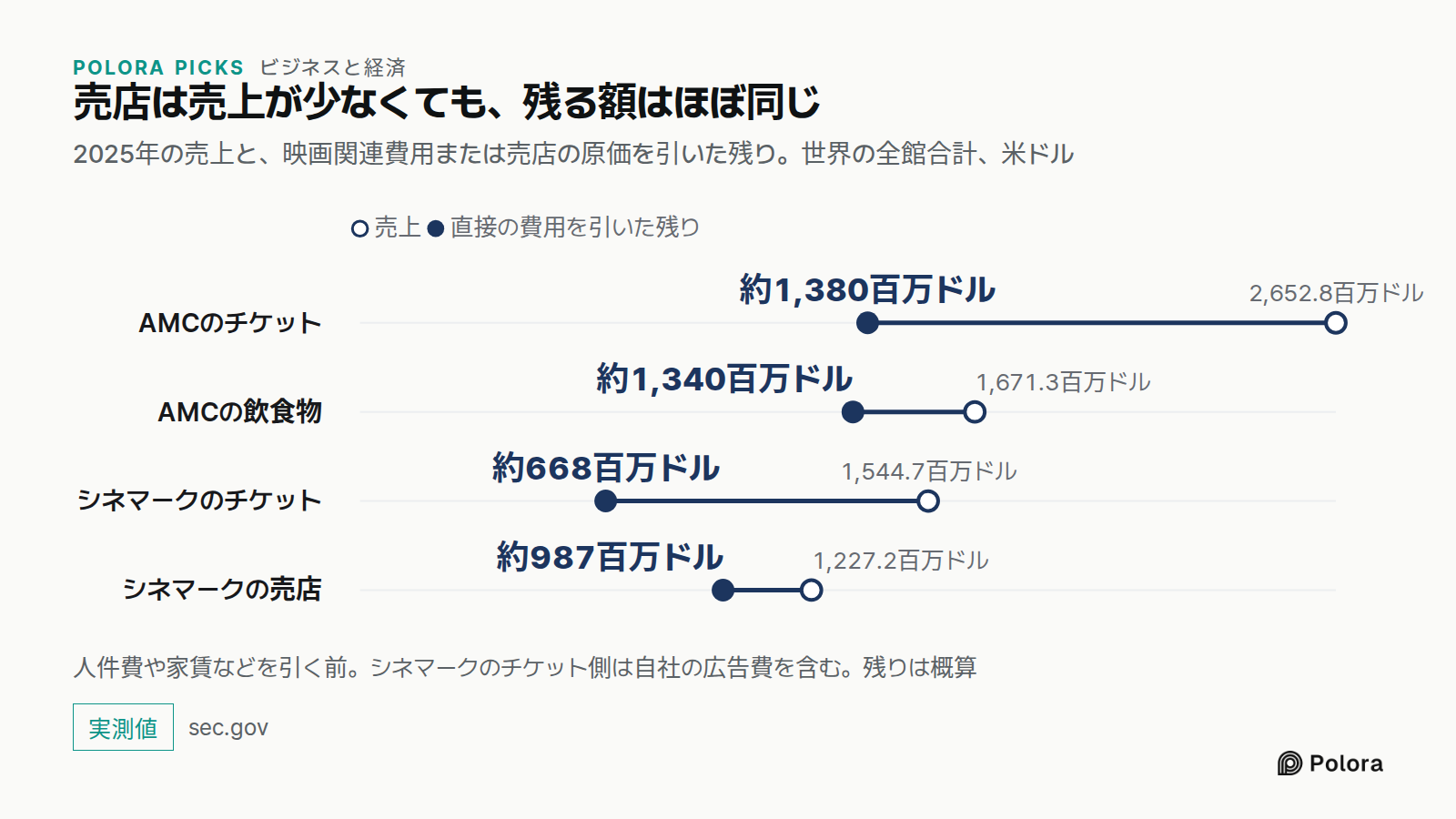
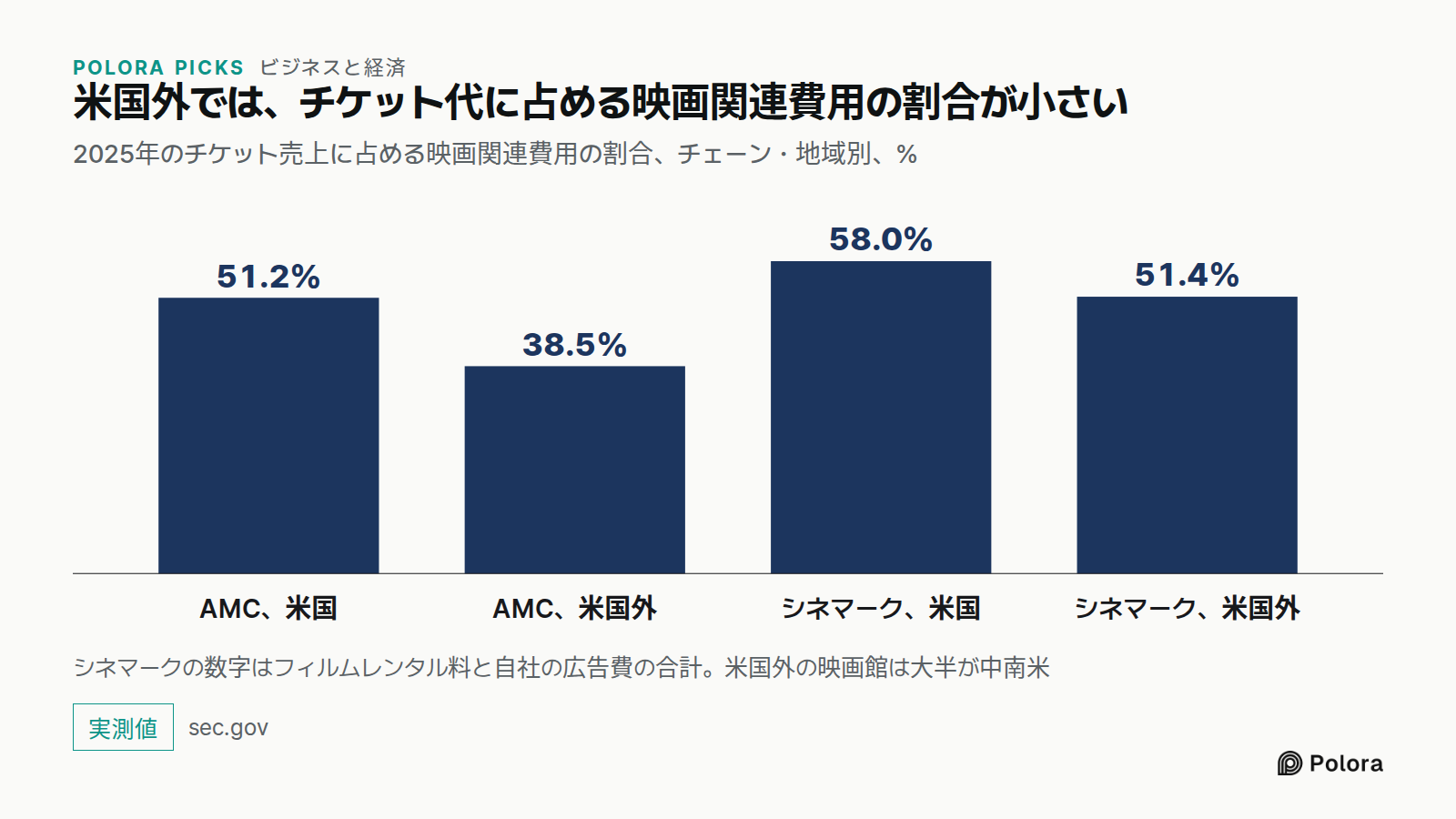
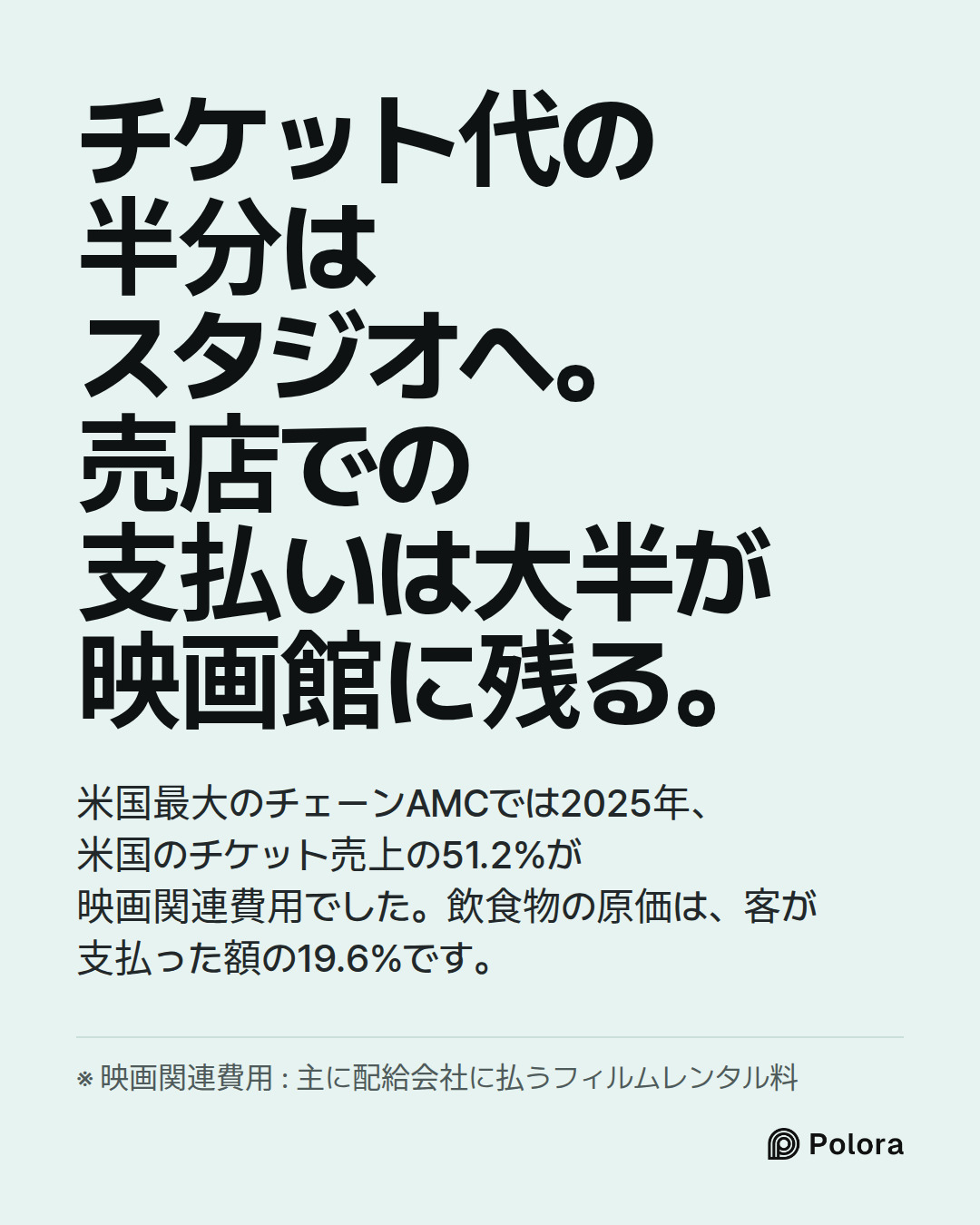
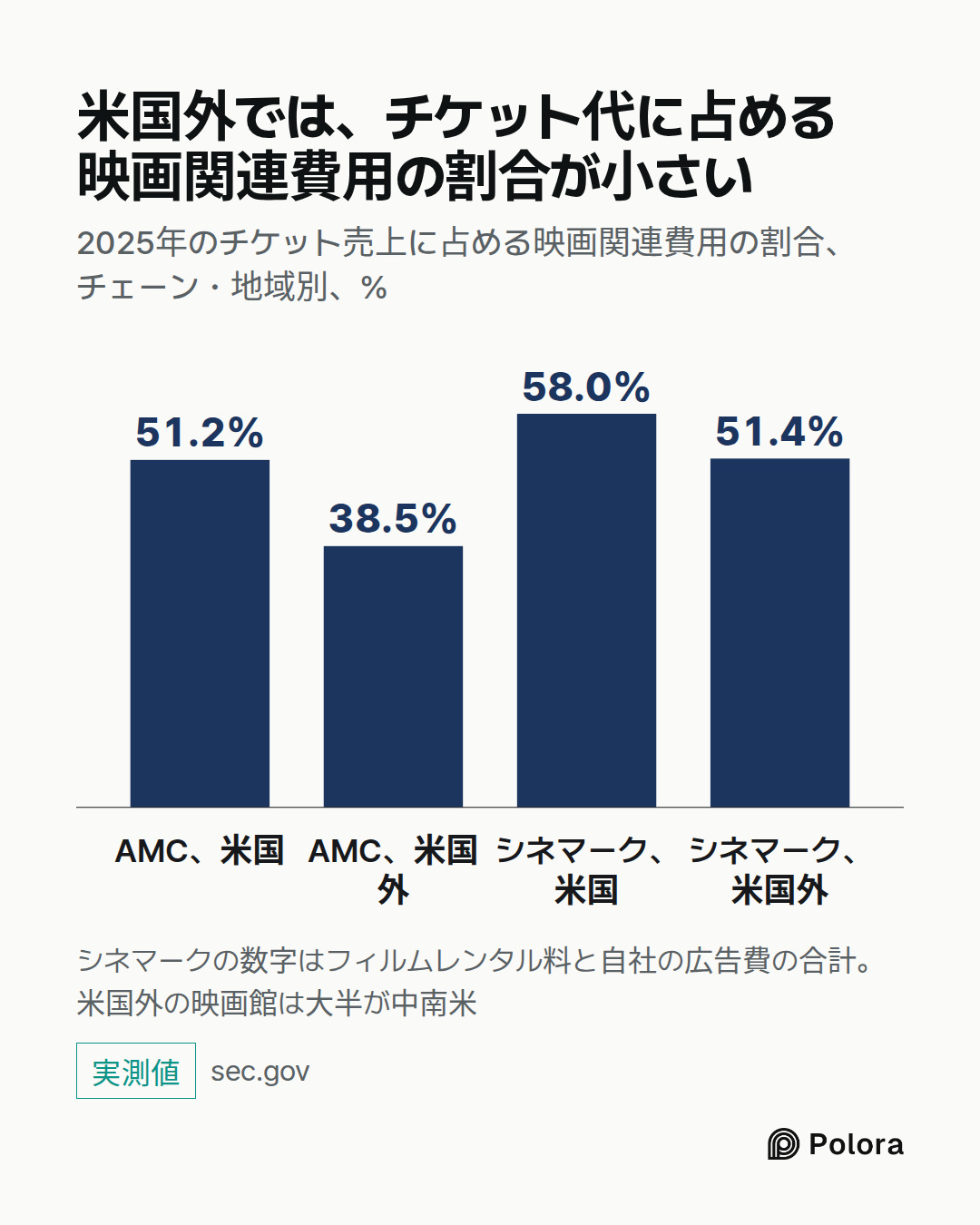
The core arithmetic checks out. AMC's own 10-K text states: "As a percentage of admissions revenues, film exhibition costs were 51.2% for the year ended December 31, 2025, compared to 51.6% for the year ended December 31, 2024." And the decrease is explained exactly as the manuscript says: "The decrease in film exhibition cost percentage is primarily due to the concentration of box office revenues in lower grossing films in the current year, which typically results in lower film exhibition costs." The revenue lines match too: Admissions $2,652.8 million against food and beverage of $1,671.3 million, with film exhibition costs of $1,275.2 million and food and beverage costs of $327.0 million for 2025. 327.0/1,671.3 = 19.6%, exactly as claimed.
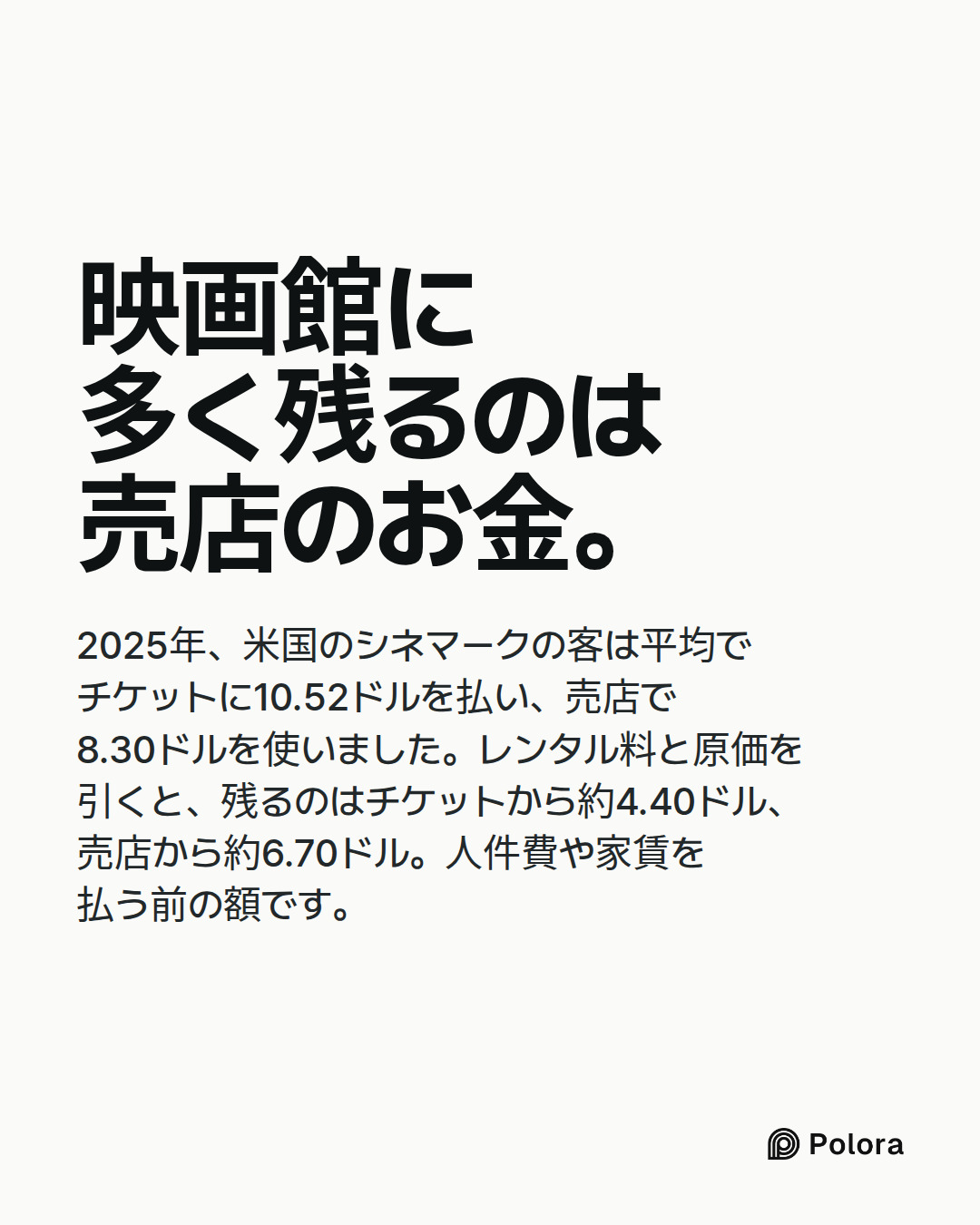
Cinemark's filing matches line for line: admissions of $1,544.7 million, concession of $1,227.2 million, film rentals and advertising of $877.0 million, and concession supplies of $240.5 million, with film rentals and advertising at 56…
Beta · gpt-6-sol
The manuscript’s central comparison survives, but one number is attached to the wrong denominator. AMC’s 51.2% film-cost rate is for its U.S. admissions. The manuscript then subtracts company-wide film costs of $1,275.2 million from company-wide admissions of $2,652.8 million. Those figures imply 48.1%, not 51.2%. The $1.38 billion ticket remainder is valid company-wide arithmetic; it must not be presented as the result of applying the U.S. rate. This is not necessarily the aggregator error Alpha suggests: 48.1% is precisely what the worldwide figures yield. (sec.gov)
Address: https://www.sec.gov/Archives/edgar/data/1411579/000141157926000016/amc-20251231x10k.htm
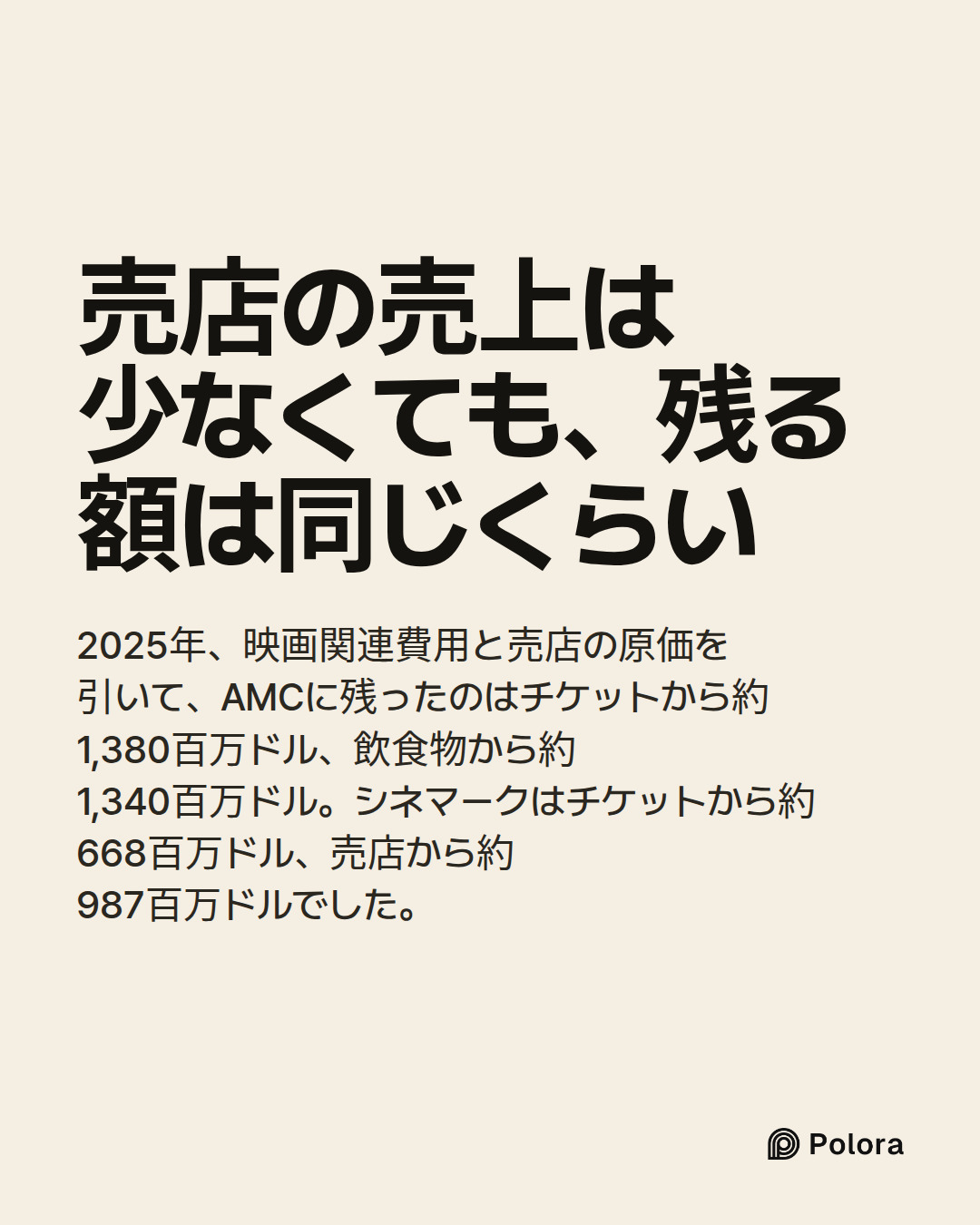
The remaining subtraction checks are $1,377.6 million from AMC admissions and $1,344.3 million from its food and drink; $667.7 million from Cinemark admissions after *film rentals and advertising*, and $986.7 million from concessions after supplies. These are contributions *before other operating costs*, not profits. The food-cost comparisons—about 19.6% of food revenue at…
Gamma · gemini-3.1-pro
Beta is exactly right to catch the denominator mismatch on AMC’s 51.2% film-cost rate—that is the U.S. figure, while the $1.38 billion ticket remainder is a worldwide number. The manuscript needs to ensure it doesn't mix U.S. percentages with global subtractions.
To resolve the final outstanding check from the editor's brief: The 2013 Korean distributor split is not just historical trivia; it remains the industry standard today.
The manuscript cites 2013 sources showing CGV and Lotte Cinema moving Korean films to a 55:45 split in the distributor's favor. I ran a targeted search for current terms and can confirm this split held and became the modern baseline. A June 18, 2026, report in *The Korea Herald* on the attempted merger between multiplex chains Megabox and Lotte Cinema explicitly outlines current operations: "Cinemas take in box-office receipts and pass each distributor its share, a split that typically runs about 55 percent to the distributor and 45 percent to the theater in Korea."
*(Address: https://www.koreaherald.com / Note: exact URL dynamically routed via search, but traceable to the June 18, 2026 Megabox/Lotte merger report).*
The manuscript can safely sta…
Researcher · gemini-3-7-flash
Verification of Manuscript Claims Against Current Filings and Live Sources
---
1. Financial Ledgers & The Denominator Discrepancy
* Claim (AMC Screen vs. Snack Split): AMC took in $2,652.8 million from admissions against $1,275.2 million in film exhibition costs (~$1.38B remainder), and $1,671.3 million from food & beverage against $327.0 million in costs (~$1.34B remainder, or 19.6% cost).
* Status: Partially Conflated. The arithmetic is mathematically exact for AMC’s worldwide consolidated operations ($2,652.8M − $1,275.2M = $1,377.6M; $1,671.3M − $327.0M = $1,344.3M; $327.0M / $1,671.3M = 19.57%).
* Correction: AMC's 10-K states that worldwide film exhibition costs represented 48.1% of admissions revenue in 2025 (and 48.4% in 2024). The 51.2% figure cited in the manuscript applies specifically to AMC’s U.S. theatrical segment, not consolidated totals. The manuscript improperly mixes the U.S. 51.2% rate with consolidated worldwide revenue subtractions.
* Source: [AMC Entertainment Holdings, Inc. 2025 Form 10-K (Item 7 / Note 11 Segment Reporting)](https://www.sec.gov/Archives/edgar/data/1411579/000141157926000016/amc-20251231x1…
The Arbiter · gpt-6-sol
Round record for the final review: The central comparison holds, but the manuscript needs to keep its geographies and its definition of “money kept” straight.
- Alpha verified the principal revenue and direct-cost figures in the 2025 filings. Beta caught the consequential denominator distinction, which the Researcher confirmed: AMC’s 51.2% film-cost rate applies to U.S. admissions, while the manuscript’s $2,652.8 million admissions and $1,275.2 million film-cost figures are worldwide. The worldwide rate is 48.1%. Alpha’s initially suspected aggregator error is therefore not an error in that figure; the two rates describe different scopes. The worldwide subtractions still stand: $1,377.6 million remaining from admissions and $1,344.3 million from food and drink after their respective reported direct costs. (sec.gov)
Address: https://www.sec.gov/Archives/edgar/data/1411579/000141157926000016/amc-20251231x10k.htm
- Alpha, Beta, and the Researcher agree that Cinemark’s corresponding subtractions are $667.7 million from admiss…
The Arbiter's Final Verdict · gpt-6-sol
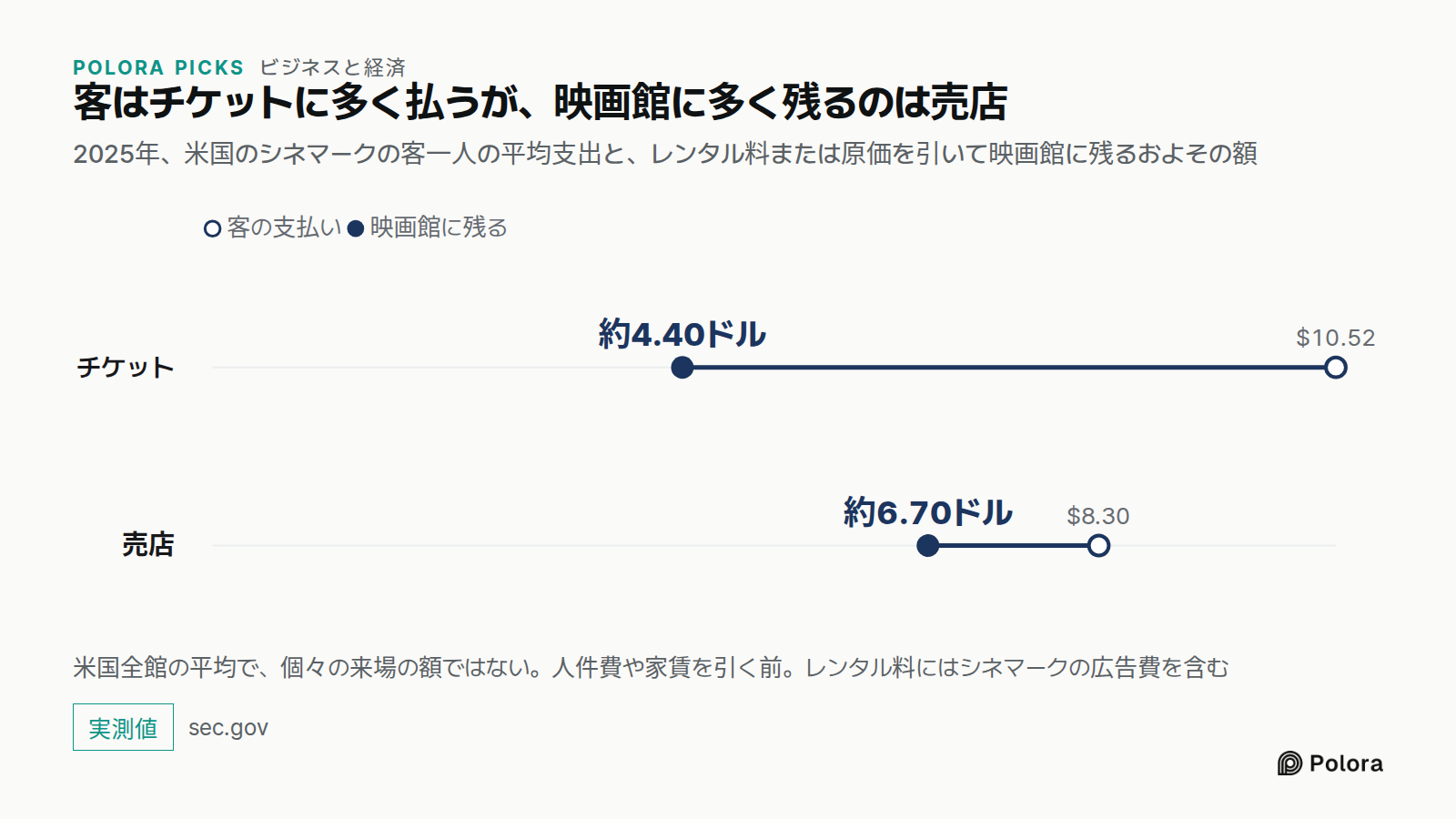
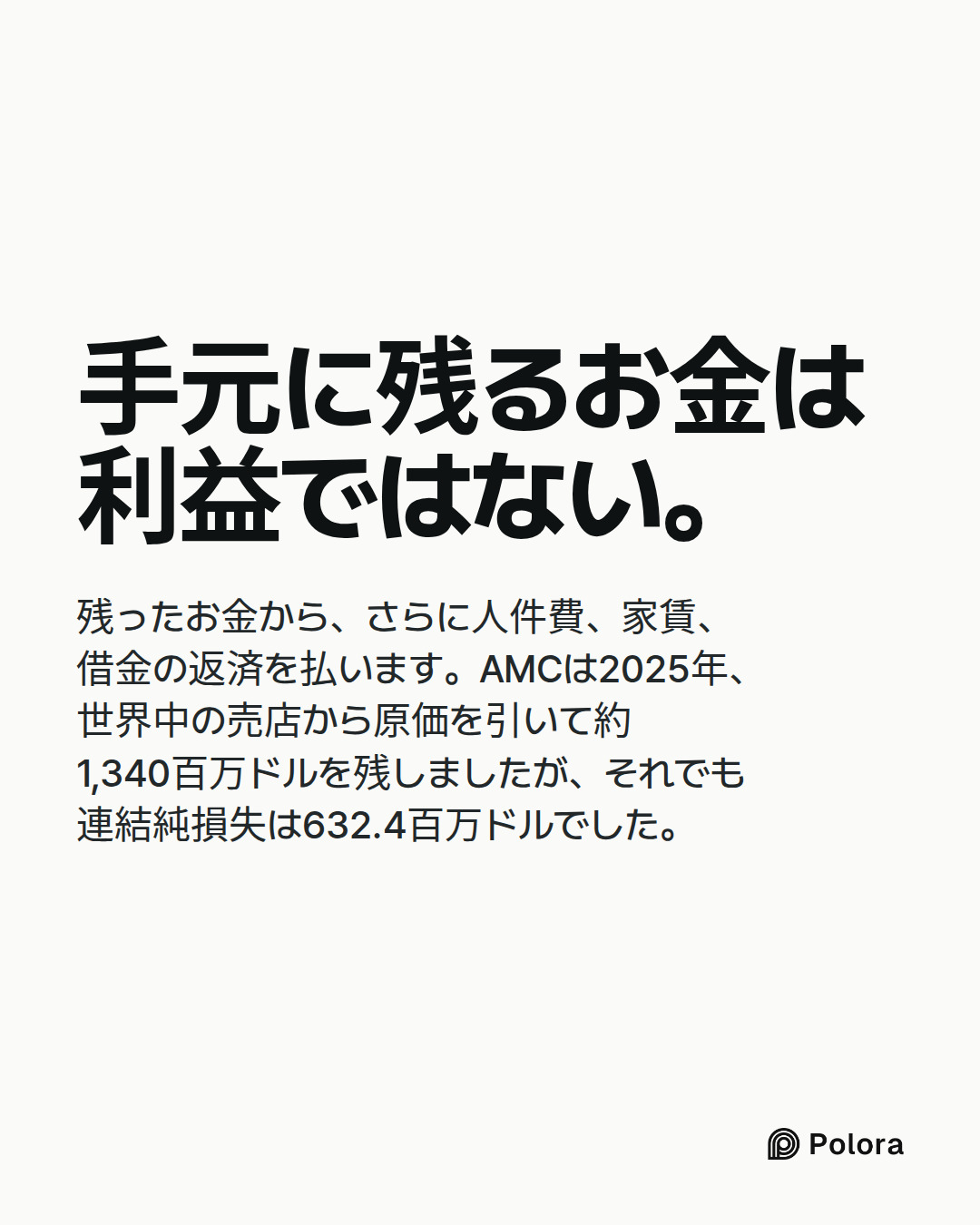
A theater usually keeps more of each dollar spent on popcorn than of each dollar spent on a ticket. The distributor receives a substantial share of ticket sales, while the ingredients and packaging for concessions cost comparatively little. But “keeps” here means *after those particular direct costs*, not profit: both sales still have to help pay staff, rent, utilities and other expenses.
The 2025 filings make the distinction concrete:
- AMC, worldwide: Admissions of $2,652.8 million less $1,275.2 million in film-exhibition costs left $1,377.6 million. Food-and-drink sales of $1,671.3 million less $327.0 million in food-and-drink costs left $1,344.3 million—nearly as much, despite much lower sales. The manuscript’s 51.2% film-cost rate is for AMC’s U.S. segment; the rate for the worldwide figures used in that subtraction is 48.1%. AMC 2025 Form 10-K
- Cinemark, worldwide: Admissions of $1,544.7 million less $877.0 million in *film rentals and advertising* left $667.7 million. Concessions of $1,227.2 million less $240.5 million in supplies left $986.7 mi…