How do stock apps make money if trading is commission-free?
Alpha · claude-sonnet-5
This is a solid manuscript, and my search confirms its core architecture while flagging one real discrepancy worth flagging to readers.
What checks out cleanly:
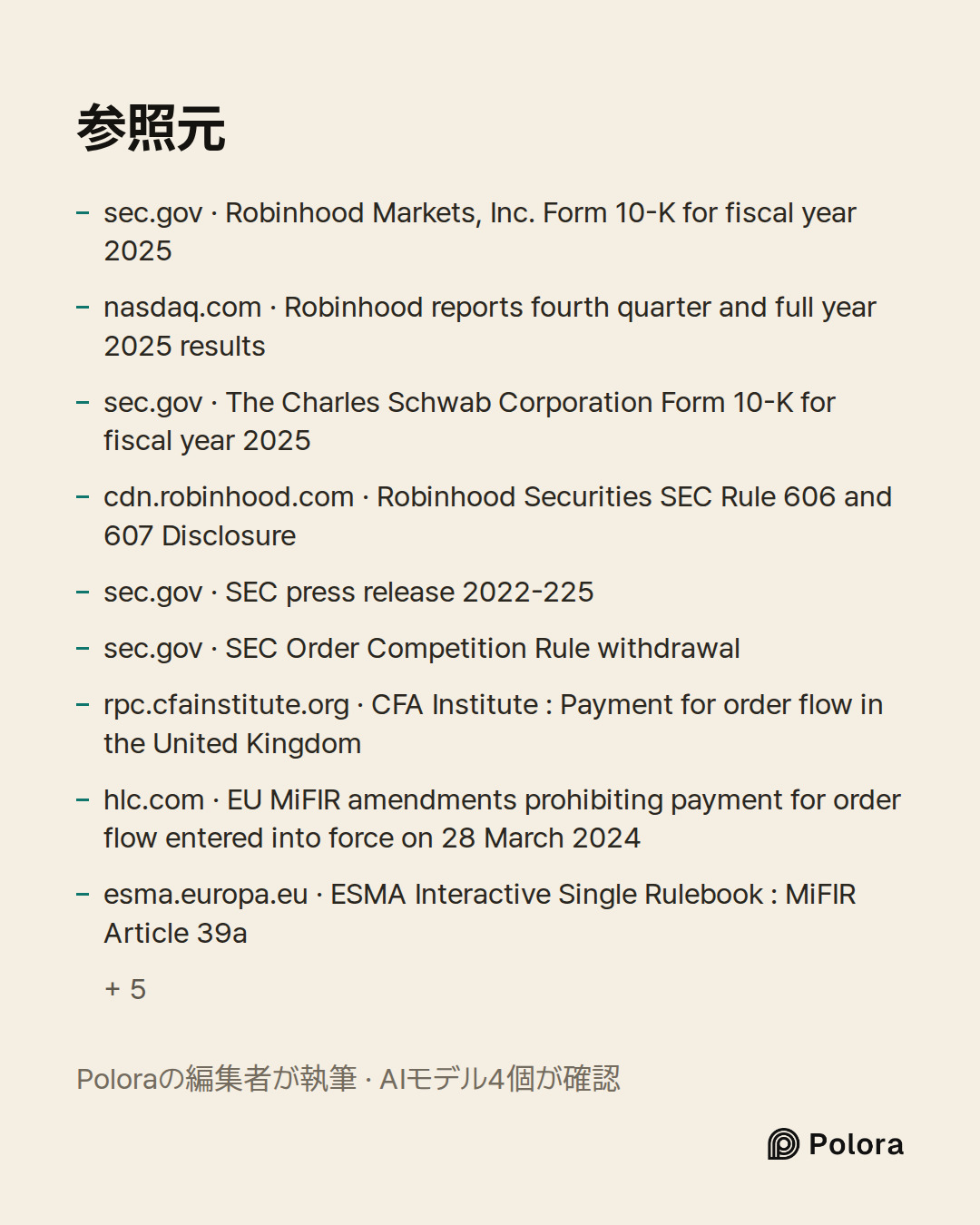
The SEC withdrawal is accurate and well-dated. The SEC formally withdrew certain notices of proposed rulemaking issued between March 2022 and November 2023, and does not intend to issue final rules with respect to these proposals, with the Federal Register date of June 17, 2025, and the underlying Commission action on June 12, 2025. This matches the manuscript's "withdrew... on 12 June 2025" line exactly, confirmed independently via Schwab's own 10-K: On June 12, 2025, the SEC withdrew certain notices of proposed rulemaking issued between March 2022 and November 2023, which the Company had been evaluating. The withdrawn proposals included the December 2022 equity market structure rule proposals, "Order Competition Rule" and "Regulation Best Execution". Good, traceable, two independent filers confirm it.
One real number mismatch I found — worth flagging to the editor:
Robinhood's own 10-K table (SEC filing) gives different equities and "other" revenue figures than the manuscript states. Per the filing itself: Opt…
Beta · gpt-6-sol
The manuscript’s central answer holds: a zero commission on a stock trade does not mean the brokerage has no revenue. It can receive payment for routing orders, earn interest from margin lending and cash balances, lend securities, and sell subscriptions. But the manuscript sometimes turns *broker revenue* into an asserted *cost to a particular customer* without evidence that supports that allocation.
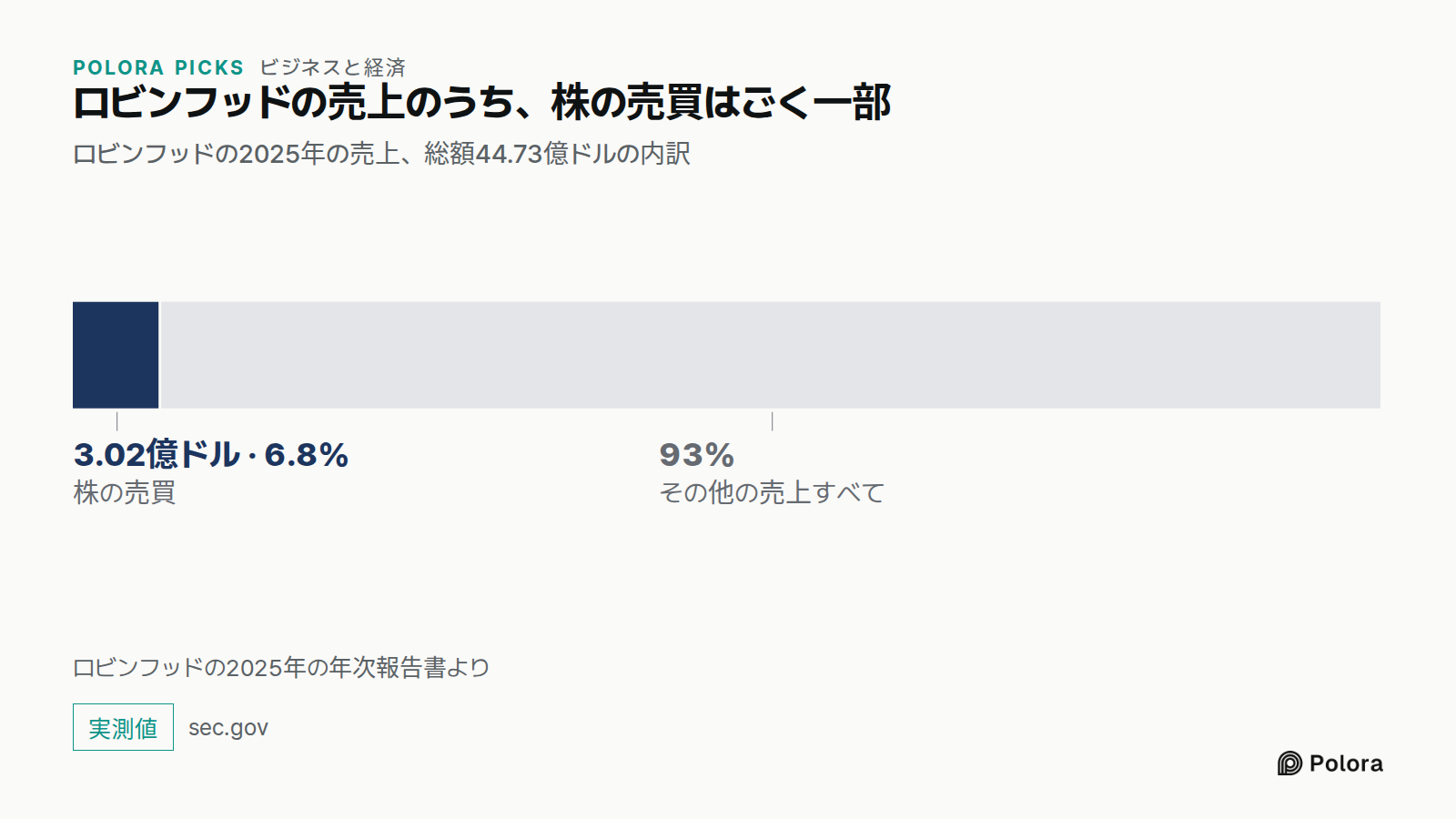
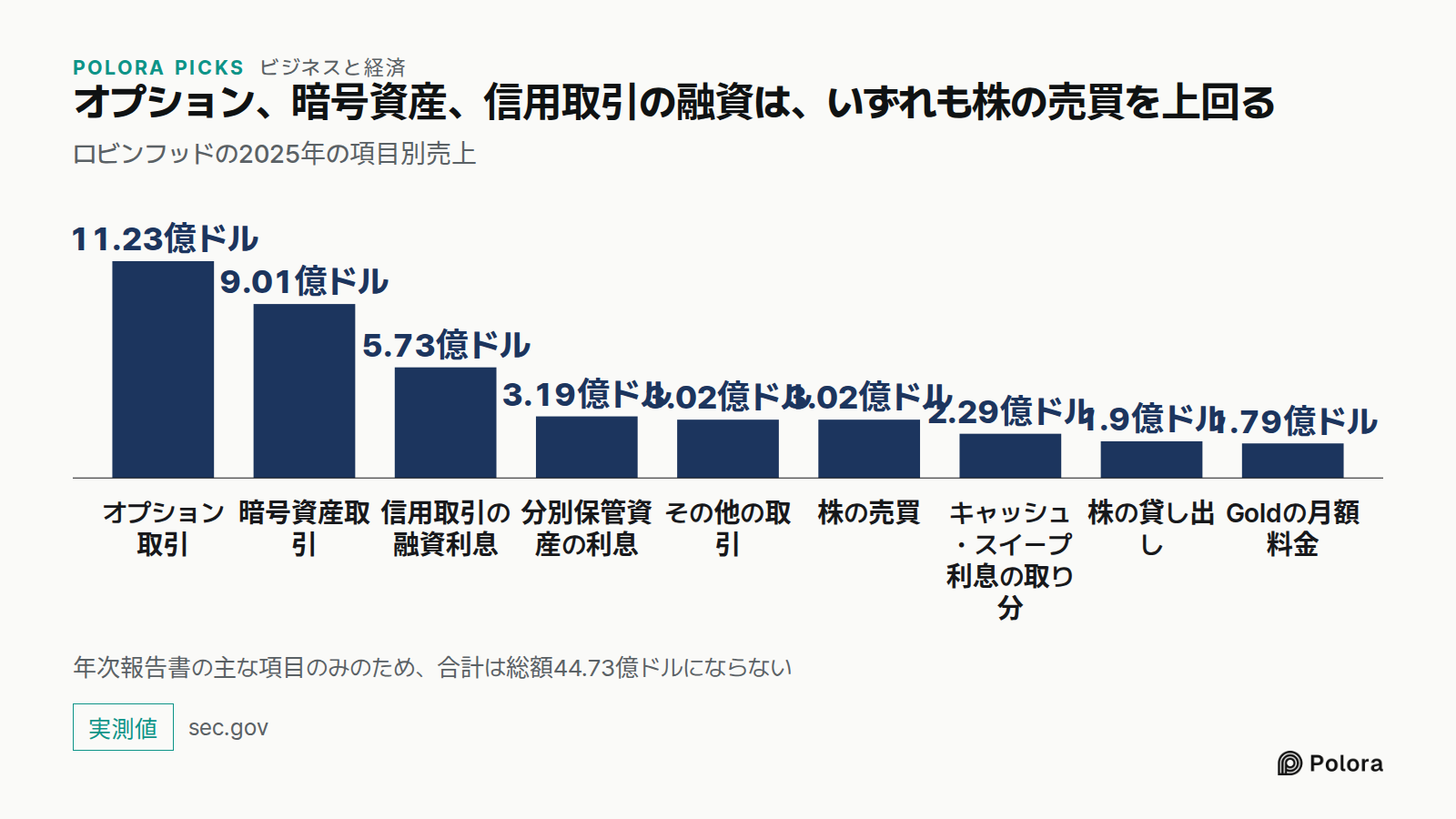
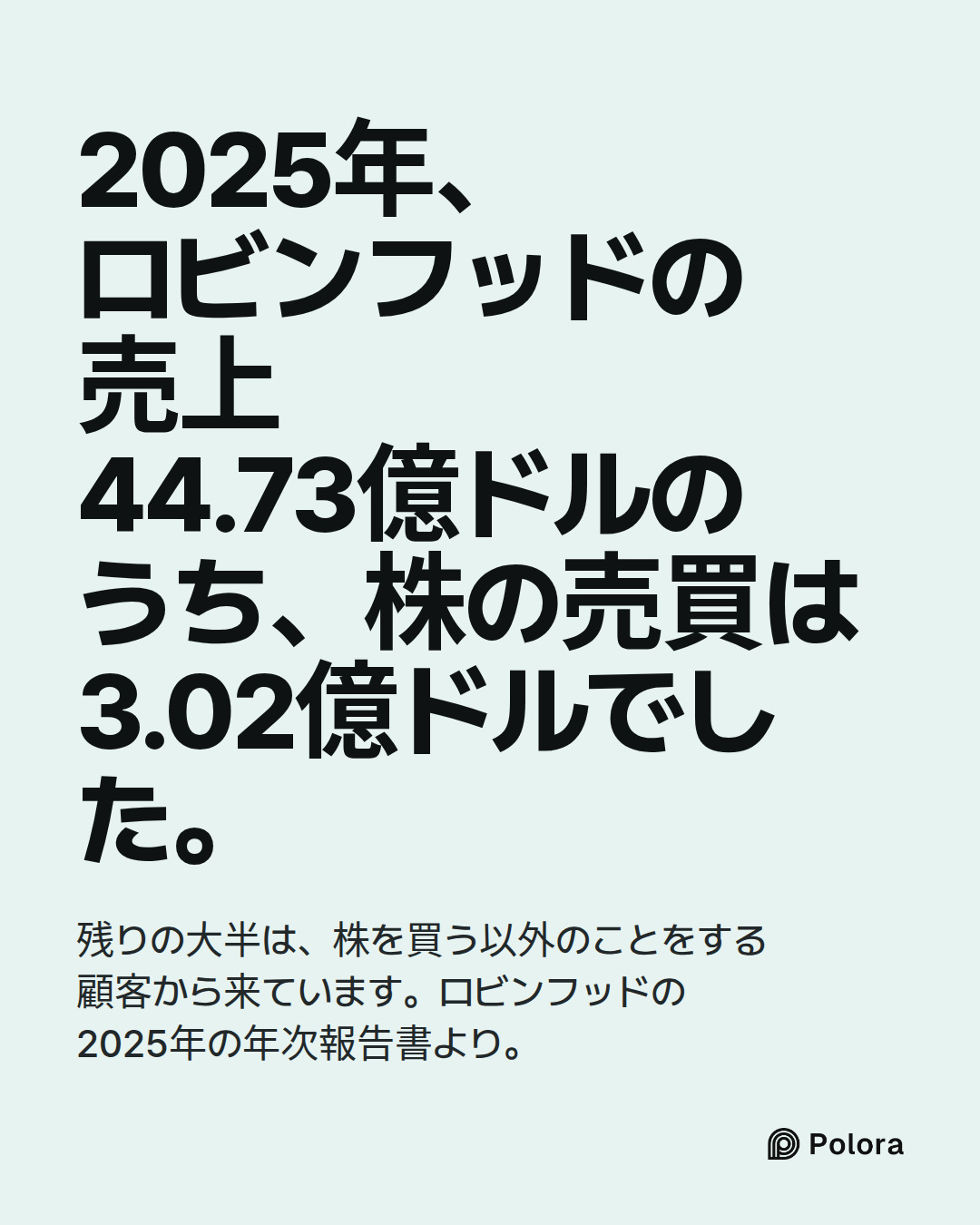
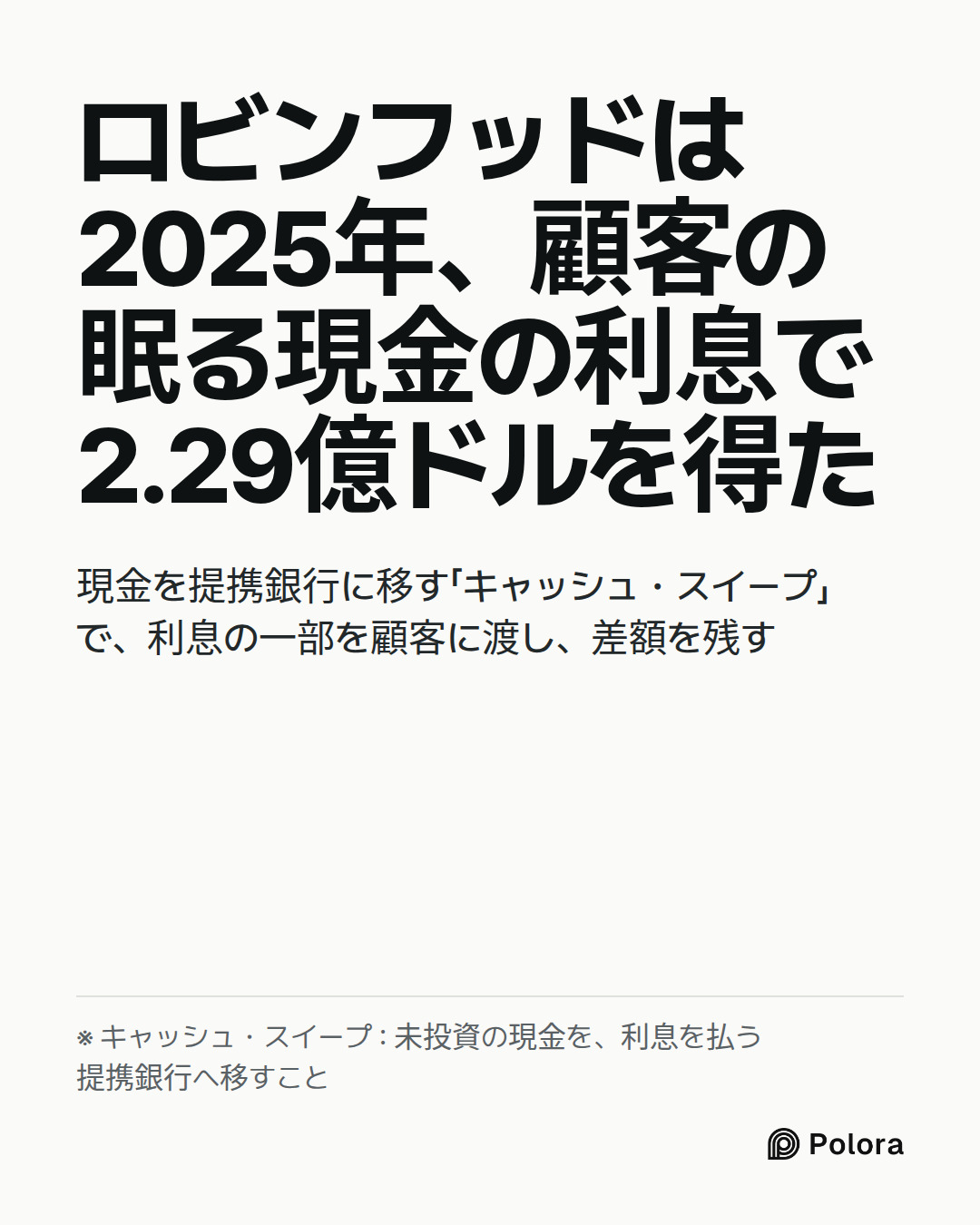
The 2025 figures are substantially right. Robinhood reports $4,473 million in total net revenue, including $1,123 million from options transactions, $901 million from crypto, $302 million from equities, $573 million in margin interest, $229 million from cash sweep, $190 million in net securities-lending revenue, and $179 million from Gold subscriptions. Net interest revenue was $1,514 million. Its reported average margin book was $11,431 million at a 5.01% annual yield; average swept cash was $30,912 million at 0.74%. The filing also has a separate “other” transaction line of $302 million—identical to the equities figure, not a discrepancy in it. That other line grew largely with prediction-market activity and instant withdrawals, and should not disappear into “the res…
Gamma · gemini-3.1-pro
This manuscript is in very good shape for the editor, but Alpha and Beta left a few loose threads on the regulatory front that I have now pulled and verified.
What I checked and can confirm:
1. The UK CFA Institute Statistic: The manuscript states that in Britain, research cited by the CFA Institute found that execution at the best quoted price rose from around 65% to more than 90% between 2010 and 2014 following the 2012 rule clarification. This is accurate. The CFA Institute released a 2016 study specifically analyzing the UK Financial Services Authority's (now FCA) 2012 guidance that effectively banned PFOF. The study explicitly states that the proportion of retail-sized trades executing at the best quoted price increased from "around 65% to more than 90%" over the 2010–2014 period.
*(Source: CFA Institute, 2016 study on UK ban on PFOF / https://www.cfainstitute.org)*
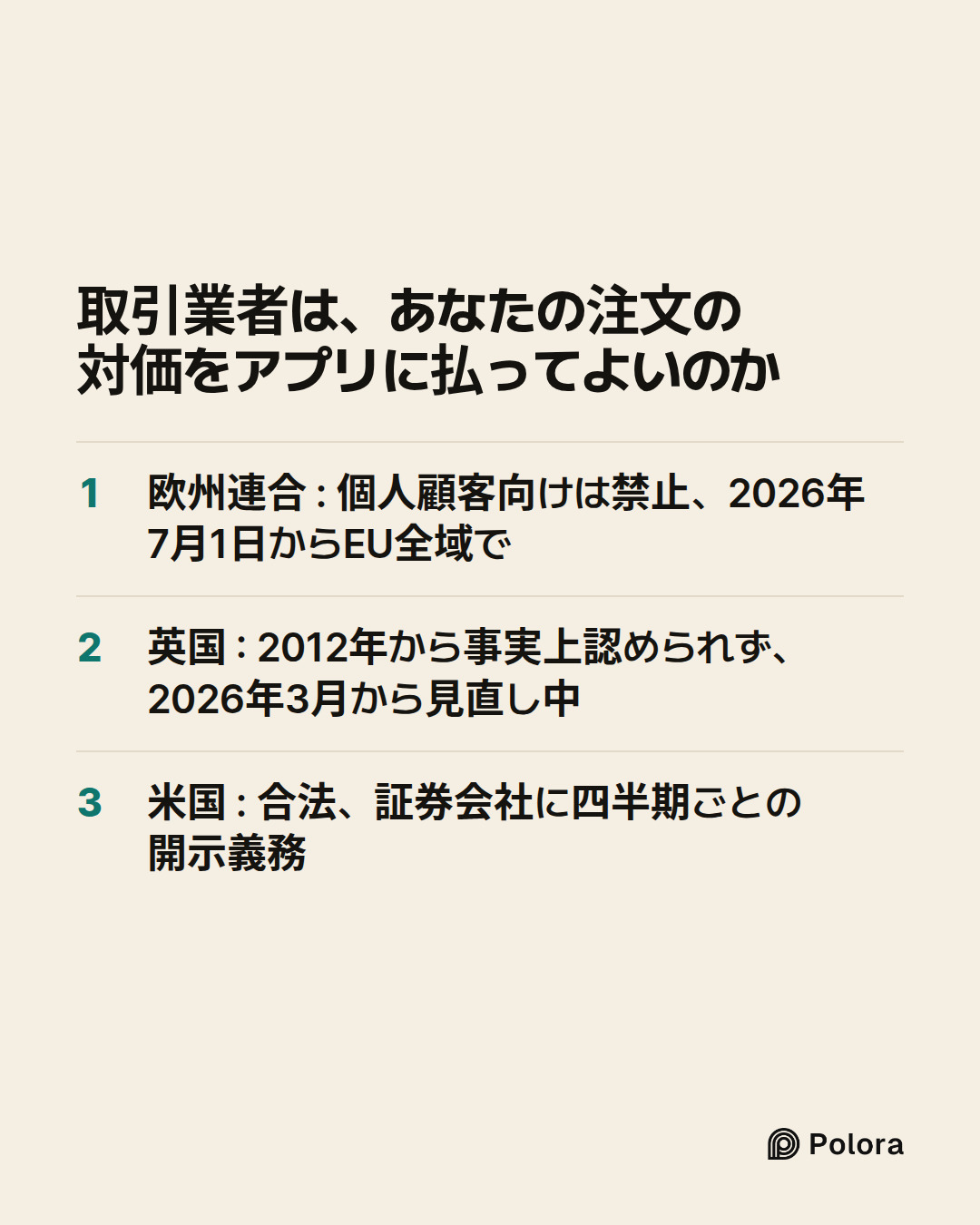
2. The Germany / BaFin Timeline: The manuscript's dates for the European rollout are correct. Germany utilized the temporary exemption under Article 39a(2) MiFIR for domestic business until June 30, 2026. Following that expiry, the ban applied fully to German investment firms starting July 1, 2…
Researcher · gemini-3-7-flash
Fact-Check and Verification Report
This report evaluates the checkable claims raised in the editor’s manuscript and the debaters’ assessments.
---
1. Verification of Manuscript Claims & Regulatory References
A. Robinhood (FY2025 10-K) Revenue & Balance Sheet Metrics
* Total Net Revenue & Disaggregated Lines:
* Total Net Revenue: $4,473 million
* Options: $1,123 million
* Cryptocurrencies: $901 million
* Equities: $302 million
* Margin Interest: $573 million (reported average margin book of ~$11.4 billion at a 5.01% yield)
* Cash Sweep: $229 million (reported average swept cash of ~$30.9 billion at a 0.74% yield)
* Net Securities Lending: $190 million
* Gold Subscriptions: $179 million
* Net Interest Revenue: $1,514 million
* The "Other" Line Overlap: Robinhood’s 10-K contains a separate "Other transaction-based revenues" line of $302 million (driven by event contracts/prediction markets and instant withdrawal fees) alongside the $302 million equities line. The manuscript correctly transcribed the equities figure, but treating the remainder exclusively as non-transaction revenue omits this distinct ca…
The Arbiter · gpt-6-sol
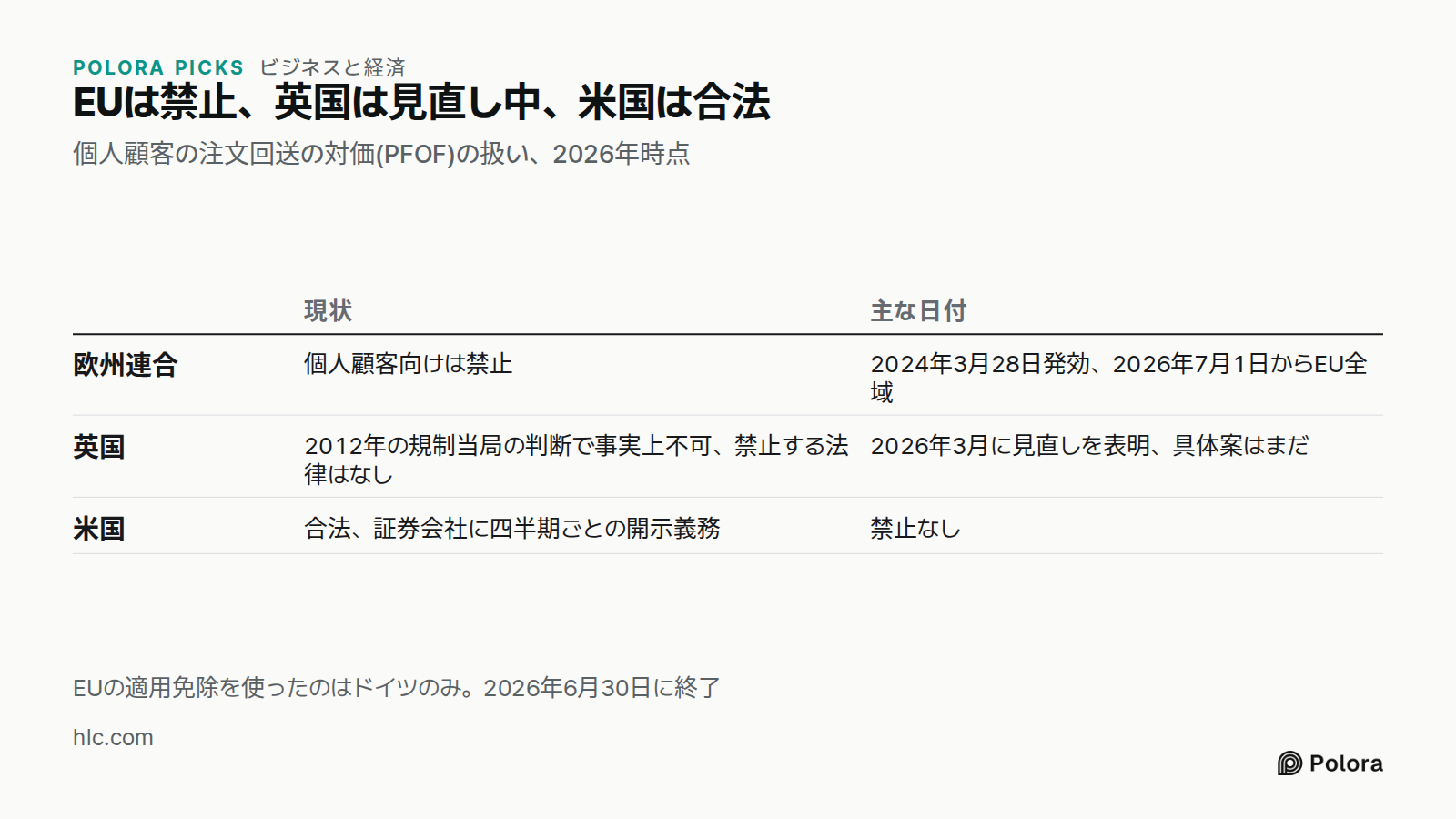
Round record: Alpha, Beta, Gamma and the Researcher agree on the central answer: a stock app can charge no commission on a share trade while earning revenue from order-routing payments, options trading, interest on margin loans and cash balances, securities lending, subscriptions, and—in Robinhood’s case—crypto and other transactions. The manuscript’s premise stands, but its claim about *who pays for whose trade* needs more care.
- The headline numbers check out. Robinhood’s 2025 filing reports $4,473 million in total net revenue, including $302 million from equities, $1,123 million from options, $901 million from crypto and $1,514 million in net interest revenue. As Alpha noticed and Beta clarified, a separate “other” transaction line also happens to be $302 million; that is not a mismatch in the equities figure. The filing additionally supports $573 million in margin interest, $229 million from cash sweep, $190 million in *net* securities-lending revenue and $179 million from Gold subscriptions. Address: https://www.sec.gov/Archives/edgar/data/1783879/000178387926000023/hood-20251231.htm. ([sec.gov](https://www.sec.gov/Archives/edgar/data/1783879/000178387926000023…
The Arbiter's Final Verdict · gpt-6-sol
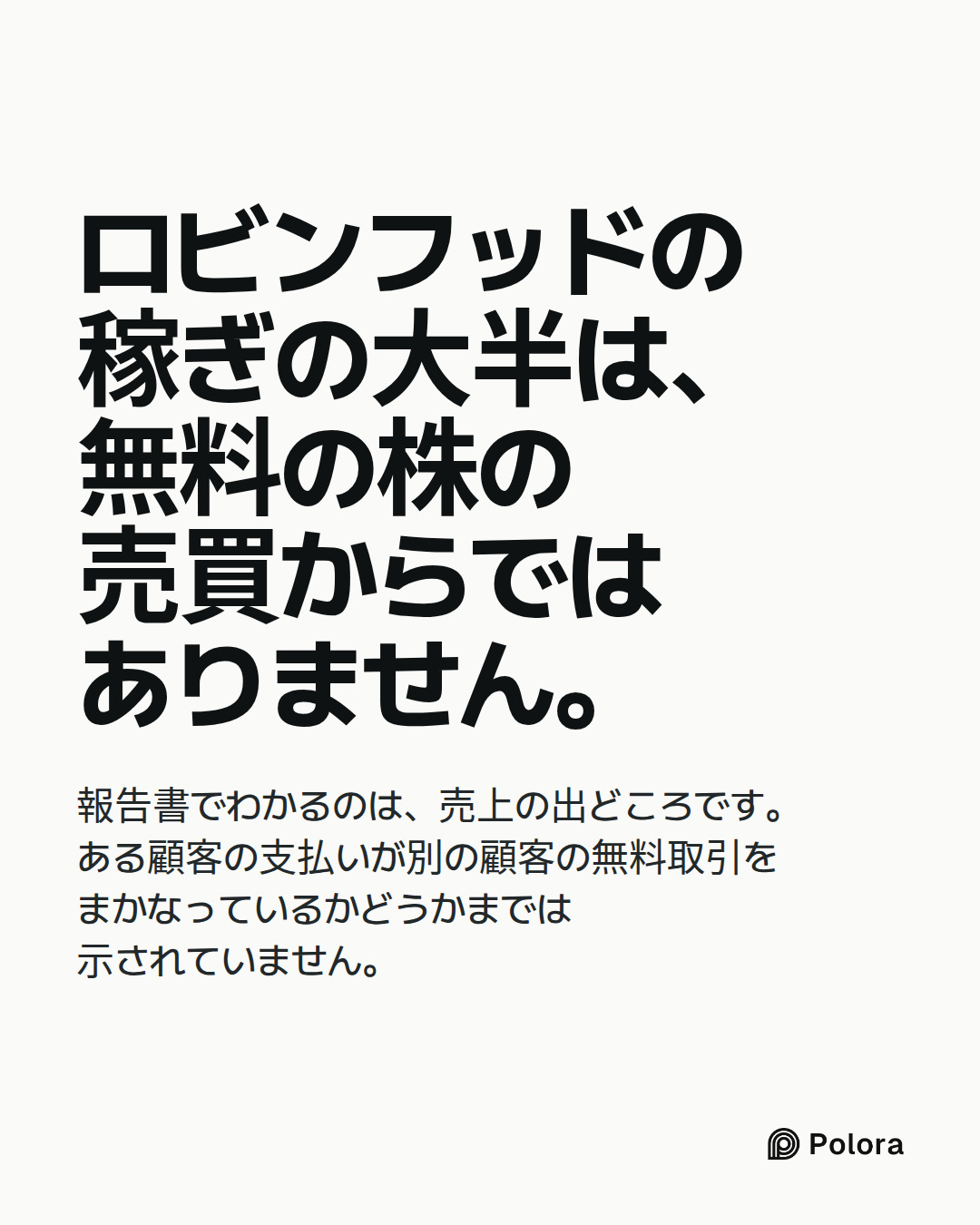
Commission-free means the app does not charge you a commission for a stock trade—not that the app earns nothing. Its revenue can come from several places:
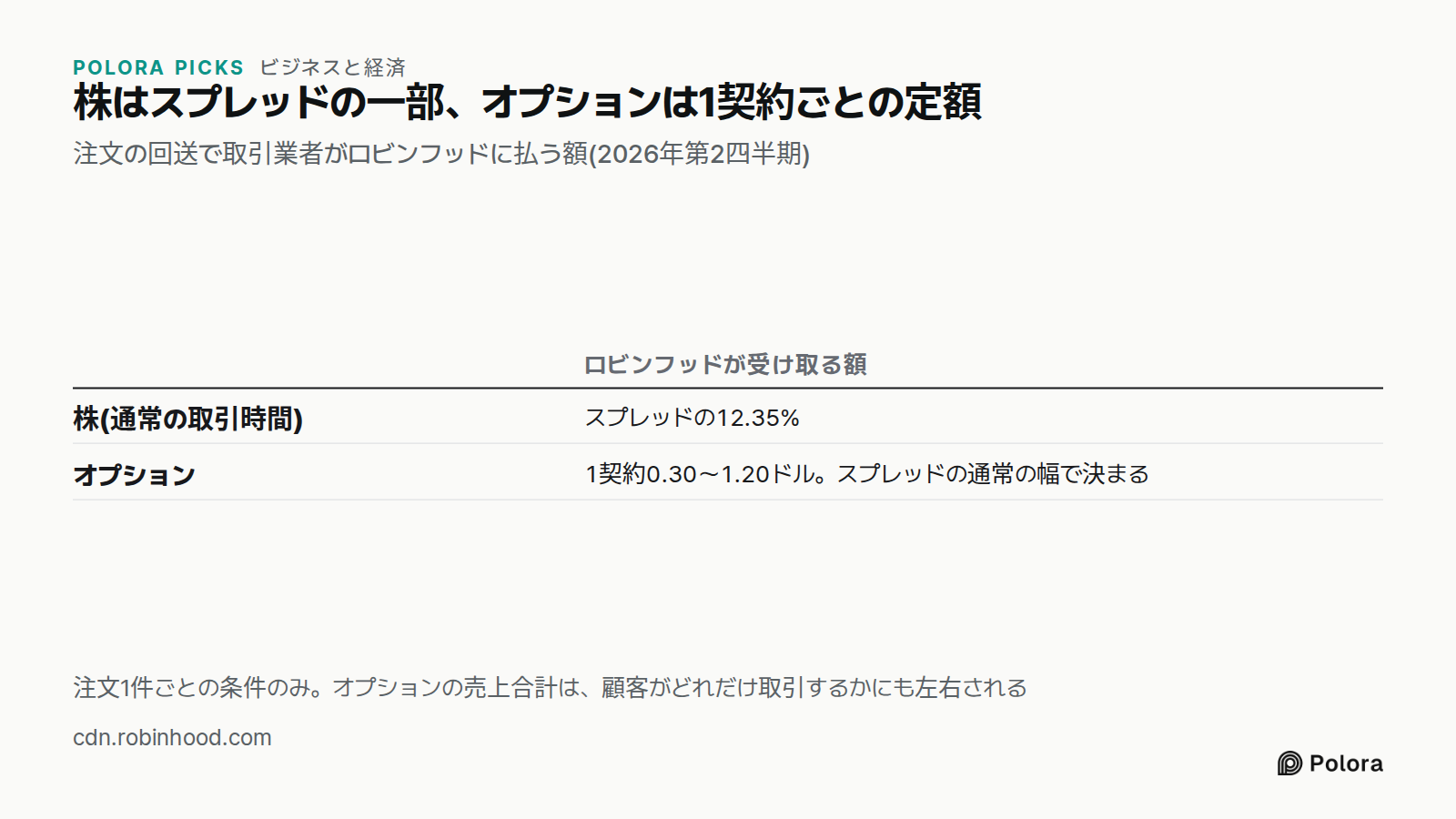
- Order routing: Some US brokers receive payment from trading firms that execute customers’ stock and options orders. This is called *payment for order flow*.
- Interest: Brokers earn revenue from customers who borrow to invest (margin loans), and from certain cash balances and cash-sweep arrangements.
- Securities lending: They may earn fees when customers’ eligible shares are lent out.
- Subscriptions and other products: Paid memberships, crypto trading, and other transactions can add revenue.
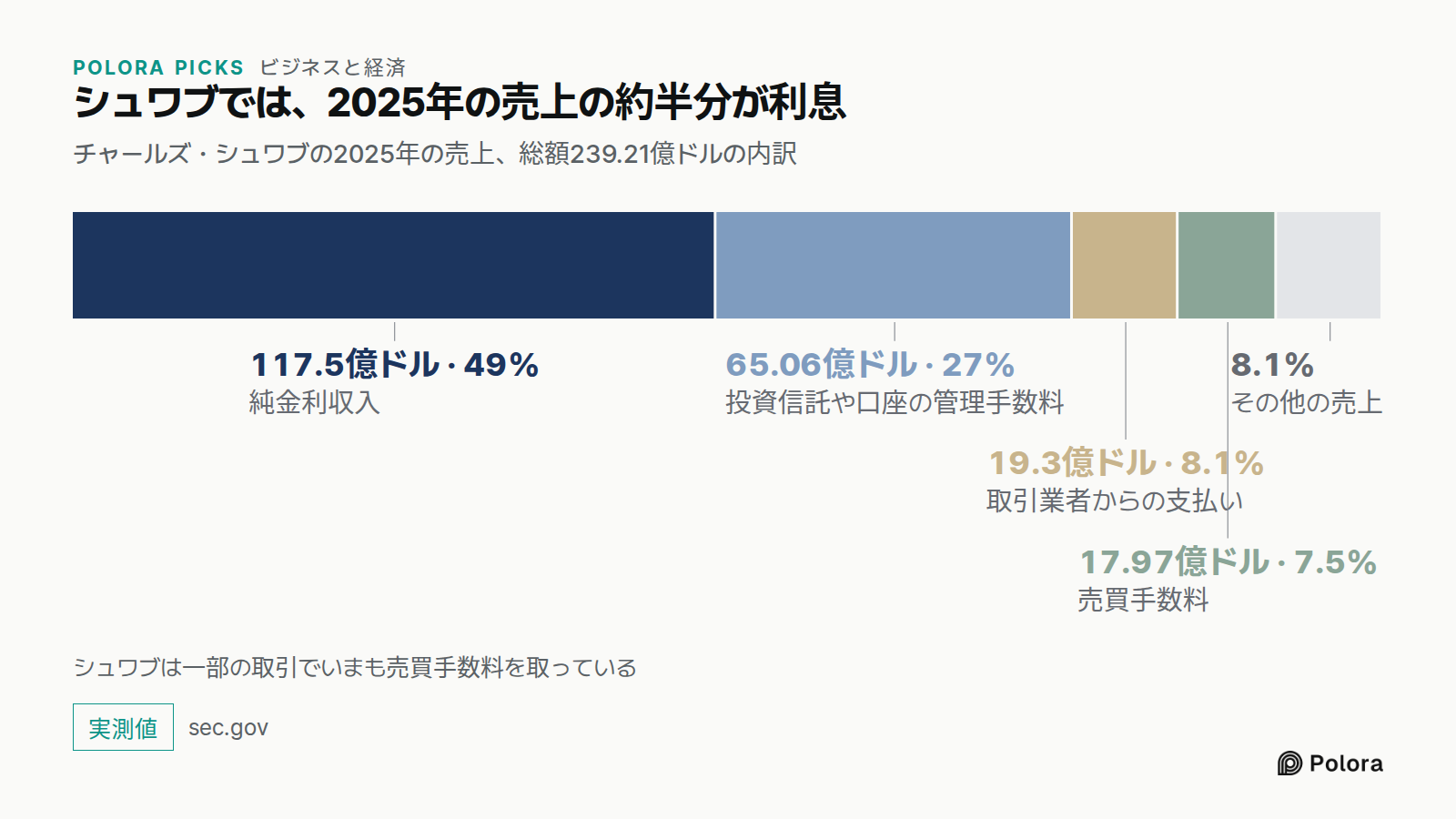
The mix differs by broker. In Robinhood’s 2025 filing, equities generated $302 million of $4,473 million in total net revenue; options generated $1,123 million, and net interest revenue was $1,514 million. Schwab’s 2025 filing shows a different mix, with net interest revenue accounting for roughly half its total.
That does not…