When you stream a song, does your subscription money go to the artists you listen to?
Alpha · claude-sonnet-5
Verification findings — Alpha
The manuscript's core premise holds up well under checking. Here's where I can confirm, correct, or flag gaps.
The pro-rata pool itself: confirmed, and the "unverified" flag in the manuscript's own checklist can be resolved.
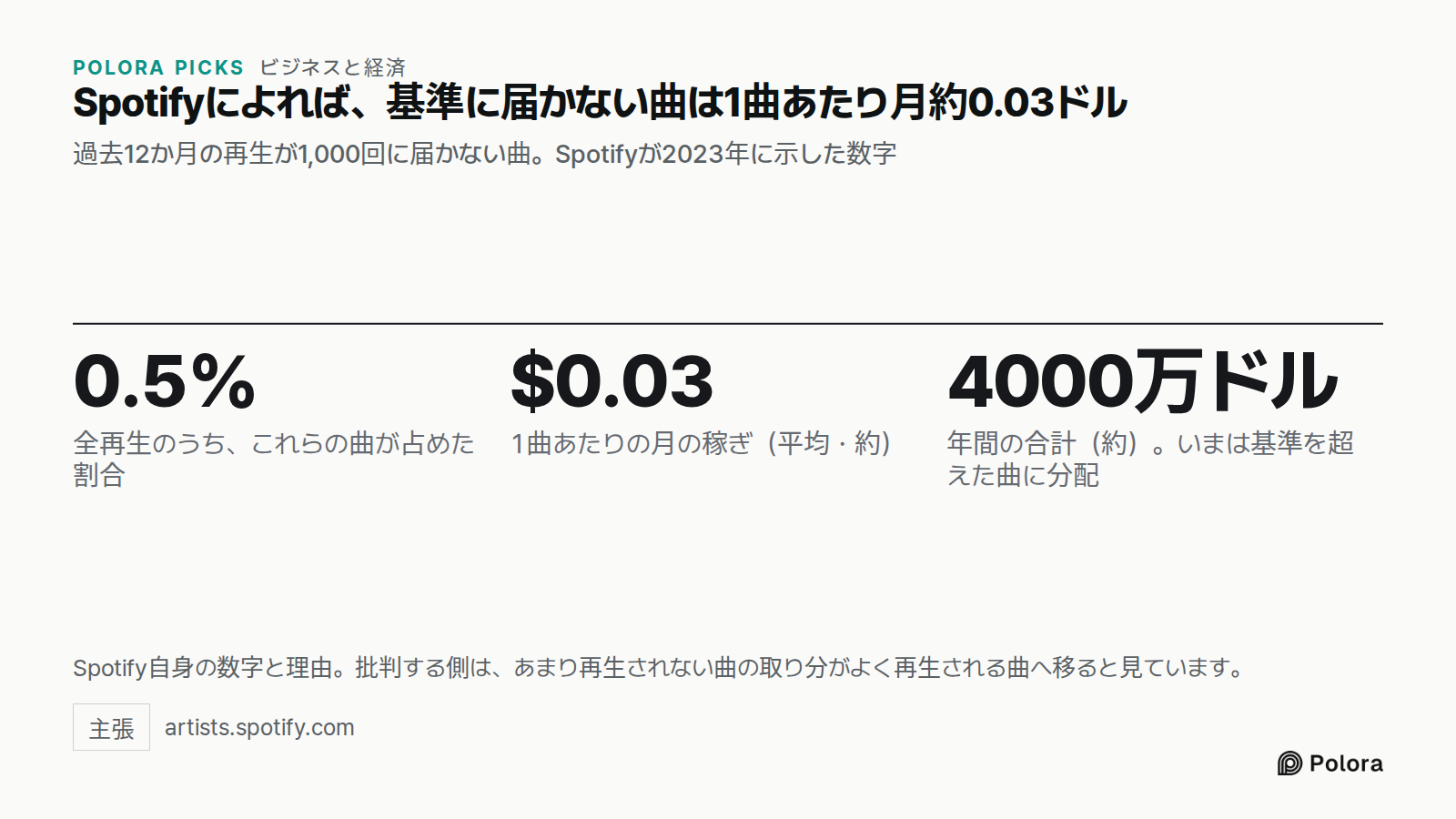
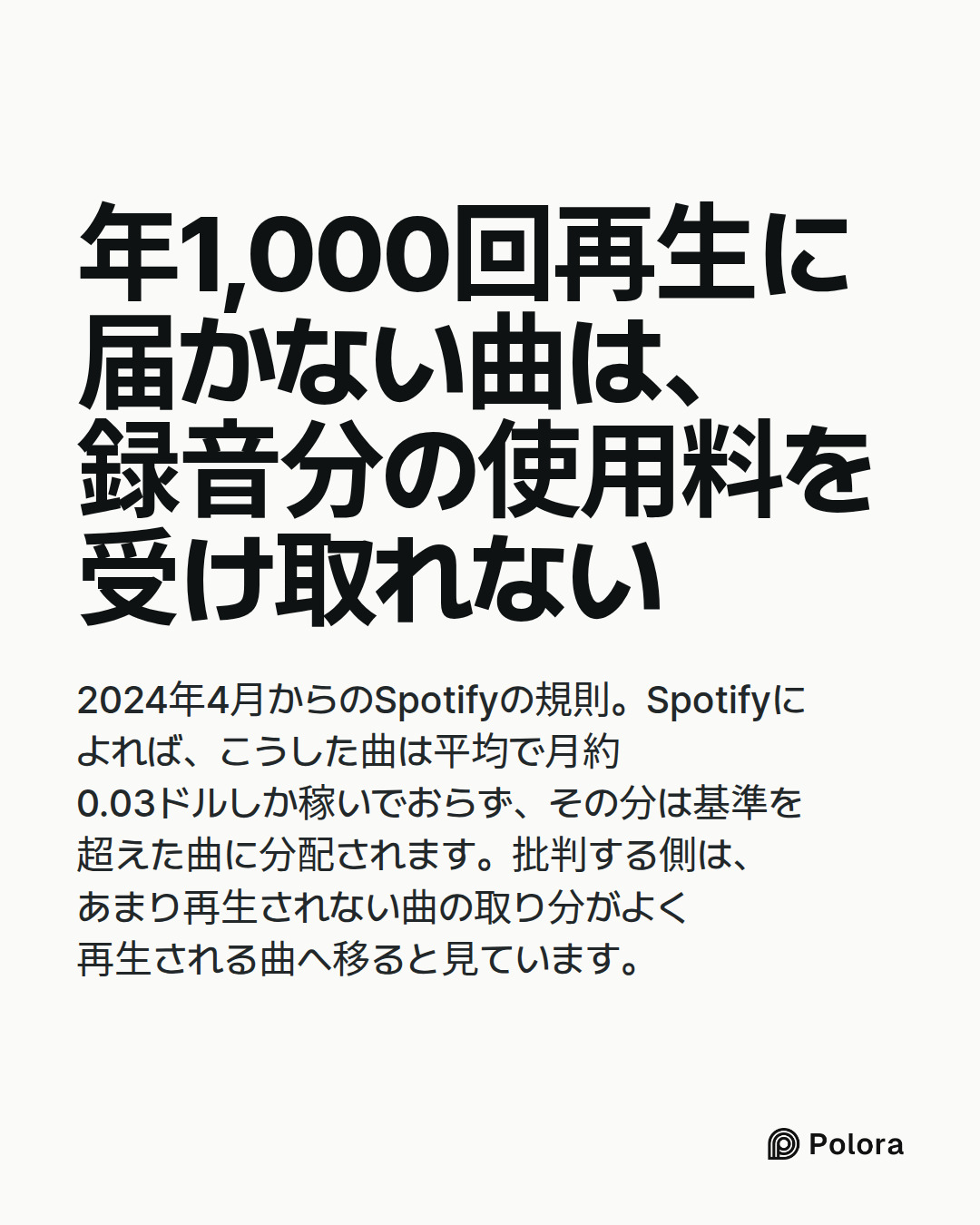
The editor's team couldn't find Spotify's own wording on the unique-listener requirement and asked for it to be checked against a primary Spotify page. I found it: Spotify's own support article states plainly that "Starting in April 2024, tracks must have reached a threshold of at least 1,000 streams in the previous 12 months to be included in the recorded music royalty pool calculation. There's also a minimum number of unique listeners required for a..." track to qualify. That same Spotify page explains the reasoning: the unique-listener floor exists "to ensure users can't game the system by streaming the track hundreds of times in order to qualify." So this is not just secondary-source chatter — Spotify's own support.spotify.com page says it. The manuscript's claim stands, and the "did not find it on a Spotify page" caveat can be dropped; Spotify for Artists support counts as Spotify's own statement, distinct from (but…
Beta · gpt-6-sol
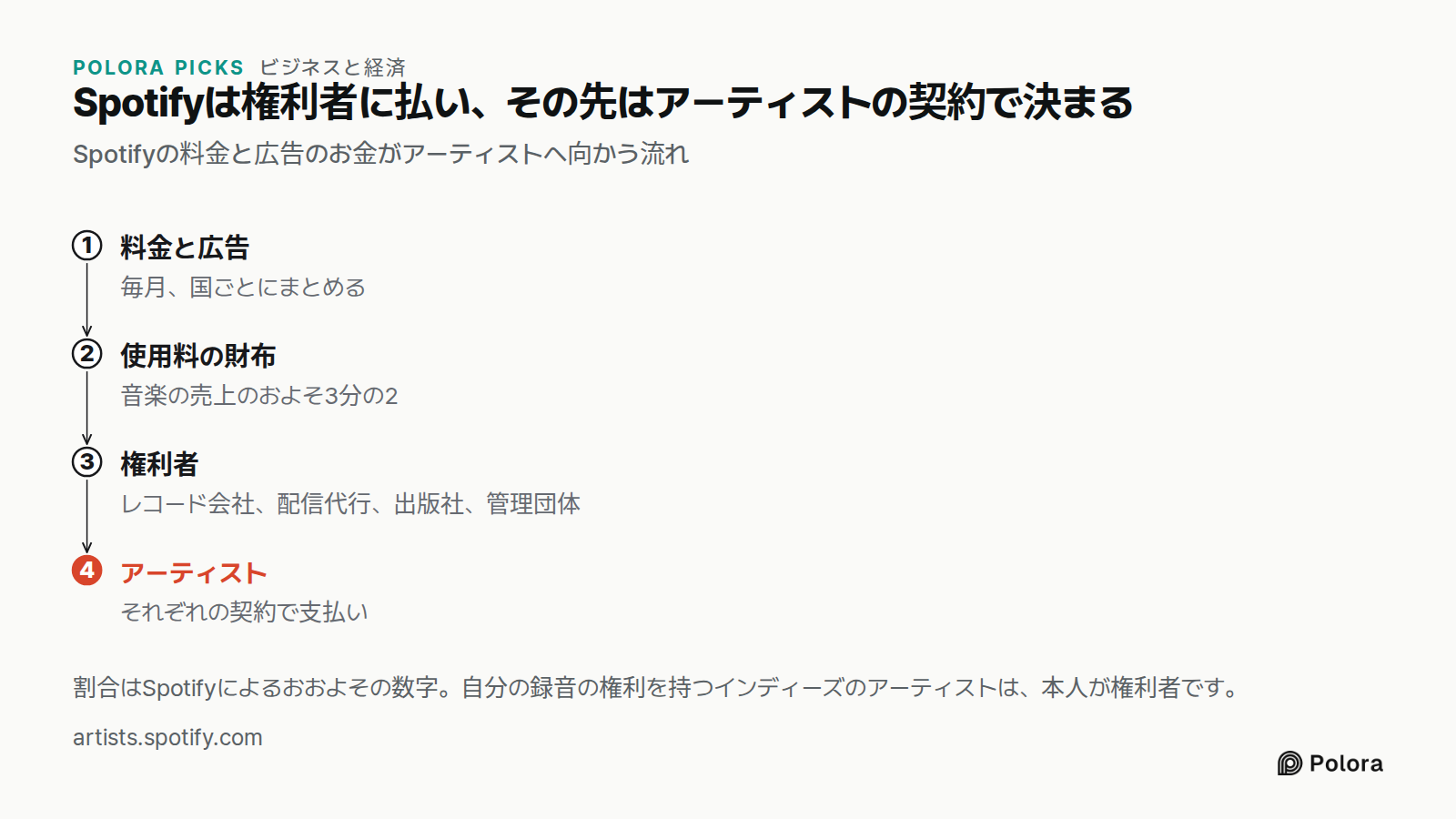
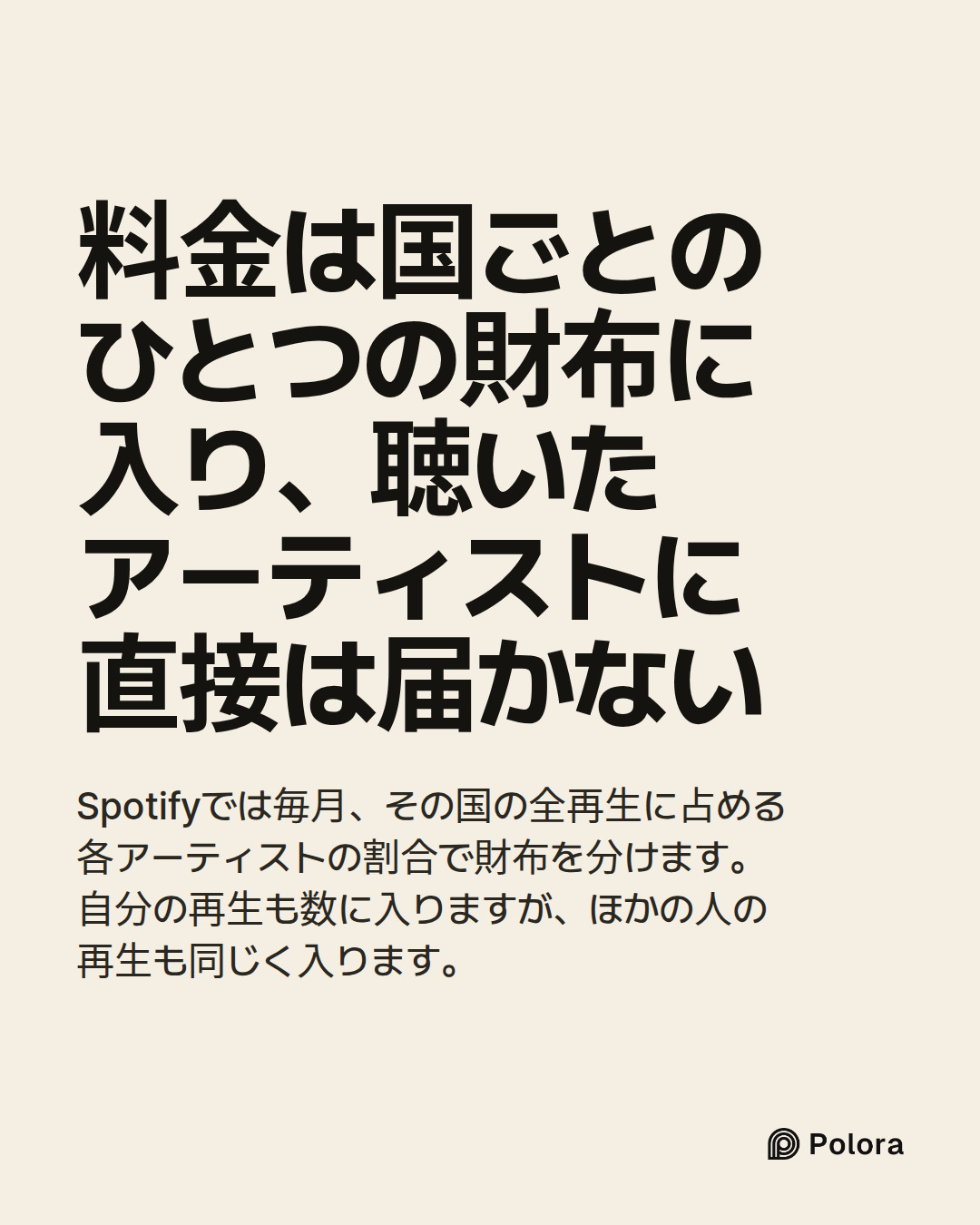
The answer is generally no—but “your listening doesn’t matter” would be wrong. On Spotify, your subscription helps fund royalties, and your plays help determine the shares paid to rights holders. The fee is not earmarked for the artists you personally played: Spotify calculates shares from streams in a market each month. A UK competition authority describes pro-rata distribution as the model adopted by *most*, not necessarily all, streaming services. (artists.spotify.com)
Addresses: https://artists.spotify.com/en/royalties-guide ; https://assets.publishing.service.gov.uk/media/6384f43ee90e077898ccb48e/Music_and_streaming_final_report.pdf
Here is what I would tell the editor to keep or change:
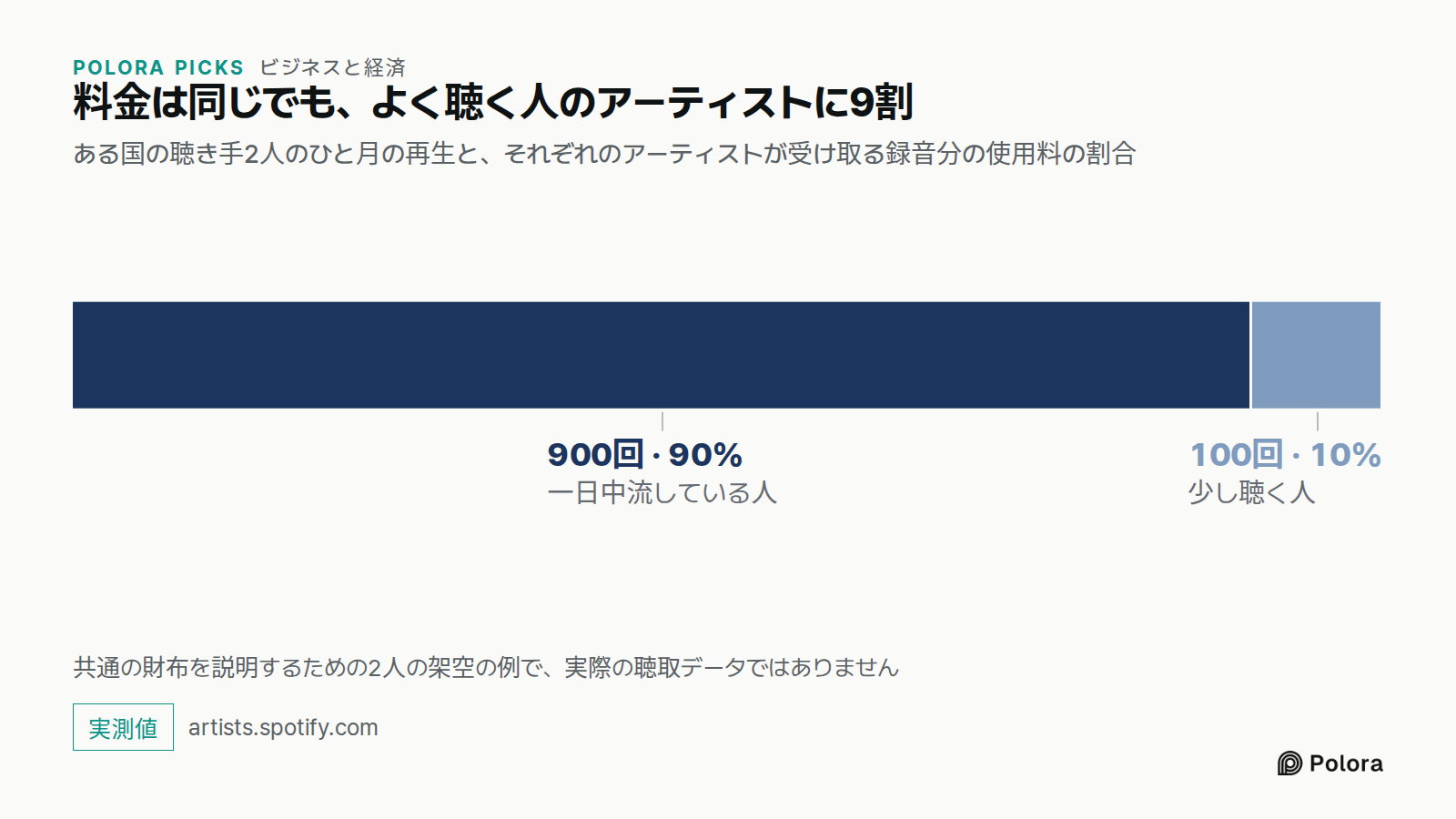
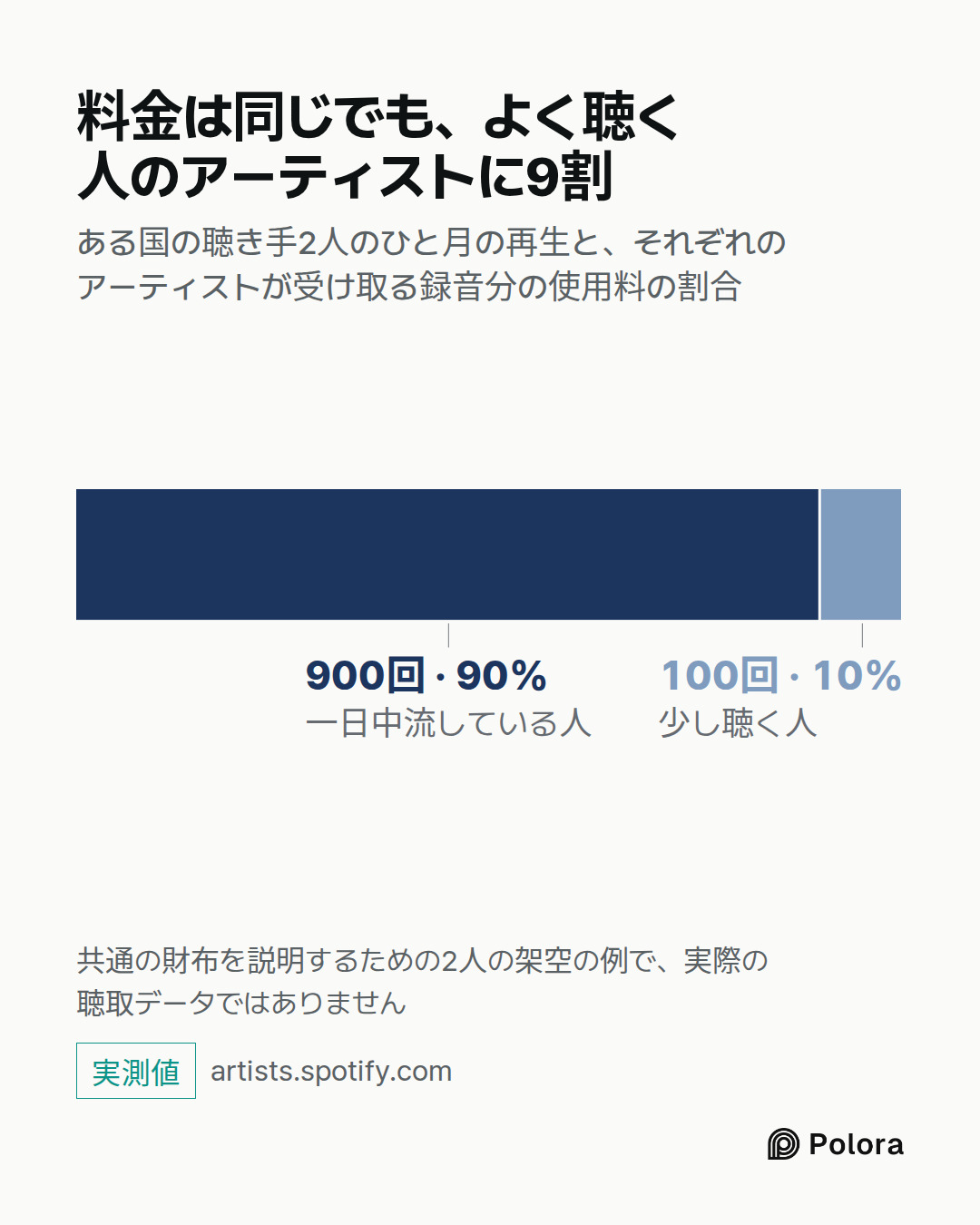
- Pool and two-listener example — keep, with limits. Spotify’s example says that 1% of streams in a country earns the relevant rights holders 1% of its *recording royalties* there. Thus, if two equal-paying listeners generate 900 and 100 qualifying plays in the same pool, the first listener’s plays exert nine times the influence. This is an illustration, not a claim that their entire subscription fees are paid…
Gamma · gemini-3.1-pro
Verification findings — Gamma
Alpha and Beta have laid the groundwork well. I have reviewed the remaining unchecked items from the editor’s brief, run the necessary searches, and can provide the final missing pieces for the manuscript.
The manuscript’s core premise—that your subscription fee is pooled and distributed pro-rata rather than acting as a direct micro-payment to the artists you stream—is entirely correct for the dominant streaming model. However, the manuscript’s explanation of the *alternatives* contains a critical omission that undermines its own argument.
Here is what you need to adjust or keep:
1. The Deezer cap completely changes the manuscript’s contrast (Critical Correction)
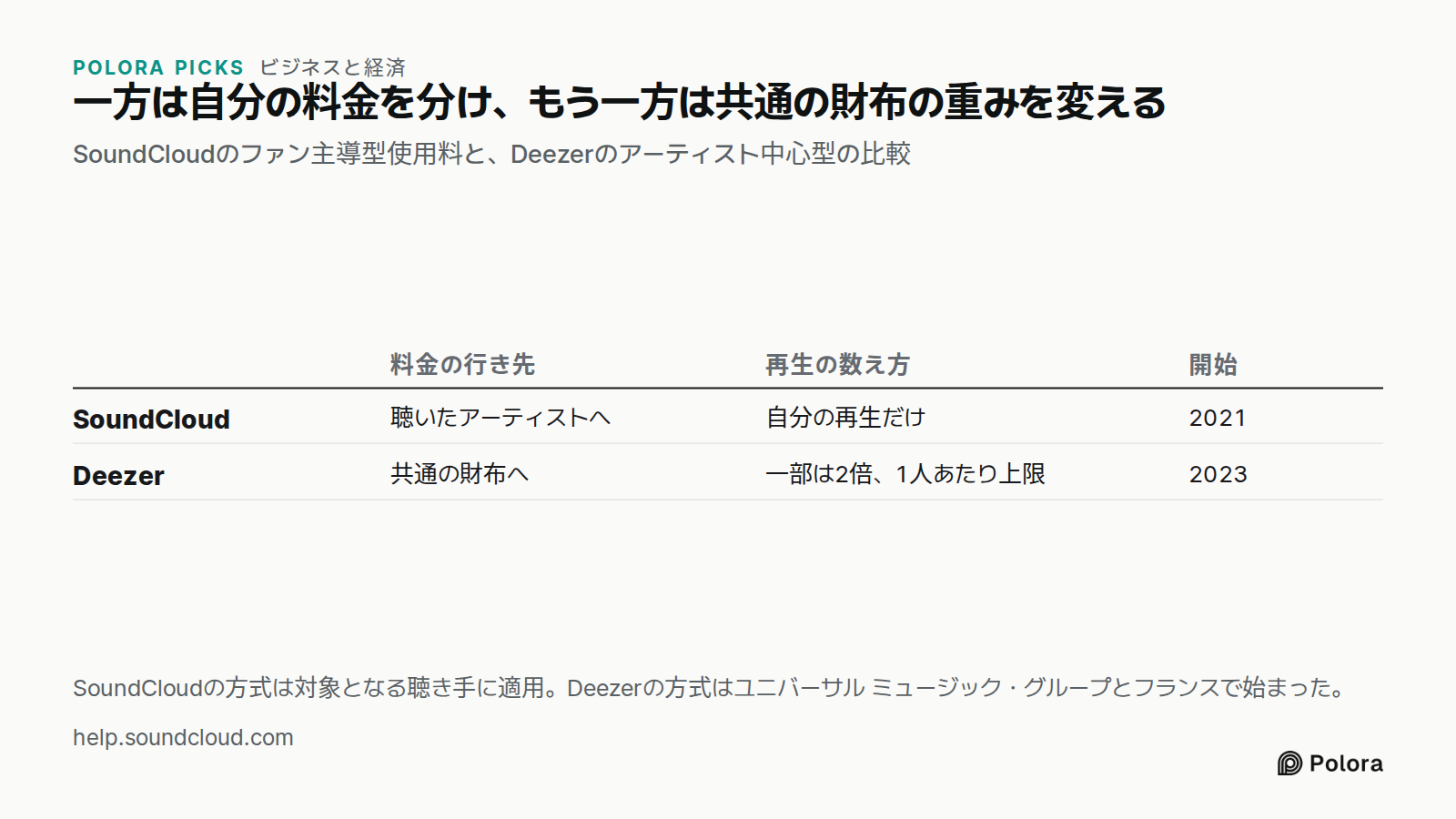
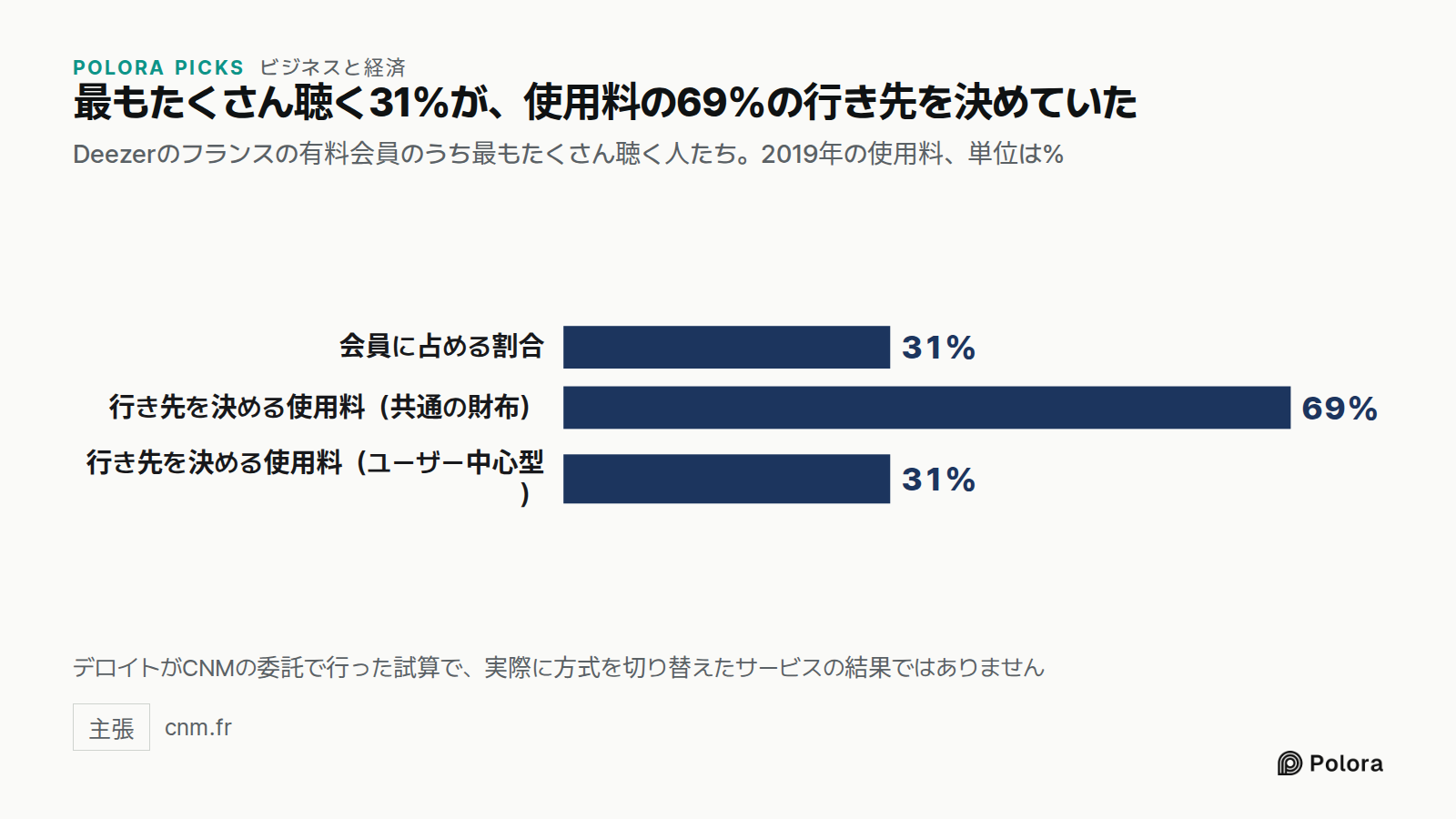
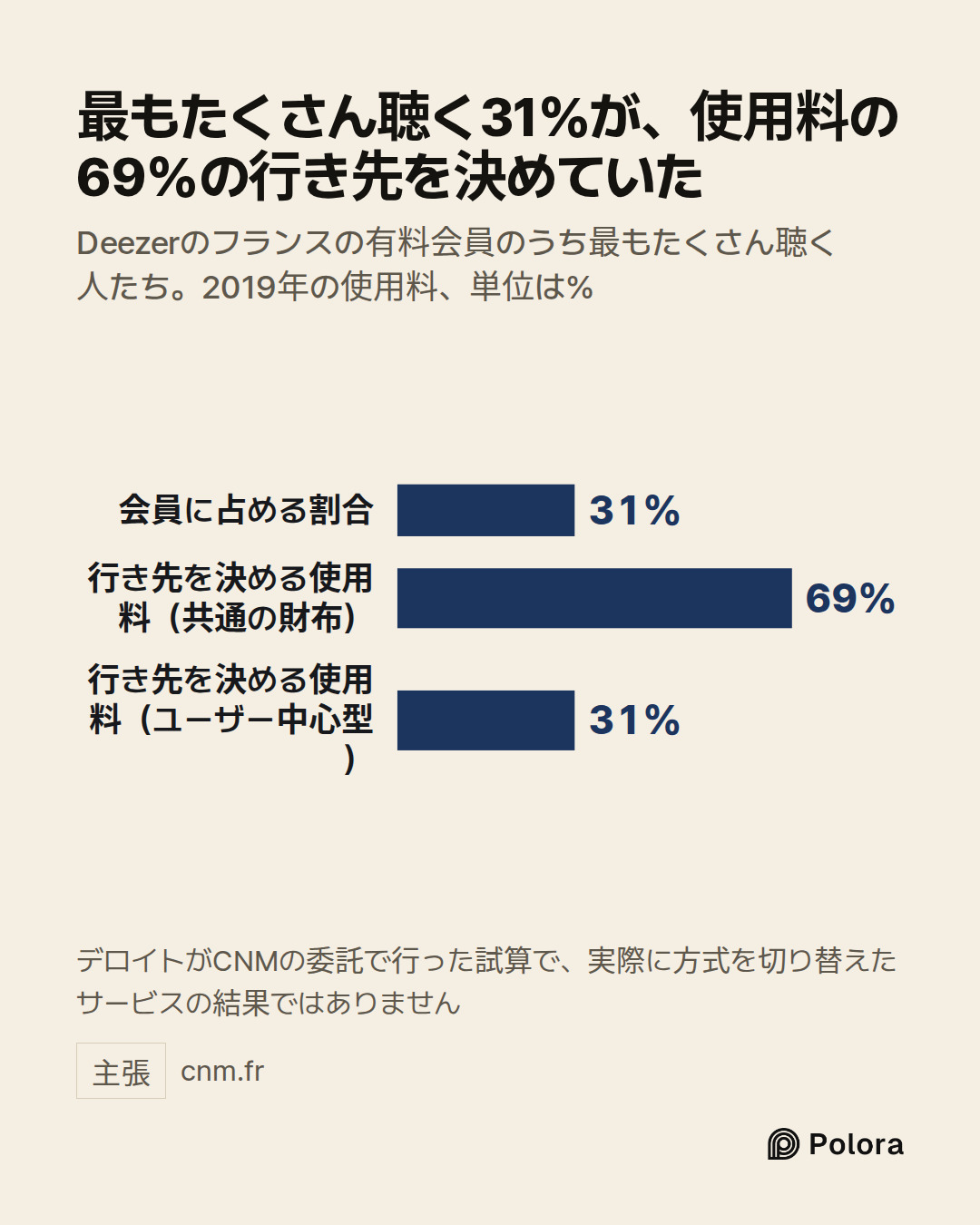
The manuscript claims that Deezer’s "artist-centric" model *only* changes how plays are weighted, implying that a heavy listener still exerts unlimited pull on the royalty pool. This is factually incomplete. Deezer’s official documentation and press releases from late 2023 confirm a User-Centric Cap: Deezer caps the monetization impact of any single user at 1,000 streams per month. If a user streams 2,000 tracks, each track counts for half a stream in the pool.
*Why it matt…
Researcher · gemini-3-7-flash
Core Premise Assessment
The manuscript’s central premise stands: In the dominant music streaming model, an individual user's subscription fee is not earmarked or distributed directly to the specific artists that user streams. Instead, revenues are pooled (typically by country/market and tier) and distributed to rights holders based on their overall share of qualifying plays (*pro-rata* or *streamshare*).
However, several specific claims require correction, clarification, or vital context.
---
Claim-by-Claim Verification
1. Pro-Rata Pooling and Market Differences
* Manuscript Claim: Subscription money goes into market-wide pools and is divided by stream share; Spotify and other major platforms work this way; payouts per stream vary because pools depend on local revenue.
* Finding: Confirmed.
* Spotify’s documentation states that all subscription and ad money in a market is pooled and split according to each rights holder's monthly share of total qualifying streams []. Spotify also confirms that per-stream rates vary across markets because subscription pricing and ad revenues differ by territory.
* For other major DSPs (Apple Music, Amazon Musi…
The Arbiter · gpt-6-sol
Round record for the editor: Alpha, Beta, Gamma and the Researcher agree on the central distinction: on Spotify, a subscriber’s fee is not reserved for the artists that subscriber plays. Subscription and advertising revenue fund royalty pools distributed by streamshare to rights holders. Listening still matters: each eligible play can affect a rights holder’s share. Spotify documents its country-level recording-royalty example; Beta and Gamma caution that the UK CMA supports describing pro-rata as used by *most* services, not asserting that every large service has precisely the same country-pot arrangement. (artists.spotify.com)
- Payment path and rates: Beta and the Researcher confirm Spotify’s roughly two-thirds royalty allocation and approximate four-fifths recording/one-fifth publishing split. Labels, distributors, publishers and collecting bodies may stand between Spotify and creators; an independent artist can also own their rights. There is no fixed payment per stream. The two-listener example works as an illustration of recording-royalty streamshare, not as a literal division of both subscr…
The Arbiter's Final Verdict · gpt-6-sol
Usually, not directly. On Spotify and most major music services, your subscription payment is pooled with other subscription and advertising revenue. Royalties are then allocated to music rights holders according to their share of eligible streams—not by dividing *your* fee only among the artists *you* played.
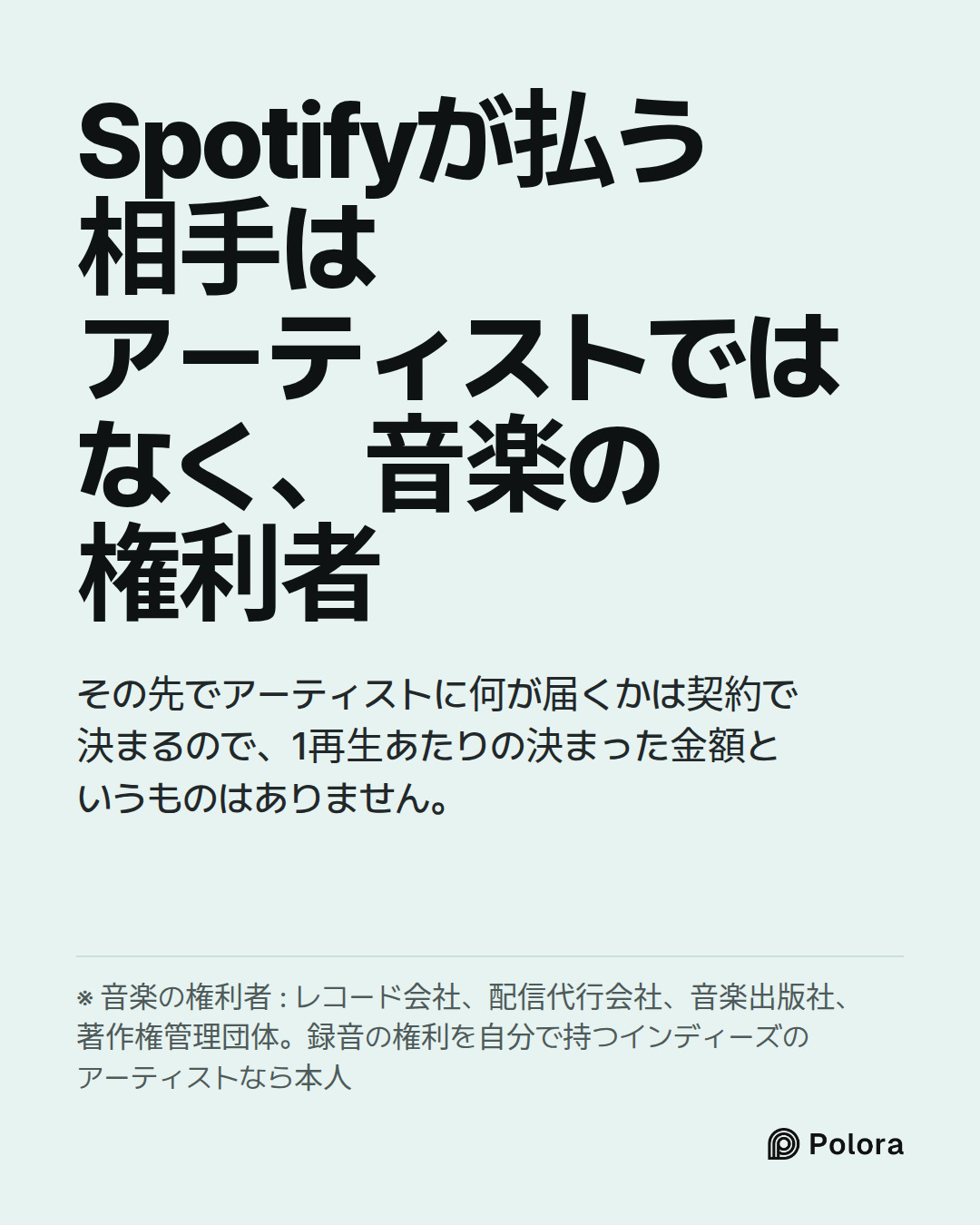
That does not mean your listening makes no difference. An eligible stream can increase a rights holder’s share of the pool. But the service generally pays rights holders, such as labels, distributors and publishers; what an artist or songwriter receives depends on their rights and contracts. There is no fixed amount paid for every play. Spotify’s royalties guide
Some services offer alternatives: SoundCloud’s fan-powered royalties tie eligible listener revenue more closely to that listener’s plays. So the accurate answer is “not necessarily the artists you listen to, and not in proportion to your personal fee”—rather than “your plays don’t count.”