How do gyms make money when most members barely show up?
Alpha · claude-sonnet-5
My job here is to check the manuscript's load-bearing claims against the sources it cites, and flag where the editor's arithmetic or framing runs ahead of the record.
The core model holds up well. The PLNT 10-K confirms the mechanics directly: the current franchise agreement stipulates a 12-year term, and franchisees must purchase equipment from the company and generally replace it every five to nine years, based on club volume. That's the equipment-revenue claim, verbatim, not a paraphrase.
The royalty figure needs a correction the editor should make. The manuscript says "7% for most of them" but the filing is more precise and less flattering to that framing: as of December 31, 2025, approximately 63% of clubs paid royalties at the current rate, helping drive the average royalty rate to 6.7% compared to 6.4% in 2021. So "7% for most" should read "7% for about 63%, averaging 6.7% system-wide" — a small but real precision loss in the manuscript as written.
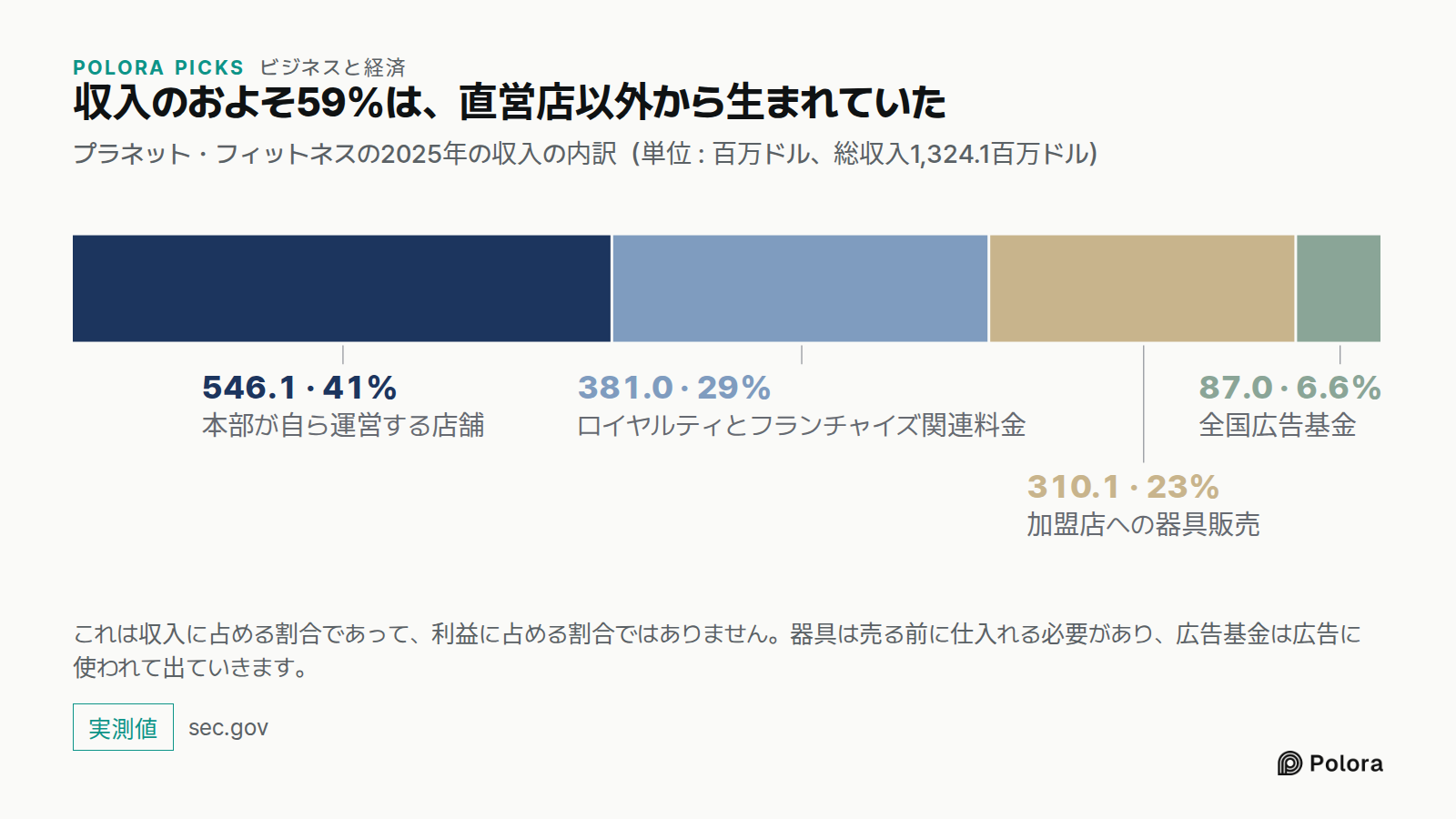
The 23.4% equipment-revenue-share figure is independently confirmed, which cross-checks the editor's own $310.1M/$1,324.1M arithmetic: this source of revenue comprised 23.4% and 21.7% of total revenue for the years…
Beta · gpt-6-sol
The premise stands, but the manuscript overstates what the evidence proves. Membership dues and annual fees keep arriving whether a member visits or not; relatively fixed costs make low *simultaneous* use valuable to a club. Planet Fitness also collects royalties from franchised clubs and sells them equipment. Its 2025 filing says more than 90% of both corporate-club and franchise revenue came from recurring streams, including dues, annual fees and royalties. That establishes the business mechanics—not the claim that *most members* barely show up, or that the model requires any particular member to stay away. (sec.gov)
Here is what I would send back to the editor:
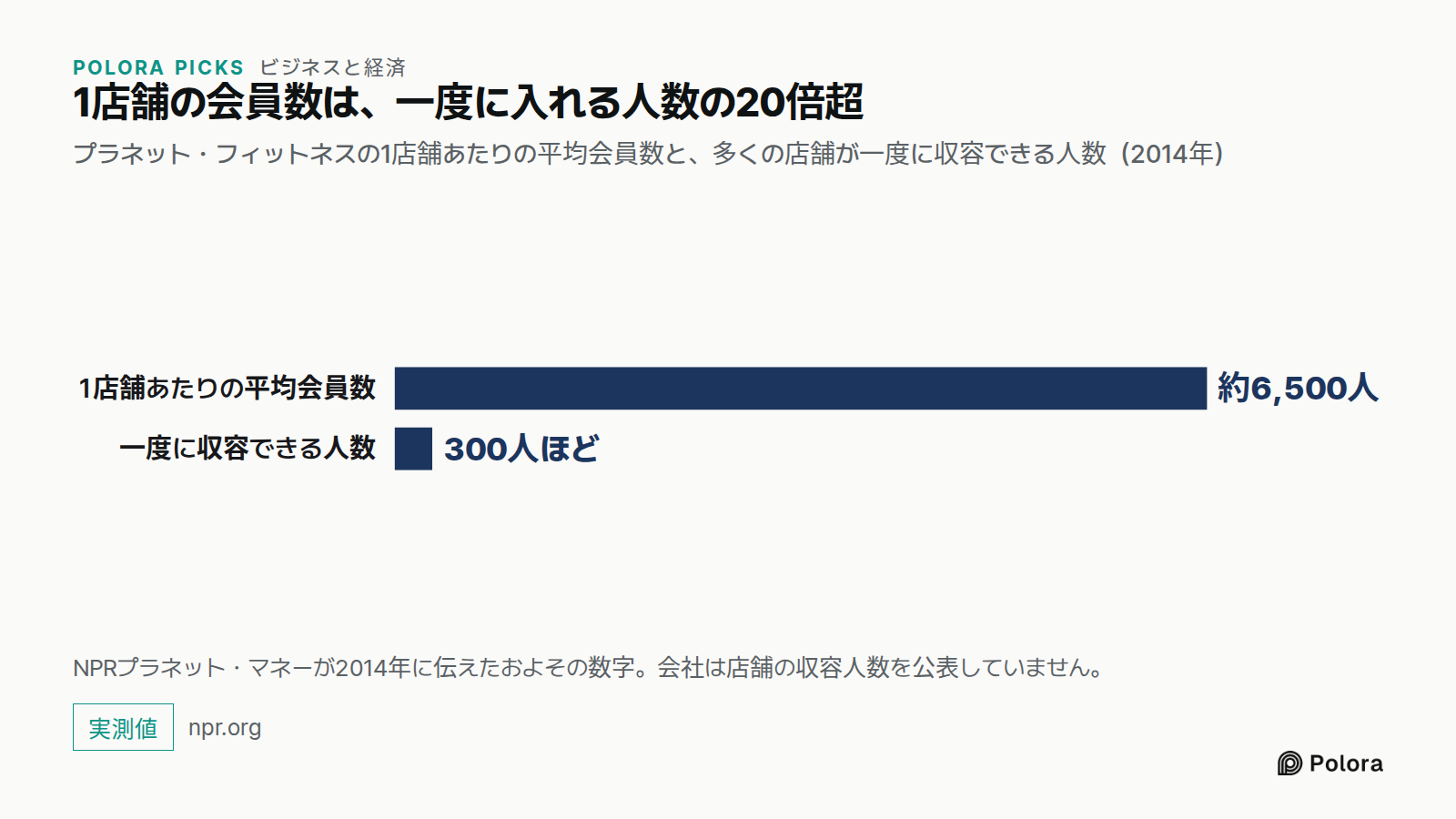
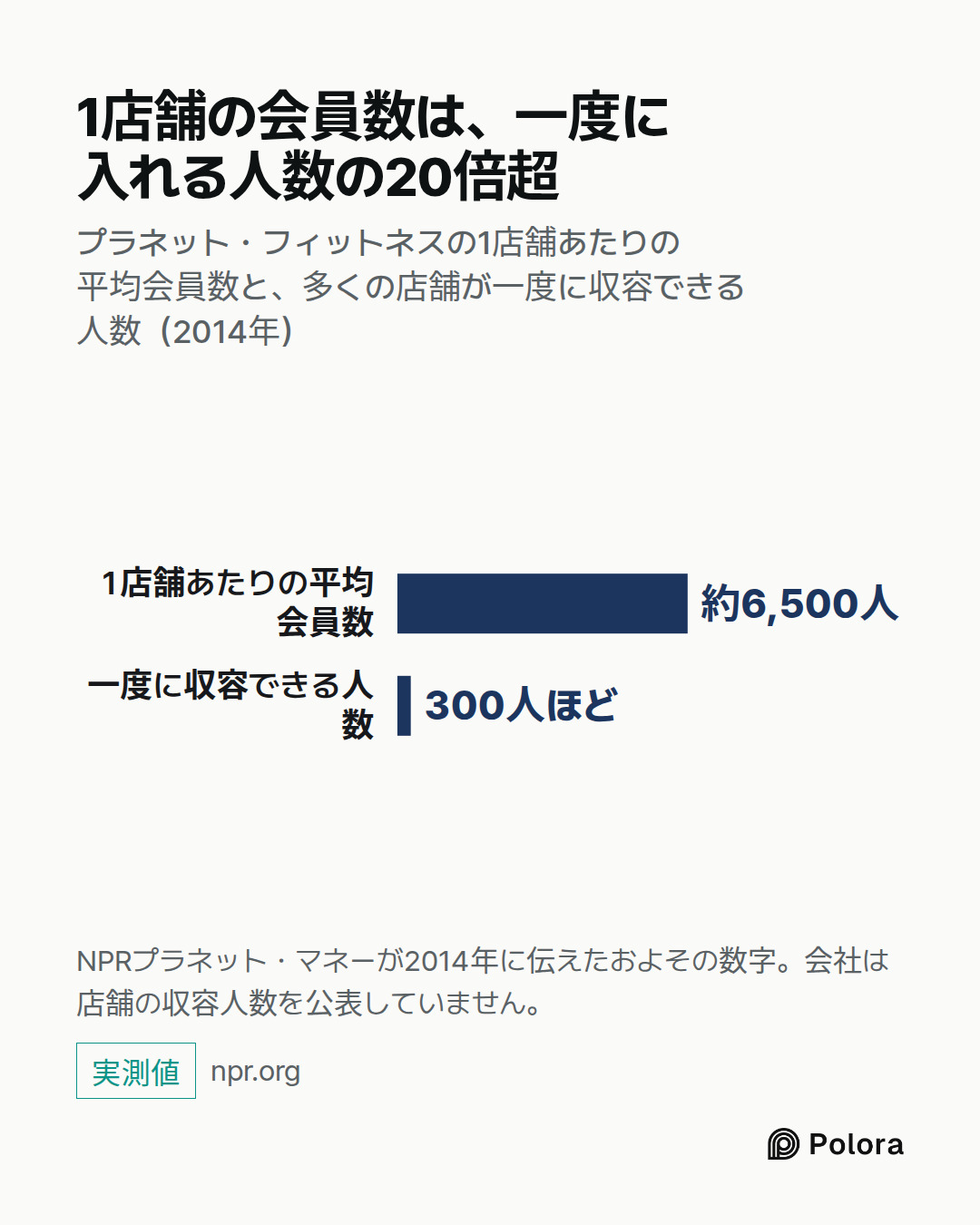
- Capacity: correct the comparison. The filing confirms approximately 20.8 million members and 2,896 clubs at December 31, 2025; dividing gives about 7,200 members per club, a derived system-wide average, not a typical club’s measured enrollment. I could not independently open NPR’s cited 2014 page to check its approximately 6,500-member and 300-person figures. Even if those figures are right, 300 people at once is…
Gamma · gemini-3.1-pro
I will round out the fact-checking by resolving the disputes between Alpha and Beta and checking the final remaining items, particularly the 2026 stock drop and the California law.
Here is what the record actually shows for the editor:
1. The May 2026 Stock Drop Was About Marketing, Not Just Cancellations
The manuscript frames the massive May 2026 stock crash as a consequence of the cancellation policy ("Even a small rise in the share of members who leave each month affects a business..."). This is a serious distortion of the timeline and the market's reaction.
I checked the events of May 7, 2026. Planet Fitness stock did indeed crash 31% in a single day (from $63.96 to $44.01). However, the primary catalyst was a massive miss in Q1 *sign-ups*, not just attrition. Management admitted on the earnings call that their marketing had "pivoted too far" toward "fitness-minded" consumers, alienating their core demographic of beginners and casual gym-goers during the crucial New Year sign-up window. They also shelved a planned Black Card price increase. The editor cannot frame this 31% drop as a lesson in the dangers of easy cancellation; it was fundamentally a failure in customer ac…
Researcher · gemini-3-7-flash
Factual Verification of Claims
---
1. NPR Planet Money (2014) Capacity & Membership Figures
* Manuscript Claim: In 2014, NPR reported an average Planet Fitness gym had roughly 6,500 members while holding around 300 people at a time.
* Status: Confirmed as reported.
* Findings: In the December 30/31, 2014 broadcast/article *Why We Sign Up For Gym Memberships But Don't Go*, NPR's Stacey Vanek Smith stated that Planet Fitness has on average 6,500 members per gym and can hold around 300 people.
* Editorial Caveat: As noted by debaters, 300 simultaneous capacity does not mean 300 unique visitors per day across 24 hours. Stating that simultaneous attendance would require "more than 20 times the space" is valid for a single instant, but should not be conflated with daily capacity.
* Source: NPR / Planet Money (2014)
---
2. Planet Fitness Year-End 2025 Figures (Members, Dues, Royalties, Equipment)
* Manuscript Claims:
- 20.8M members and 2,896 clubs (~7,200 members/club).
- Classic starts at $15; Black Card at $24.99; Blac…
The Arbiter · gpt-6-sol
Round record for the editor: Alpha, Beta, Gamma and the Researcher agree that the business-model premise stands: membership payments continue whether or not someone visits, while a club’s space is shared by members arriving at different times. The important correction is that limited simultaneous capacity does not prove that most members barely attend, or that a gym needs any particular member never to come.
- Capacity and attendance. The Researcher confirmed that NPR reported about 6,500 members per Planet Fitness club and room for around 300 people *at once* in 2014. Beta identified the manuscript’s clearest error: if every member came on the same day, they would not necessarily need 20 times the space; that comparison works only if they arrived at the same time. The 2025 filing’s approximately 20.8 million members and 2,896 clubs yield about 7,200 per club by division, not a reported typical-club enrollment or a current capacity measure. Alpha and Gamma agree that the article should describe staggered use rather than a proven need for no-shows. Sources: [NPR](https://www.npr.org/sections/money/2014/12/30/373996649/why-we-sign-up-for-gym-memberships-but-don-t…
The Arbiter's Final Verdict · gpt-6-sol
The premise holds in a narrower form: gyms can collect membership dues and annual fees whether or not a member visits. A club can therefore sell far more memberships than it has room for *at one time*, because members visit at different times—and some visit rarely.
Planet Fitness illustrates the economics. It reported about 20.8 million members across 2,896 clubs at the end of 2025, or roughly 7,200 members per club by simple division. Its brand company also earns royalties on franchise clubs’ dues and fees and sells franchisees equipment. Those are revenues tied chiefly to memberships and club operations, not to each workout. Planet Fitness 2025 Form 10-K
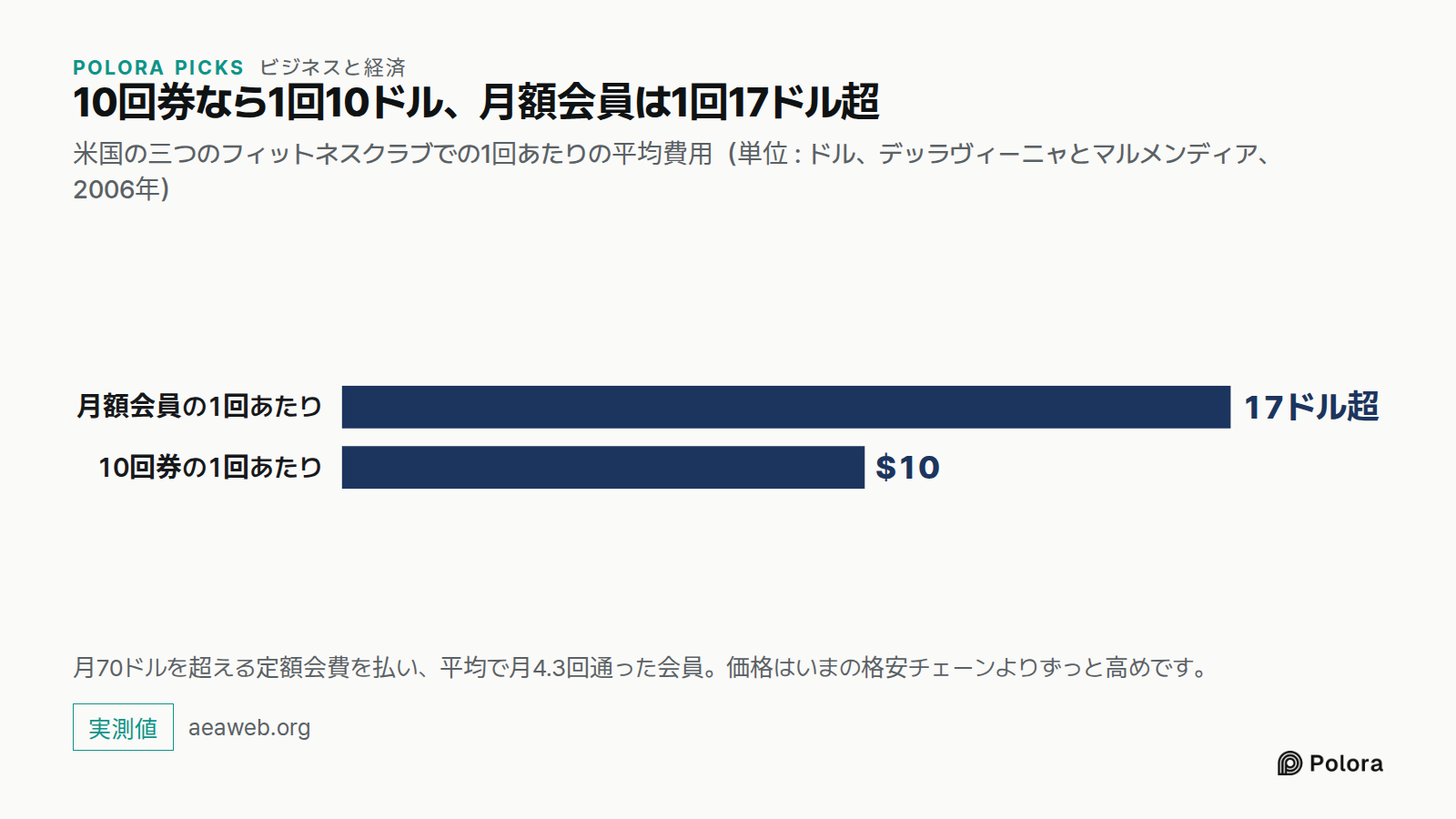
The important limit is that more members than simultaneous spaces does not prove most members barely show up. An older Planet Money report put a club’s average membership at about 6,500 and capacity at around 300 *at once*; members could still attend on the same day at different hours. A [2006 study of three healt…