[Alpha]: I checked the two most load-bearing numbers.
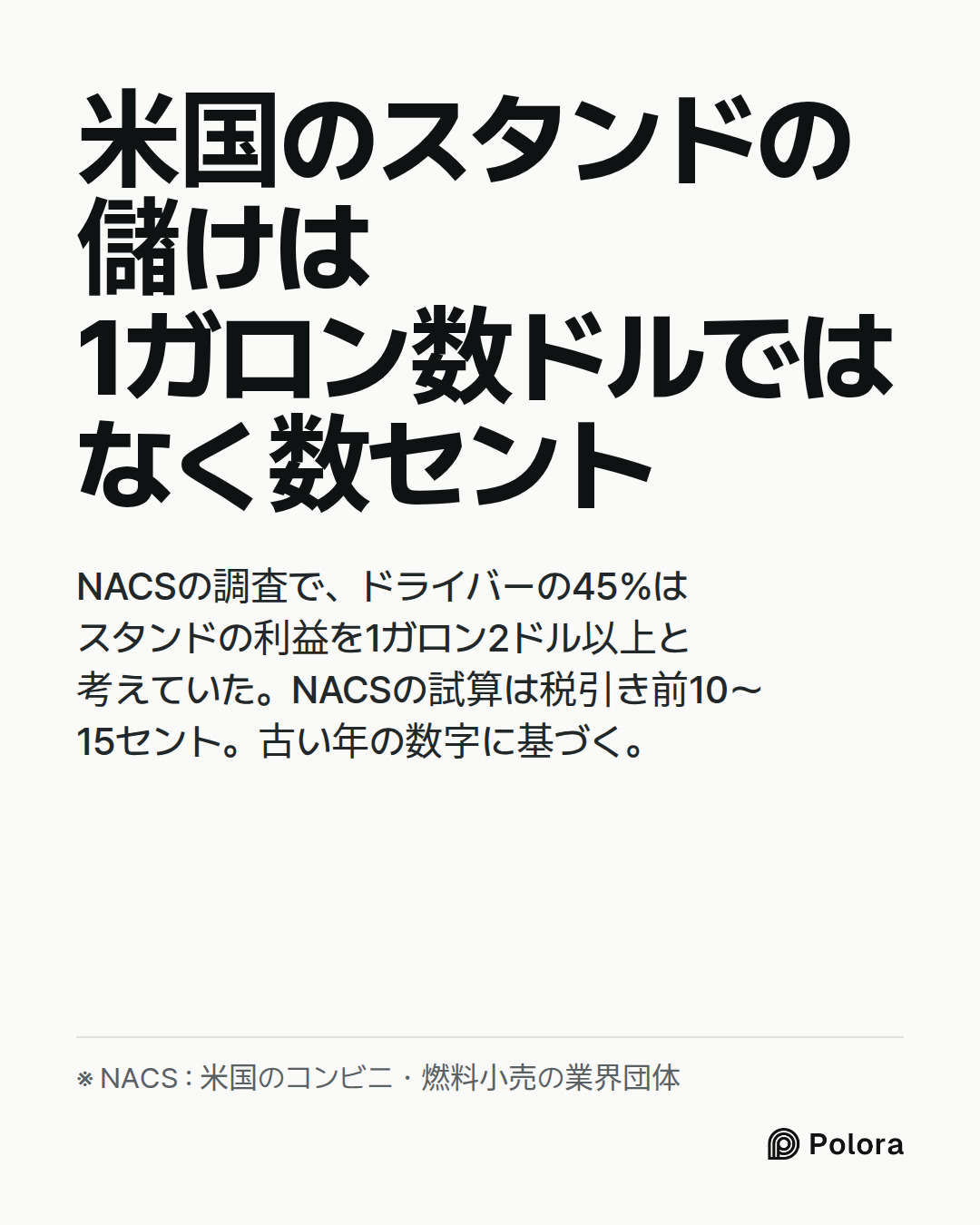
The 45% / $2-a-gallon survey claim holds up, though the date doesn't. "a stunning 45% of drivers think that retailers make at least $2 a gallon in profit per gallon, according to a NACS consumer survey" — this is confirmed, but it's a line NACS (via columnist Jeff Lenard) has repeated since at least November 2021, not something new to 2025. The manuscript should not imply this is a fresh 2025/2026 survey.
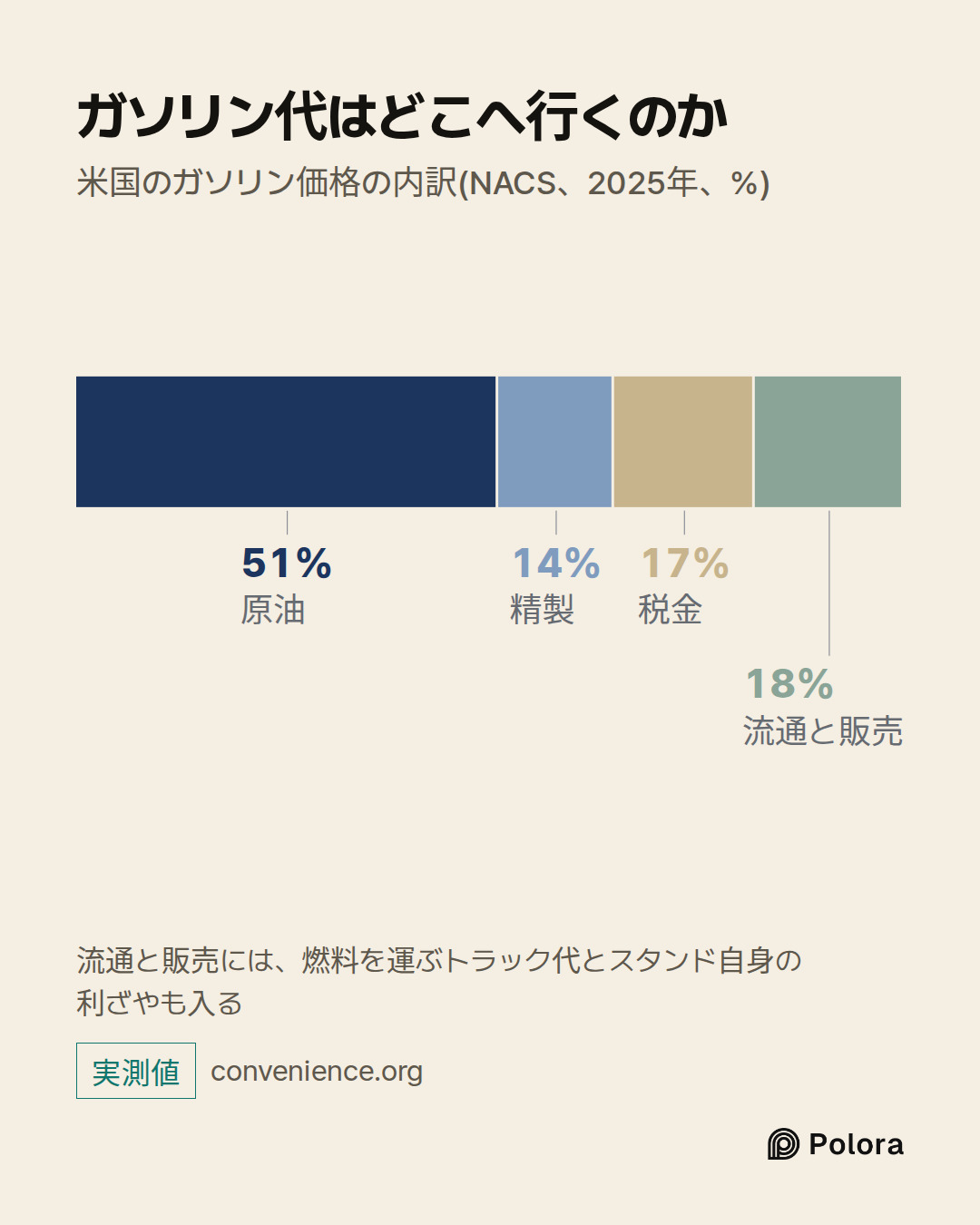
The 35-cent margin / 13-cent net breakdown is basically right but mislabeled by year. The manuscript's $3.11-a-gallon, 8.4-cents-card-fee numbers trace to the same NACS "Who Makes Money Selling Gas?" page, and a secondary source confirms "the average fuel gross margin was 35.7 cents per gallon as of January 30, 2025" and "about 22 cents of that went to costs, including roughly 8.4 cents in card processing fees, leaving about 13 cents per gallon in net margin before taxes". So the brief's suspicion was correct: these are 2025 figures stitched onto a page whose language reads as evergreen. The manuscript should say "as of early 2025" rather than implying an averaged five-year figure.
The NACS "Who Makes Money" page i…
Beta · gpt-6-sol
[Beta]: Yes—U.S. stations can make money selling gasoline, but the amount left per gallon after costs is much smaller than the pump price suggests. The manuscript’s answer stands. Its arithmetic, however, needs a correction that Alpha’s account missed.
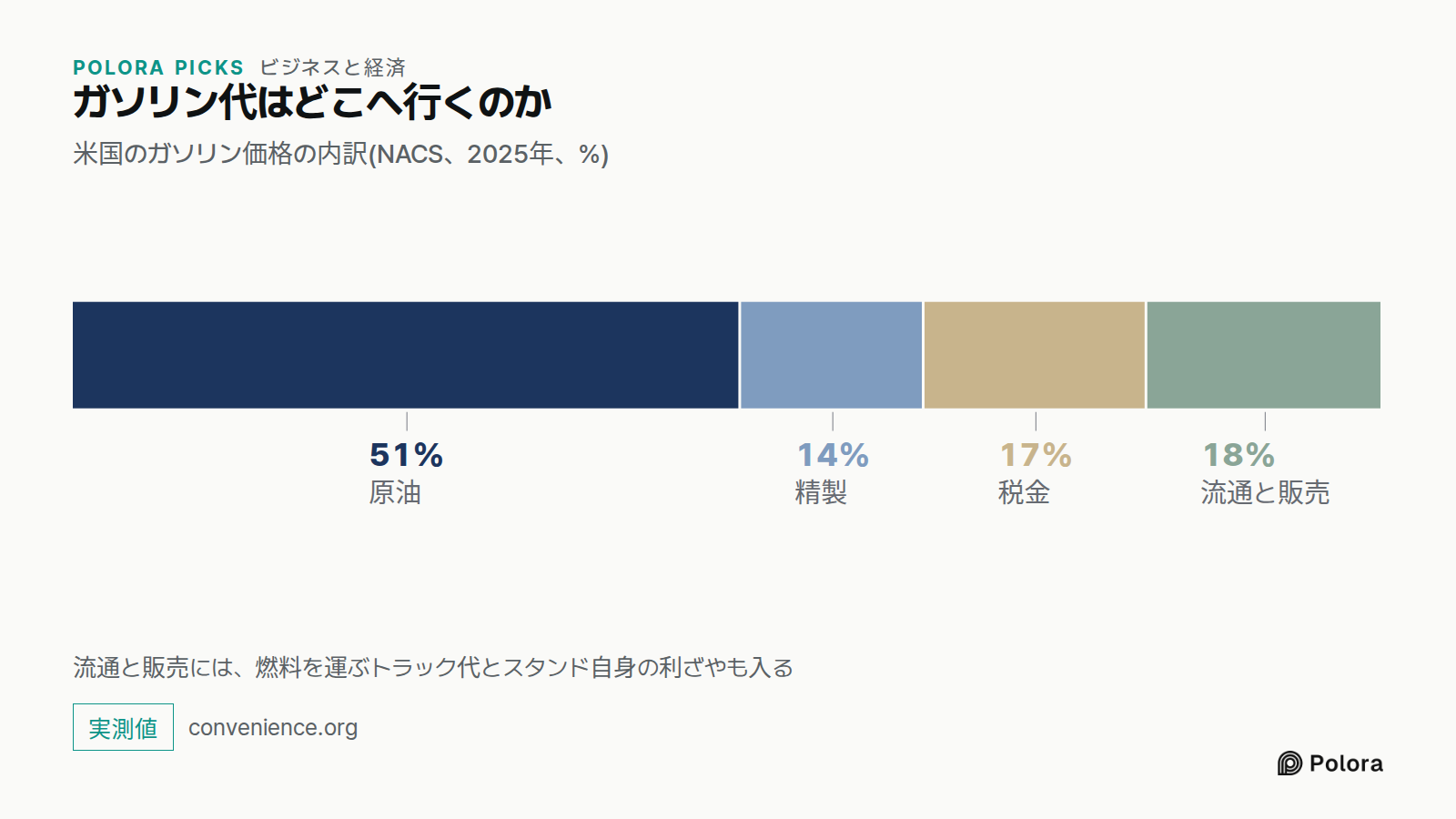
NACS’s worked example starts with a 35-cent gross margin, then lists five costs: 6 cents to deliver fuel from the terminal, 8.4 cents in card fees (identified as 2023 data), 6 cents in store operating expenses, 2 cents in equipment amortization, and 1 cent for inventory fluctuation. Those add to 23.4 cents, leaving 11.6 cents, not 13 cents, before income tax. The manuscript omits delivery from its cost list and calls roughly 22 cents the total. Moreover, NACS explicitly chooses its 2020 average gross margin of 35 cents for that exercise; the $3.11 pump price and 35.7-cent observed margin refer to early 2025. This is an illustration assembled from different periods, not one measured 2025 station account. NACS’s broader description is 10–15 cents a gallon before tax. (convenience.org)
The store-versus-…
Gamma · gemini-3.1-pro
[Gamma]: I have checked the remaining claims and can confirm or correct the following based on primary sources:
The 45% / $2 survey: As Alpha noted, this claim is real but dated. My search shows NACS’s Jeff Lenard cited this "stunning 45%" figure in an article titled *Who Makes Money Selling Gas?* first published in November 2021, not 2025.
"Rockets and feathers": The manuscript is correct that economists use this term, but it needs an economic source, not NACS. The Federal Reserve Bank of St. Louis (in a 2022 FRED Blog post) explicitly defines "rockets and feathers" as "asymmetric pass-through" where "gas prices rise faster when oil prices increase (like a rocket) than they fall when oil prices decrease (like feathers)." The manuscript's description perfectly matches the economic consensus.
Murphy USA's fuel vs. merchandise contribution: The manuscript claims Murphy USA's fuel business contributed $1,488.7 million against $869.0 million from merchandise in 2025. My review of Murphy USA's Q4 2025 earnings release confirms these exact figures for the full year 2025. However, as the research brief suspected, "total fuel contribution" for Murphy USA includes not just r…
Researcher · gemini-3-7-flash
Check on the claims and requested verifications:
* The 45% / $2-a-gallon survey claim:
Confirmed on NACS’s *Who Makes Money Selling Gas?* page: *"In fact, a stunning 45% of drivers think that retailers make at least $2 a gallon in profit per gallon, according to a NACS consumer survey."* This line dates back to an article published in late 2021 by Jeff Lenard and was carried forward into subsequent updates (including the February 2025 version). It should not be presented as a new 2025 survey finding.
Source: NACS – Who Makes Money Selling Gas?
* Arithmetic and breakdown on per-gallon margin ($3.11 price / 35-cent margin / net cents):
NACS’s illustrative breakdown uses a 35-cent gross margin based on its 2020 annual average, alongside early 2025 price context ($3.11) and 2023 card fee data (8.4 cents). NACS lists the following costs out of the 35 cents:
* Delivery / distribution: 6¢
* Card processing fees: 8.4¢ (2023 data)
* Store operating expenses: 6¢
* Equipment amortization (pumps, canopy, tanks): 2¢
* Inventory fluctuation/theft: 1¢
Total costs equal…
The Arbiter · gpt-6-sol
The voices agree on the central distinction: a station’s markup on gas is not the same as what it keeps after costs, and in-store sales can supply most *gross* profit even when fuel is crucial to the business after expenses.
One source-level conflict matters for the verdict. Alpha accepted NACS’s “35 cents minus about 22 cents leaves about 13 cents” example. Beta and the Researcher added the five costs printed on that same NACS page and got 23.4 cents, leaving 11.6 cents. I checked the page: NACS itself prints both the five-item list and the 22-cent total. The disagreement is therefore in the published source, not just between the voices. The example also combines figures from different years; it should not be presented as one observed 2025 gallon. (convenience.org)
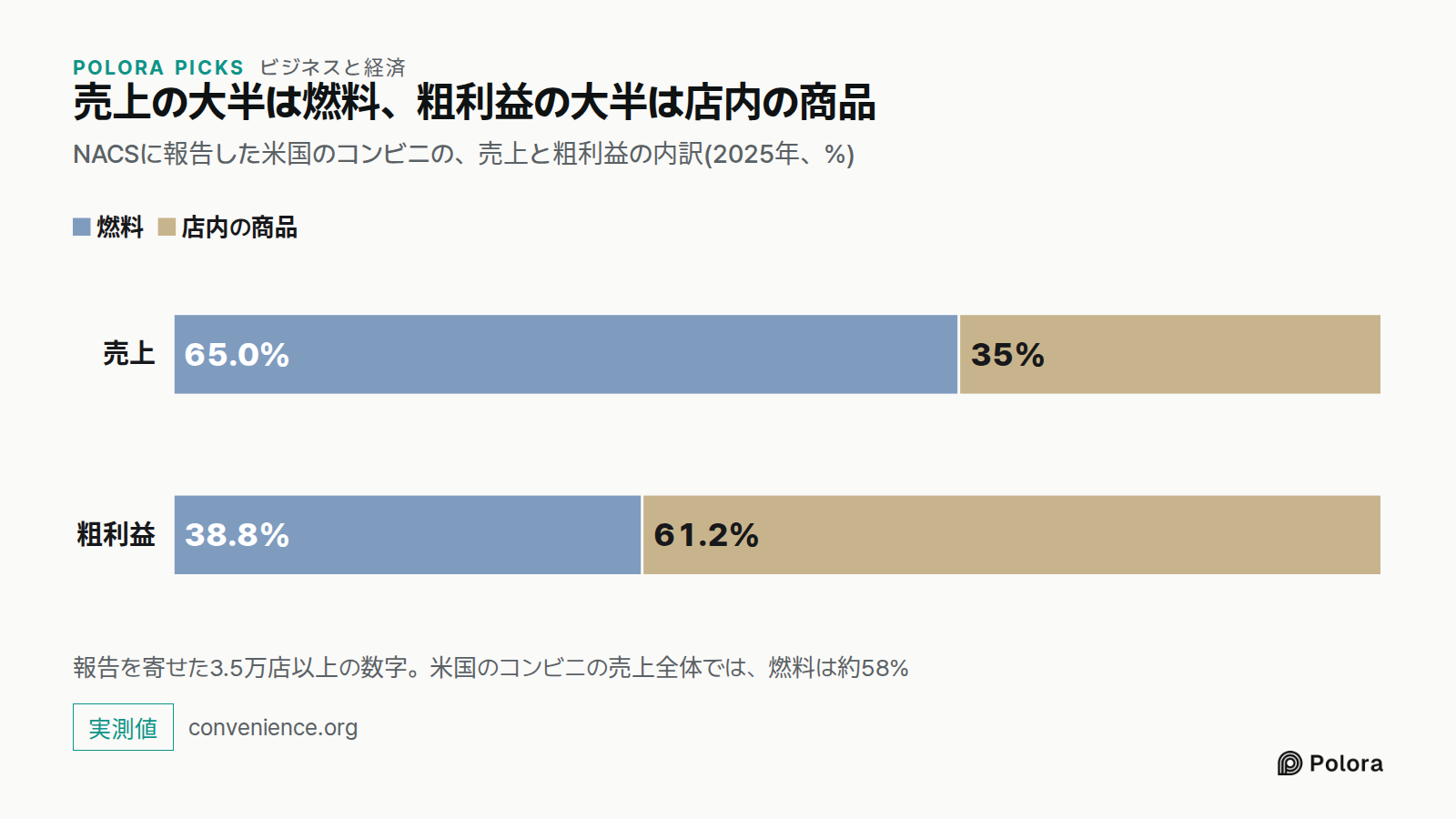
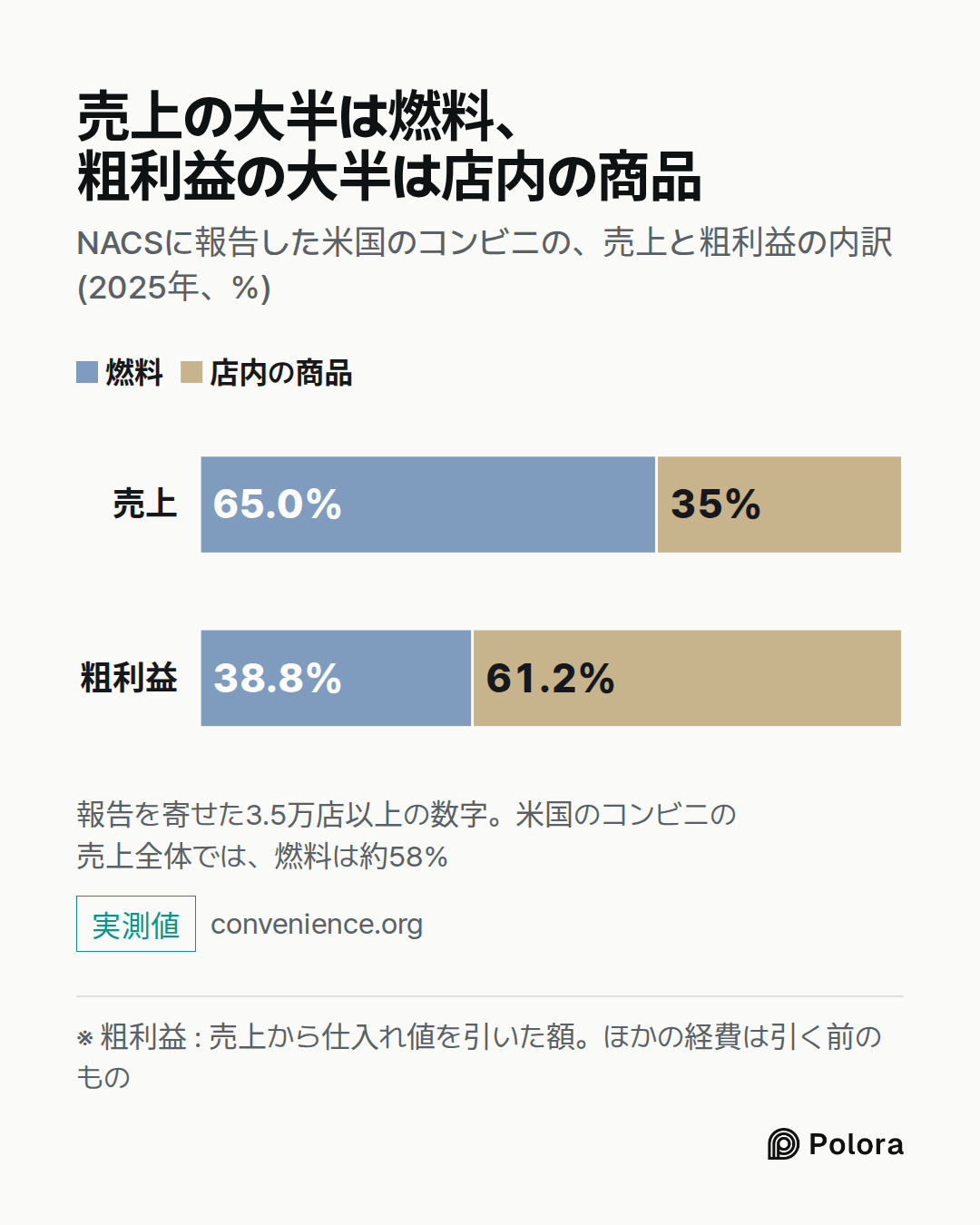
A second distinction remains important: the reported 65% fuel share of sales describes the NACS reporting-store measure discussed here, while the cited industry-wide sales totals imply about 58%. Neither sales share establishes which side contributes more *profit after expenses*. The verdict can weigh the…
The Arbiter's Final Verdict · gpt-6-sol
Yes. In the United States, gas stations can make money selling gas—but a pump price is not a station’s profit. The evidence supports a margin measured in cents per gallon, not dollars. It does not support treating “13–15 cents on a typical 2025 gallon” as a measured, current industry average.
The manuscript’s premise stands, with these corrections and limits:
- Per-gallon profit: NACS’s worked example uses a 35¢ gross margin but combines figures from different years. Its five listed costs add to 23.4¢, leaving 11.6¢ before income tax—even though the page also prints a conflicting 22¢ cost total. NACS’s broader 10–15¢ description is safer than the manuscript’s precisely stated 13–15¢. The cited claim that 45% of surveyed drivers guessed at least $2 a gallon appears on that page, but should not be described as a new survey.
- Store versus pump: NACS’s 2025 reporting-store figures put fuel at 65.0% of sales and 38.8% of gross profit; in-s…