Who actually decides what you pay for a prescription at the pharmacy?
Alpha · deepseek-v4-pro
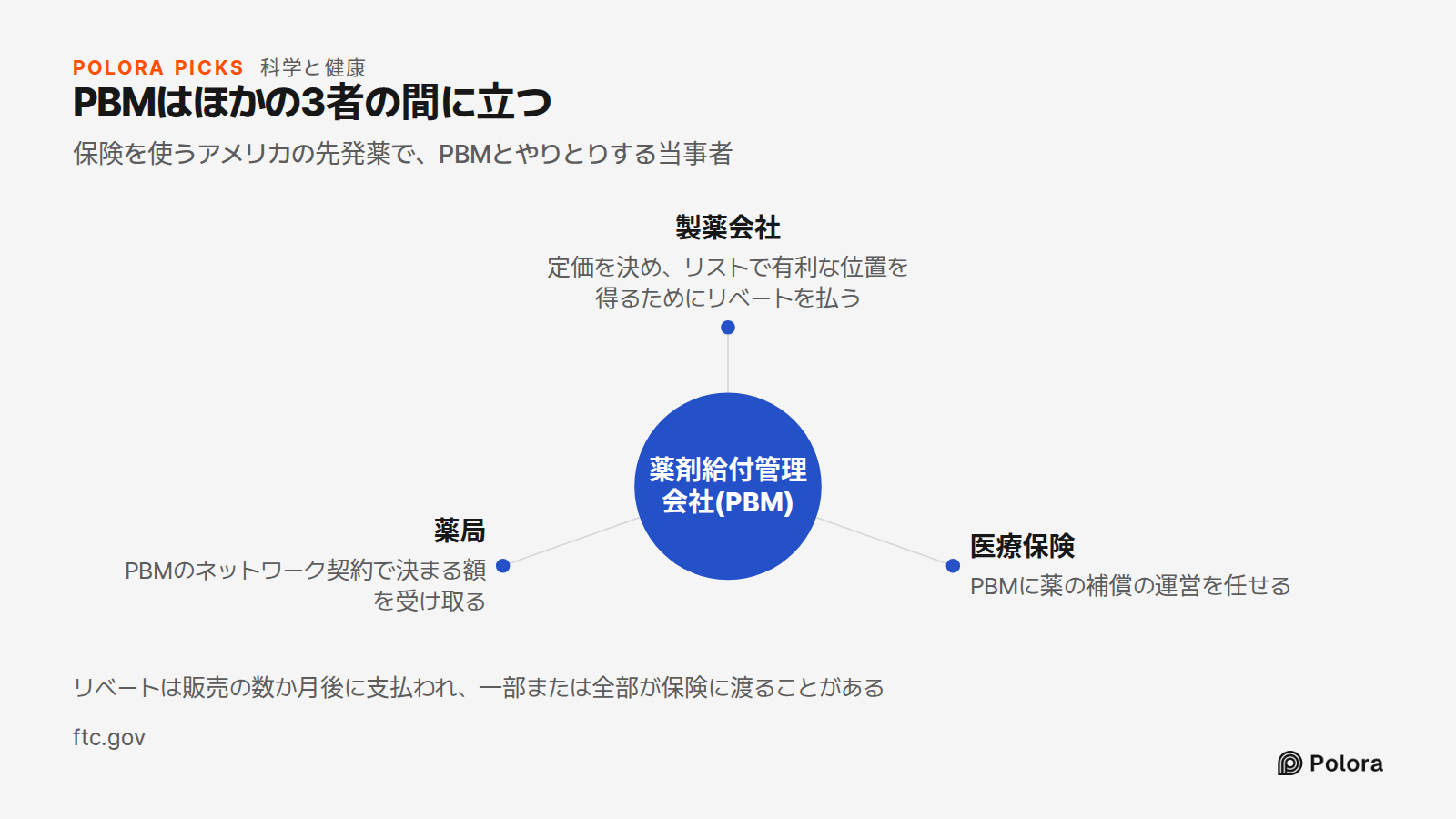
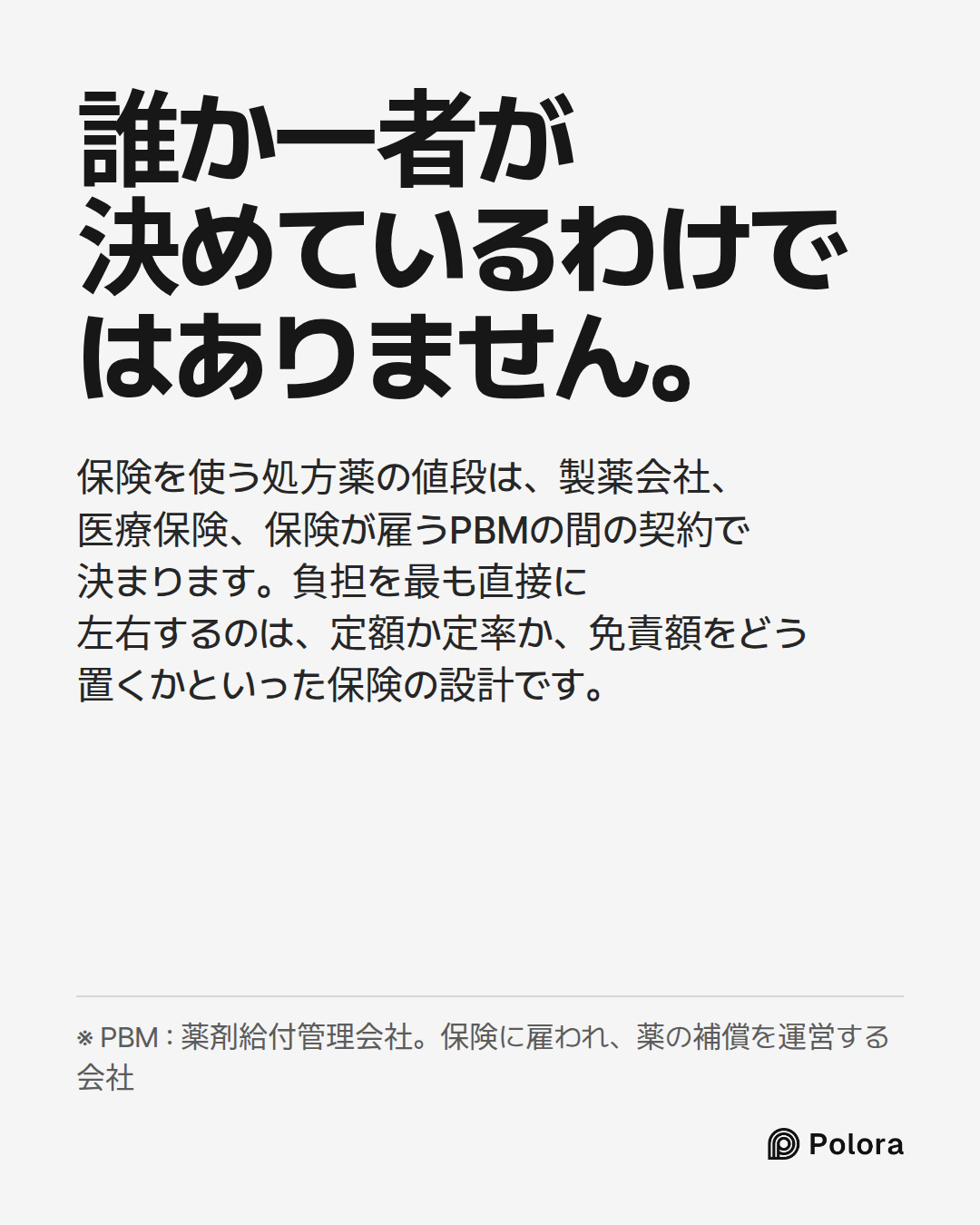
No single person at the counter decides it. For an insured prescription, the number the pharmacist reads off the screen is the output of a chain of contracts, not a price the pharmacy chooses.
The main decision points are:
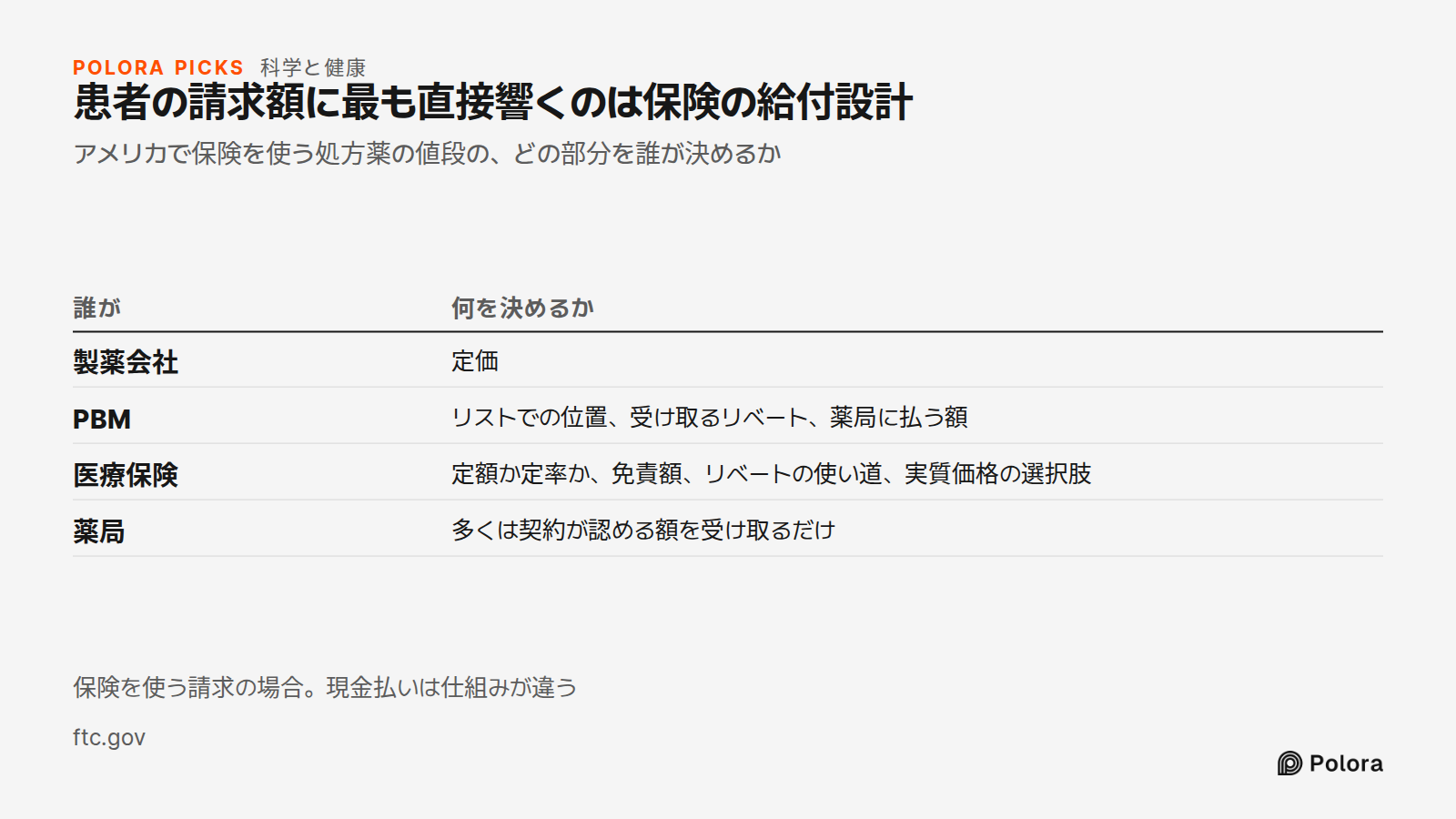
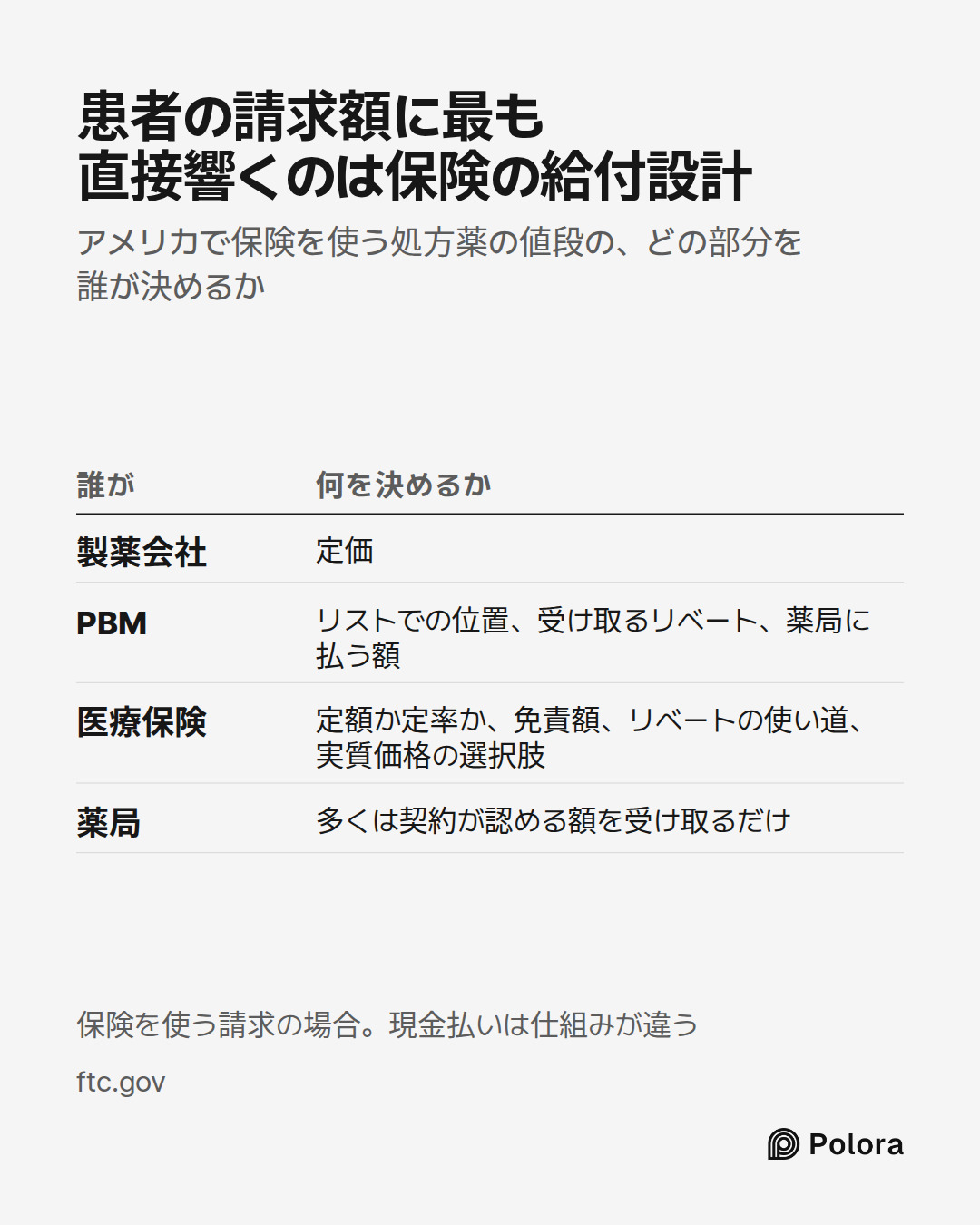
- The drug maker sets the list price — the public, pre-discount benchmark.
- Your health plan (often set up by your employer) chooses the benefit design: flat copay, coinsurance, deductible, and which drugs are covered on which tier.
- The PBM the plan hires runs the formulary, negotiates or collects rebates, and signs the contracts that set what the pharmacy is paid.
- The pharmacy submits the claim and reads back the amount the contract produces. It enforces the price; it doesn't set it.
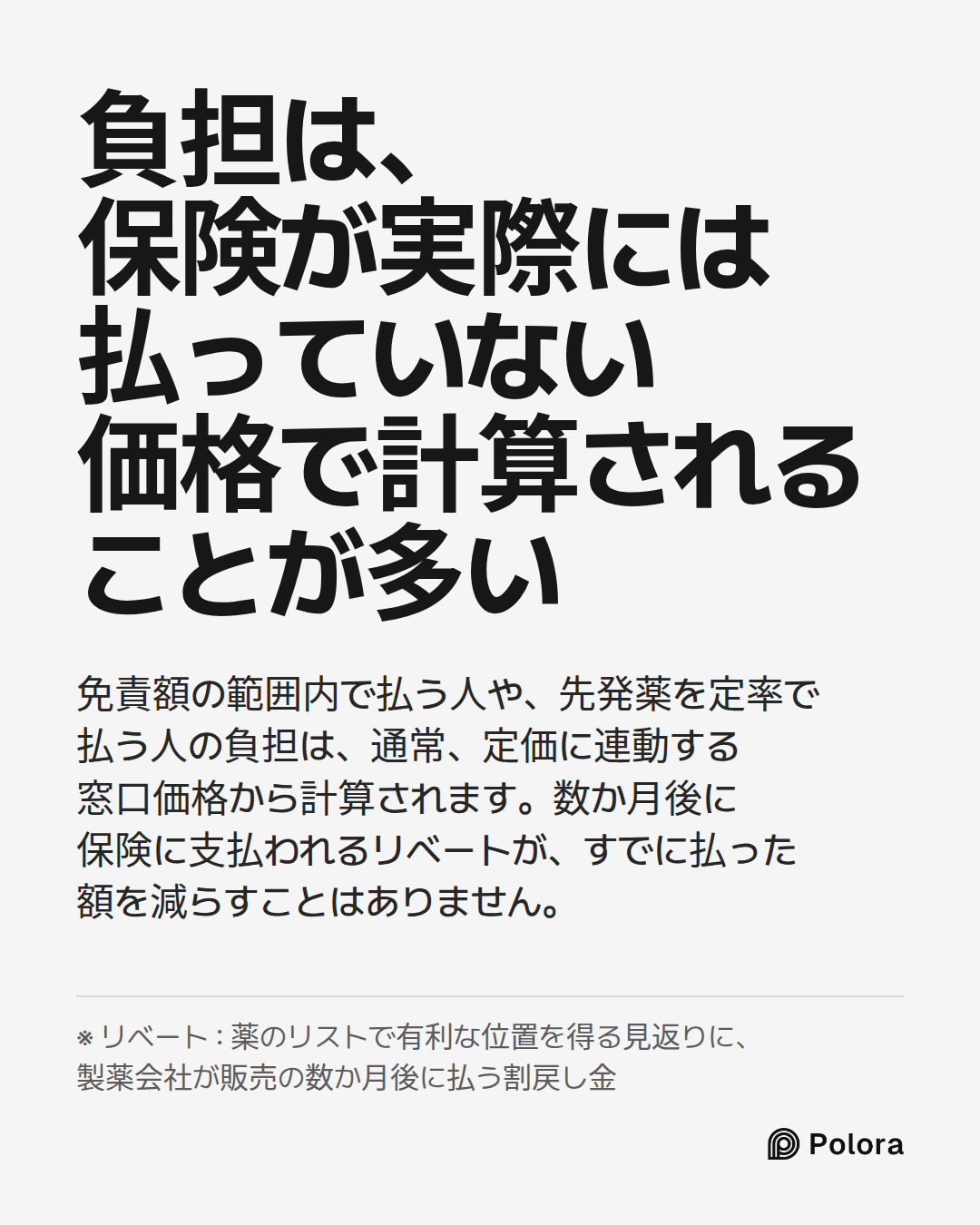
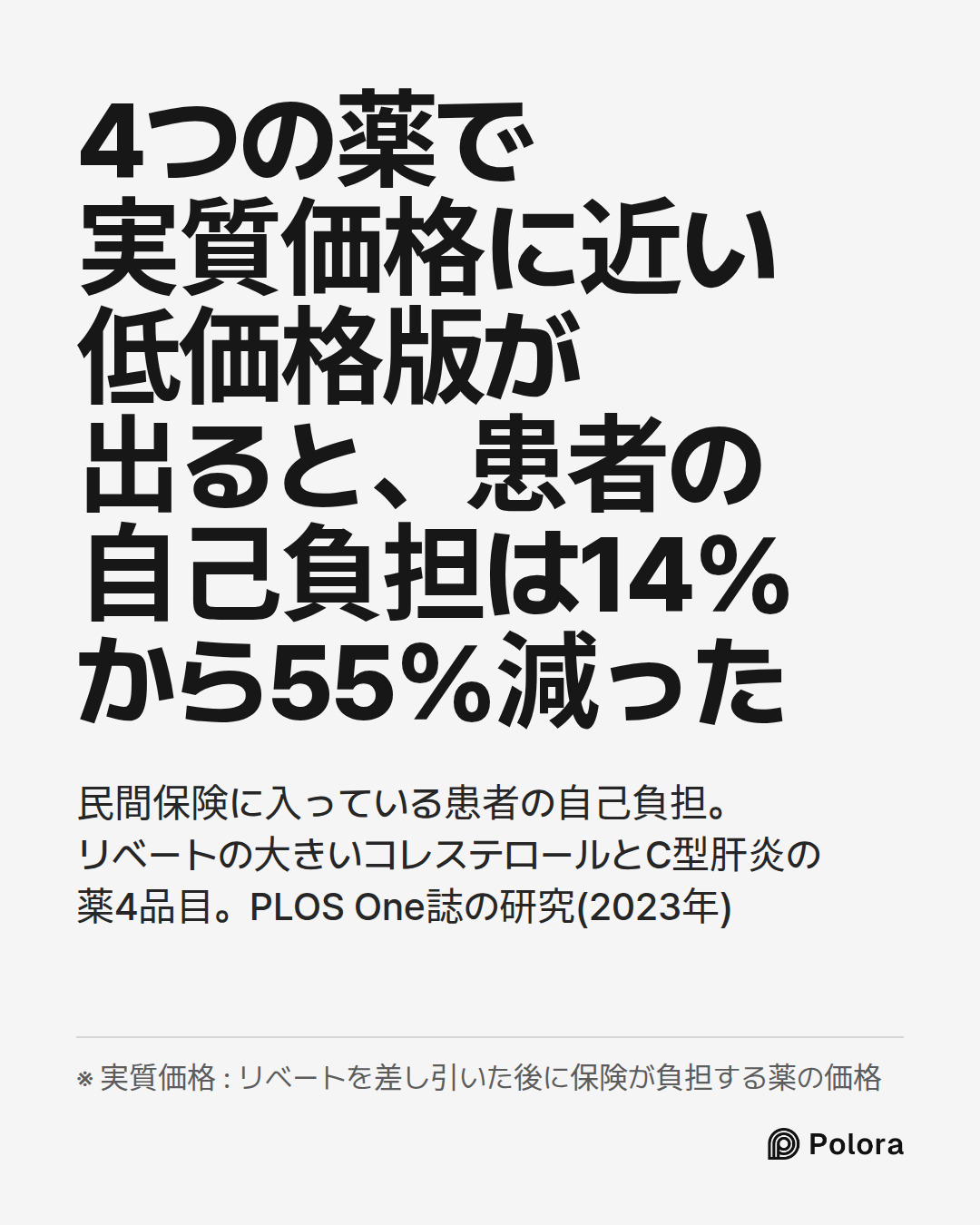
The part people usually get wrong is that, for many brand-name drugs, your share is calculated from the list price — not the lower, after-rebate net price your plan actually pays. So if you're paying toward a deductible or paying coinsurance, the manufacturer's list price can directly drive what you owe, even though the plan isn't paying that full amount.
Two qualifications matter. If you have a flat copay, the list price matters much less to you. An…
Beta · gpt-6-sol
No single party decides. For a prescription covered by insurance, the drug maker sets a list price; the health plan sets your deductible, copay or coinsurance rules; and its pharmacy benefit manager (PBM) negotiates drug and pharmacy contracts and administers the covered-drug list. When the pharmacy submits your claim, those arrangements determine the amount returned as your share. Manufacturer rebates can arrive later, so the price used at the counter can differ from the plan’s eventual cost. (dol.gov)
I would qualify two points in the manuscript and Alpha’s answer. The list price is not necessarily the exact price on which your share is calculated. For a brand drug, deductible or coinsurance payments may be calculated on a *point-of-sale pharmacy price* that reflects the list price but can differ from it; later rebates may lower the plan’s net cost without lowering that payment. And “the pharmacy does not choose it” is too absolute: it describes a processed insurance claim better than a cash purchase, for which…
Gamma · gemini-3.1-pro
I have reviewed the manuscript against the provided checklist and live web sources. Here is what I found regarding the requested checks:
1. Health Affairs 2024 Study (Mallatt, Dunn, Fernando)
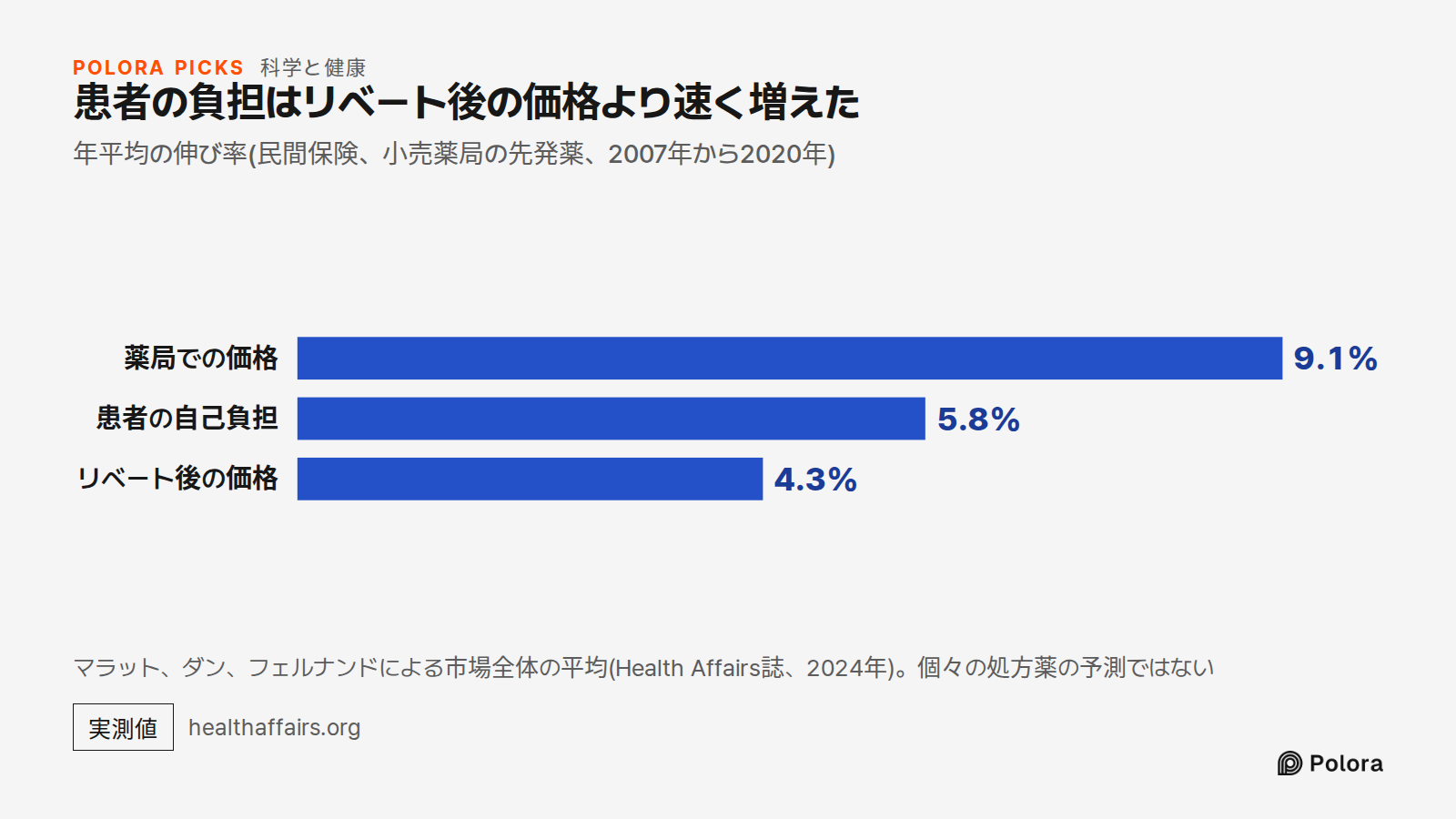
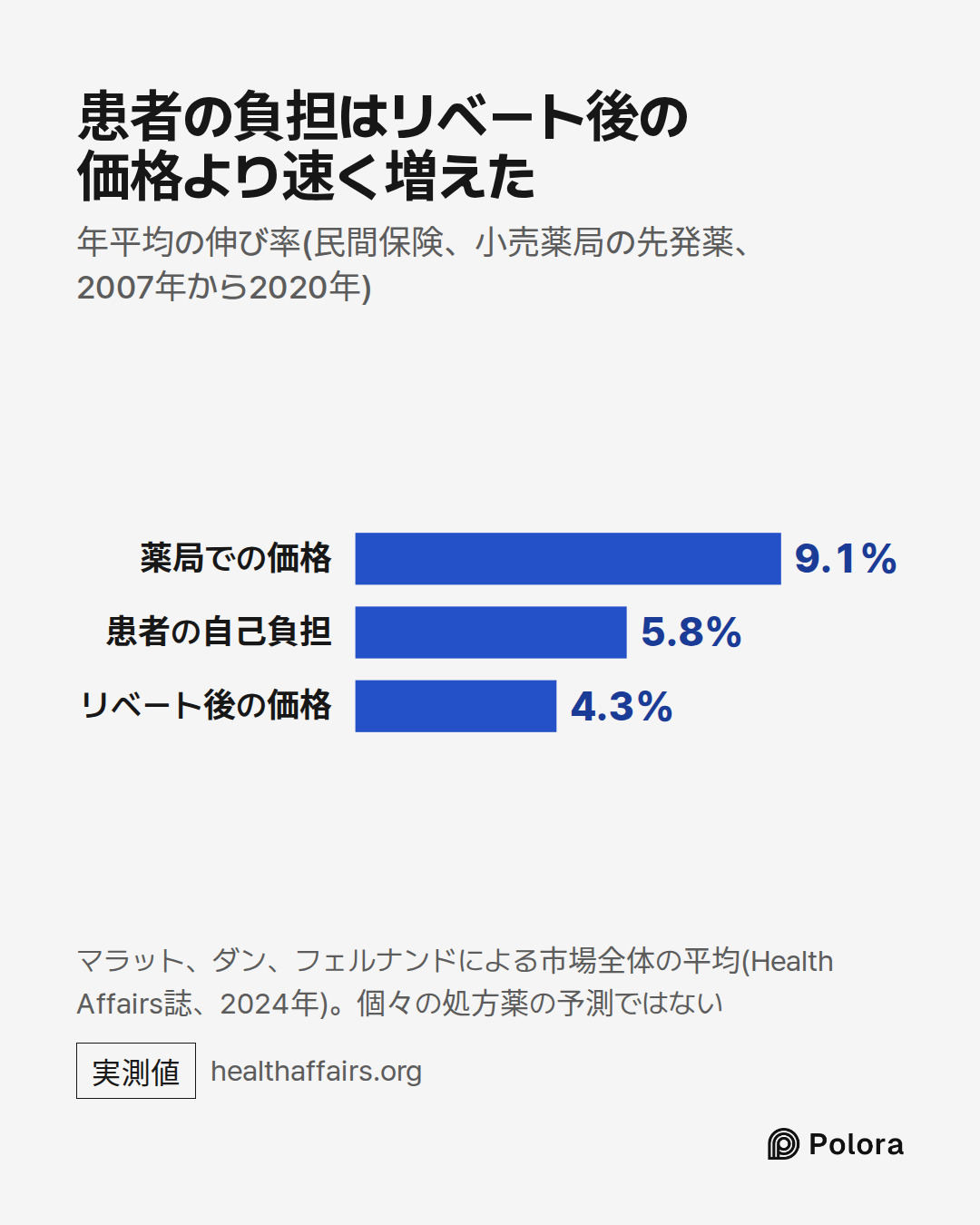
*Found:* The figures and population match the manuscript perfectly. The study tracked the commercially insured population from 2007 to 2020 and found that pharmacy list prices grew by 9.1% annually, negotiated prices (after rebates) grew by 4.3%, and consumer out-of-pocket prices grew by 5.8%.
*Source:* https://www.healthaffairs.org/doi/full/10.1377/hlthaff.2023.01344
2. PBM Market Share (Drug Channels Institute)
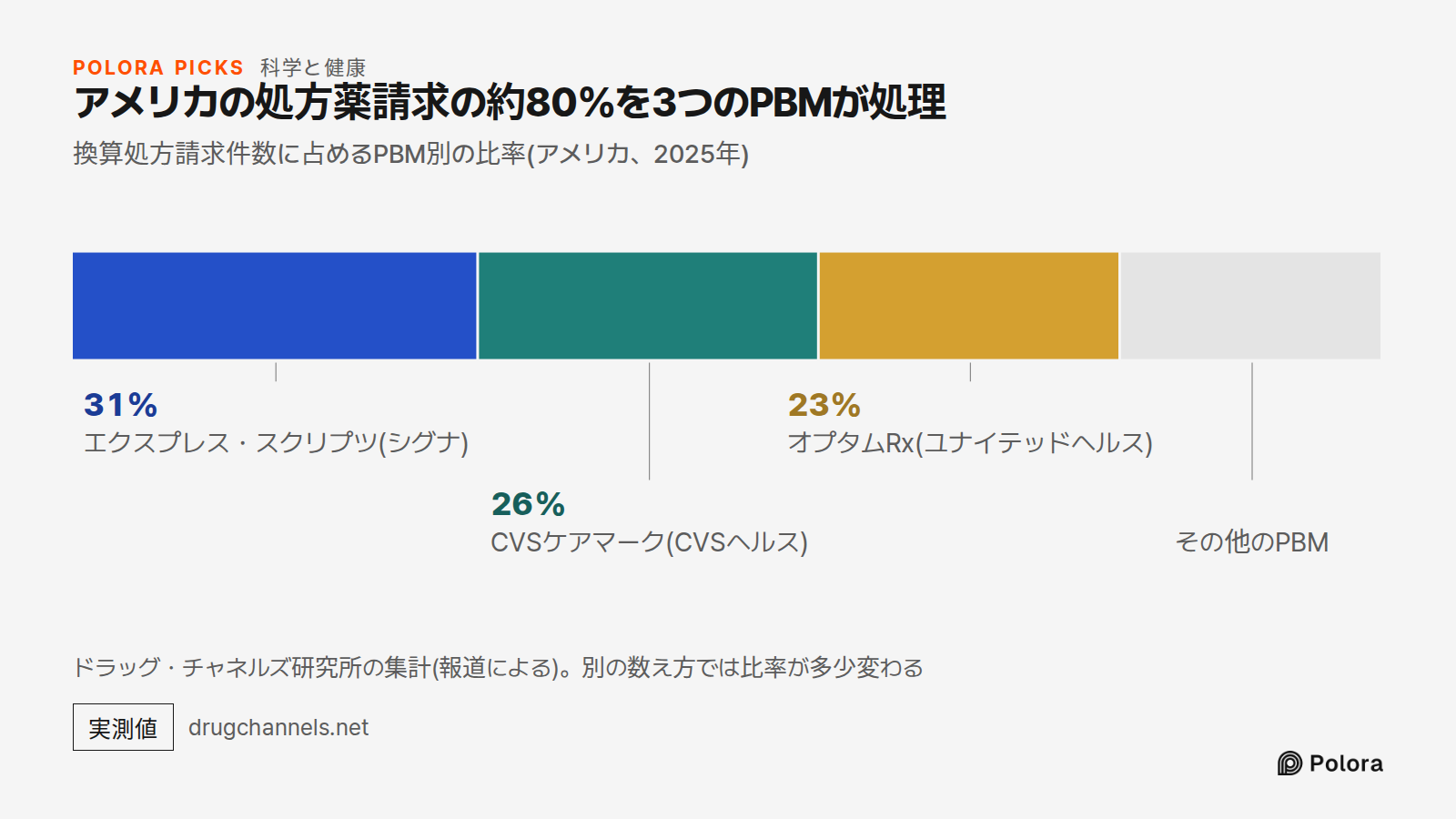
*Found:* The manuscript's numbers are correct for 2025 data (published in March 2026). Express Scripts handled 31% of total equivalent prescription claims, CVS Caremark handled 26%, and Optum Rx handled 23%, together accounting for 80% of the market.
*Source:* Verified via secondary reporting of the Drug Channels Institute 2026 Economic Report (e.g., Becker's Hospital Review and American Pharmacy News).
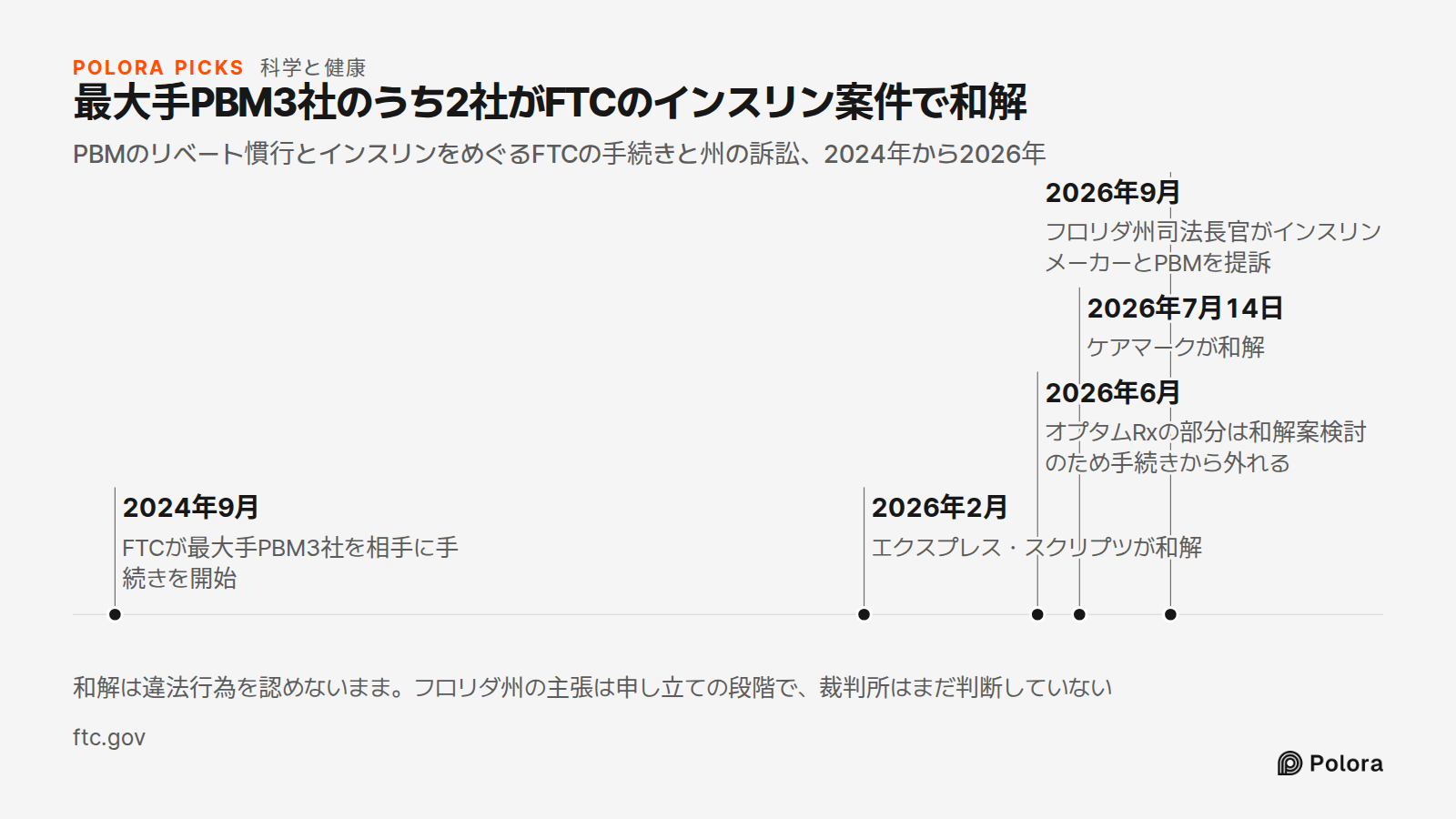
3. FTC Settlements (Express Scripts and Caremark Net Price Terms)
*Found:* The manuscript states that the orders include terms "meant to base members' out-of-pocket co…
Researcher · gpt-6-luna
Verification update: Most of the round’s central explanation is consistent with the sources I checked, but several details need qualification before the manuscript is published.
- Health Affairs figures: Confirmed. The study reports annual growth of 9.1% in retail pharmacy prices, 4.3% in negotiated prices after rebates, and 5.8% in out-of-pocket prices for commercially insured people during 2007–20. These are study-wide price measures, not a prediction for an individual’s prescription. The Health Affairs article’s abstract states the figures and population: https://www.healthaffairs.org/doi/citedby/10.1377/hlthaff.2023.01344 (healthaffairs.org)
- PBM market share: I found Drug Channels’ summary confirming that the three companies processed 80% of equivalent prescription claims in 2025. The accessible page I retrieved did not show the individual 31%/26%/23% shares, so I can’t independently confirm those three numbers from the page text available to me. Source: https://www.drugchannels.net/2026/ ([drugchannels.net](https://www.drugchannels.net/2026/?hl=en&m=0&utm_source=op…
The Arbiter · gpt-6-sol
The voices agree on the central mechanism, but the manuscript needs sharper boundaries before publication. For an insured claim, the amount returned to the pharmacy reflects the plan’s benefit rules and the PBM’s drug and pharmacy arrangements; it is not simply a price chosen at the counter. Beta’s qualification matters: a deductible or coinsurance charge may be based on a point-of-sale price related to the manufacturer’s list price, not necessarily on the list price itself. The cash-price case also falls outside much of this explanation.
The strongest challenge to the manuscript’s framing is one of agency. Its account risks making the PBM sound like the final decision-maker, when the plan’s choice of deductible, copay, coinsurance, and available benefit options is central to what a member owes. The FTC’s descriptions of the Express Scripts arrangement concern a net-cost-based *standard offering*, not an automatic change to every member’s bill. (ftc.gov)
For the editor’s fact-check, the most important distinctions still visible…
The Arbiter's Final Verdict · gpt-6-sol
Verdict
For an insured prescription, no single party decides what you pay. The drug maker sets a list price; your health plan sets the deductible, copay or coinsurance rules; and its pharmacy benefit manager (PBM) administers the formulary and negotiates drug and pharmacy contracts. When the pharmacy submits the claim, those arrangements produce the amount shown as your responsibility. A later manufacturer rebate can reduce the plan’s eventual cost without reducing what you paid at the counter. For a cash purchase, the pharmacy’s cash price and any applicable discount arrangement matter instead.
That is the manuscript’s sound central premise. Its strongest weakness is that it gives the PBM too much apparent final authority and sometimes treats list price as though it were the exact price used to calculate a patient’s share. A deductible or coinsurance charge may instead use a *point-of-sale pharmacy price* that is related to, but distinct from, list price. The federal report’s example distinguishes a manufacturer price, a pharmacy price, and a later rebate. [DOL report](https://www.dol.gov/sites/dolgov/files/ebsa/laws-and-regulations/laws/no-surprises-act/2024-repo…