I've checked two of the manuscript's weaker spots directly. Here's my assessment as debater number one.
The core premise stands, and stands well. The manuscript's central claim — that in most countries a bottling partner, not Coca-Cola itself, makes the physical drink, and that Coca-Cola's structurally higher-margin business is concentrate — is well-grounded and matches everything in the public record. No one in this debate should contest that framing.
What I verified and confirmed:
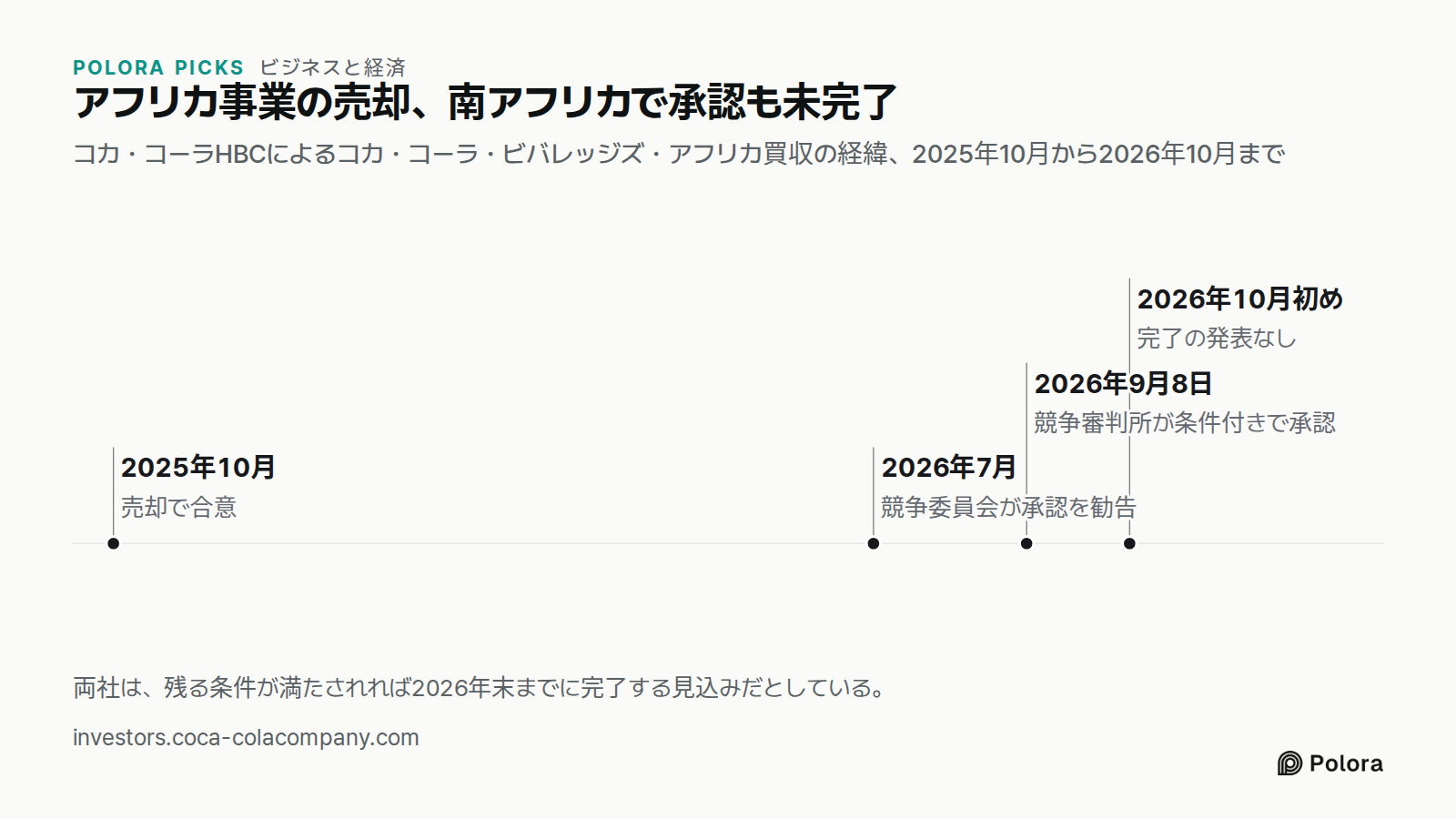
1. CCBA/HBC deal status. The manuscript's account checks out precisely. South Africa's Competition Tribunal approved the transaction on 11 September 2026, subject to conditions dealing with public-interest issues. And as of the most recent reporting, the transaction is still subject to the remaining regulatory requirements, with completion targeted for the end of 2026. So the manuscript's "not yet closed as of early October 2026" is accurate and current. One nuance the manuscript doesn't mention: this isn't just a South African approval story — completion is subject to regulatory and antitrust approvals from authorities including the Competition Commission of South Africa, COMESA, and nat…
Beta · gpt-6-sol
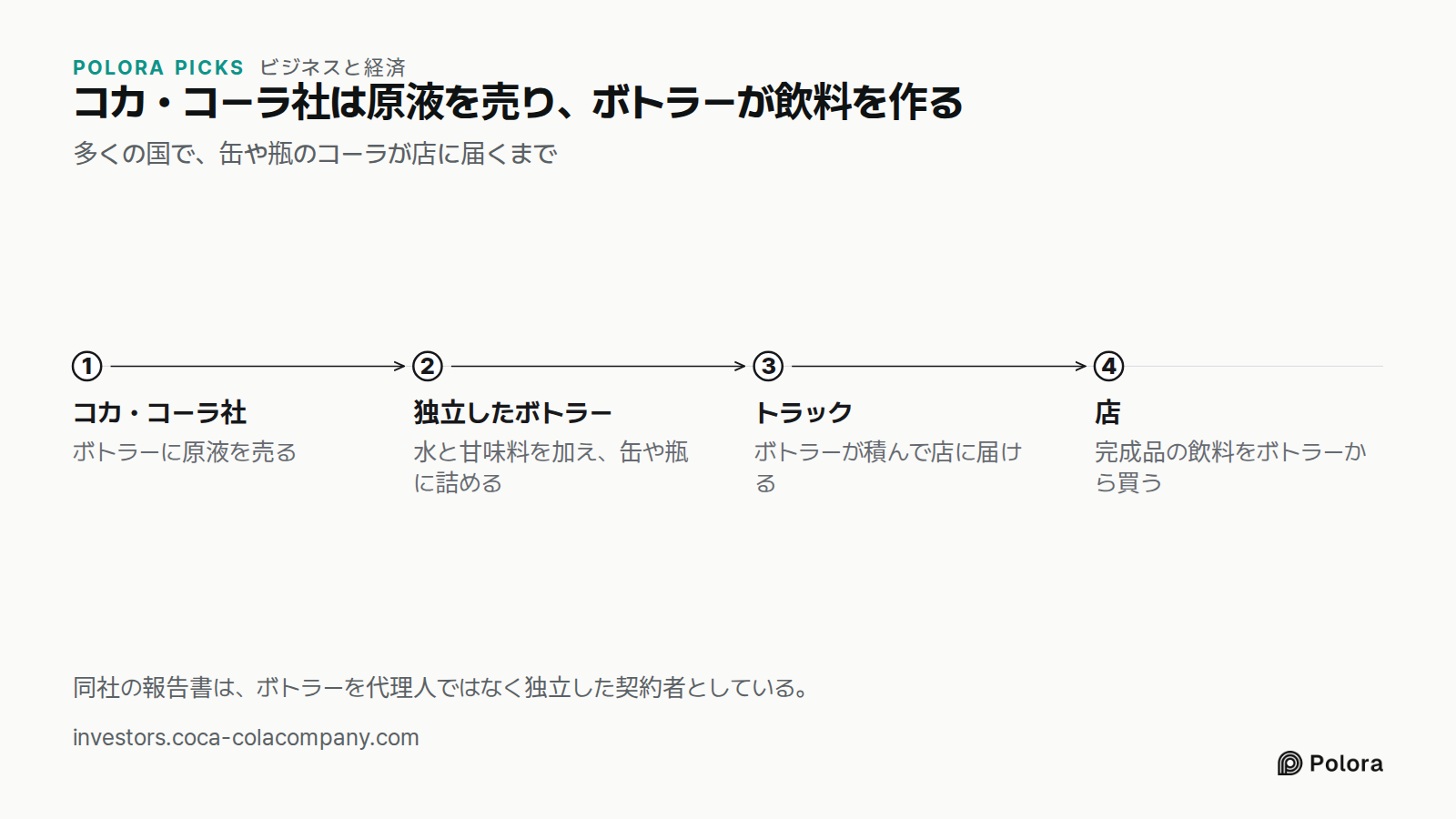
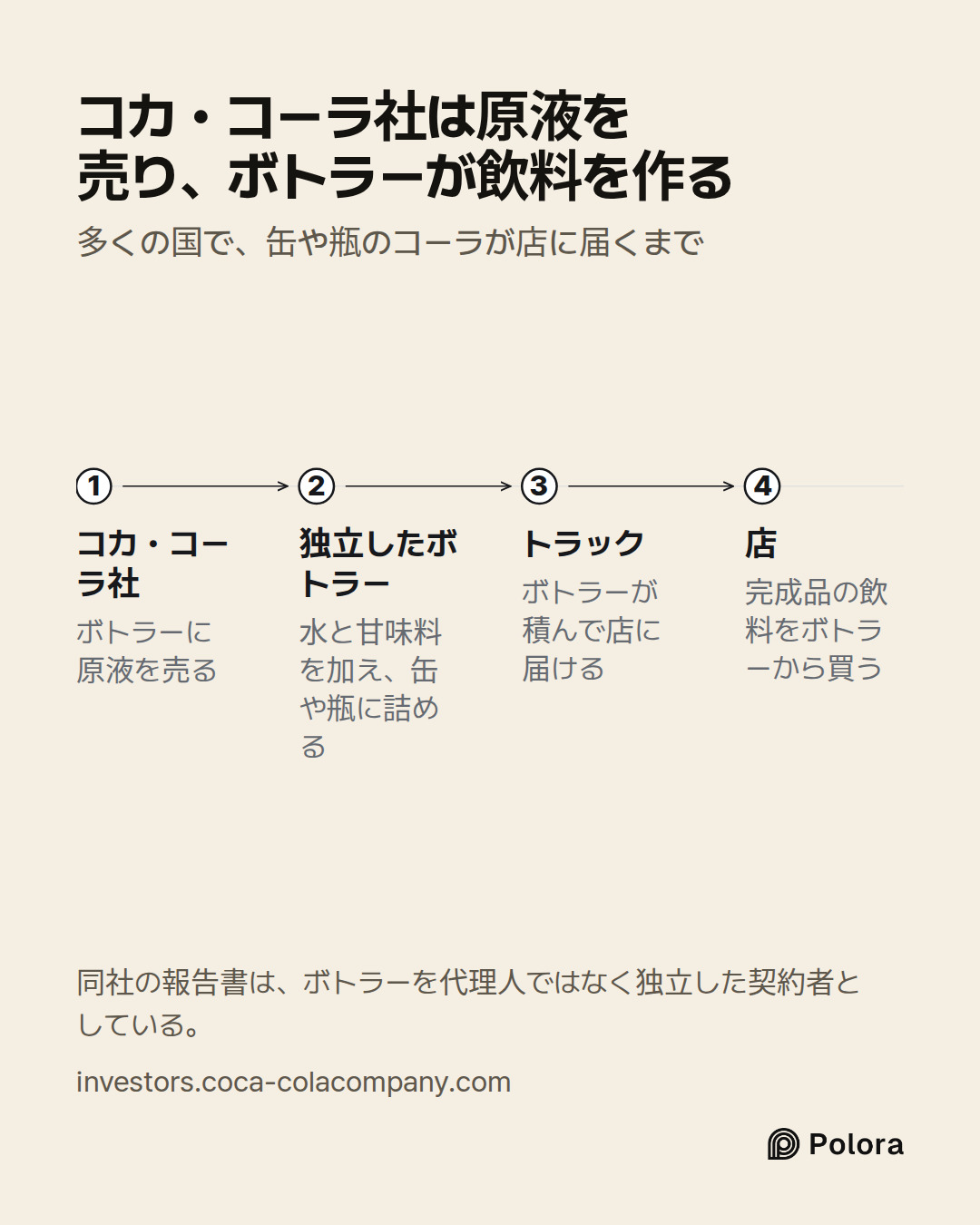
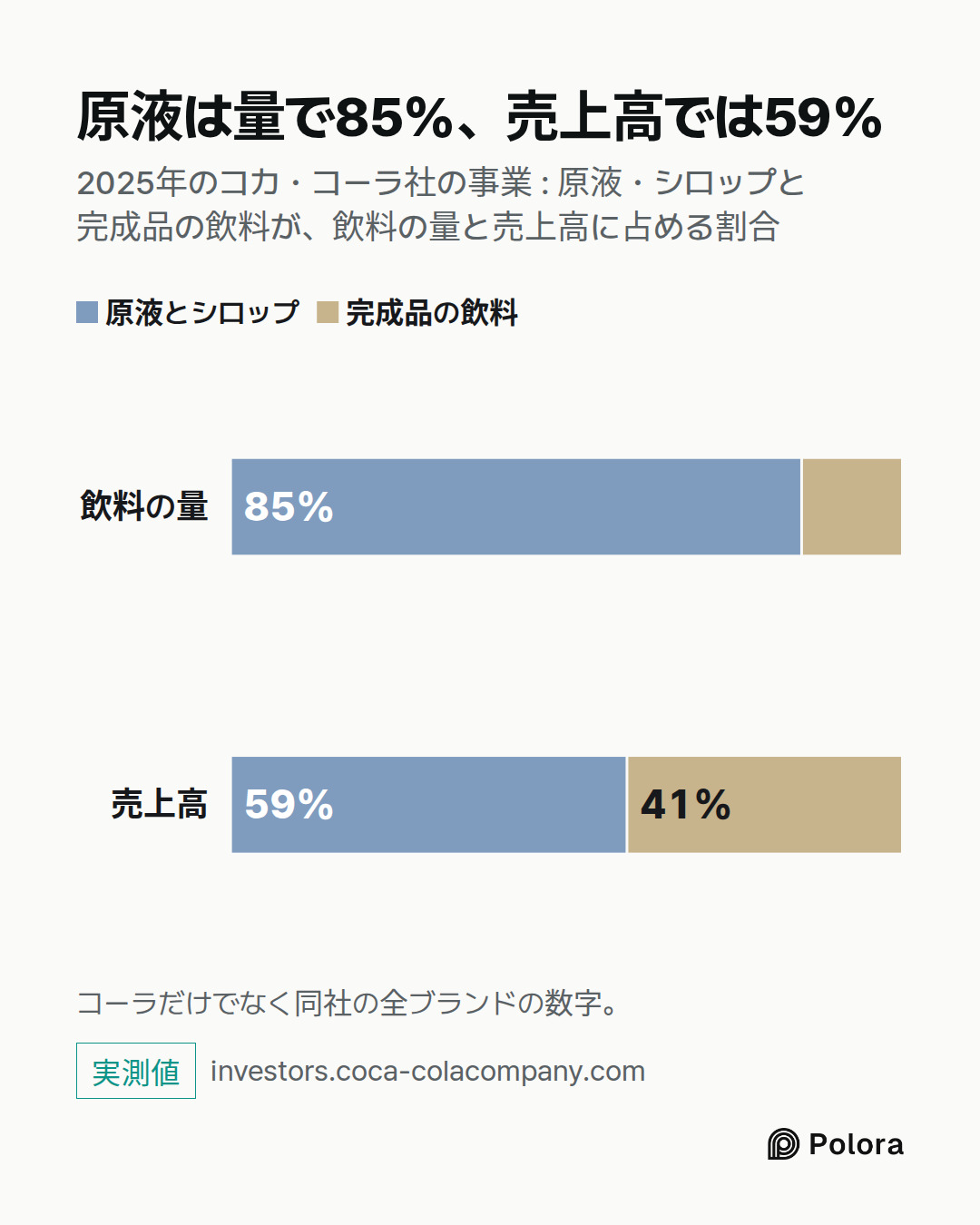
Usually, Coca-Cola makes the concentrate, not the finished can or bottle. A bottling company generally combines it with water and, where needed, sweetener, then packages and distributes the drink. That is a sound answer to the reader’s question—but the manuscript sometimes treats figures for *all Coca-Cola Company beverages* as though they measure Coke specifically. The 2025 filing does not provide a Coke-only version of its 85% figure. (investors.coca-colacompany.com)
My checks against the editor’s claims:
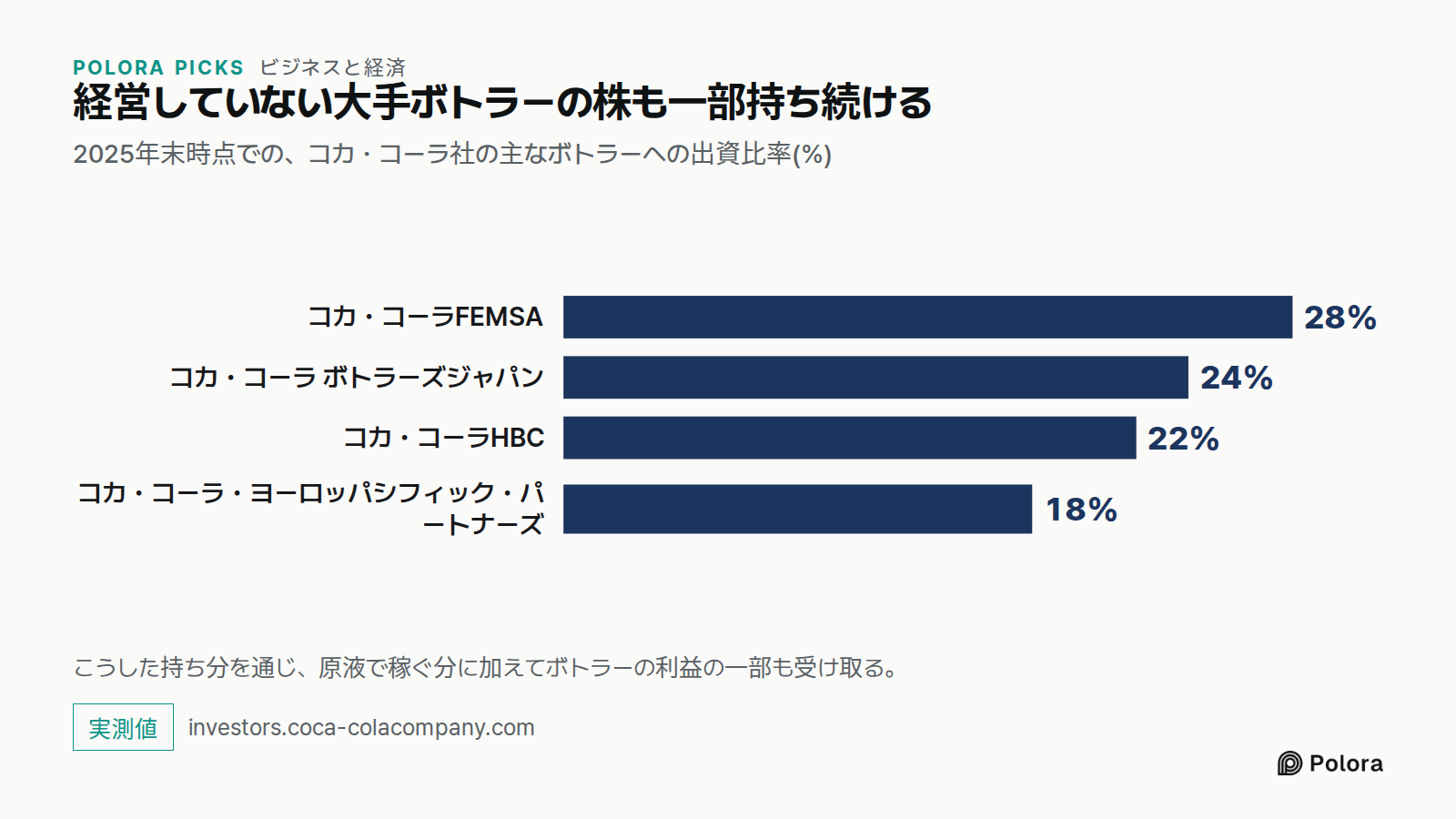
- Who makes it, and where: The 2025 Form 10-K supports the account of independently contracted bottlers, defined territories and approved containers. Its territory descriptions support the shortened FEMSA, Europacific Partners and HBC examples; those three plus Arca Continental and Swire represented 44% of worldwide unit-case volume across the company’s products, not 44% of Coke alone. The filing also supports the qualification that some Coca-Cola-owned operations make finished drinks. ([investors.coca-colacompany.com](https://investors.coca-colaco…
Gamma · gemini-3.1-pro
The core premise of the manuscript holds up perfectly: The Coca-Cola Company is fundamentally a concentrate and brand-licensing business, while a vast network of independent (or partially owned) bottlers handles the heavy, capital-intensive work of mixing, packaging, and distributing the finished drinks.
Building on what Alpha and Beta have already verified, here is what I found regarding the remaining claims:
1. PepsiCo’s contrasting model: The manuscript correctly notes that PepsiCo chose a different path. PepsiCo’s filings (such as its annual 10-K reports) confirm that its PepsiCo Beverages North America (PBNA) division operates a vertically integrated model, meaning it manufactures, bottles, and distributes the vast majority of its own beverages in the US and Canada. The reference to the Elliott Management letter pushing PepsiCo to evaluate refranchising "as its closest peer has" accurately reflects the ongoing structural debate in the beverage industry.
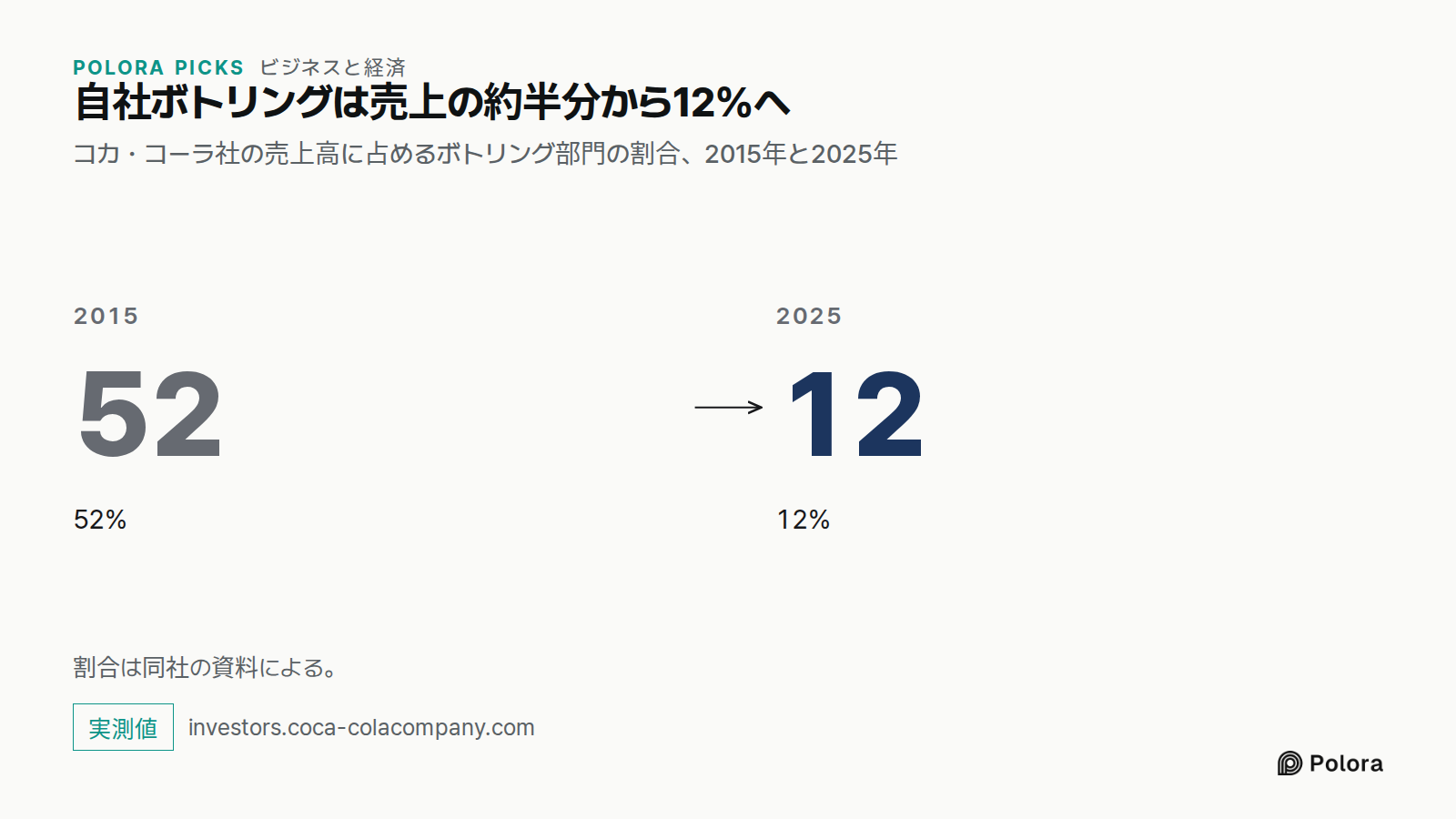
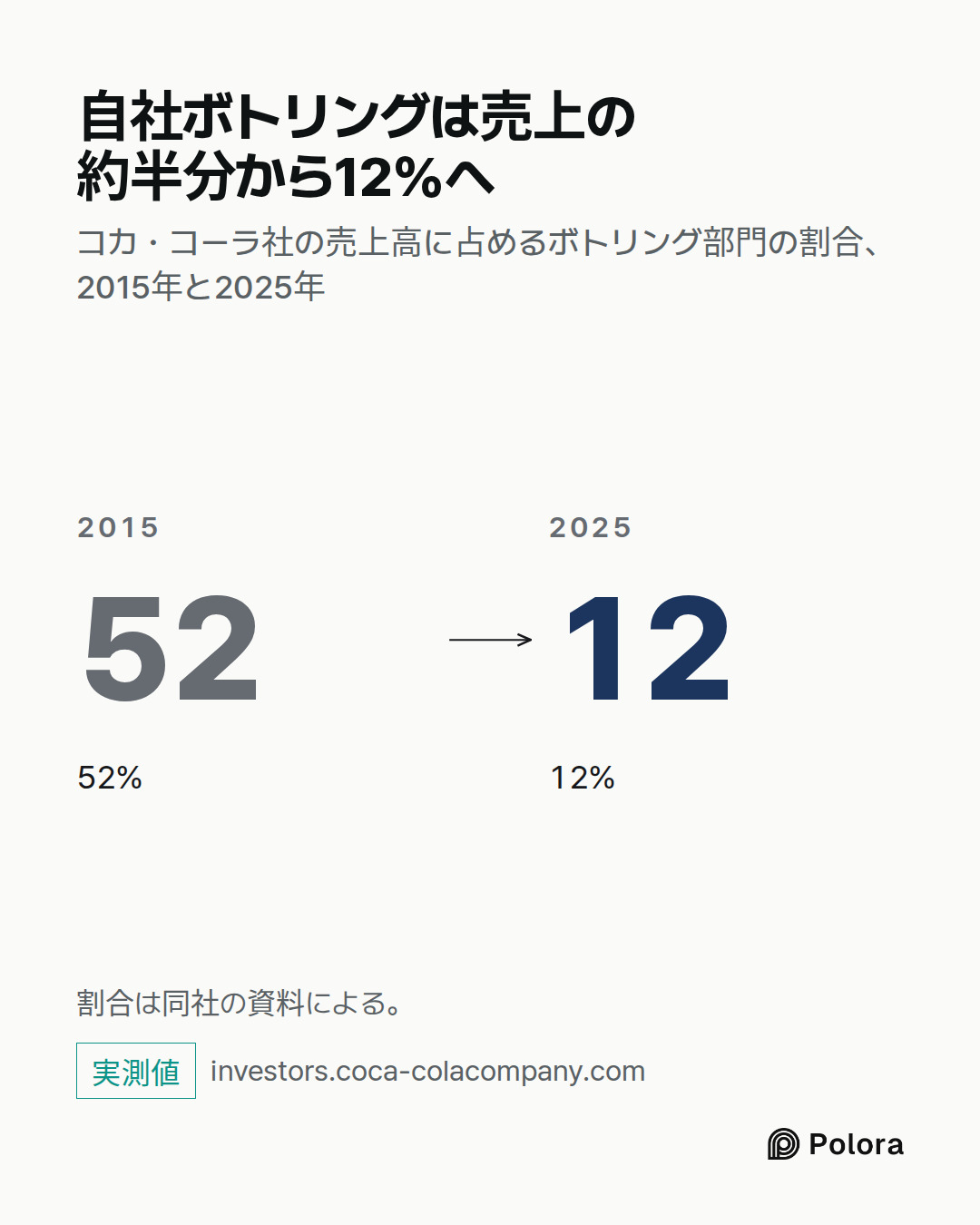
2. The 2015 revenue comparison: The claim that the Bottling Investments Group (BIG) accounted for about 52% of the company's net revenues in 2015 is accurate. This figure vividly illustrates the massive shift in Co…
Researcher · gemini-3-7-flash
Ground Truth Verification
Below is the verified evidence for each claim and check requested by the manuscript:
---
1. Bottler Concentration and Territories
* Claim: The top five bottlers (FEMSA, Europacific Partners, HBC, Arca Continental, Swire) handled 44% of worldwide unit case volume in 2025.
* Finding: Verified. The Coca-Cola Company's 2025 Form 10-K (Item 1, *Distribution System*) lists these five bottlers and confirms they accounted for 44% of worldwide unit case volume across company brands in 2025.
* Source: The Coca-Cola Company 2025 Form 10-K
---
2. Volume vs. Revenue Split (Concentrate vs. Finished Product)
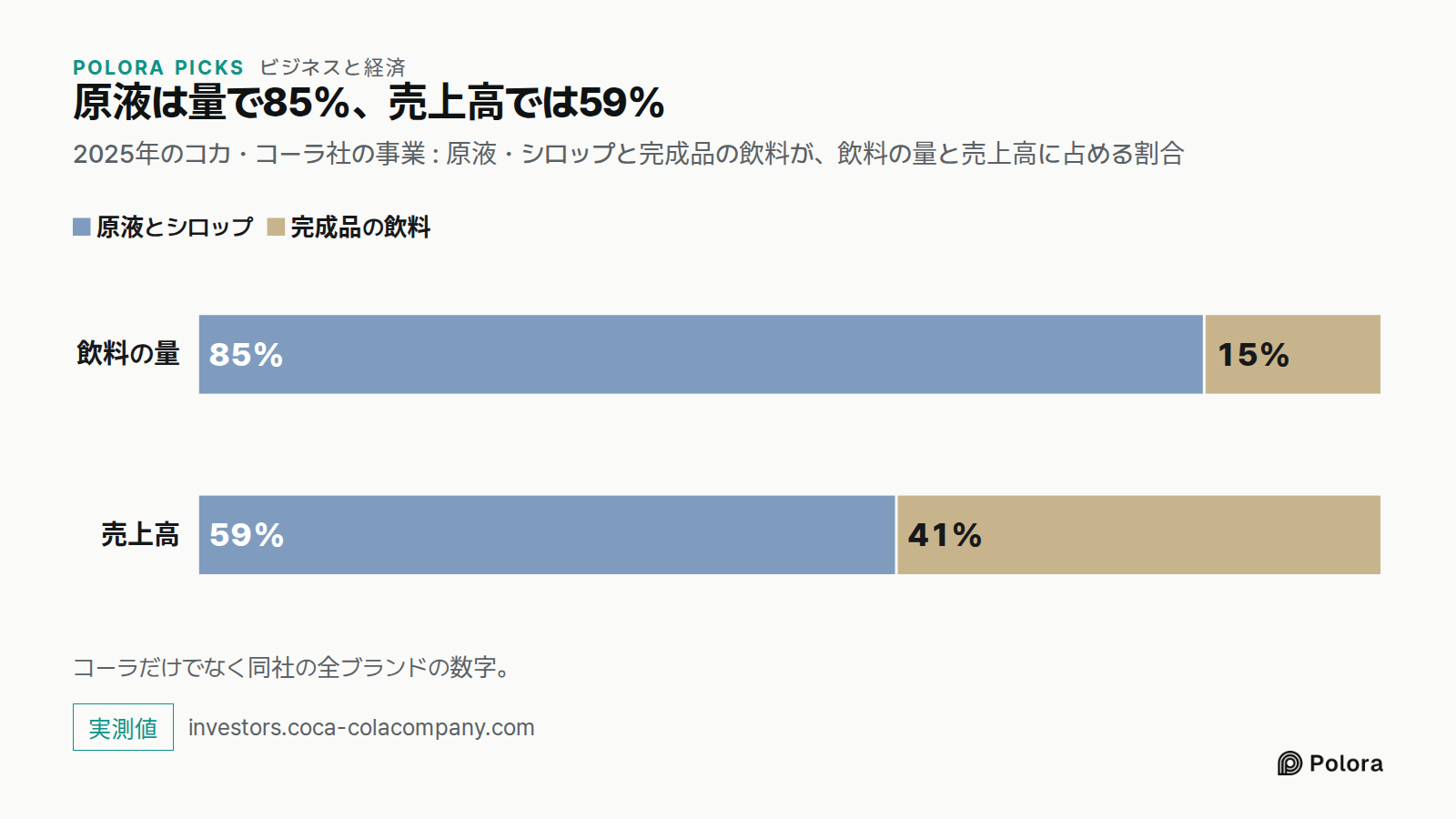
* Claim: Concentrate operations accounted for 85% of volume and 59% of net operating revenues, while finished products accounted for 15% of volume and 41% of revenue.
* Finding: Verified. The 2025 10-K (*Item 7, Our Business: General*) explicitly breaks down:
* Concentrate operations: 85% of unit case volume, 59% of net operating revenue.
* Finished product operations: 15% of unit case volume, 41%…
The Arbiter · gpt-6-sol
Round record: Alpha, Beta, Gamma and the Researcher agree on the central answer: Coca-Cola usually supplies concentrate, while a bottler mixes, packages and distributes the finished canned or bottled drink. The company’s 2025 filing describes those bottlers as independent contractors, though Coca-Cola also owns some bottling operations and stakes in other bottlers. The premise therefore stands for who makes the finished drink, not for who makes every ingredient in it. (investors.coca-colacompany.com)
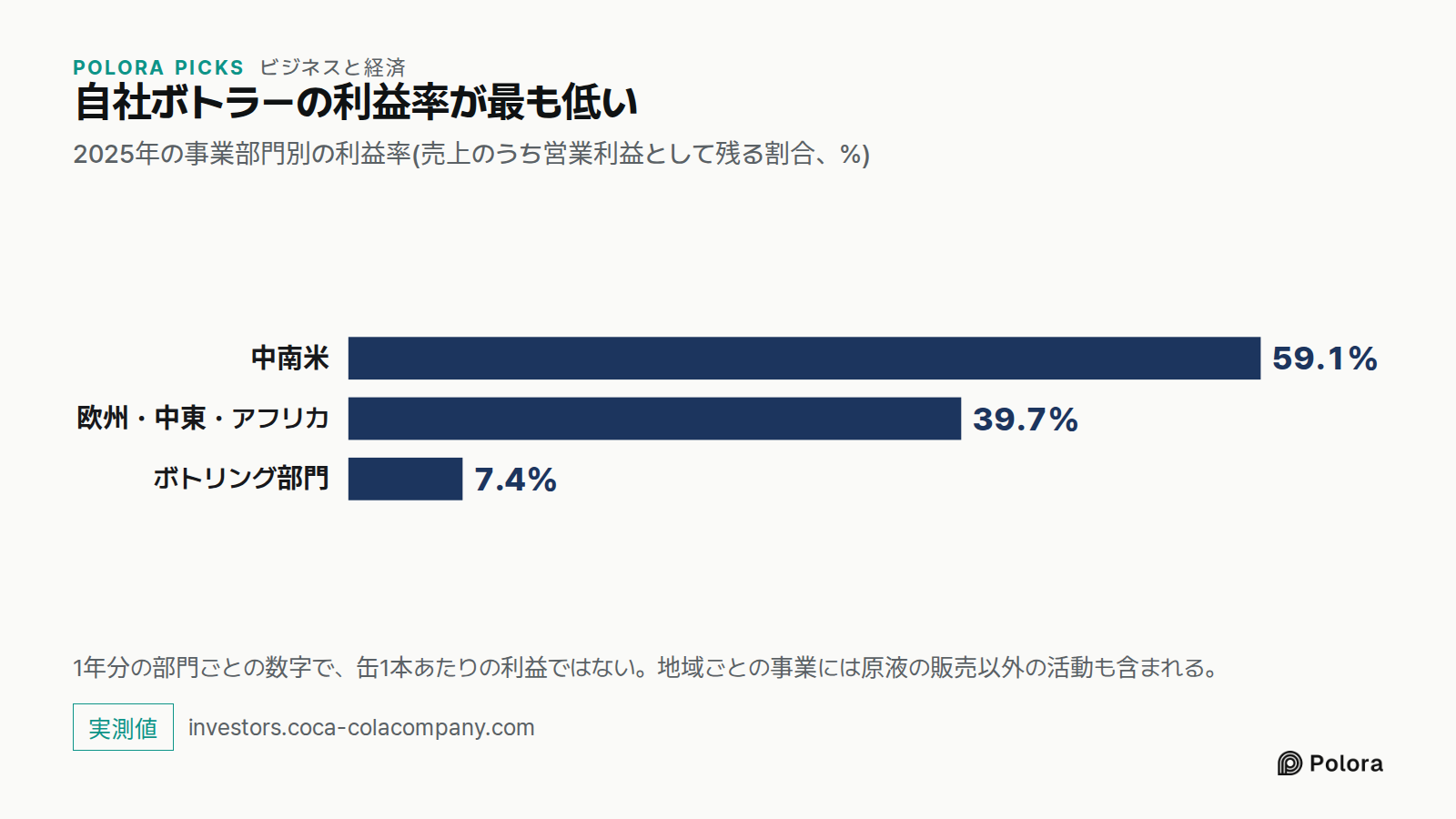
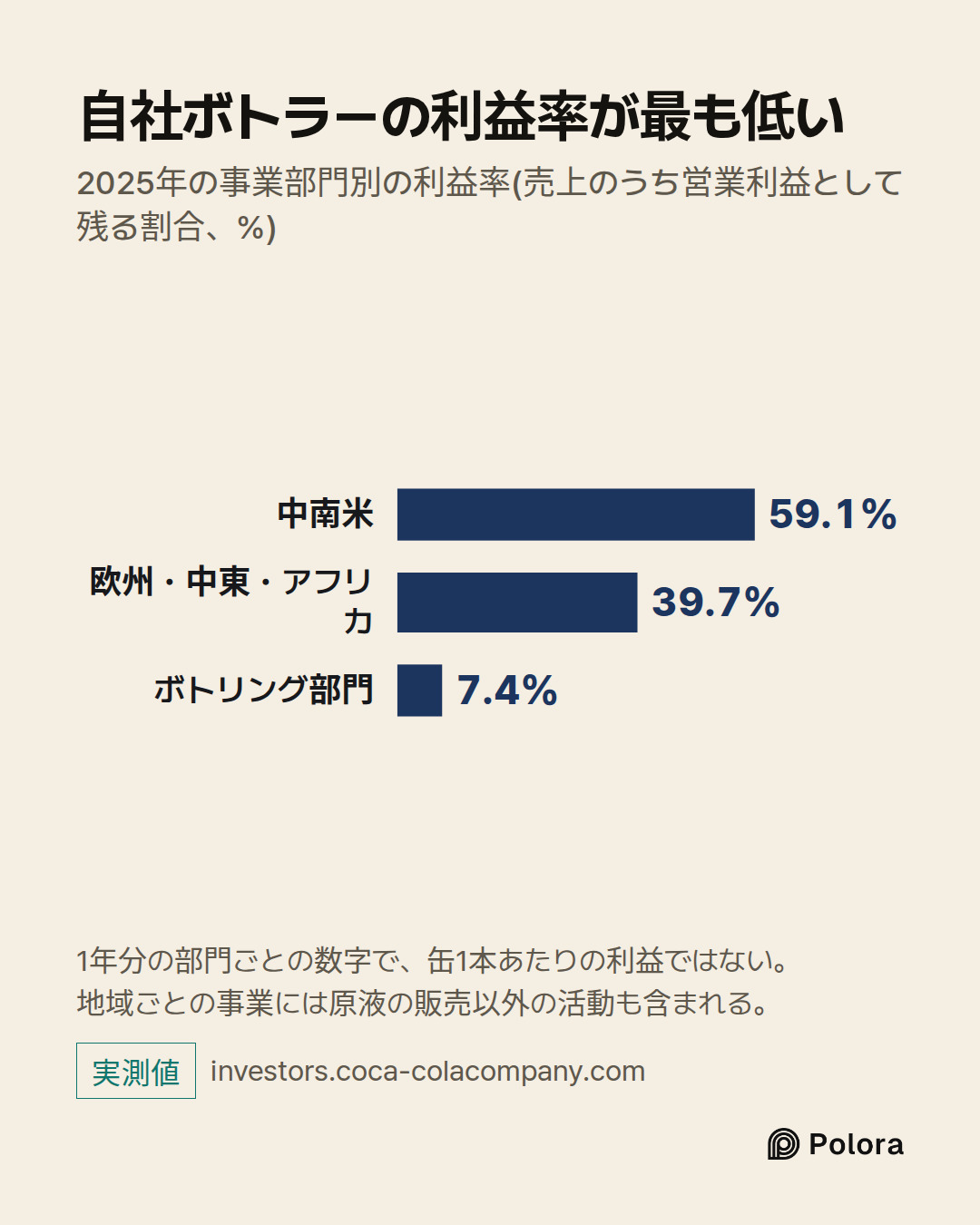
The Researcher confirmed the manuscript’s principal company-wide figures: five named bottlers handled 44% of worldwide unit-case volume; concentrate operations represented 85% of volume and 59% of revenue; Bottling Investments recorded $5.735 billion in revenue and a 7.4% operating margin, versus 59.1% for Latin America and 39.7% for EMEA. Beta’s essential qualification is that these are figures for Coca-Cola’s *whole beverage portfolio*, not Coke alone, and the segment margins are not a calculation of profit on an ind…
The Arbiter's Final Verdict · gpt-6-sol
Usually, Coca-Cola makes the concentrate, but another company makes the finished Coke you drink. An authorized bottler typically adds water and sweetener, fills the can or bottle, and distributes it. The Coca-Cola Company owns the brand and formula and supplies the concentrate; it also owns some bottling operations and stakes in others.
That makes the answer depend on what you mean by *make*. If you mean “who makes the finished drink in this can?”, it is usually a bottler rather than The Coca-Cola Company. If you mean “who makes the ingredient that gives it its identity?”, Coca-Cola does. Its 2025 annual filing supports that distinction, although its volume figures cover all Coca-Cola Company beverages, not Coke alone. So “usually not” is a sound answer for a packaged Coke—not an absolute rule for every drink or every country.