Why is your next laptop or phone more expensive because of AI?
Alpha · claude-sonnet-5
Good — I've spent my search budget on the three load-bearing claims. Here's what checks out, what needs correction, and where the argument is weakest.
The premise holds. The core mechanism — a tiny oligopoly reallocating shared wafer capacity from ordinary DRAM to AI memory — is real and well sourced. I'd push back on only one thing: the manuscript treats this as a clean, stable story, when the sourcing itself shows the numbers are moving fast and inconsistently across trackers. That matters for how confidently a reader should take any single percentage.
Micron's quarter — confirmed as written, with a nuance. The SEC filing and multiple outlets confirm revenue of $54.23 billion for fiscal Q4 2026 against $133.19 billion in revenue for fiscal 2026, up from $37.38 billion a year earlier. The quarter-over-quarter figure matches: revenue for the fourth quarter of fiscal 2026, covering June through August, came to $54.23 billion... nearly five times the figure from a year earlier and marks the company's highest quarterly revenue on record. The manuscript's "4.8 times" is right if compared to the *same quarter* a year earlier ($11.32B → $54.23B), which multiple outlets corrobor…
Beta · gpt-6-sol
The premise stands, but the manuscript makes the mechanism too absolute. AI demand is competing with PCs and phones for DRAM production capacity; HBM’s unusually heavy use of that capacity helps tighten ordinary-memory supply. It does not follow that every wafer could simply be switched between products, that HBM is always the most profitable use of a wafer, or that every device’s price increase can be attributed to HBM alone.
Here is my claim-by-claim check, as of October 2, 2026:
| Manuscript claim | Finding and conditions |
|---|---|
| Micron reported $54.23 billion on September 30, about 4.8 times a year earlier. | Supported. Micron reports $54.229 billion for fiscal Q4 2026 versus $11.315 billion in *the comparable quarter* of 2025—not versus its entire previous fiscal year. The quarter ended September 3. (investors.micron.com) |
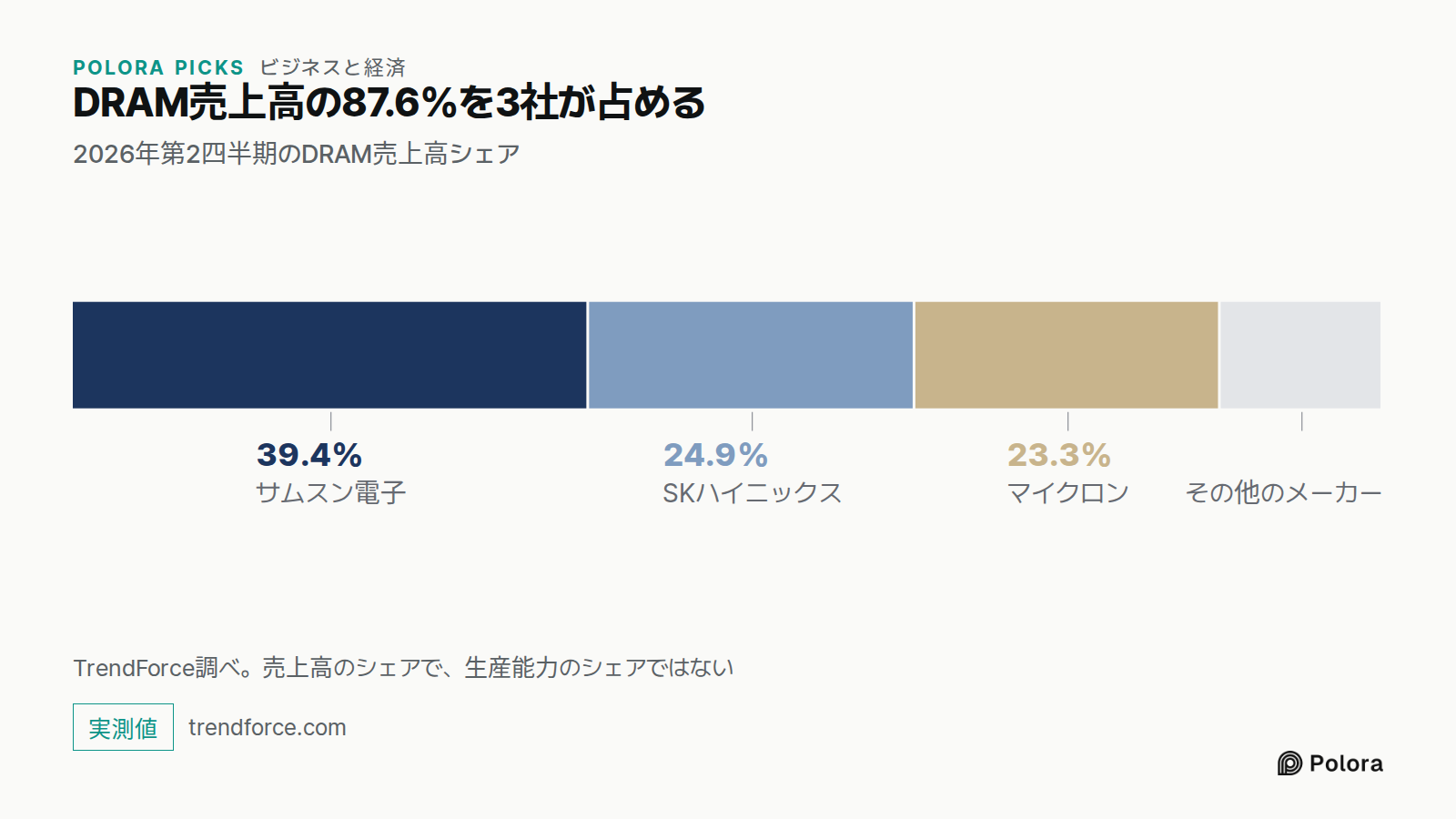
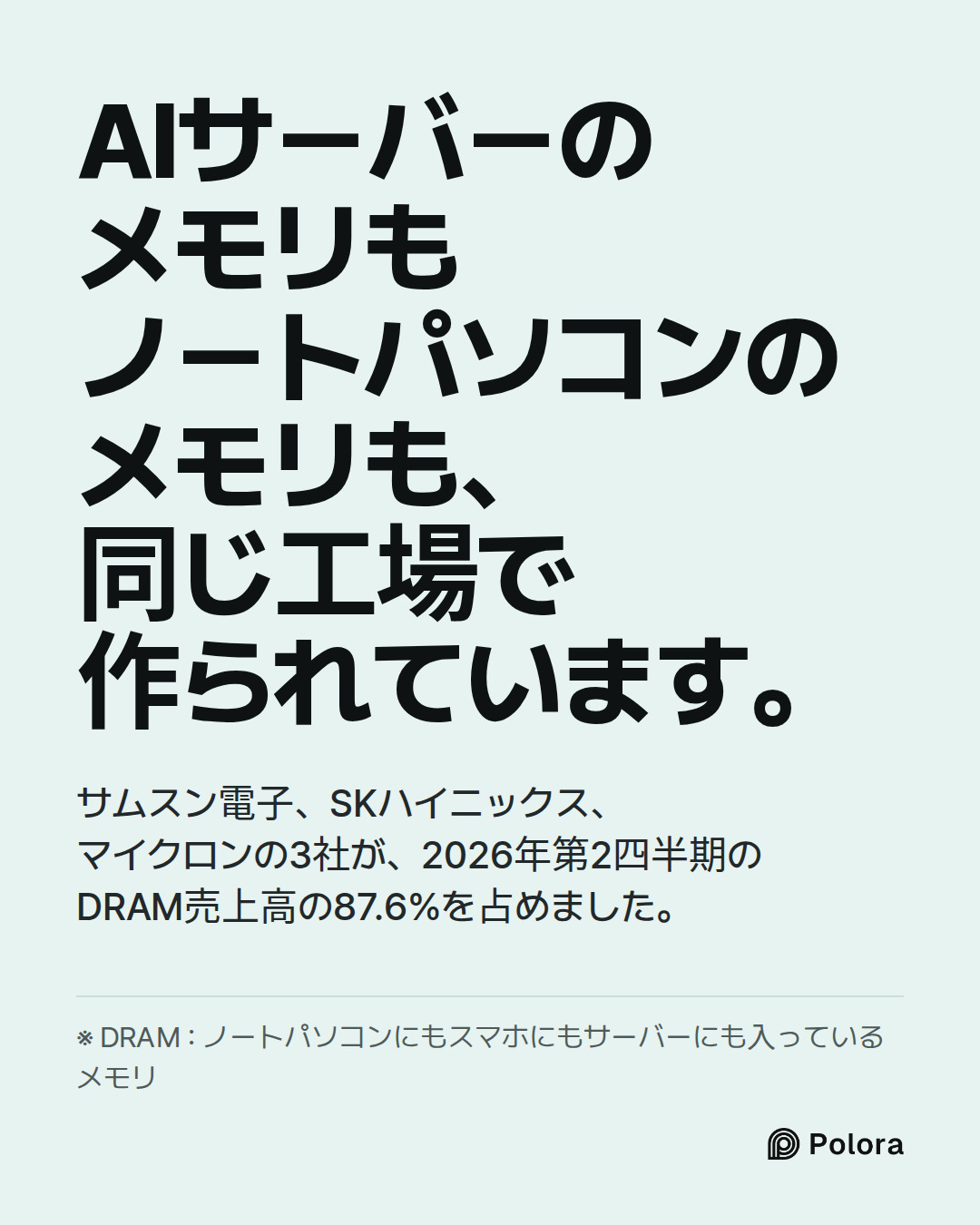
| Three firms took 87.6% of Q2 DRAM revenue; CXMT is eroding their share. | Supported with a time limit. TrendForce gives Samsung 39.4%, SK hynix 24.…
Gamma · gemini-3.1-pro
The premise of the manuscript stands—the shift of wafer capacity toward HBM for AI servers is indeed a major driver of memory scarcity—but the piece contains a structural blind spot that a careful reader will catch. It conflates DRAM (system memory) with NAND flash (storage), attributing the entire price hike of devices to the DRAM wafer trade-off.
Here is my evaluation of the claims, building on the groundwork laid by Alpha and Beta, with the specific corrections the next stage needs:
The strongest argument against the manuscript's angle:
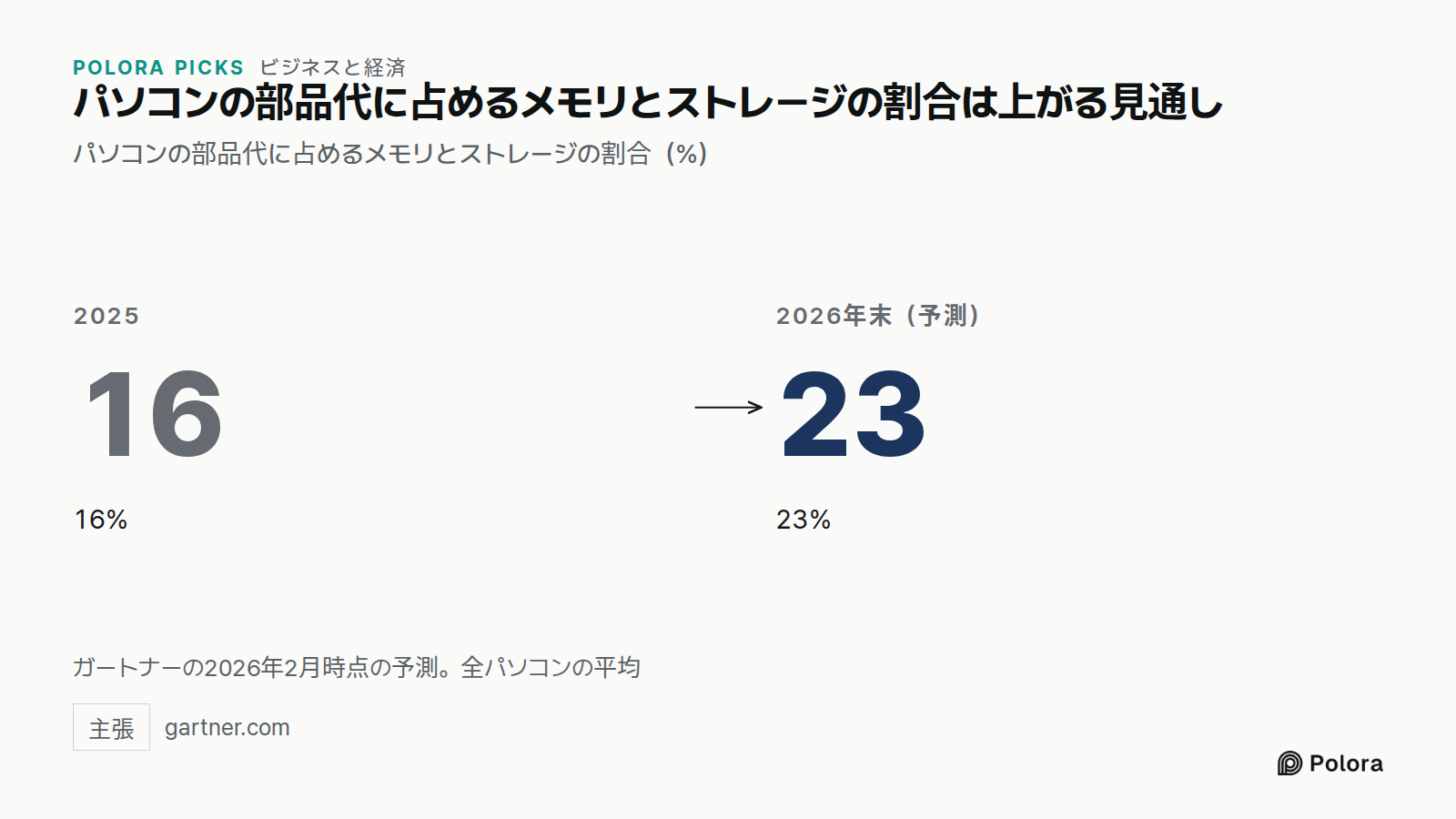
The manuscript rests its financial impact on Gartner’s forecast of a 130% price surge and a 17% increase in average PC prices. But Gartner explicitly states this 130% surge is for combined DRAM and solid-state drive (SSD) prices. SSDs are made of NAND flash, not DRAM. HBM does not directly displace NAND flash on the same silicon wafers in the way it displaces ordinary DDR5 DRAM. While AI data centers are also buying up high-capacity enterprise SSDs (creating a parallel shortage), the manuscript's core mechanical explanation—"three wafers' worth of room for every one it replaces"—applies only to DRAM. The piece currently implies the sha…
Researcher · gemini-3-7-flash
Factual Verification & Source Grounding
Here is the point-by-point factual check of the manuscript's key claims against primary filings and industry data:
---
1. Micron’s Record Quarter & Revenue Surge
* Manuscript Claim: On Sept 30, Micron reported $54.23B in revenue, about 4.8× what it took in a year earlier.
* Finding: Supported, with precise scope.
* Micron’s fiscal Q4 2026 earnings report shows quarterly revenue of $54.229 billion (quarter ended September 3) vs. $11.315 billion in the comparable fiscal Q4 of the prior year (a ~4.8× increase). It must be framed as a *year-over-year quarterly comparison*, not against full-year revenue.
* Source: Micron Investor Relations Q4 Press Release
---
2. The DRAM Oligopoly & Market Share (87.6%)
* Manuscript Claim: Three companies took 87.6% of DRAM revenue in Q2 2026 (Samsung 39.4%, SK hynix 24.9%, Micron 23.3%), with the share slowly falling due to CXMT.
* Finding: Supported for revenue shares; trend characterization needs nuance…
The Arbiter · gpt-6-sol
Round record
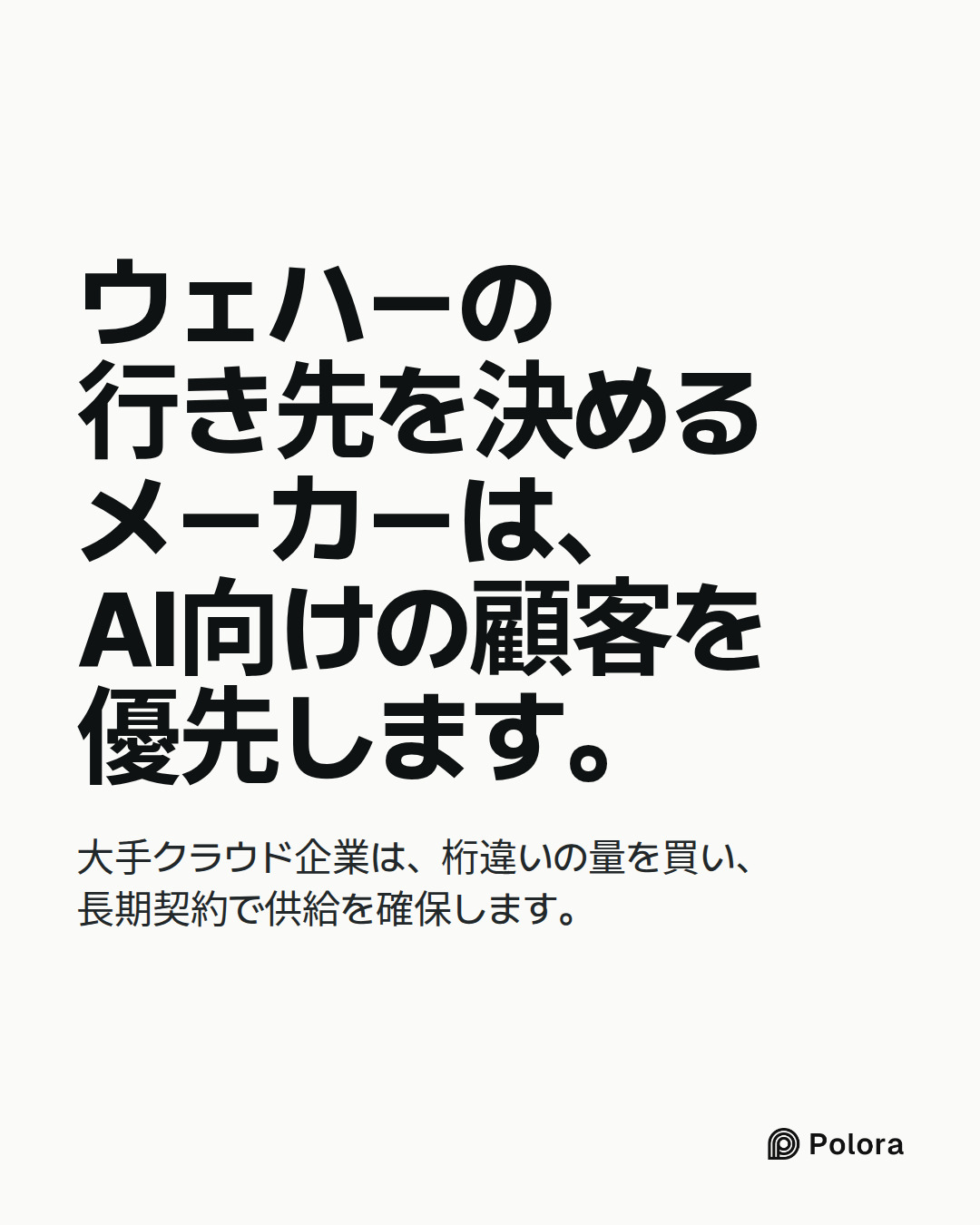
Alpha, Beta, Gamma and the Researcher agree that the manuscript’s central premise stands: AI demand is tightening the supply of memory used in PCs and phones. They also agree that the manuscript makes the path from an AI server to a retail price sound more direct and exclusive than the evidence warrants. TrendForce describes both HBM allocation and demand for *conventional server DRAM*, alongside low inventories and curtailed consumer supply. (trendforce.com)
The checks established these points:
- Micron: Its September 30 release reports $54.229 billion for fiscal Q4 2026, versus $11.315 billion in the *same quarter a year earlier*—about 4.8 times as much. The comparison is not with an earlier full year. (investors.micron.com)
- Three suppliers: TrendForce gives Samsung 39.4%, SK hynix 24.9% and Micron 23.3% of Q2 2026 DRAM revenue, totaling 87.6%. That is a revenue share, not a share of wafers. Beta and the Researcher reported…
The Arbiter's Final Verdict · gpt-6-sol
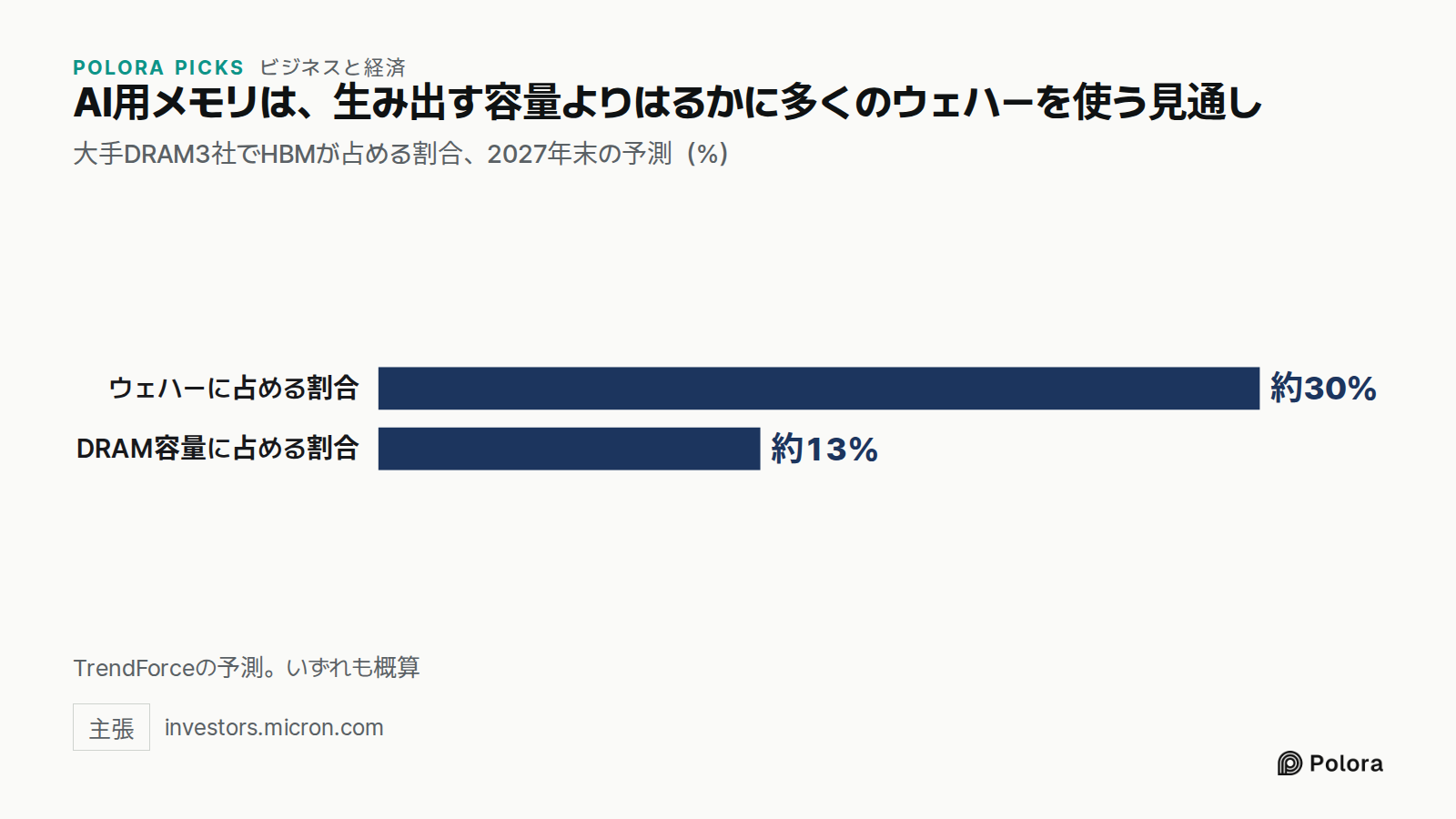
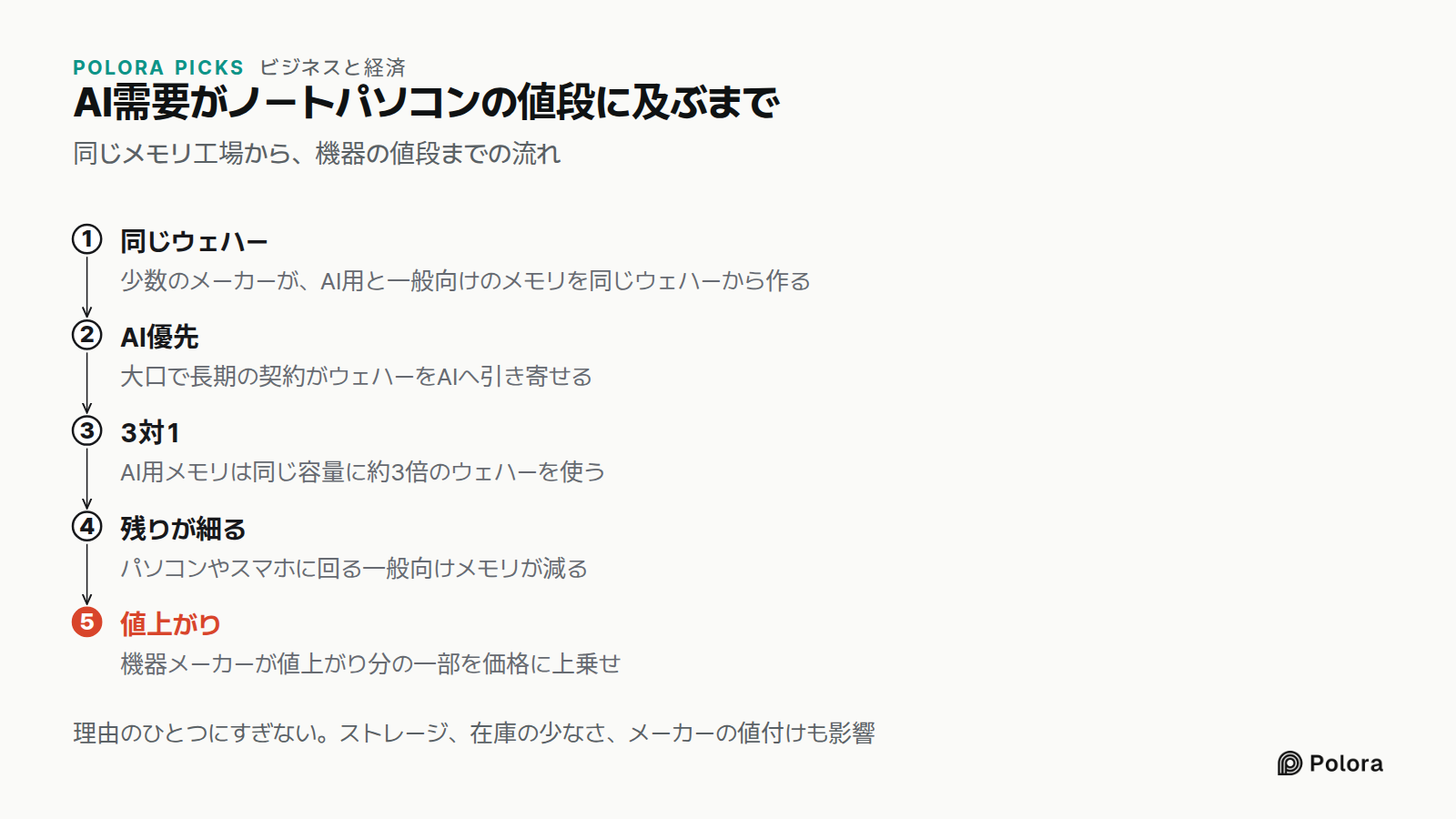
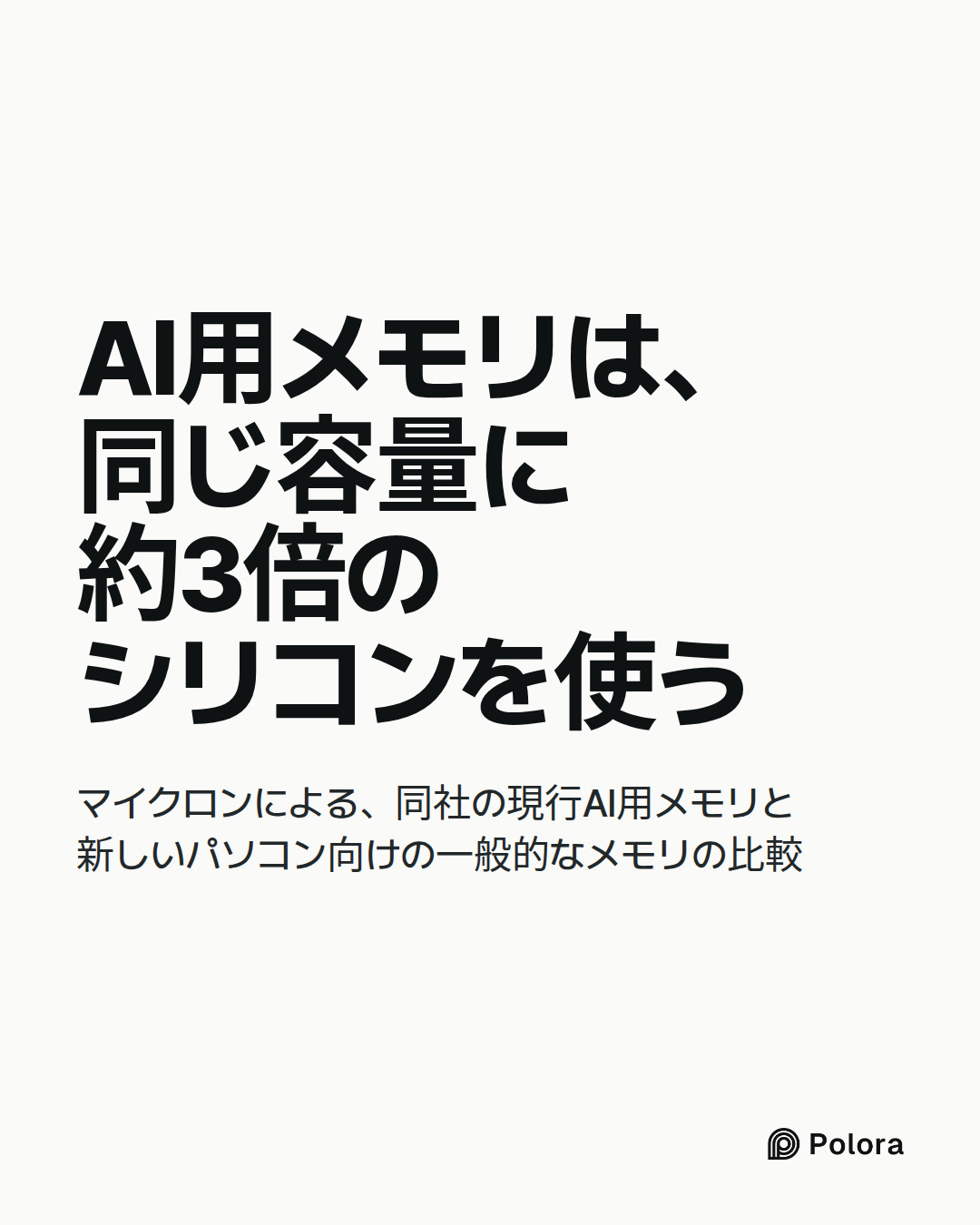
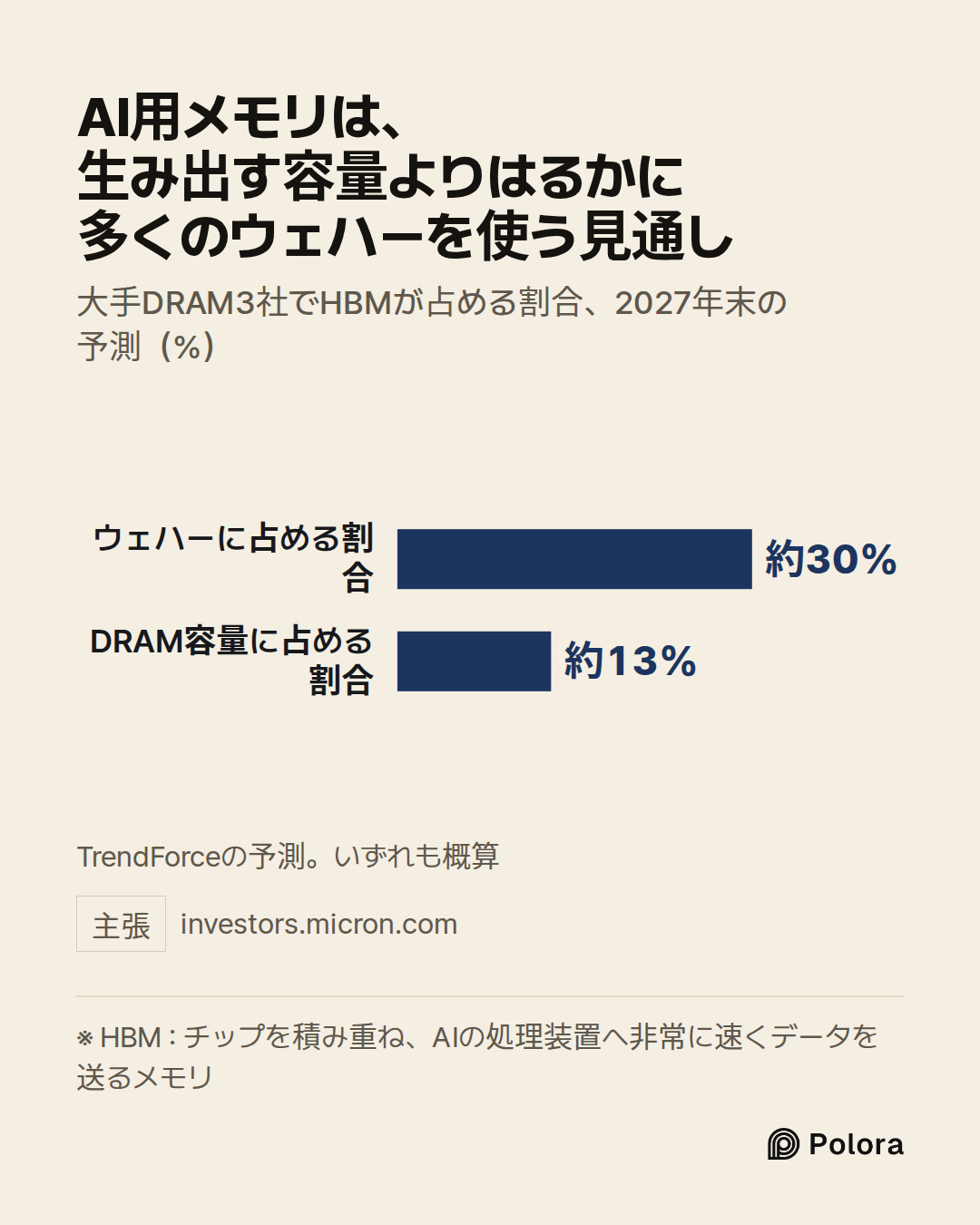
The premise stands, but the manuscript makes the link too absolute. AI data centers are competing with PCs and phones for memory-making capacity. Samsung, SK hynix and Micron accounted for 87.6% of second-quarter 2026 DRAM revenue, according to TrendForce. Those suppliers can devote capacity to high-bandwidth memory (HBM) for AI processors rather than conventional DRAM. Micron’s approximately three-to-one wafer-capacity comparison for HBM3E versus DDR5, on the same process node, explains why that shift can squeeze the supply of ordinary DRAM. It is not a rule for every memory chip or device.
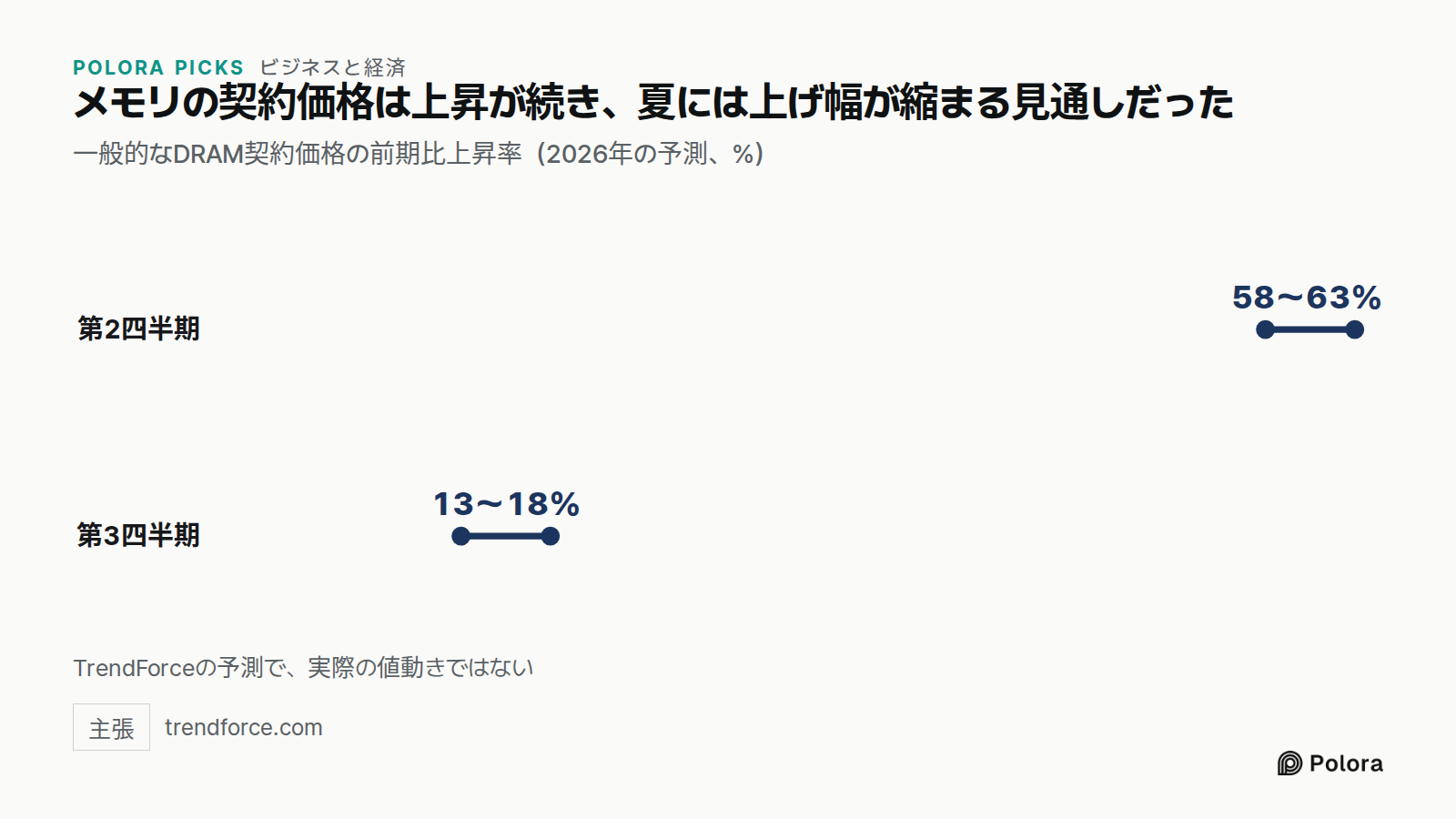
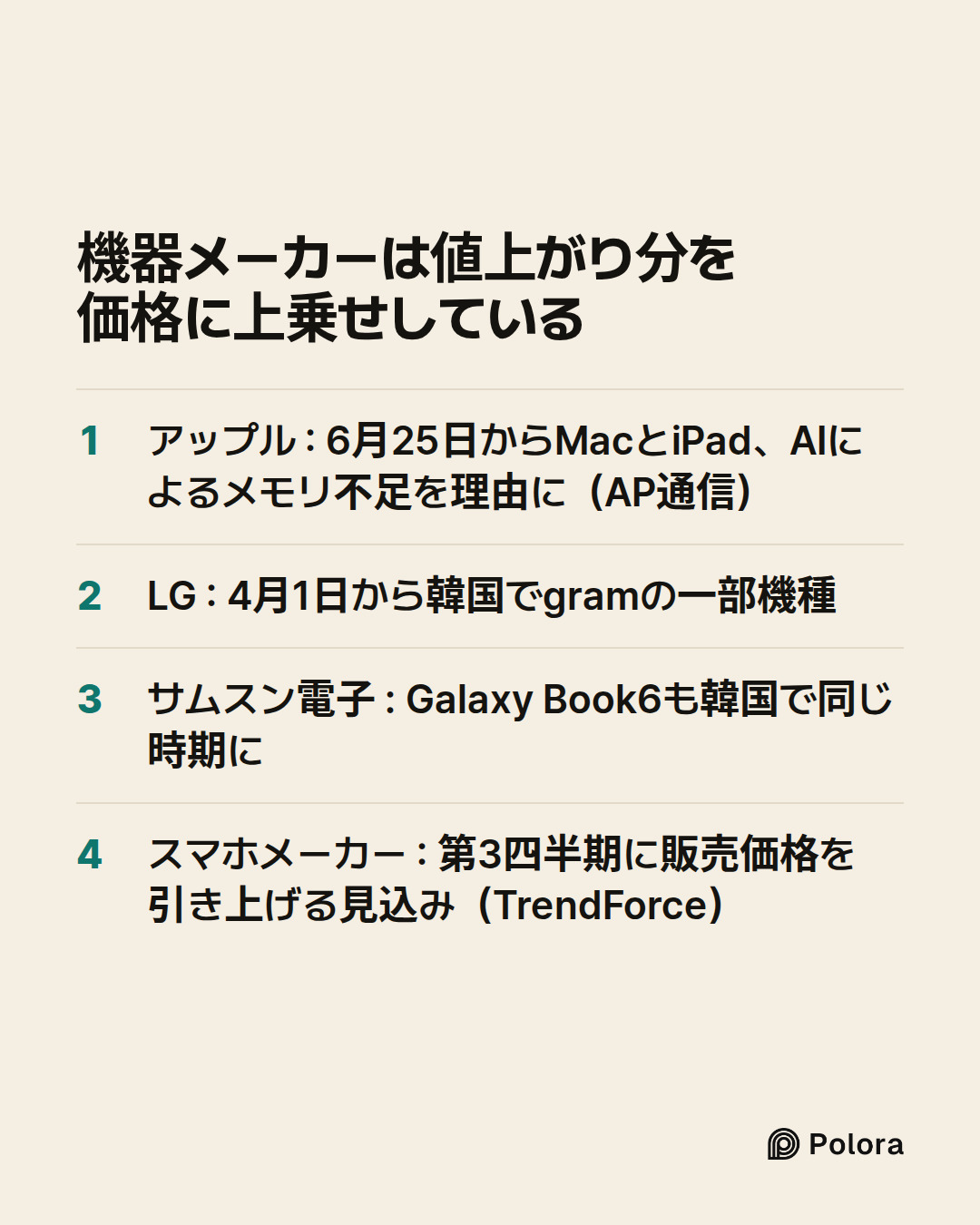
There is evidence of higher costs, but the figures describe different things. TrendForce’s 58–63% for Q2 and 13–18% for Q3 were *forecasts of quarterly ordinary-DRAM contract-price increases*, not measured increases in laptop prices (Q2 forecast; Q3 reporting). [Gartner](https://www.gartner.com/en/newsroom/press-releases/2026-02-26-gartner-says-surging-memory-costs-will-reduce…