When a country puts a tariff on imports, who actually pays it?
Alpha · claude-sonnet-5
My reading of the manuscript's core mechanism — and where it needs correction
The piece's central claim — tariff collected at the importer's own border, with the economic burden then splitting empirically among exporter, importer, and consumer — is correct and well-supported. But several specific numbers and attributions need fixing before publication.
The Supreme Court ruling: confirmed, but the piece understates its scope. In a 6-3 ruling, the U.S. Supreme Court held that the International Emergency Economic Powers Act ("IEEPA") does not authorize the President to impose tariffs. This covered both reciprocal tariffs on imports from most countries and the trafficking/fentanyl tariffs on imports from Canada, Mexico, and China related to opioid trafficking. The manuscript's "most of the 2025 tariffs" framing is reasonable, but it should flag — as the checks note — that Section 232 (steel/aluminum/autos) tariffs survived untouched. One correction to the manuscript: the Court's decision was confined to the legal issues and does not address whether or how the Government should refund IEEPA tariffs already paid — the refund obligation came from a *separate* CIT order, not the S…
Beta · gpt-6-sol
The premise stands, but the manuscript is not ready to publish unchanged. The importer of record owes the tariff to customs. That identifies who remits the tax, not who ultimately bears its cost: a foreign seller can accept a lower pre-tariff price, an importing or retail business can accept a lower margin, and buyers can face higher prices. The evidence in the cited U.S. studies points largely to costs borne in the United States, but not to an invariant split.
The most consequential corrections are these:
- The China news hook says a cut has been agreed when the primary document says a cut is still being considered. The September 27 U.S.–China Board of Trade procedures describe dialogue over goods worth *roughly $30 billion on each side*, “with a view toward” reduced tariff treatment. The September 25 White House fact sheet calls these *recommendations*. Neither establishes that tariffs on $60 billion of goods were lowered on September 28. Replace the claimed agreement to cut tariffs with the narrower, documented proposal; verify any subsequent implementing action separately. ([whitehouse.gov](https://www.whitehouse.gov/wp-content/uploads/2026/09/US-China-Board-of-Tr…
Gamma · gemini-3.1-pro
The premise of the manuscript—that a tariff is a tax remitted at the border by the importer, while the actual economic burden is an empirical question of price pass-through—is fundamentally sound. However, I agree with Beta that the manuscript needs critical surgical edits before publication to avoid turning legal complexities into factual errors.
Here is my assessment of the remaining claims and the final verdict on the manuscript's angle:
The Consumer Lawsuits and the Refund Mechanism
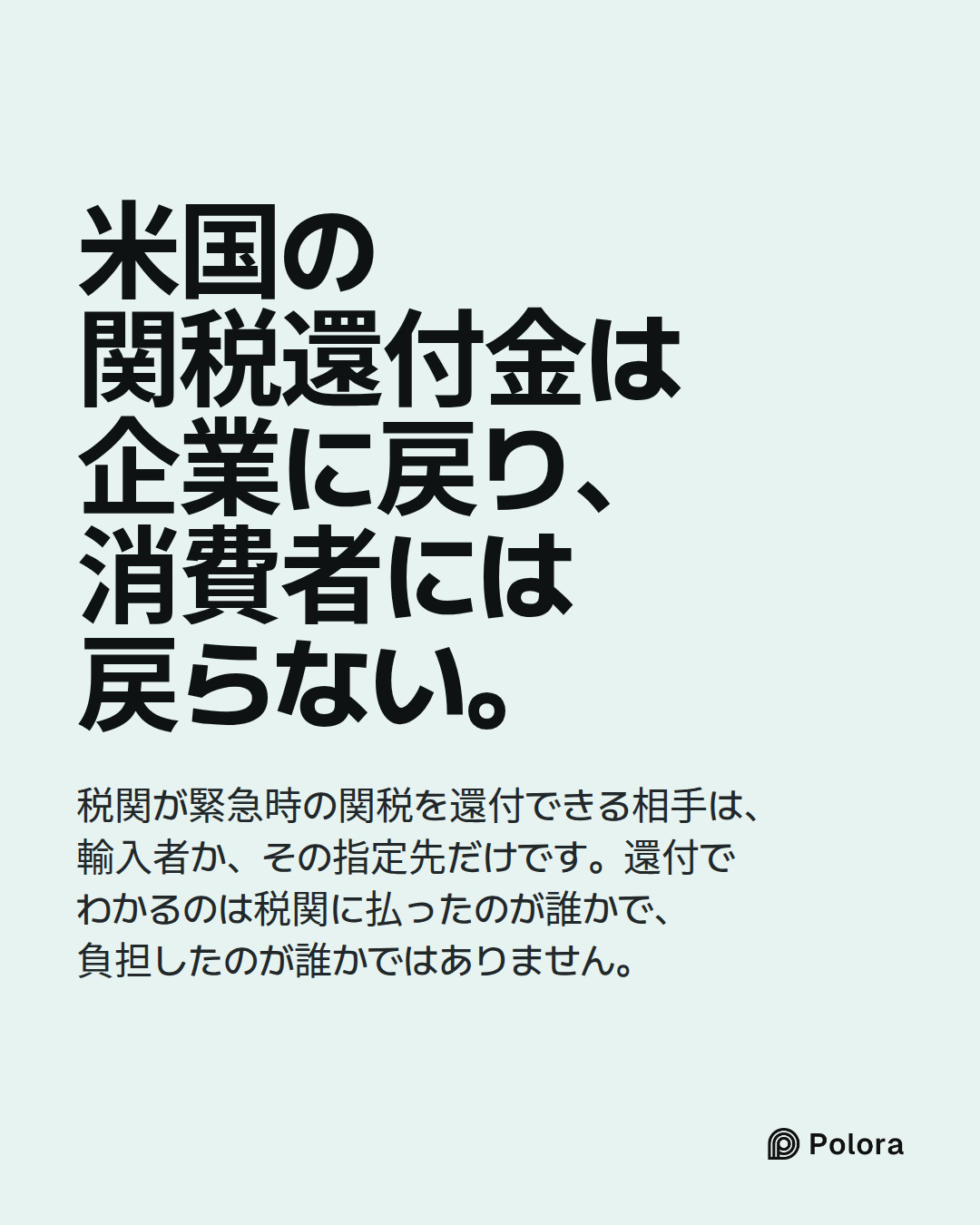
The manuscript claims shoppers have sued retailers like Walmart, Costco, and Amazon, noting that "no law requires [passing the refund on], and the cases are still open." This is an accurate characterization of the current legal landscape. Consumers in cases like *Glase v. Walmart Inc.* are relying on state-level unjust enrichment and consumer protection claims, precisely because federal customs law (19 U.S.C. § 1520) dictates that refunds go to the importer of record. There is no statutory mechanism for CBP to refund consumers. The manuscript’s categorical "not one dollar of it goes to shoppers" from the government is correct.
*Source: https://www.cbp.gov/trade/programs-administration/trade-…
Researcher · gemini-3-7-flash
Here is the verification of the specific factual claims, figures, legal mechanisms, and economic studies cited in the manuscript and raised by the debaters.
---
1. Legal and Regulatory Mechanics
Importer of Record and Direct Payment at the Border
* Claim: The importing company (importer of record) pays the tariff directly to customs at the border; the foreign government or exporter does not remit the payment.
* Finding: Confirmed. Under U.S. customs law (19 U.S.C. § 1484 / 19 U.S.C. § 1505), statutory liability to remit duties falls solely on the *importer of record* upon entry of merchandise into U.S. customs territory.
* Caveat: Under "Delivered Duty Paid" (DDP) Incoterms, a foreign seller can register with U.S. Customs and Border Protection (CBP) as a non-resident importer of record and remit the tariff directly. However, this is an administrative vehicle; it does not change the fact that foreign governments pay nothing and that statutory border liability is distinct from ultimate economic incidence.
* Source: U.S. Customs and Border Protection Guidance (cbp.gov…
The Arbiter · gpt-6-sol
Round record
The shared answer is sound: the importer of record remits a tariff to customs, but that does not establish who ultimately bears its cost. Foreign sellers may lower their prices, importing businesses may accept smaller margins, and shoppers may pay more. Alpha, Beta, Gamma and the Researcher agree that the manuscript’s premise stands; their dispute is over how confidently it states particular legal, news and pricing claims. A foreign seller can also serve as a non-resident importer of record, so “the foreign factory never pays customs directly” is too absolute. The May 2026 Gopinath–Neiman paper itself distinguishes legal payment from economic incidence. (brentneiman.com)
Address: https://brentneiman.com/research/GN2.pdf
The clearest factual correction is the China news hook. Beta found, and the Researcher confirmed, that the September 27 U.S.–China working procedures establish a dialogue about *roughly $30 billion of goods on each side*, with a view toward possible reduced tariffs. They do not establish the manuscript’s claimed September 28 agreement to cut tariffs on “$60 billion of each other’s goods.”…
The Arbiter's Final Verdict · gpt-6-sol
The importer of record pays the tariff to customs. Who ultimately bears the cost is a different question. The importer may absorb it in lower profits, pass it on to shoppers through higher prices, or persuade the foreign seller to accept a lower pre-tariff price. A foreign seller can itself be the importer of record, but a foreign *government* does not pay the importing country’s customs bill. (U.S. customs law)
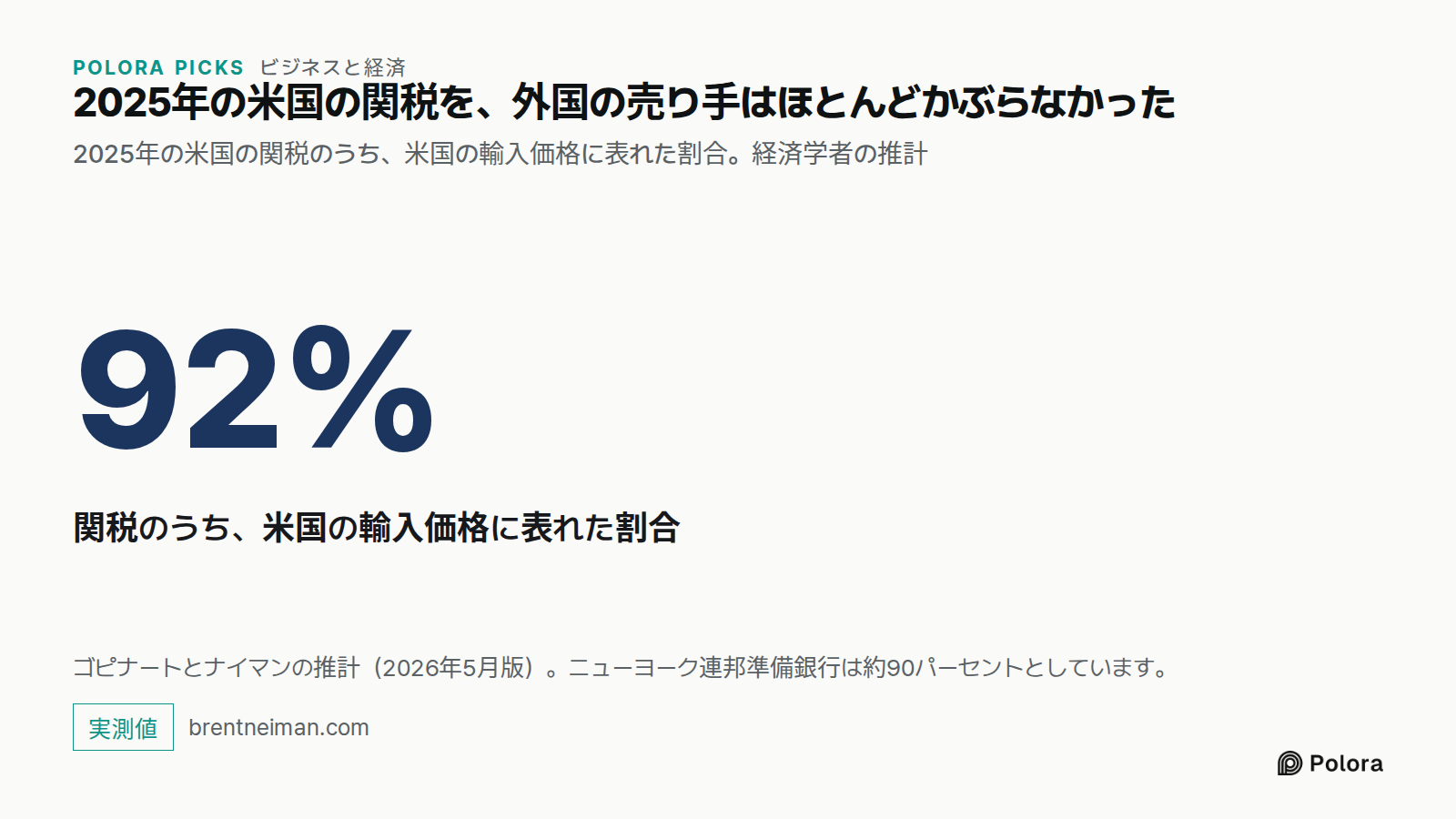
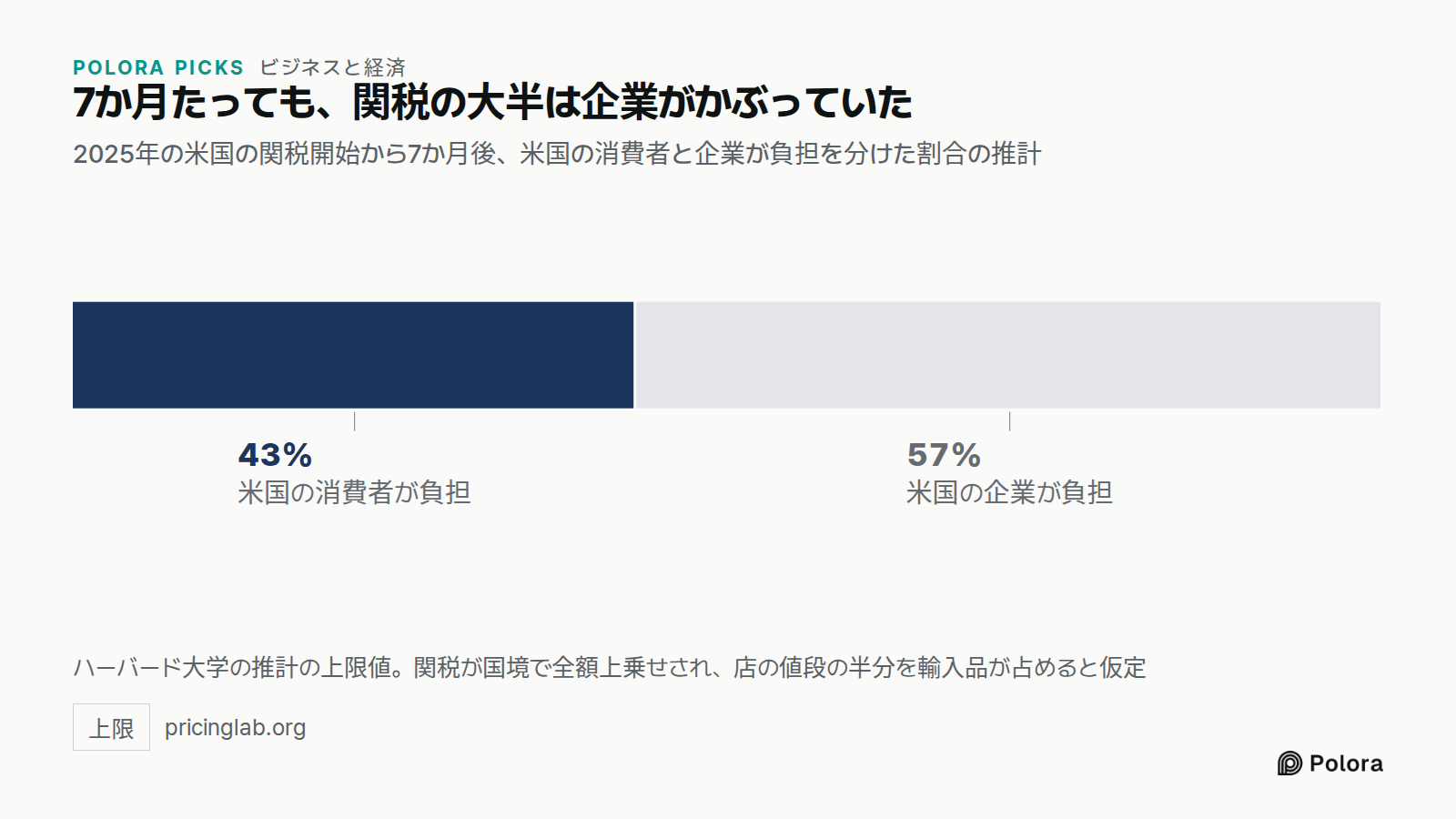
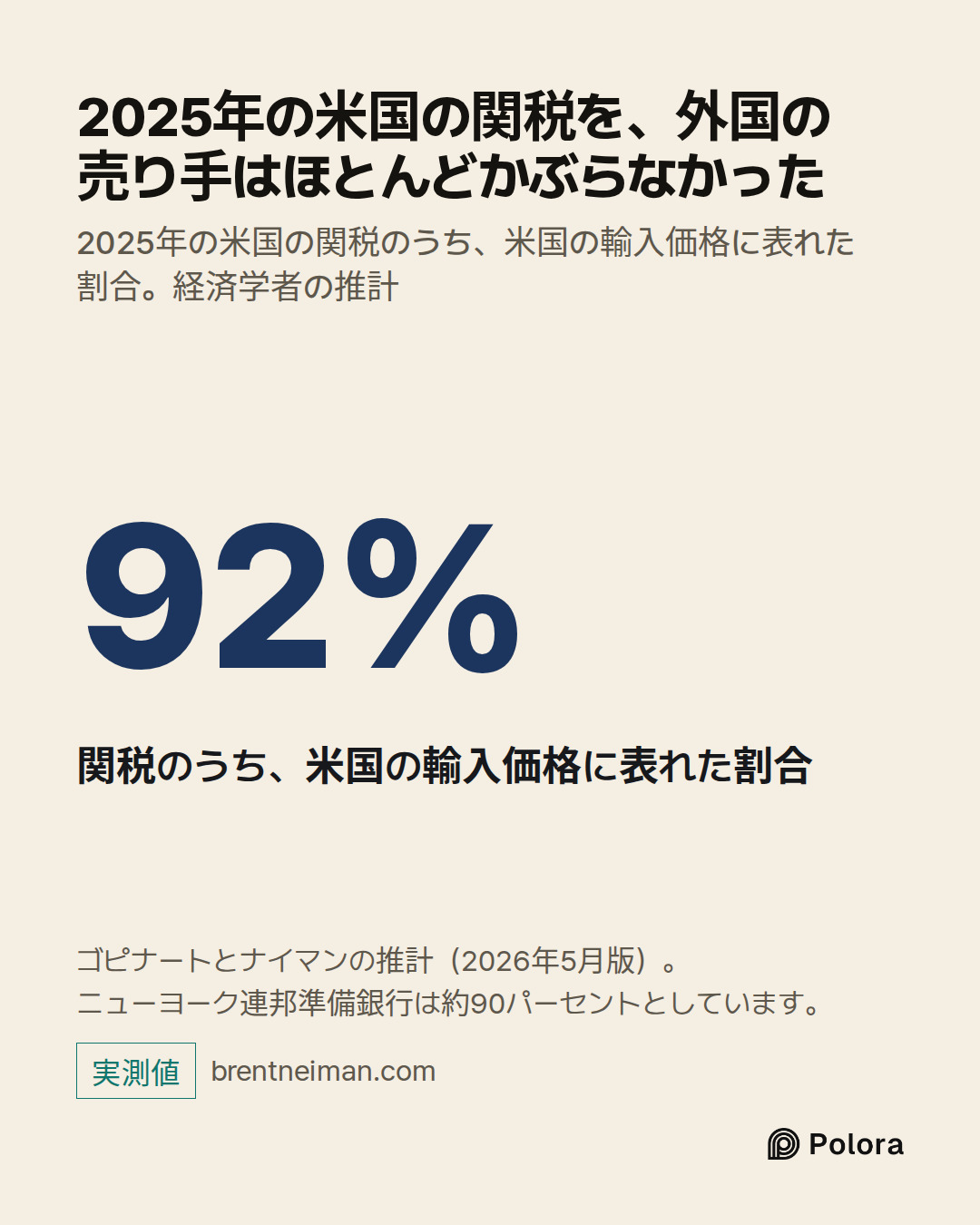
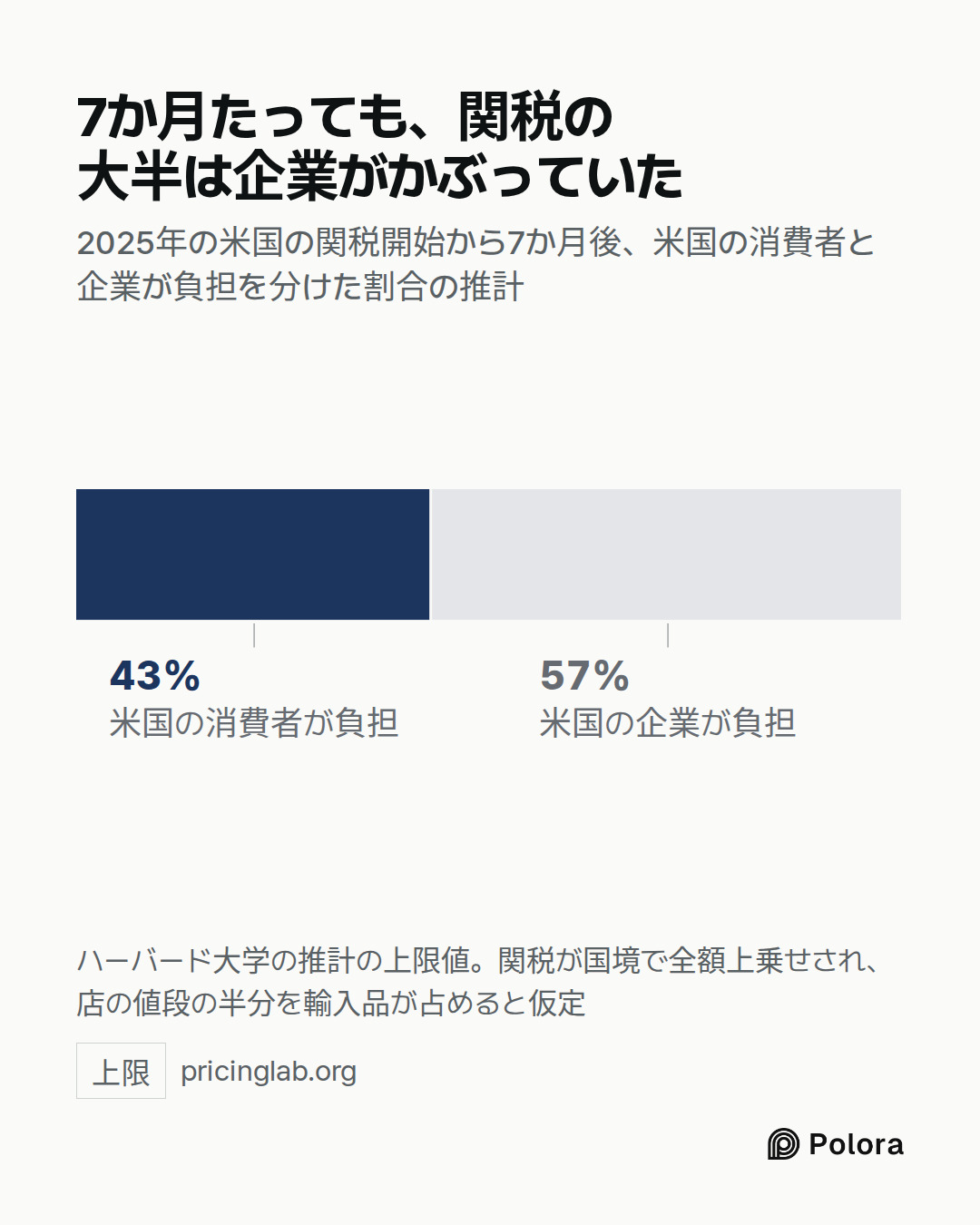
Verdict on the manuscript: its central premise stands, but several claims need correction before publication. Research on the 2018–19 and 2025 U.S. tariffs finds that much of the cost remained with U.S. buyers at the border; it does not establish a fixed split between businesses and shoppers for every tariff. Gopinath and Neiman estimate border pass-through of 81% and 92%, respectively. The retail estimates describe particular goods and periods and depend on stated assumptions—not a universal consumer share. (Gopinath and Neiman; [Cavallo, Llamas and Vazquez](https://www.pricinglab.org/files/TrackingTariffs_Cavallo_Llamas_Vazquez.p…