Who decides when a new word gets into the dictionary?
Alpha · deepseek-v4-pro
The decision is made by lexicographers — the dictionary editors themselves — but they are constrained by a standard, not by personal taste.
For major English dictionaries:
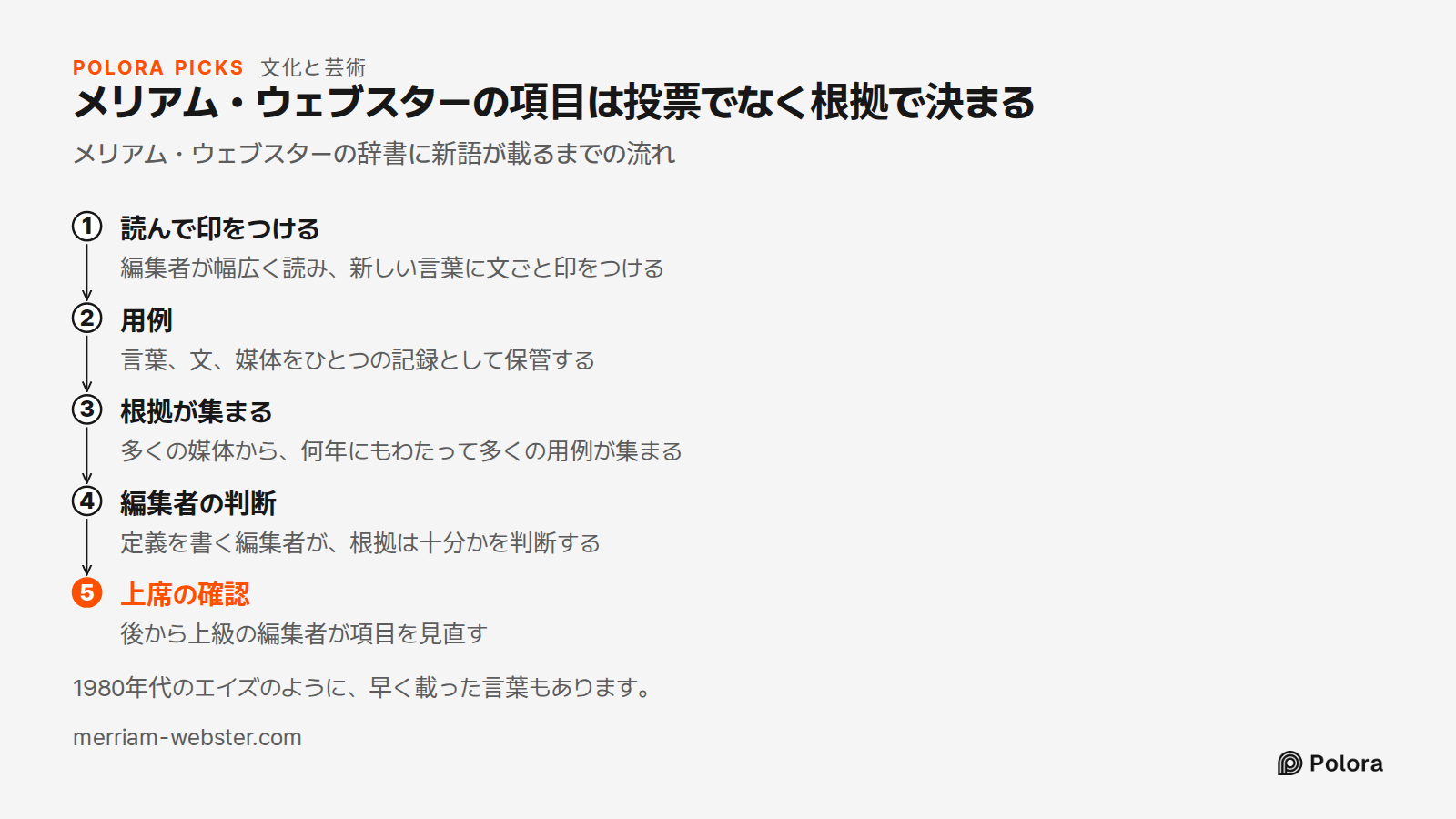
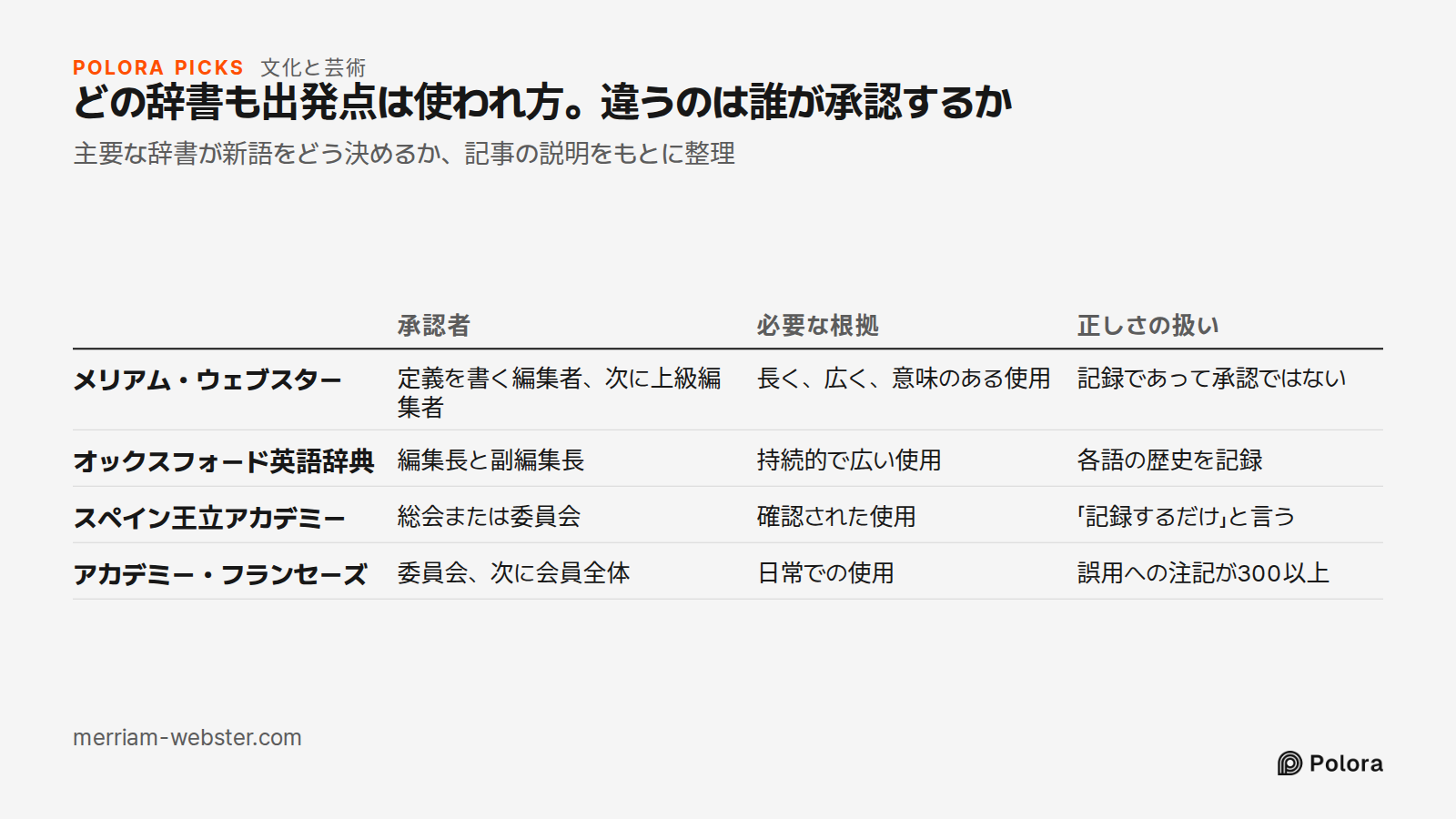
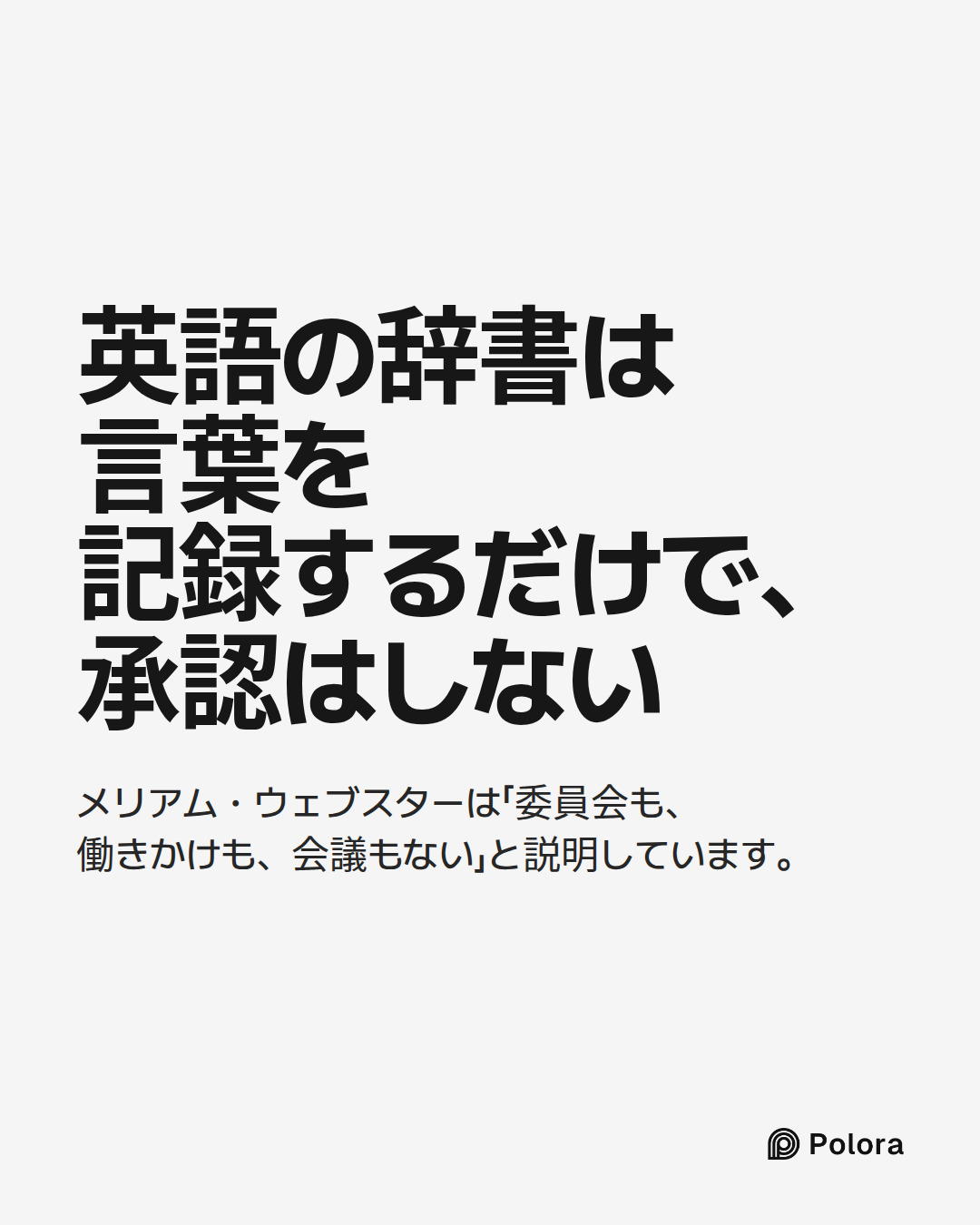
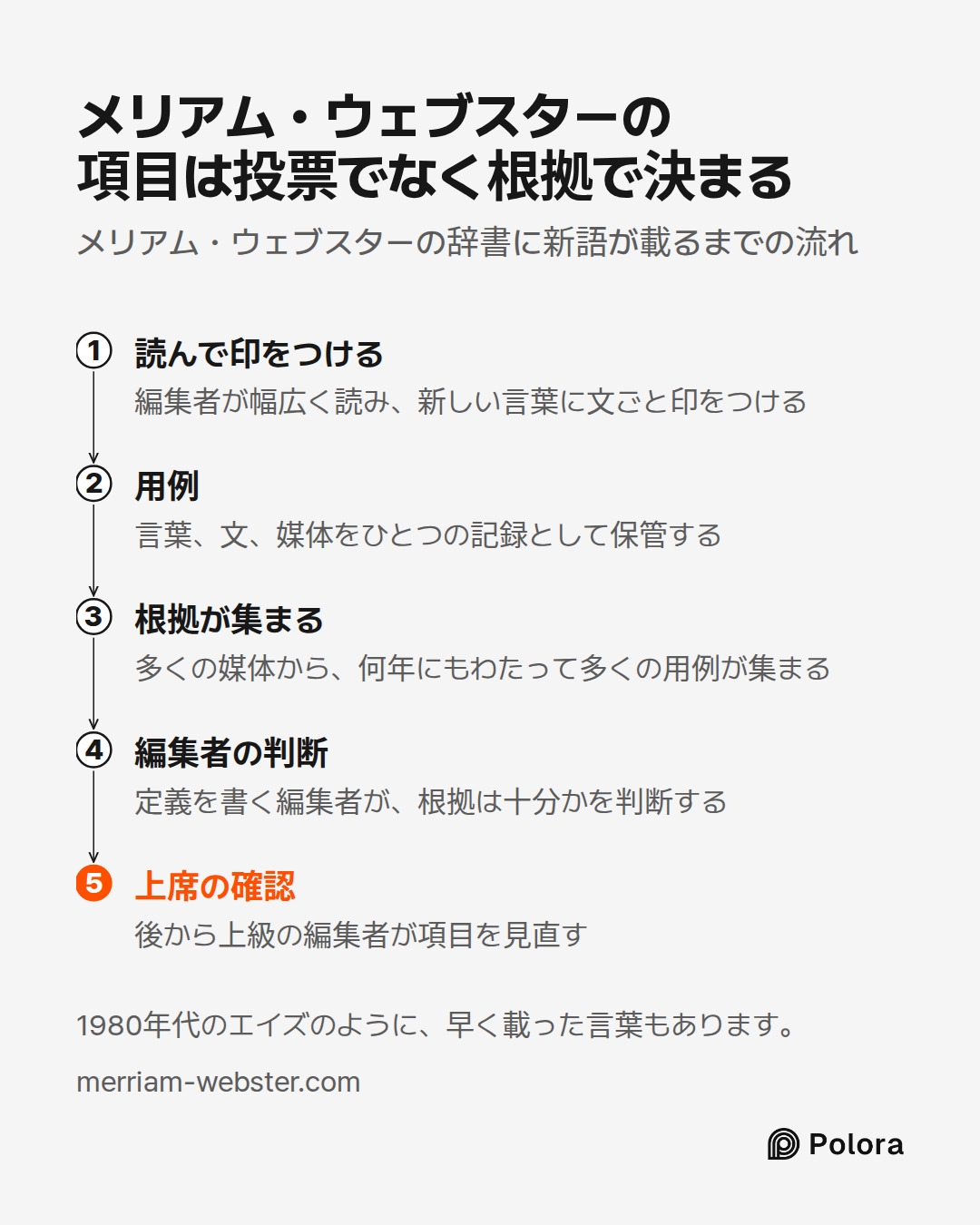
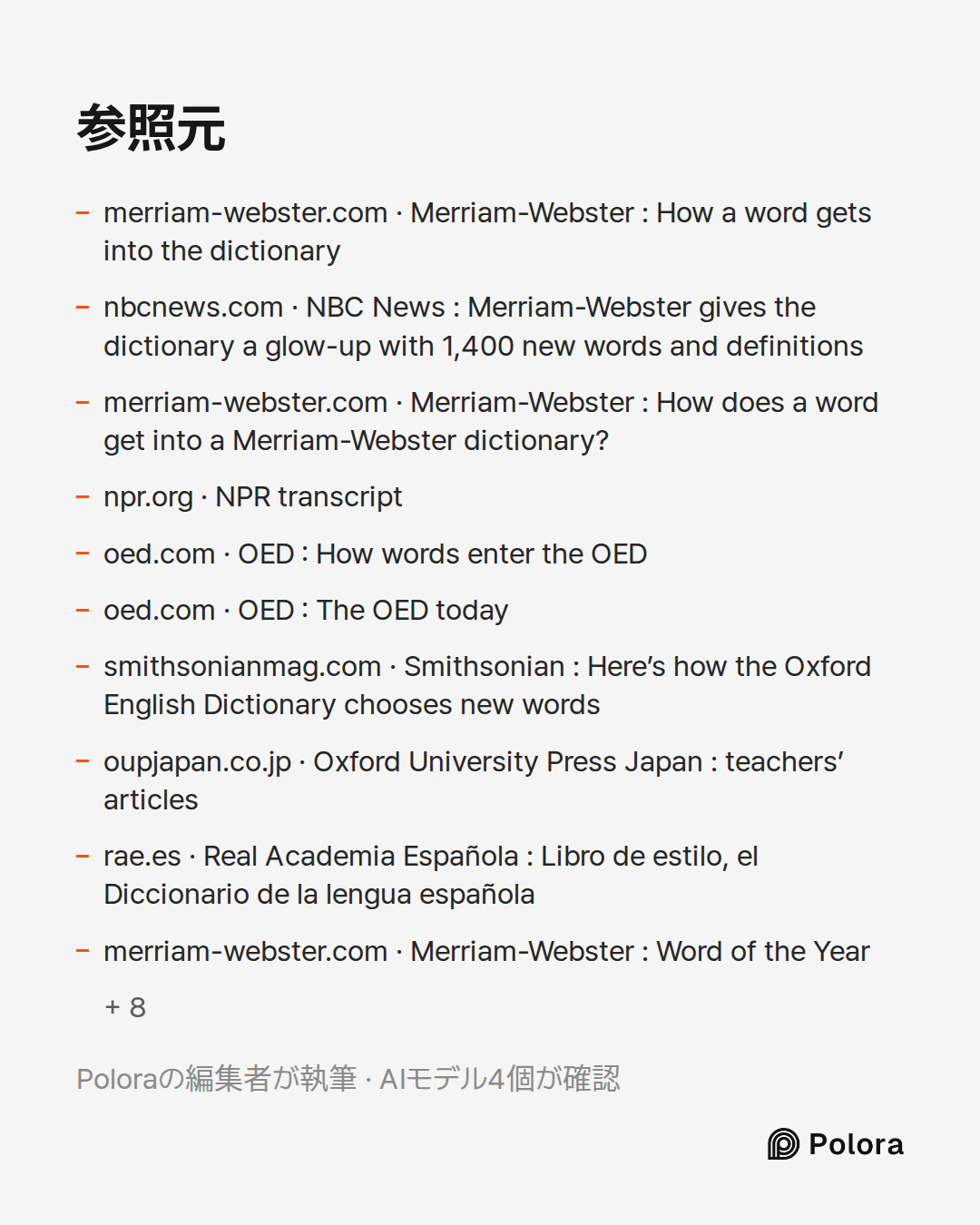
- Merriam-Webster: an editor known as a definer drafts the entry, and senior editors review it. The test is evidence of long-term, widespread, meaningful use — not a committee voting on whether a word is “good” or “acceptable.”
- Oxford English Dictionary: candidate words go onto a watch list, and only after sustained and widespread use does the word reach an editor; the Chief Editor and Deputy Chief Editor give final approval.
So in one sense a small group of editors literally decides. But the real gatekeeper is how people use the word: enough citations, across enough publications, over enough time. If that evidence does not exist, the editor refuses or delays the entry.
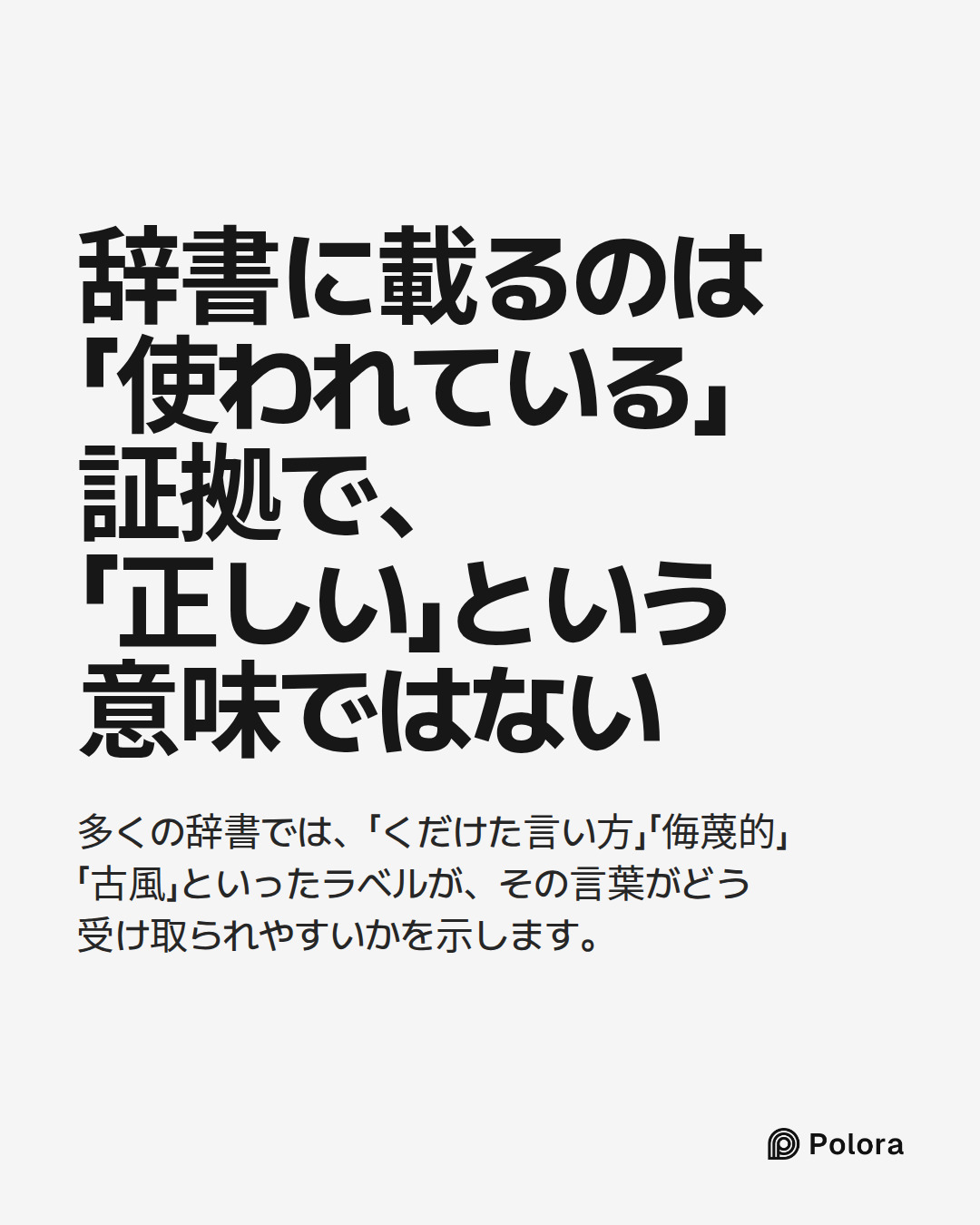
That is why I would push back on the simple answer “the dictionary editors decide.” It is more accurate to say the speech community decides by usage, and the lexicographer records that decision afterward. Editors apply judgment about thresholds and labels, but they are not inventing words or certifying them as correct.
T…
Beta · gpt-6-sol
Dictionary editors decide what goes into a particular dictionary; speakers and writers provide the evidence they decide from. I agree with Alpha’s distinction, but would not say that usage *forces* an entry. Editors still judge whether the evidence is sufficient, and different dictionaries serve different purposes.
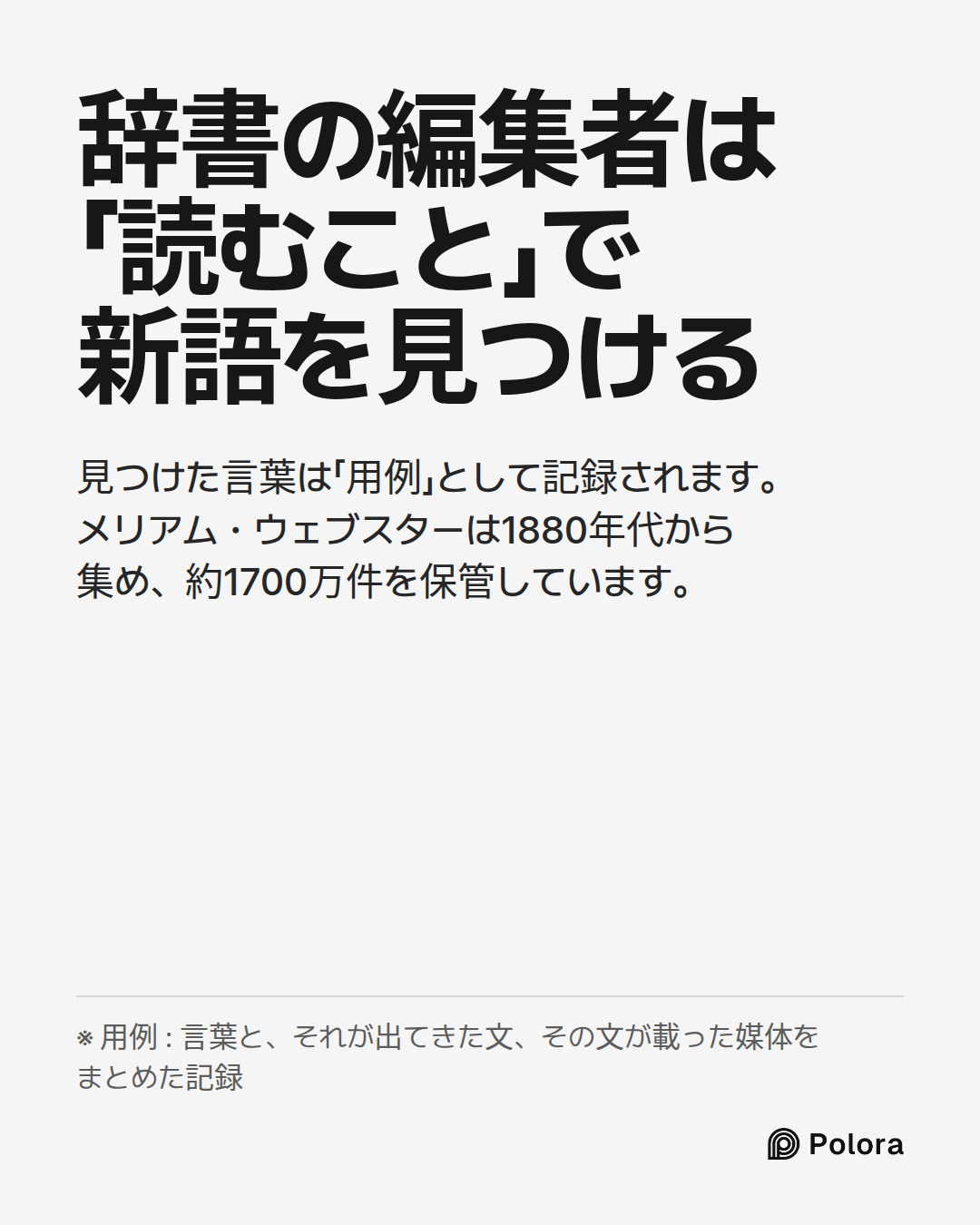
Merriam-Webster says its definers examine examples of a word in context. For inclusion, they look for substantial evidence across a range of publications and a considerable period—not merely a high count from one source. It explicitly allows exceptions for words that become established quickly, and says a smaller dictionary has a higher bar for inclusion than an unabridged one. Its FAQ also confirms the manuscript’s 1880s starting date and 15.7 million citation count. The FAQ describes definers deciding whether to drop existing entries *while reediting a dictionary*, not necessarily during each online update. Merriam-Webster’s account. (merriam-webster.com)
A useful addition missing from the manuscript is Cambridge. Its own…
Gamma · gemini-3.1-pro
I agree with Beta that the lexicographers' judgment is an active part of the process, but I can resolve some of the factual gaps the manuscript asked to have checked, as my live search confirms several specific claims.
Here is what the sources show regarding the manuscript's checks:
Merriam-Webster’s "No Committee" Quote and Citations
The exact phrase *"there's no committee, no advocacy, no meetings for new word inclusion"* is indeed genuine. It appears directly in Merriam-Webster's own published article, "How a Word Gets Into the Dictionary." The same page confirms their citation collection began in the 1880s and currently states they have *"nearly 17 million such citations,"* not the 15.7 million figure in the manuscript. The manuscript should be updated to "nearly 17 million." Merriam-Webster: How a Word Gets Into the Dictionary.
Word of the Year
The manuscript is correct that "Word of the Year" is a separate process. Merriam-Webster explicitly states that its Word of the Year (such as "pandemic" in 2020) is *"Based upon a statistical analysis of words that are looked up in extrem…
Researcher · gpt-6-luna
Live-source check of the claims raised this round
- Merriam-Webster’s process: Its own article, “How a Word Gets into the Dictionary”, contains the “no committee, no advocacy, no meetings” wording and says the citation file has about 17 million citations. Merriam-Webster’s video gives the same approximate count. That supports Gamma’s correction from 15.7 million, though “about 17 million” is safer than treating it as an exact current total. (scrabble.m-w.com)
- Cambridge: Its dictionary help page says lexicographers check the Cambridge English Corpus for frequency and contexts, and add a word when it is used in many different contexts over time. That supports the broad account, but Cambridge’s stated process should not be treated as identical to Merriam-Webster’s or the OED’s. (dictionary.cambridge.org)
- OED and a ten-year rule: I found no current OED page establishing a fixed ten-yea…
The Arbiter · gpt-6-sol
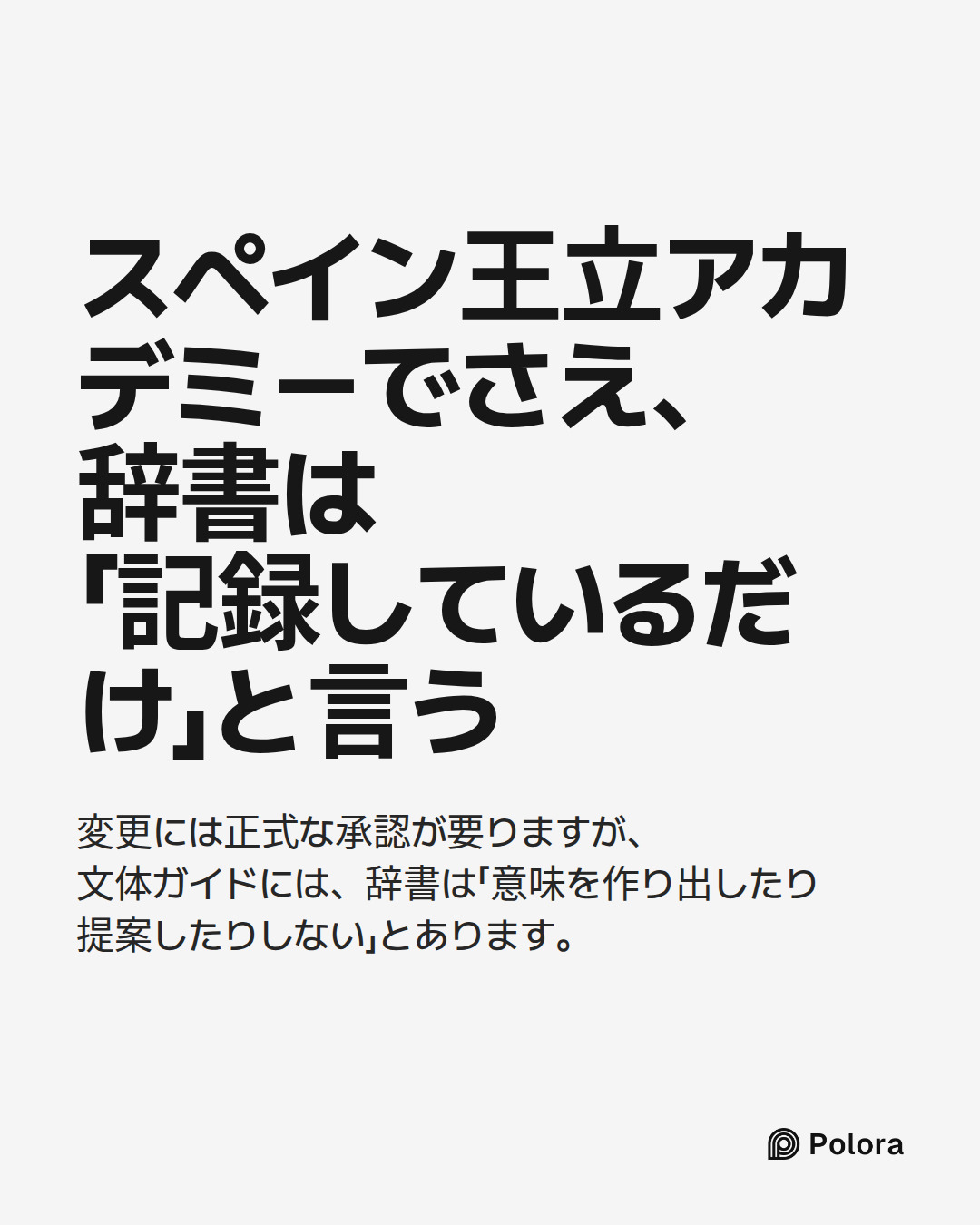
The debaters agree on the central distinction: people supply the usage; editors decide whether and when a particular dictionary records it. Their real difference is one of emphasis. Alpha gives speakers the stronger role; Beta cautions that usage does not *force* an entry, because editors judge the evidence against their dictionary’s purpose and space. Cambridge’s published account supports the broad usage-based picture without establishing that every publisher follows the same procedure. (letras.rae.es)
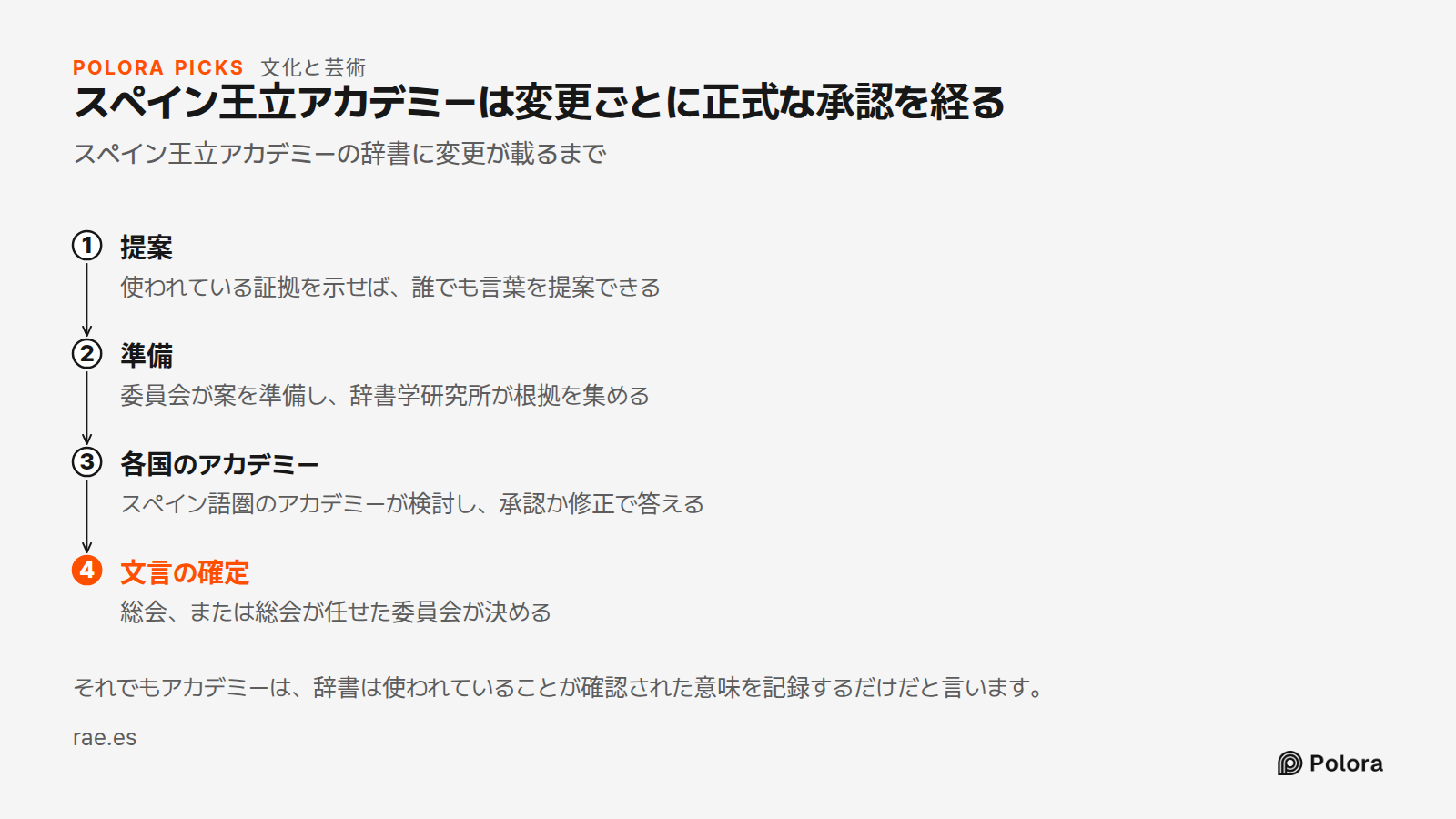
Two manuscript corrections are especially clear from the checks reported this round: Merriam-Webster’s own article is the source for the “no committee” quotation and gives its citation total as about 17 million, rather than 15.7 million; and no current OED rule requiring ten years of evidence was established. The Researcher also found that the other Spanish academies have a more active review role than merely sending comments, but not evidence that every academy must endorse every change.
What remains open is narrower but important for publication: direct c…
The Arbiter's Final Verdict · gpt-6-sol
Dictionary editors decide whether and when a word enters *their* dictionary. Speakers and writers provide the evidence: how widely, consistently and for how long the word has been used. The decision is not automatic, and an entry is not a certificate that a word is polite, advisable or “correct.”
Verdict on the manuscript: its premise stands, but its closing line goes too far. Enough usage can make a word a strong candidate; it does not mean editors *“had to write it down.”* Different dictionaries have different purposes and thresholds. Merriam-Webster describes editorial judgment and exceptions to its usual expectation of sustained use; Cambridge says its lexicographers examine frequency and varied contexts over time. The evidence checked here does not justify treating their procedures—or the OED’s—as identical.
For publication, the most consequential claim checks are:
- Supported, with a corrected number: Merriam-Webster’s own account contains the “no committee, no advocacy, no meetings” wording. It gives about 17 million citations,…