Who decides when a recession has officially started?
Alpha · claude-sonnet-5
This confirms the manuscript's backbone solidly. Here is what I found, as participant Alpha.
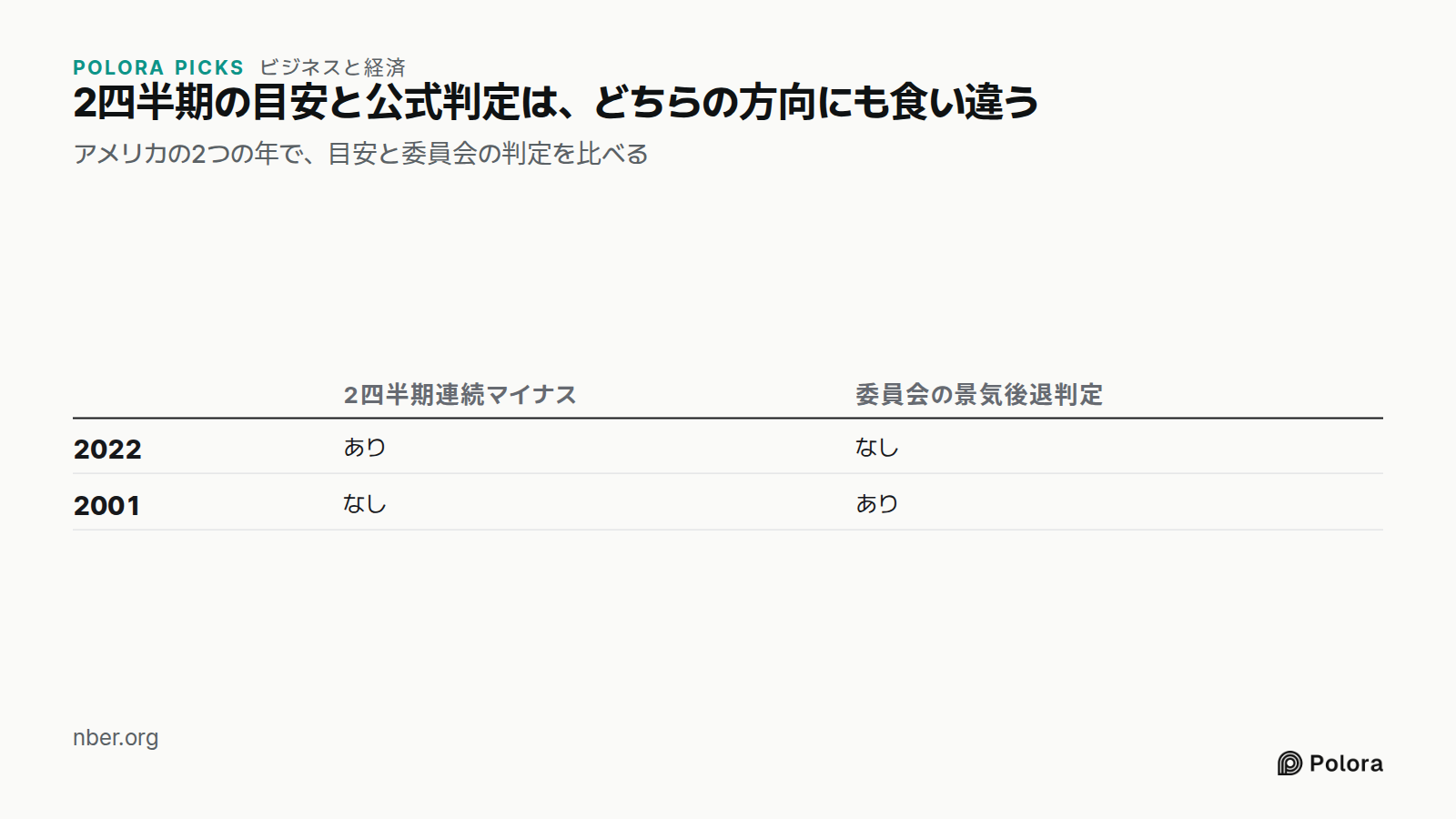
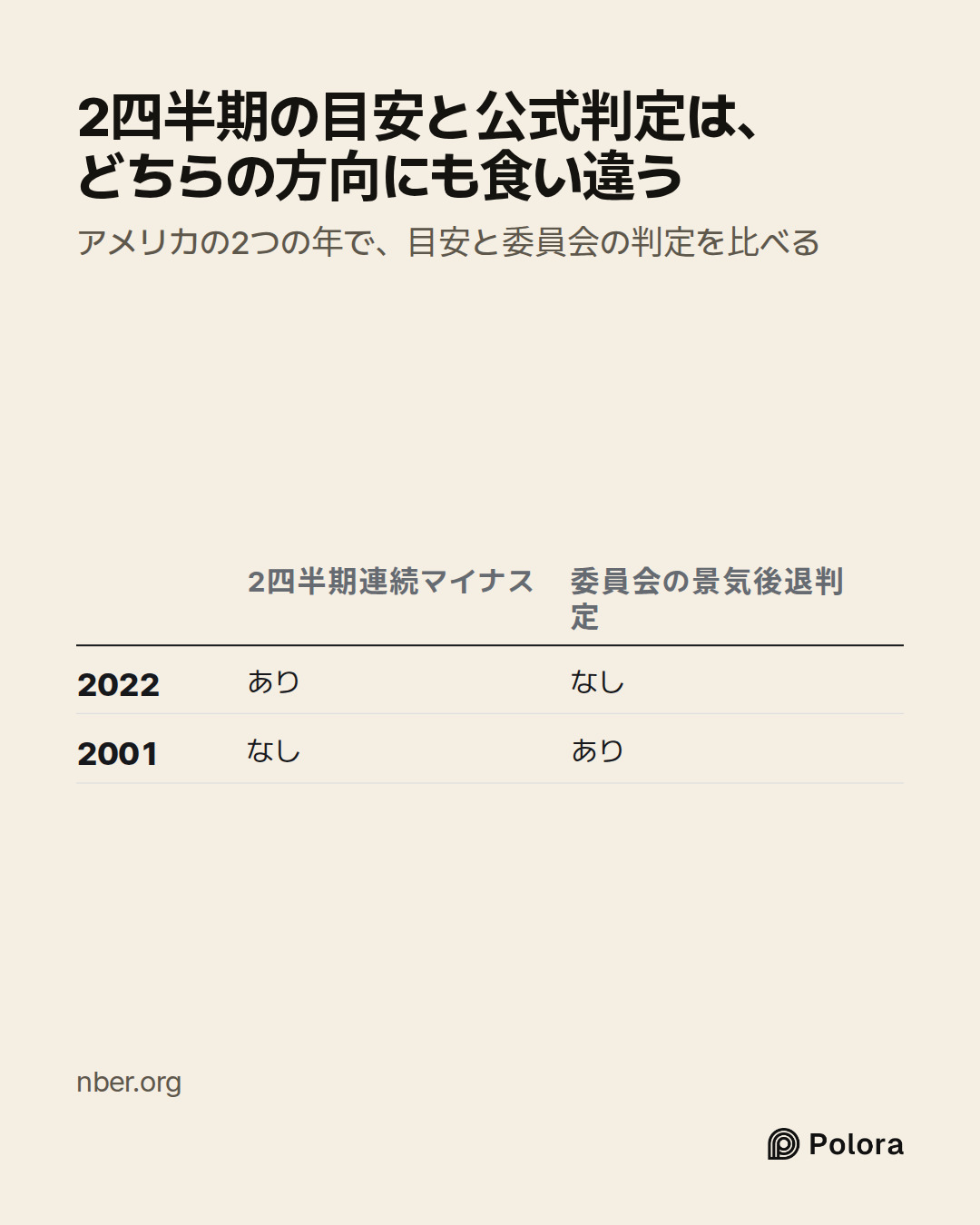
The central claim — NBER, not government, dates US recessions via depth/diffusion/duration, not GDP-two-quarters — holds up completely. The NBER's own FAQ states plainly: "Most of the recessions identified by our procedures do consist of two or more consecutive quarters of declining real GDP, but not all of them. In 2001, for example, the recession did not include two consecutive quarters of decline in real GDP." It further explains the mechanics: "we do not identify economic activity solely with real GDP, but consider a range of indicators... we consider the depth of the decline... our main focus is on the monthly chronology... we give equal weight to real GDI". That's the manuscript's three-D framework and six/dual-indicator description, verified at the source (nber.org/research/business-cycle-dating/business-cycle-dating-procedure-frequently-asked-questions).
On the 2022 GDP-revision claim — the manuscript's framing is accurate but its own uncertainty flag was right to worry. BEA's own 2024 annual-update summary says it directly: "The revisions did not change the direction of c…
Beta · gpt-6-sol
The answer to the reader’s question is jurisdiction-dependent. In the United States, the National Bureau of Economic Research’s Business Cycle Dating Committee—the eight economists currently listed by the NBER—dates recession peaks and troughs. It is a private body, not a government agency. Its dates are *quasi-official* because they are widely adopted, not because a law makes its decisions binding. The NBER says the US government publishes no competing business-cycle chronology. The committee judges the depth, breadth and duration of a decline rather than applying an automatic two-quarter GDP test. (nber.org)
I agree with Alpha that the premise stands, but would not clear every sentence unchanged:
| Manuscript claim | What the sources establish—and what to change |
|---|---|
| Eight economists; committee established in 1978; Hall succeeded by Ramey in 2024. | Supported by the NBER’s members list and [FAQ](https://www.nber.org/research/business-cycle-dating/busine…
Gamma · gemini-3.1-pro
[Gamma]: Building on the solid foundation Alpha and Beta have laid, I will address the remaining unverified claims to finalize our check of this manuscript. I focused my budget on the European and Korean claims, as well as refining the NBER 2022 narrative.
Here is what the record shows for the final pieces of the manuscript:
On the CEPR (Euro Area) and the June 2023 call: The manuscript's characterization of the Euro Area Business Cycle Dating Committee is structurally accurate. It is a private network committee (supported by the EABCN), and its methodology explicitly looks beyond a strict two-quarter GDP rule, noting that a recession is *usually* visible in GDP, employment, and other measures. Regarding June 2023: committee releases from that summer and early fall note that while the euro area economy and manufacturing output remained weak, economic activity was "supported by the strength of the labour market," with unemployment hitting historical lows (6.4% in August 2023). The committee did not declare a recession. The manuscript's claim here is sound, though as Beta noted, it should specify "euro area" rather than generalizing to all of "Europe."
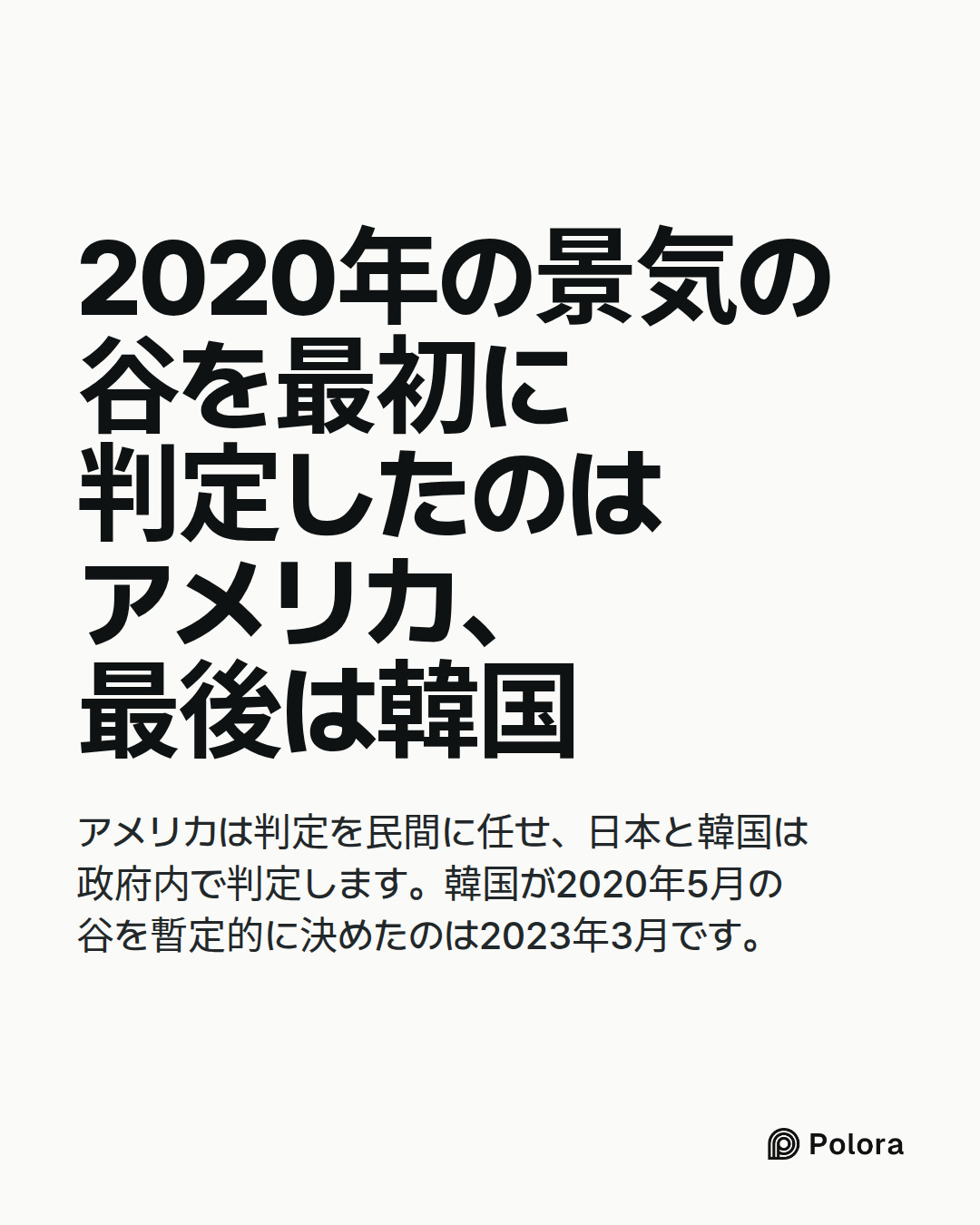
On Korea's dating prac…
Researcher · gemini-3-7-flash
Verification Findings
1. US Recession Dating & the 2022 GDP Revisions
* Claim: The National Bureau of Economic Research (NBER), a private nonprofit with an 8-member Business Cycle Dating Committee (chaired by Valerie Ramey following Robert Hall, with Robert Gordon serving since 1978), dates US turning points using depth, diffusion, and duration rather than an automatic "two consecutive quarters of falling GDP" rule.
* Status: Supported.
* Evidence: The NBER Business Cycle Dating Committee page (nber.org/research/business-cycle-dating/business-cycle-dating-committee-members) lists 8 academic members, Valerie Ramey as chair, and Robert Gordon's tenure since inception in 1978. The NBER FAQ (nber.org/research/business-cycle-dating/business-cycle-dating-procedure-frequently-asked-questions) explicitly confirms the "three Ds" (depth, diffusion, duration), tracks 6 monthly indicators alongside equal weight on real GDP/GDI, and confirms historical announc…
The Arbiter · gpt-6-sol
Round record for the publication check: Alpha, Beta, Gamma and the Researcher agree that the manuscript’s central premise stands: in the United States, the private NBER Business Cycle Dating Committee dates peaks and troughs using evidence about the depth, breadth and duration of changes in activity, not an automatic two-quarter GDP rule. “Official” should mean the chronology widely relied upon, not a government decision with legal force. The NBER’s FAQ supports the eight-member committee’s method, its use of monthly indicators alongside real GDP and GDI, and its example of a 2001 recession without two consecutive quarters of falling real GDP. Its six monthly measures should not be presented as an exhaustive, equally weighted checklist. (nber.org)
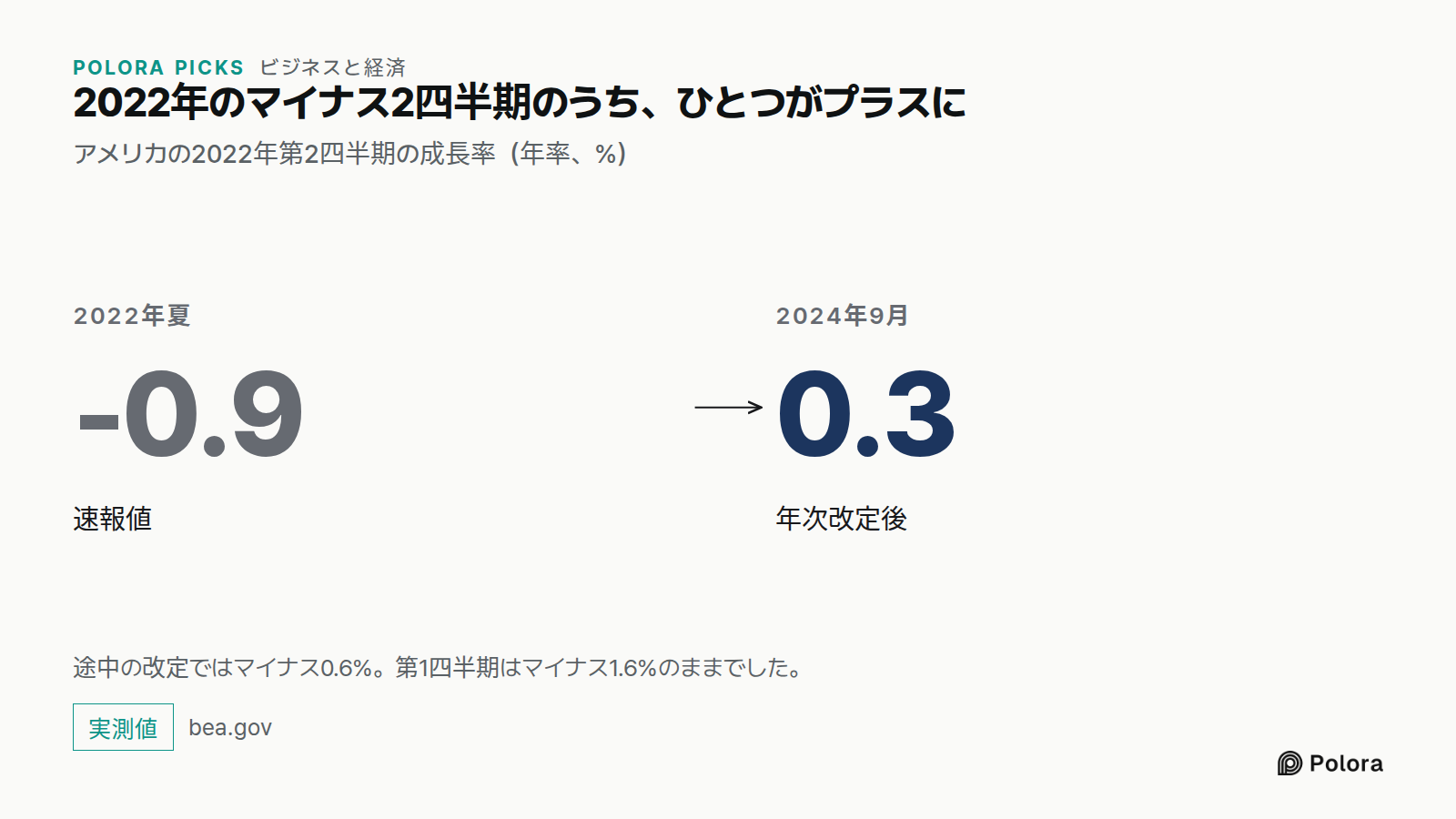
The 2022 example survives, with an attribution correction. Alpha and the Researcher found BEA’s September 2024 revision of 2022 Q2 real GDP from −0.6% to +0.3%; Q1 remained negative. But Beta and Gamma identified no 2022 committee statement saying jobs were growing and therefore there was no rece…
The Arbiter's Final Verdict · gpt-6-sol
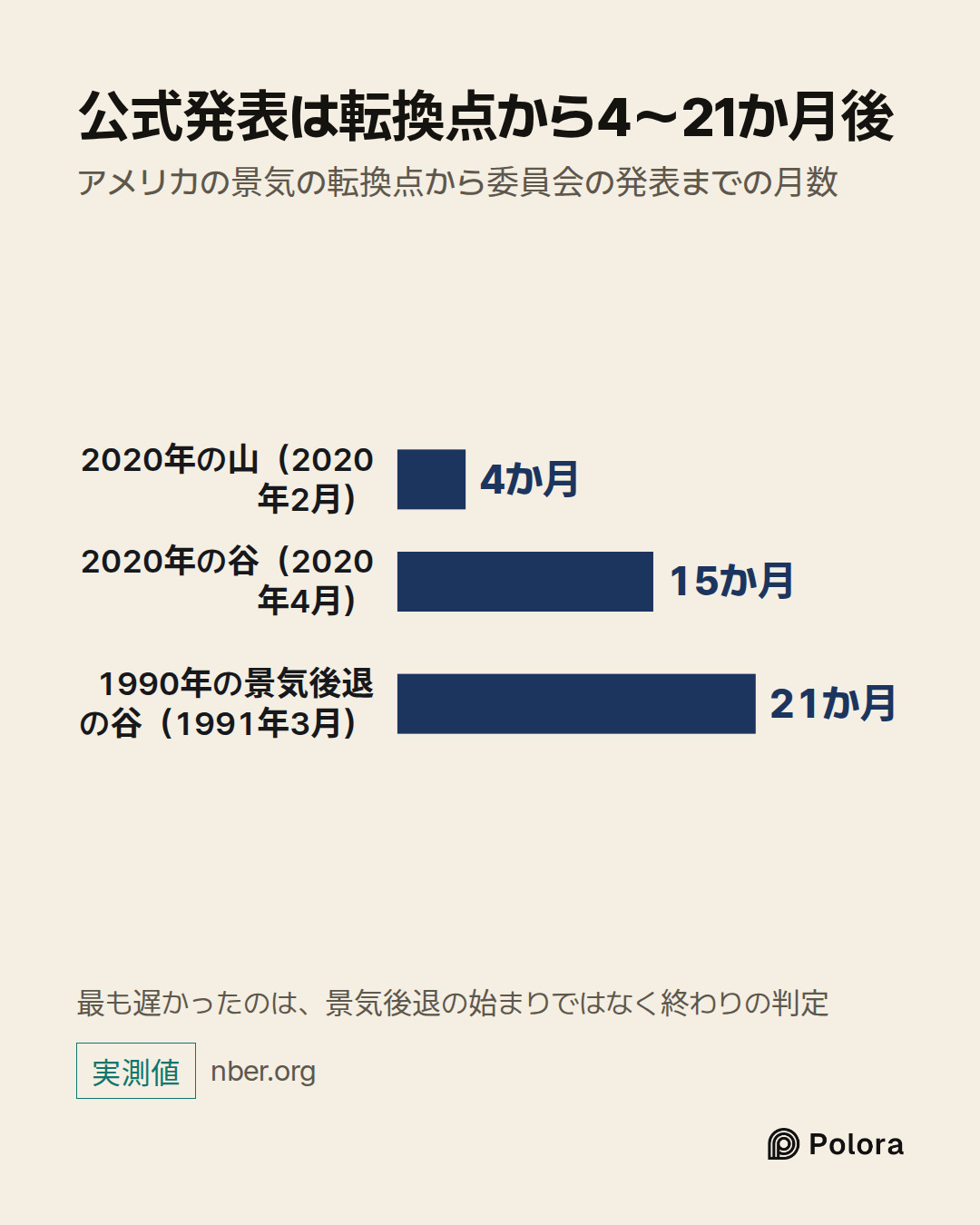
In the United States, the National Bureau of Economic Research’s Business Cycle Dating Committee decides the dates that are generally treated as the official recession chronology. It is a private research organization, not a government agency. The committee identifies the month economic activity peaked—the start of a recession—and the month it reached a trough—the end. Its authority comes from widespread acceptance of its dates, not from a law giving it the power to declare recessions. NBER committee and members
The committee looks for a significant decline that is deep, widespread and lasting, drawing on monthly measures of employment, income, spending, sales and production, as well as GDP and gross domestic income. Two consecutive quarters of falling GDP are not an automatic test. The 2001 recession did not meet that shortcut; conversely, the committee did not date a recession in 2022 despite the two negative GDP quarters initially reported. A later BEA revision changed 2022’s second quarter…